
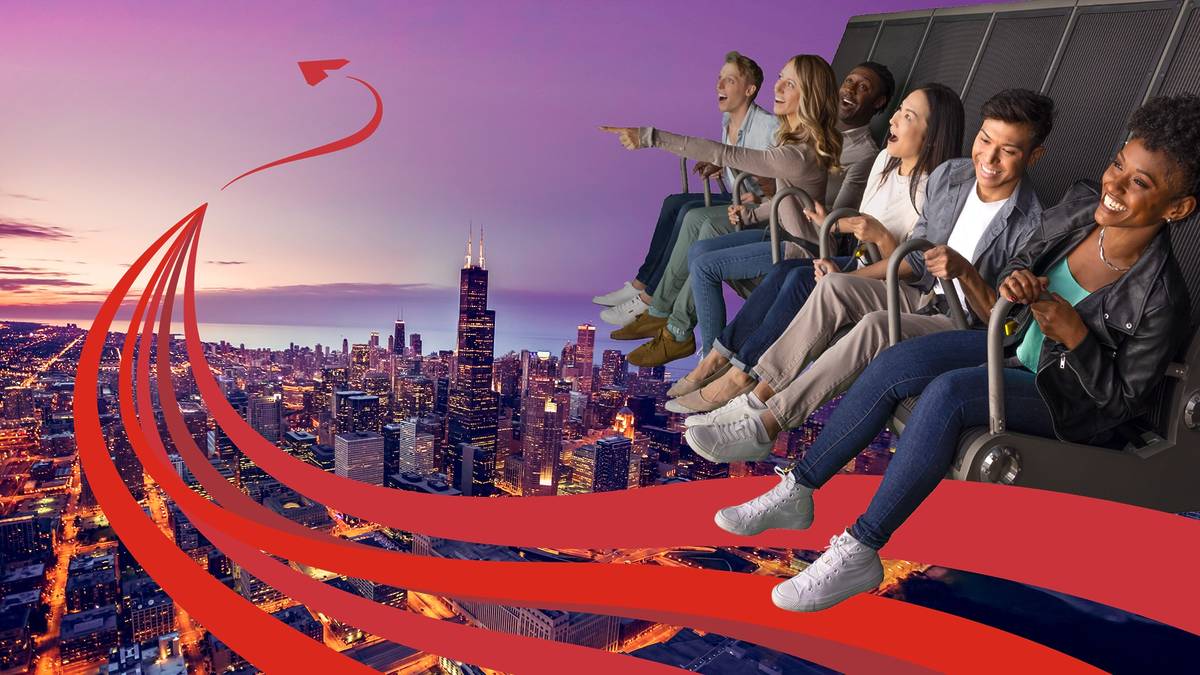
Chicago is a city of superlatives: towering skyscrapers, world-class museums, and a culinary scene that draws global acclaim. Yet, beneath the veneer of its celebrated landmarks lies another Chicago—a vibrant, authentic, and often overlooked tapestry of neighborhoods, cultures, and experiences that constitute “Flyover Chicago.” This isn’t a geographical designation but a conceptual invitation to peel back the layers of the Windy City, moving beyond the typical tourist itinerary to discover its true pulse. It’s about engaging with the local culture, savoring food that tells a story, participating in community activities, and unearthing the hidden gems that define the soul of the city away from the shimmering facade of the Magnificent Mile or the immediate downtown loop.
Defining the “Flyover” Mentality for Chicago Tourism
The term “flyover country” traditionally refers to the vast stretches of the United States that coastal dwellers metaphorically “fly over” en route to other coastal destinations, often implying a lack of engagement or appreciation for what lies between. Applying this to Chicago tourism, “Flyover Chicago” embodies a conscious effort to counteract this tendency within the city itself. It’s an approach that encourages visitors to delve into the everyday life of residents, to explore the neighborhoods where diverse communities thrive, and to understand the historical and social narratives that have shaped this metropolis far beyond the well-trodden paths. It’s about seeking out the authentic, the gritty, and the deeply rooted cultural experiences that truly make Chicago one of a kind.
Beyond the Loop: A Deeper Dive
For many first-time visitors, Chicago is synonymous with the Loop—home to the Art Institute of Chicago, Millennium Park, the Willis Tower, and countless other iconic landmarks. While these are undeniably captivating, they represent only a fraction of what the city offers. “Flyover Chicago” implores tourists to venture past the visible skyline and into the vibrant patchwork of districts like Pilsen, Andersonville, Hyde Park, Lincoln Square, or Bridgeport. These areas boast distinct identities, histories, and local flavors that are often missed by those who remain confined to the downtown core. The deeper dive means engaging with local shop owners, attending community events, and soaking in the unique atmospheres that define each enclave.
Challenging Perceptions
“Flyover Chicago” also challenges preconceived notions about the city. Beyond its reputation for deep-dish pizza and architectural boat tours, Chicago is a melting pot of global cultures, a hotbed for independent arts, and a hub of social innovation. This tourism philosophy pushes visitors to look beyond stereotypes and discover the multifaceted realities of Chicago—its thriving music scene beyond blues and jazz clubs (though those are essential!), its powerful public art, and its history of community activism and resilience. It encourages an open-minded exploration, allowing the city to reveal its complex layers.
Embracing Chicago’s Unsung Neighborhoods
The true spirit of “Flyover Chicago” lies in its neighborhoods. Each one is a microcosm of global culture, offering unique experiences that cannot be replicated elsewhere. Exploring these areas offers a more intimate and profound understanding of the city.
Culinary Journeys Off the Beaten Path
While the Loop and River North are home to many acclaimed restaurants, the most authentic and diverse culinary experiences often reside in the city’s outlying districts. In Pilsen, for instance, visitors can savor some of the most vibrant and authentic Mexican cuisine in the Midwest, from bustling taquerias to traditional bakeries like Panadería Nuevo León. Further north, Argyle Street in Uptown transforms into a bustling hub of Vietnamese, Cambodian, Thai, and Laotian restaurants and markets, offering an incredible array of Southeast Asian flavors. Imagine the aromatic spices of Pho 777 or the delicate pastries from a Vietnamese bakery. These areas are not just about food; they are cultural immersion points, where the smells, sounds, and vibrant energy transport you to another part of the world, right within Chicago. In Little Italy on Taylor Street, establishments like Pompei Restaurant serve up traditional Italian fare that has satisfied generations of locals, a stark contrast to the more contemporary dining experiences found downtown.
Artistic and Cultural Enclaves
Beyond the major institutions, Chicago’s neighborhoods are teeming with local art galleries, independent theaters, and community-driven cultural centers. Pilsen, again, stands out with its incredible street art and murals, particularly along 18th Street, reflecting the rich heritage and contemporary issues of its predominantly Latino community. Art walks here offer a free, open-air gallery experience. In Andersonville, a historically Swedish neighborhood, visitors can explore charming boutiques, independent bookstores, and the Swedish American Museum, which celebrates its immigrant roots and contemporary culture. Hyde Park, home to the University of Chicago, offers a sophisticated blend of academic rigor, historic architecture, and a rich legacy of civil rights activism, including the DuSable Museum of African American History and the Robie House by Frank Lloyd Wright. These cultural enclaves provide a deeper narrative of Chicago’s diverse populations and their contributions to the city’s identity.
Engaging with Authentic Local Experiences
“Flyover Chicago” isn’t just about where you go, but how you engage. It’s about moving from passive observation to active participation in the local rhythm of life.
Community Festivals and Events
One of the best ways to experience local culture is through Chicago’s myriad community festivals and street fairs. Throughout the summer months, nearly every weekend sees a different neighborhood hosting a celebration of its heritage, music, or food. From the vibrant Fiesta del Sol in Pilsen to the Taste of Lincoln Avenue in Lincoln Park or the Renegade Craft Fair that pops up in various locations, these events offer a direct connection to local artists, musicians, chefs, and residents. They provide an unvarnished glimpse into the community spirit and traditions that thrive beyond the major downtown events. Checking local event listings like those from the Chicago Reader or Do312 is crucial for discovering these ephemeral, yet deeply rewarding, experiences.
Historic Haunts and Hidden Gems
Every neighborhood holds secrets. Seek out local history walking tours that delve into the lesser-known stories of Chicago—its labor movements, immigrant struggles, or architectural quirks that aren’t featured in glossy guidebooks. Discover forgotten speakeasies in Lincoln Park like The Green Mill Cocktail Lounge, which still whispers tales of Al Capone. Explore the unique Graceland Cemetery, an outdoor museum of Chicago history and architecture. Visit local park fieldhouses that host community classes or sports leagues, offering a glimpse into daily life. Even the Chicago Public Library branches outside of the central Harold Washington Library Center often feature local art exhibits and community programming. These are the places where the city’s true character resides, often unassuming but rich in narrative.
Practical Tips for the “Flyover” Tourist
To truly embrace “Flyover Chicago,” a shift in planning and perspective is required.
Navigating Beyond Public Transit Hubs
While Chicago’s CTA (trains and buses) is extensive, many fascinating neighborhoods require a willingness to explore a bit further, perhaps with a short ride-share or even a bike. Familiarize yourself with the CTA map and look for bus routes that venture into residential areas. For example, to reach the vibrant murals of Pilsen, the Pink Line is your friend, but exploring beyond the station might require a good pair of walking shoes. Consider using local bike-sharing services like Divvy to navigate smaller streets and discover hidden parks. The journey itself becomes part of the discovery.
Supporting Local Businesses
A cornerstone of “Flyover Chicago” tourism is consciously choosing to support independently owned businesses. Instead of chain coffee shops, seek out local cafes like Dollop Coffee Co. or Dark Matter Coffee, which often feature local artists and community boards. Shop at neighborhood boutiques, farmers’ markets, and family-run restaurants. Your tourist dollars have a more direct and meaningful impact on the local economy and help preserve the unique character of these neighborhoods. Look for “Buy Local” initiatives or neighborhood chamber of commerce listings to guide your choices.
Respecting Local Etiquette
When venturing into residential neighborhoods, remember you are entering people’s communities and homes. Be mindful of noise levels, especially in the evenings. Support the local businesses, but also respect residents’ spaces. Engage with locals respectfully, ask questions (if appropriate), and be open to spontaneous conversations. A genuine interest in their daily lives and the history of their neighborhood will be appreciated and can lead to even richer experiences and insights. “Flyover Chicago” is about mutual respect and a desire to connect with the authentic heart of the city.
In essence, “What Is Flyover Chicago?” is an invitation to embrace a more profound, culturally immersive, and locally-driven approach to tourism. It’s a journey of discovery that promises to unveil the true depth and diversity of one of America’s greatest cities, far beyond its iconic skyline.
LifeOutOfTheBox is a participant in the Amazon Services LLC Associates Program, an affiliate advertising program designed to provide a means for sites to earn advertising fees by advertising and linking to Amazon.com. Amazon, the Amazon logo, AmazonSupply, and the AmazonSupply logo are trademarks of Amazon.com, Inc. or its affiliates. As an Amazon Associate we earn affiliate commissions from qualifying purchases.