
Pinpointing Chicago on the Global Map
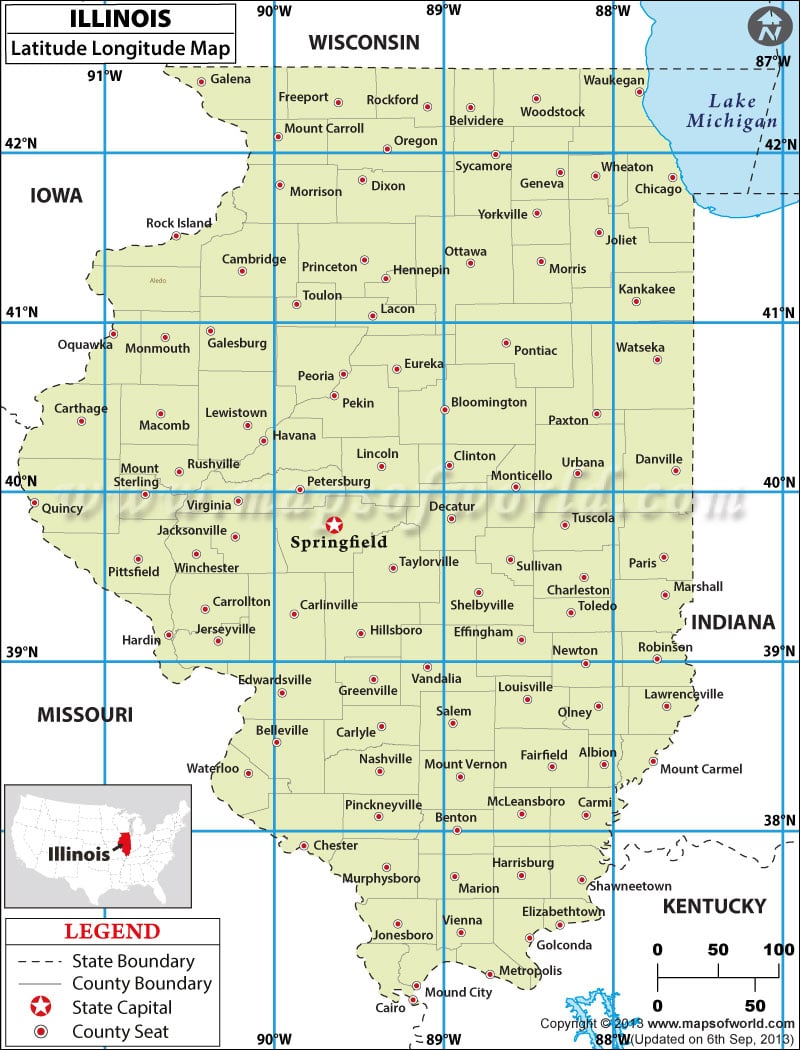
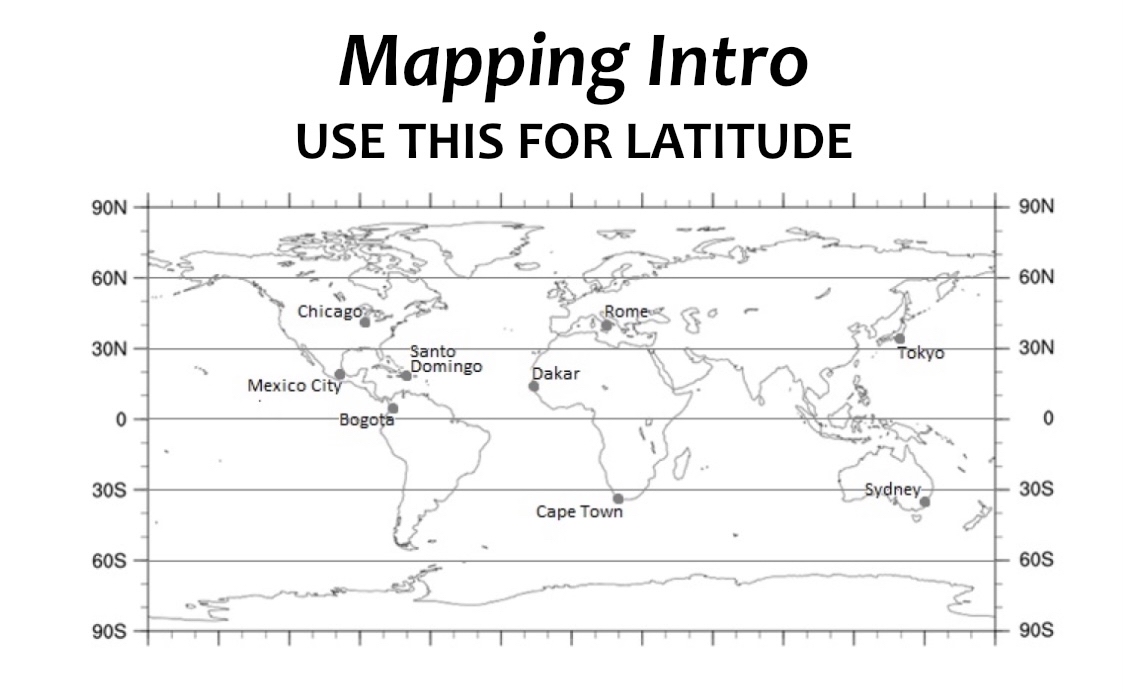
Understanding the precise geographical location of any major city is fundamental for travelers. Latitude, in particular, dictates much about a destination’s climate, daylight hours, and ultimately, the types of experiences one can expect. Chicago, one of the United States’ most iconic cities, is situated at approximately 41.8° North latitude. This puts it squarely in the Northern Hemisphere’s temperate zone, a region characterized by distinct seasonal variations that profoundly impact travel planning and experiences.
The Exact Coordinates and Their Significance
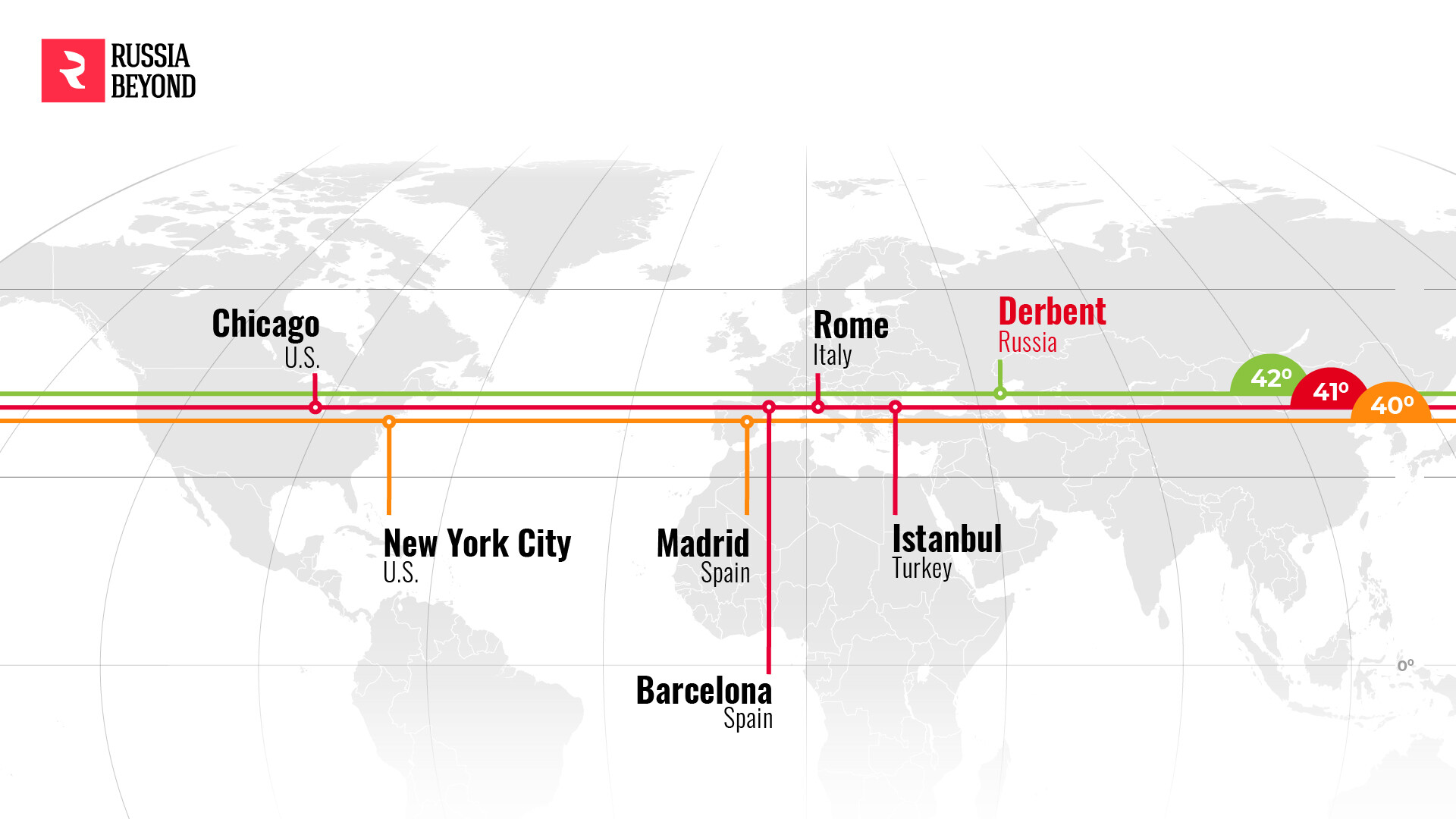
While 41.8° N represents the approximate latitude of downtown Chicago, specific points within the expansive city might vary slightly. This figure places it at a similar latitudinal band to several other prominent global cities, offering interesting comparisons. For instance, Chicago shares a similar latitude with cities like Rome, Italy (around 41.9° N), Barcelona, Spain (around 41.4° N), and Istanbul, Turkey (around 41.0° N). On the North American continent, it’s roughly parallel to Boston, Massachusetts (around 42.3° N), New York City, New York (around 40.7° N), and Toronto, Canada (around 43.7° N).
However, a direct comparison based solely on latitude can be misleading. While these cities share a similar angle to the sun, their climates can differ significantly due to other geographical factors such as proximity to large bodies of water, prevailing wind patterns, and elevation. For Chicago, the immense presence of Lake Michigan plays a crucial role in moderating its temperatures and influencing its weather patterns, especially during the colder months, a phenomenon known as the “lake effect.” This continental location, combined with its mid-latitude position, guarantees a city that truly experiences all four seasons in their full glory, making it a dynamic destination year-round, but requiring careful consideration for travelers.
Latitude’s Influence on Chicago’s Climate and Seasons
Chicago’s latitude is the primary driver of its distinct climate, marked by a fascinating interplay of hot summers, cold and snowy winters, and relatively mild, albeit sometimes unpredictable, spring and autumn periods. Travelers planning a visit must account for these seasonal shifts to ensure an optimal experience.
Understanding the Great Lakes Effect
The close proximity of Lake Michigan to Chicago creates a localized climate phenomenon known as the Great Lakes Effect. In summer, the lake tends to keep immediate lakeside areas cooler than inland regions, providing a refreshing respite from the heat. Conversely, in winter, the relatively warmer lake waters can release moisture and energy into colder air masses passing over, leading to increased snowfall, particularly on the eastern and southern shores. This means that while Chicago’s latitude dictates generally cold winters, the lake can intensify snowfall events, creating a truly picturesque, albeit chilly, winter wonderland.
The city’s four distinct seasons are a direct result of its mid-latitude position:
- Summer (June-August): Hot and humid, with average daily temperatures often in the high 70s to low 80s Fahrenheit (25-30°C). Ideal for outdoor activities and waterfront enjoyment.
- Autumn (September-November): Crisp and colorful, with falling leaves and gradually cooling temperatures, typically ranging from the 50s to 60s Fahrenheit (10-20°C). A beautiful time for city exploration.
- Winter (December-February): Cold, windy, and snowy, with average temperatures frequently below freezing (0°C). Days can be severe, particularly in January and February, often experiencing significant snowfall and powerful winds off Lake Michigan.
- Spring (March-May): Unpredictable but generally mild, with temperatures climbing from the 40s to 60s Fahrenheit (5-15°C). This season sees a gradual thaw and the reawakening of the city’s parks and gardens.
Daylight Hours and Seasonal Travel
Chicago’s latitude also leads to significant variations in daylight hours throughout the year. During the summer solstice (around June 21st), the city experiences its longest days, with daylight extending for over 15 hours. This abundance of light allows travelers more time for sightseeing, outdoor dining, and evening strolls along the Riverwalk or Navy Pier, maximizing every moment of their trip.
Conversely, during the winter solstice (around December 21st), daylight shrinks to just over 9 hours. Shorter days mean that outdoor activities are more constrained by light, prompting travelers to focus on indoor attractions like world-class museums, shopping, and vibrant culinary experiences. These shifts in daylight are crucial for planning daily itineraries and understanding the overall ambiance of the city during different times of the year. The twilight hours, particularly in winter, can also cast a beautiful, ethereal glow on the city’s architectural marvels, offering unique photographic opportunities.
Exploring Chicago: Travel Experiences Shaped by Latitude
The geographical position of Chicago profoundly influences the types of travel experiences available throughout the year. Its four distinct seasons, a direct consequence of its latitude, transform the city’s landscape and activity offerings.
Summer Delights: Outdoor Adventures and Festivals
When the warmth of summer embraces Chicago, the city truly comes alive with an unparalleled vibrancy. The long daylight hours and pleasant temperatures make it an ideal time for outdoor exploration. Travelers flock to Millennium Park to marvel at the iconic “Cloud Gate” sculpture, stroll through the Lurie Garden, or enjoy free concerts at the Jay Pritzker Pavilion. Navy Pier becomes a hub of activity with its Ferris wheel, boat tours, and family-friendly attractions.
The city’s extensive lakefront offers miles of beaches along Lake Michigan for sunbathing, swimming, and cycling. Architectural boat tours on the Chicago River are a quintessential summer experience, offering stunning views of the city’s renowned skyline. Summer is also festival season, hosting major events like Lollapalooza, a massive music festival, and the Taste of Chicago, celebrating the city’s diverse culinary scene. These outdoor-centric activities capitalize on the city’s favorable summer climate, a direct benefit of its temperate latitude.
Winter Wonderland: Indoor Exploration and Holiday Charm
As Chicago’s latitude dictates colder temperatures and shorter days in winter, the city adapts by offering a wealth of indoor attractions and festive holiday experiences. Travelers can immerse themselves in culture at world-class institutions such as the Art Institute of Chicago, home to an extraordinary collection of art; the Field Museum, boasting natural history wonders; or the Museum of Science and Industry, an interactive paradise for all ages.
Shopping becomes a major draw along the Magnificent Mile, with its array of luxury boutiques and department stores offering a warm refuge from the cold. Ice skating rinks pop up across the city, most notably at Maggie Daley Park and Millennium Park, providing classic winter fun. During the holiday season, the Christkindlmarket brings a slice of German Christmas tradition to the city, complete with spiced wine, traditional foods, and handcrafted gifts, while elaborate light displays illuminate the streets, transforming the city into a magical festive destination.
Spring Awakening and Autumn’s Hues
The shoulder seasons in Chicago offer unique charm for travelers seeking a different pace. Spring brings a sense of renewal as parks burst into bloom, outdoor patios begin to open, and the city slowly sheds its winter coat. It’s an excellent time for strolls through neighborhoods, enjoying the nascent greenery. The weather can be variable, requiring flexible travel plans and layered clothing, but the fresh air and fewer crowds make it appealing.
Autumn, arguably one of the most beautiful times to visit, bathes Chicago in a palette of warm reds, oranges, and yellows. The crisp air is perfect for walking tours, enjoying the foliage in city parks, or embarking on a scenic architectural cruise along the Chicago River before the winter chill sets in. The transition of seasons, a direct consequence of the city’s temperate latitude, offers ever-changing backdrops and activities for visitors.
Navigating Chicago: Practical Travel Tips for Its Latitude
Understanding Chicago’s latitude-driven climate is crucial for practical travel planning, ensuring comfort and maximizing enjoyment regardless of the season. Being prepared for its distinct weather patterns can make all the difference in your travel experience.
Packing for the Seasons
Due to its mid-latitude position and the moderating effect of Lake Michigan, Chicago’s weather can be dynamic, particularly in the spring and fall. The golden rule for packing is layering.
- Summer: Light clothing, breathable fabrics, sunglasses, and sunscreen are essential. Evenings can be cooler, so a light jacket or cardigan is advisable. Comfortable walking shoes are a must.
- Winter: Heavy coats, scarves, gloves, hats, and waterproof boots are indispensable. The wind chill factor can make temperatures feel much colder, so thermal layers are highly recommended.
- Spring and Autumn: These seasons demand versatility. Pack a mix of long-sleeved shirts, sweaters, a medium-weight jacket, and a waterproof outer layer. Temperatures can swing significantly within a day, so adaptability in your wardrobe is key. Always check the forecast a few days before your trip.
Maximizing Your Visit: Seasonal Itineraries
Your itinerary should inherently be guided by the season, leveraging the best of what Chicago has to offer at any given time.
- Peak Summer Travel: Focus on outdoor attractions like Millennium Park, Navy Pier, lakefront activities, and festivals. Book accommodations and popular tours well in advance, as this is the busiest tourist season.
- Winter Escapes: Plan around indoor attractions. Dedicate ample time to museums, art galleries, shopping, and the city’s renowned dining scene. Public transportation, such as the CTA trains and buses, is an excellent way to navigate the city comfortably in colder weather.
- Shoulder Seasons (Spring/Autumn): These are ideal for travelers seeking a balance of indoor and outdoor activities with fewer crowds. Enjoy architectural tours, explore diverse neighborhoods, and take advantage of pleasant weather for walking. Be prepared for potential rain in spring and crisp, but sometimes chilly, days in autumn.
Regardless of when you visit, Chicago’s latitude ensures a destination that constantly reinvents itself with the turning of the seasons, offering a rich and varied experience for every traveler. Its position on the globe is not just a geographical fact, but a defining characteristic that shapes its climate, culture, and capacity for unforgettable travel adventures.
LifeOutOfTheBox is a participant in the Amazon Services LLC Associates Program, an affiliate advertising program designed to provide a means for sites to earn advertising fees by advertising and linking to Amazon.com. Amazon, the Amazon logo, AmazonSupply, and the AmazonSupply logo are trademarks of Amazon.com, Inc. or its affiliates. As an Amazon Associate we earn affiliate commissions from qualifying purchases.