
California, a land of unparalleled natural beauty and vibrant culture, consistently beckons travelers from across the globe. From the sun-kissed beaches of Southern California to the majestic redwoods of Northern California, and from the bustling urban sprawls of Los Angeles and San Francisco to the serene vineyards of Napa Valley, the Golden State offers an endless array of destinations, attractions, and experiences. However, a recurring concern for both residents and prospective visitors is the perennial threat of wildfires. The question, “Where was the fire in California?” frequently arises, highlighting the need for clarity and understanding when planning travel or considering a move to this diverse state. These fires, while often devastating, are typically confined to specific regions, and their impact on the vast expanse of California’s tourism landscape is crucial for any traveler to comprehend. This article delves into the geography of California’s wildfires, their implications for tourism and accommodation, and how visitors can navigate their travel plans safely and responsibly, ensuring their trip remains an unforgettable and positive experience.
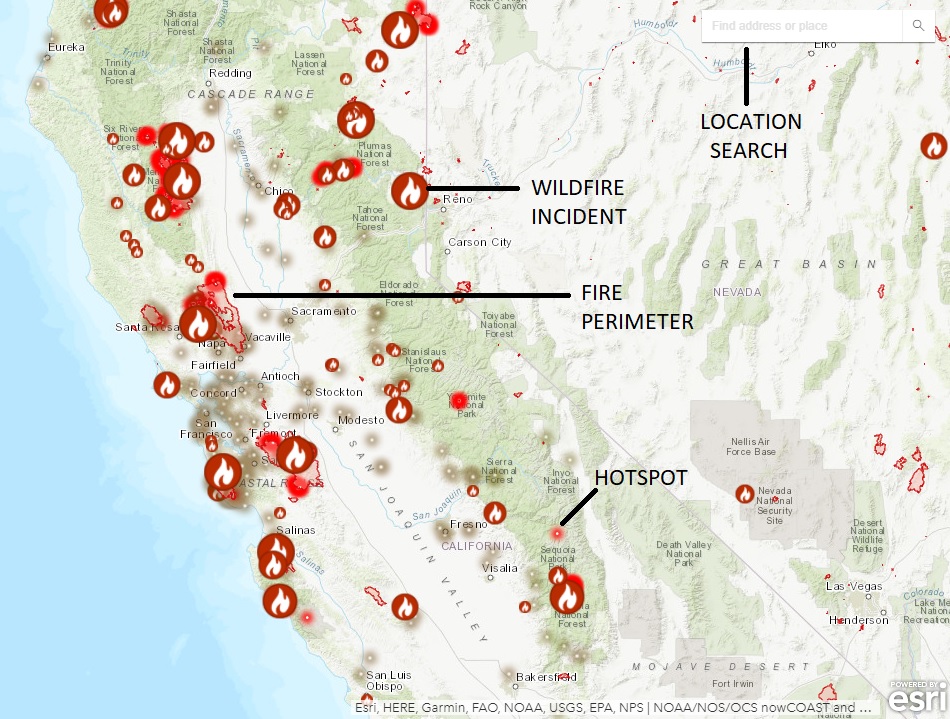
Understanding California’s Wildfire Landscape
California’s unique geography and climate make it particularly susceptible to wildfires. The state experiences long, dry summers, often exacerbated by drought conditions, creating an abundance of dry vegetation that can easily ignite. Topography plays a significant role, with mountainous regions and canyons acting as natural conduits for fire spread, especially when fueled by powerful winds. Understanding this landscape is the first step in appreciating the complexities of the wildfire phenomenon in California.
The Geography of Risk
Wildfires in California are not uniformly distributed across the state. Certain areas are inherently more prone to fire activity due to a combination of environmental factors. Southern California, for instance, is frequently impacted by the infamous Santa Ana winds, hot, dry gusts that sweep down from the deserts and push fires rapidly towards urban and suburban areas. The chaparral ecosystems found throughout much of Southern California are naturally adapted to fire but can become highly combustible after prolonged dry spells.
Conversely, Northern California and the Sierra Nevada foothills face different challenges. Dense forests, often overstocked due to historical fire suppression practices, provide ample fuel. Areas like Paradise, in Butte County, bore the brunt of the destructive Camp Fire in 2018, which decimated the town and its surrounding communities. Other regions, such as Napa Valley and Sonoma County, renowned for their vineyards and wine tourism, have also seen significant fire activity, often driven by similar dry conditions and wind patterns. The Central Valley, while primarily agricultural, can also experience grass fires, although these are typically less destructive to populated areas compared to forest or chaparral fires. It’s crucial to remember that California is a vast state, and a fire in one area does not mean the entire state is affected. Coastal cities like San Diego, Santa Barbara, and Monterey are generally less susceptible to direct fire threats than inland mountainous or forested regions, though they may experience smoke impacts.
A Historical Perspective on Major Fires
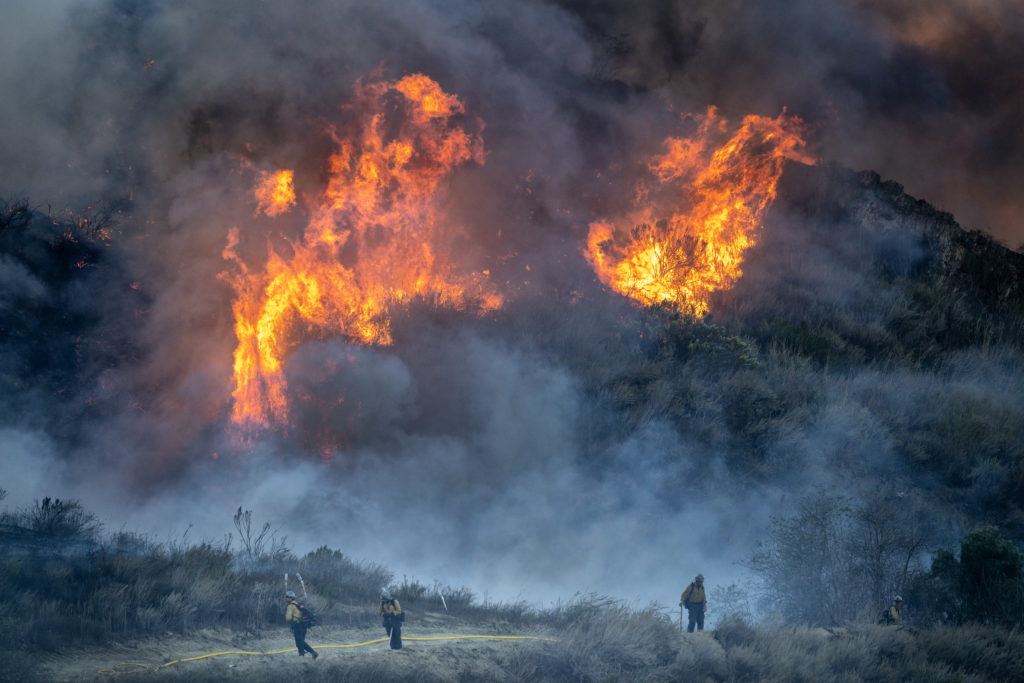
California has a long history of wildfires, with a notable increase in intensity and frequency in recent decades, often attributed to climate change and forest management practices. These events, while tragic, have shaped the landscape and spurred significant advancements in fire prevention and response.
The Thomas Fire in 2017 became the largest wildfire in California’s history at the time, burning over 280,000 acres across Ventura and Santa Barbara Counties, devastating communities and critical infrastructure. The aforementioned Camp Fire in 2018 stands as the deadliest and most destructive wildfire in California history, claiming 85 lives and destroying over 18,000 structures. More recently, the Dixie Fire in 2021 became the second-largest in state history, burning over 960,000 acres across five counties, primarily in the Sierra Nevada and Lassen National Forest areas.
These historical events underscore the scale and potential impact of California wildfires. They serve as stark reminders of the vulnerability of certain regions and the importance of preparedness. For travelers, understanding the historical context helps in appreciating the resilience of Californian communities and the ongoing efforts to mitigate future risks. It also informs decisions on when and where to travel, emphasizing the need to consult current conditions and official advisories, particularly during peak fire seasons, which typically run from late summer through late fall.
Impact on Travel, Tourism, and Accommodation
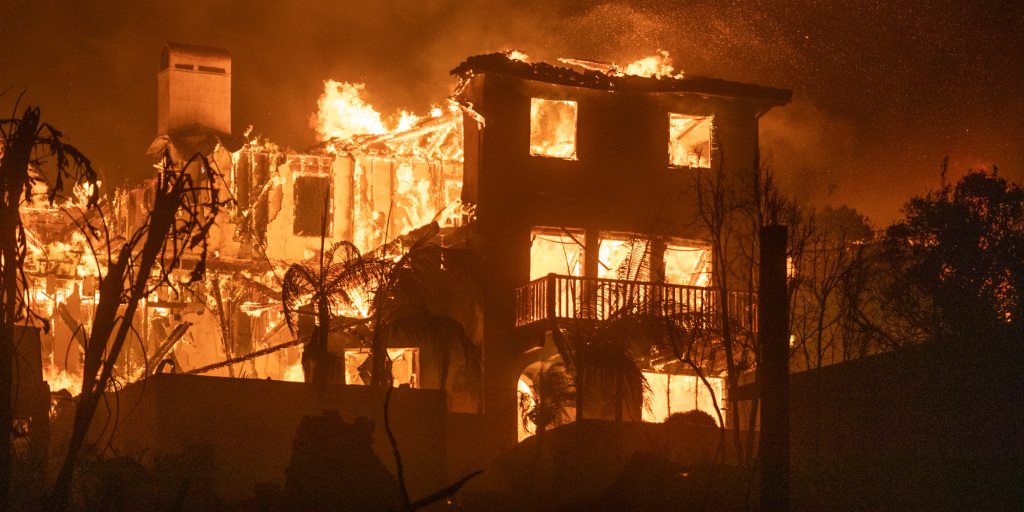
The presence of wildfires, even if localized, can have ripple effects throughout California’s expansive travel and tourism industry. From popular landmarks and national parks to the vast network of hotels and accommodation options, understanding these impacts is vital for planning a smooth and enjoyable trip.
Disruption to Destinations and Attractions
One of the most immediate and visible impacts of wildfires is the disruption to popular tourist destinations and attractions. National Parks and State Parks are particularly vulnerable due to their natural, forested settings. Iconic destinations like Yosemite National Park, Sequoia National Park, and Kings Canyon National Park, while enduring symbols of California’s natural grandeur, have all faced temporary closures or access restrictions during fire events, either due to direct fire threats or severe smoke conditions. Smoke can travel hundreds of miles, affecting air quality and visibility in areas far removed from the actual blaze, which can diminish the experience even if the area is technically open.
Beyond the parks, major resort areas and cultural attractions can also be affected. The wine regions of Napa Valley and Sonoma County, vital to California’s tourism economy, have experienced significant impacts, including vineyard damage, winery closures, and a downturn in visitor numbers during fire seasons. Popular recreational spots like Lake Tahoe and the surrounding Sierra Nevada communities have also been subjected to evacuation orders and smoke plumes, affecting outdoor activities such as hiking, boating, and skiing.
Travelers planning visits to these areas during peak fire season (typically June through November, with variations) should monitor official park websites, local news, and air quality indexes. Flexibility in travel plans and having alternative destinations in mind can help mitigate disappointment if a chosen attraction becomes inaccessible. While certain areas may face temporary closures, the vast majority of California’s destinations remain open and welcoming, offering diverse experiences from bustling city life to serene coastal escapes, often far removed from any fire activity.
Hotels, Resorts, and Booking Challenges
Wildfires can significantly impact the hospitality sector, affecting hotels, resorts, vacation rentals, and other forms of accommodation. In areas directly threatened by fires, properties may be under evacuation orders, leading to immediate cancellations and closures. Even in areas not directly in the path of a fire, smoke, poor air quality, and concerns about potential spread can deter visitors, resulting in reduced occupancy rates and economic hardship for local businesses.
For travelers, this translates into potential booking challenges. If you have a reservation in an area that becomes affected by a wildfire, you might face cancellations or the need to rebook. Reputable hotels and booking platforms often offer flexible cancellation policies in such circumstances, but it’s always wise to review these terms before booking, especially during fire season. Luxury resorts in regions like Malibu or Laguna Beach might find their bookings impacted by smoke and air quality concerns, even if the fire is miles away, as guests seek pristine conditions. Similarly, charming boutique hotels in the Santa Ynez Valley or Ojai could face disruptions.
Beyond direct impacts, the demand for accommodation in unaffected, safe areas can sometimes surge as people seek refuge or reroute their trips. This can lead to increased prices or limited availability in cities like San Francisco, Los Angeles, or San Diego if they become temporary havens for displaced residents or redirected tourists. Travelers should consider travel insurance that covers fire-related disruptions, including cancellations and unforeseen accommodation changes. Prioritizing properties with strong communication channels and clear emergency procedures can also add a layer of reassurance. Ultimately, while wildfires pose challenges, the accommodation sector in California is vast and resilient, constantly adapting to provide safe and comfortable stays for visitors.
Navigating California Travel During Fire Season
Traveling to California during fire season requires a proactive and informed approach. While the beauty and allure of the state remain undeniable, a few essential safety tips and a commitment to responsible tourism can ensure your trip is both safe and enjoyable.
Essential Safety Tips for Travelers
Preparation is key when planning a trip to California, particularly during the drier months. Before you even depart, it’s crucial to research the current fire conditions and forecasts for your intended destinations. Official resources such as CalFire, the National Weather Service, and local county emergency services websites provide real-time updates on fire incidents, evacuation orders, and air quality.
Before You Go:
- Check Official Alerts: Regularly monitor the CalFire website for active incidents and containment levels. Use resources like AirNow.gov to check air quality indexes (AQI) for your planned itinerary.
- Travel Insurance: Consider purchasing comprehensive travel insurance that covers natural disasters, including wildfires. Ensure it includes coverage for trip cancellations, interruptions, and potential medical emergencies related to smoke exposure.
- Flexible Bookings: Whenever possible, choose accommodations and transportation with flexible cancellation or rebooking policies.
- Emergency Kit: If traveling by car, have an emergency kit with essentials like water, snacks, a first-aid kit, and a fully charged cell phone.
- Communication Plan: Share your itinerary with family or friends and establish a check-in plan.
During Your Trip:
- Stay Informed: Continue to monitor local news, official government websites, and social media feeds from reputable sources (e.g., local fire departments, sheriff’s offices) for any changes in conditions.
- Heed Warnings: If an area is under an evacuation order or advisory, leave immediately. Do not attempt to travel into or remain in affected zones.
- Air Quality Precautions: If air quality is poor due to smoke, limit outdoor activities, keep windows closed, and use air conditioning with a recirculation setting. Wear an N95 mask if you must be outdoors.
- Know Your Routes: Be aware of primary and alternative routes to and from your destination. Road closures can occur rapidly.
- Fire Safety: Practice extreme caution with any open flames. Adhere strictly to local fire restrictions, which often include bans on campfires, BBQs, and even smoking in designated areas. Never throw cigarette butts out of a car window.
By staying informed and prepared, you can significantly reduce risks and ensure a safer travel experience in California.
Responsible Tourism and Supporting Affected Areas
While wildfires present challenges, they also highlight the importance of responsible tourism. Travelers have a unique opportunity to support affected communities and contribute to the state’s recovery efforts. Choosing to visit safe and open areas, and understanding the nuances of how to do so ethically, is paramount.
Supporting Local Economies:
- Visit Open Areas: Many beautiful parts of California remain unaffected by fires. Continue your travel plans to these areas, supporting local businesses such as hotels, restaurants, wineries, and shops. Your patronage is crucial for these economies.
- Buy Local: When visiting a town or region, prioritize local businesses over large chains. This direct injection of funds helps communities thrive and recover.
- Stay in Designated Accommodations: Choose hotels, resorts, or vacation rentals that are operating safely and within official guidelines.
- Be Patient and Understanding: If you encounter minor disruptions or services that are slightly altered due to fire recovery efforts, remember that local communities are doing their best under challenging circumstances. A little patience and understanding go a long way.
Engaging in Sustainable and Educational Practices:
- Learn About Fire Ecology: Take the opportunity to learn about California’s unique fire ecology and the role of fire in natural ecosystems. Many parks and visitor centers offer educational programs on this topic.
- Support Conservation Efforts: Consider donating to reputable organizations working on wildfire prevention, forest restoration, and community recovery.
- Practice Leave No Trace Principles: Always adhere to “Leave No Trace” principles, especially in natural areas, to minimize human impact and reduce the risk of accidental fires. This includes packing out all trash, staying on marked trails, and respecting wildlife.
- Educate Others: Share your informed perspective with other travelers, helping to dispel misconceptions and promote responsible travel.
By acting as a responsible tourist, you not only ensure your own safety but also play a vital role in the resilience and long-term health of California’s communities and natural landscapes.
Beyond the Flames: Exploring California’s Enduring Allure
Despite the challenges posed by wildfires, California’s spirit of resilience and its breathtaking diversity remain undimmed. The vast majority of the state is unaffected by fires at any given time, offering countless opportunities for exploration and enjoyment year-round.
Resilience and Recovery
California’s communities and natural landscapes have a remarkable capacity for resilience and recovery. Following fire events, there is an incredible outpouring of support and effort to rebuild, restore, and rejuvenate. Burned areas slowly begin to recover, with new growth emerging, showcasing nature’s persistent cycle. For instance, while parts of the Santa Monica Mountains were impacted by past fires, the region quickly demonstrated its ability to regenerate, with wildflowers often blooming profusely in subsequent seasons. Similarly, destinations like Lake Tahoe and the Redwood National and State Parks continue to draw millions, their core attractions and natural beauty largely intact and continually preserved.
This resilience extends to the tourism infrastructure as well. Hotels and resorts rebuild and enhance their facilities, often incorporating new fire-resistant designs and safety protocols. Restaurants and local businesses reopen, eager to welcome visitors and restore the vibrant local culture. Travelers visiting these areas post-recovery witness firsthand the strength of the community and contribute directly to its resurgence, often finding a profound connection with the local spirit. Exploring areas that have recovered can offer a unique perspective on the power of nature and human determination. From the majestic coastal route of Highway 1 to the sun-drenched vineyards that continue to produce world-class wines, California’s enduring allure is a testament to its ability to bounce back and offer fresh, enriching experiences.
Planning Your California Dream Trip
Ultimately, the answer to “Where was the fire in California?” is rarely “everywhere.” California is an enormous state, spanning over 163,000 square miles, with diverse climates and ecosystems. This means that even during fire season, countless destinations remain entirely unaffected and are open for business, offering their usual array of attractions, accommodations, and activities.
When planning your dream trip, consider the following:
- Timing is Everything: If you’re particularly concerned about wildfires, consider traveling during the spring (March to May) when the landscape is lush and green, or in the winter (December to February) when cooler temperatures and rainfall significantly reduce fire risk. These seasons also offer unique experiences, from blooming wildflowers in the desert to snow sports in the Sierra Nevada.
- Diverse Destinations: California offers an incredible variety of experiences. If mountain or forest destinations are a concern, pivot to coastal cities, desert landscapes, or major urban centers.
- Coastal Gems: Enjoy the rugged beauty of Big Sur, the charm of Carmel-by-the-Sea, the bustling piers of Santa Monica, or the historic waterfront of San Francisco.
- Desert Wonders: Explore the unique ecosystems of Joshua Tree National Park or the upscale desert oasis of Palm Springs.
- Urban Adventures: Immerse yourself in the cultural melting pot of Los Angeles, the tech innovation of Silicon Valley, or the historic charm of Sacramento.
- Official Resources Are Your Best Friends: Always rely on up-to-date information from official sources like CalFire, National Park Service websites, and local tourism boards. These provide the most accurate picture of current conditions and closures.
- Consult Local Experts: Don’t hesitate to reach out to hotels, tour operators, or local visitor centers in your desired destination. They can offer invaluable insights into local conditions and recommendations.
California’s allure is undeniable, and with thoughtful planning and a proactive approach, travelers can confidently explore its wonders. By staying informed, being flexible, and supporting local communities, your Californian adventure will be filled with positive memories, showcasing the Golden State’s enduring beauty and vibrant spirit, far beyond the headlines of any localized event.
LifeOutOfTheBox is a participant in the Amazon Services LLC Associates Program, an affiliate advertising program designed to provide a means for sites to earn advertising fees by advertising and linking to Amazon.com. Amazon, the Amazon logo, AmazonSupply, and the AmazonSupply logo are trademarks of Amazon.com, Inc. or its affiliates. As an Amazon Associate we earn affiliate commissions from qualifying purchases.