
For any traveler planning a visit to Chicago, understanding the rhythm of daylight hours is as crucial as knowing the best deep-dish pizza joint. The time the sky darkens in the Windy City isn’t a static hour; it’s a dynamic factor influenced by the seasons, impacting everything from sightseeing schedules to evening entertainment choices. A well-informed itinerary leverages these changing patterns to maximize the urban experience, ensuring you catch every vibrant sunset and efficiently transition into Chicago’s bustling nightlife.
Understanding Sunset Dynamics in the Windy City
Chicago’s position on the globe, specifically its latitude of approximately 41.8° North, means it experiences significant variations in daylight hours throughout the year. Like many cities in the northern hemisphere, the city enjoys extended periods of daylight in summer and shorter days in winter. This seasonal shift in sunrise and sunset times directly impacts a traveler’s ability to explore, dine, and partake in evening activities.
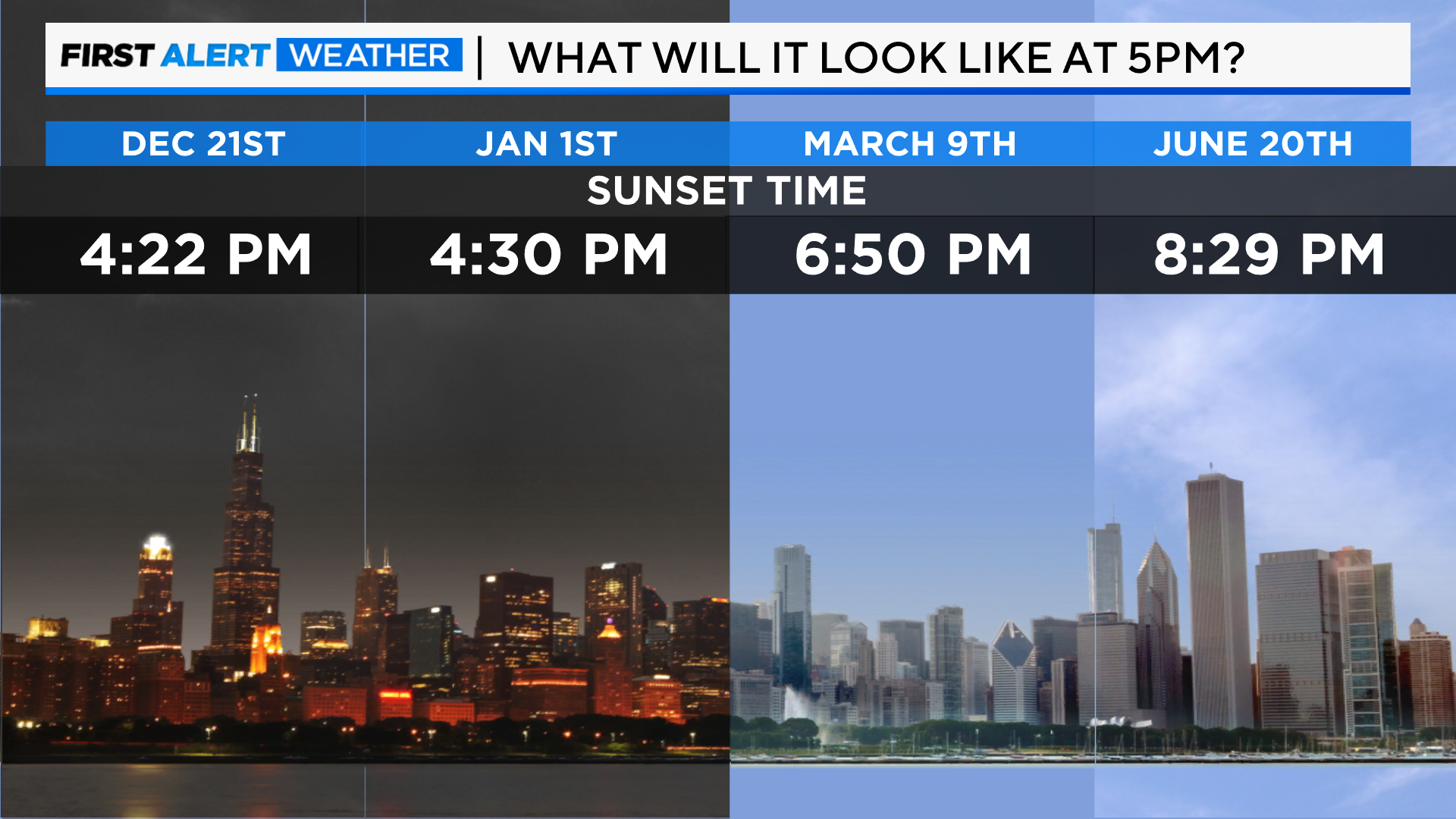
During the longest days of summer, typically around the Summer Solstice in late June, the sun might not dip below the horizon until well after 8:00 PM, sometimes even pushing towards 8:30 PM. This extended twilight offers ample opportunity for prolonged outdoor enjoyment, from leisurely strolls along Lake Michigan to al fresco dining. Conversely, during the shortest days of winter, near the Winter Solstice in December, darkness can descend as early as 4:20 PM, dramatically altering the pace and nature of evening plans. These variations aren’t just minor adjustments; they define the very feel of the city in different seasons, dictating when attractions close, when the streetlights flicker on, and when the city’s architectural marvels transform under the glow of urban illumination.
Seasonal Sunset Timings and Travel Planning
Knowing when the sun sets is paramount for effective travel planning in Chicago. Each season brings a unique palette of light and shadow, influencing optimal times for specific activities.
Spring Evenings in Chicago
As winter’s chill recedes, Chicago awakens with longer days. In March, sunset gradually shifts from approximately 5:45 PM to 7:00 PM by the end of the month, accounting for the daylight saving time shift. April sees sunsets push towards 7:30 PM, and by May, it’s often after 8:00 PM. This period is ideal for travelers looking to enjoy the burgeoning greenery and milder temperatures without the intense heat of summer or the early darkness of winter. Outdoor activities like river cruises begin to operate in full swing, and a visit to Millennium Park around dusk offers a pleasant experience as the city lights begin to sparkle against the twilight sky. Planning dinner reservations for 7:00 PM or later allows for ample pre-dinner exploration and enjoying the city’s transition from day to night.
Summer’s Extended Daylight
Summer is undoubtedly the season of extended evenings in Chicago. From June through August, sunset times consistently hover between 8:00 PM and 8:30 PM, providing maximum daylight for exploration. This is prime time for travelers who want to pack their days full of activities. Imagine an architectural boat tour that concludes just as the sun dips, painting the skyline in hues of orange and purple. Or spending the entire evening at Navy Pier, enjoying rides, dining, and the spectacular fireworks display that often lights up the sky around 9:30 PM on Wednesday and Saturday nights. Rooftop bars and outdoor patios become exceptionally popular, offering stunning views as the city lights come alive. Travelers should take advantage of these long days for extensive sightseeing and outdoor dining, perhaps even planning late-evening park visits.
Autumn’s Golden Hours
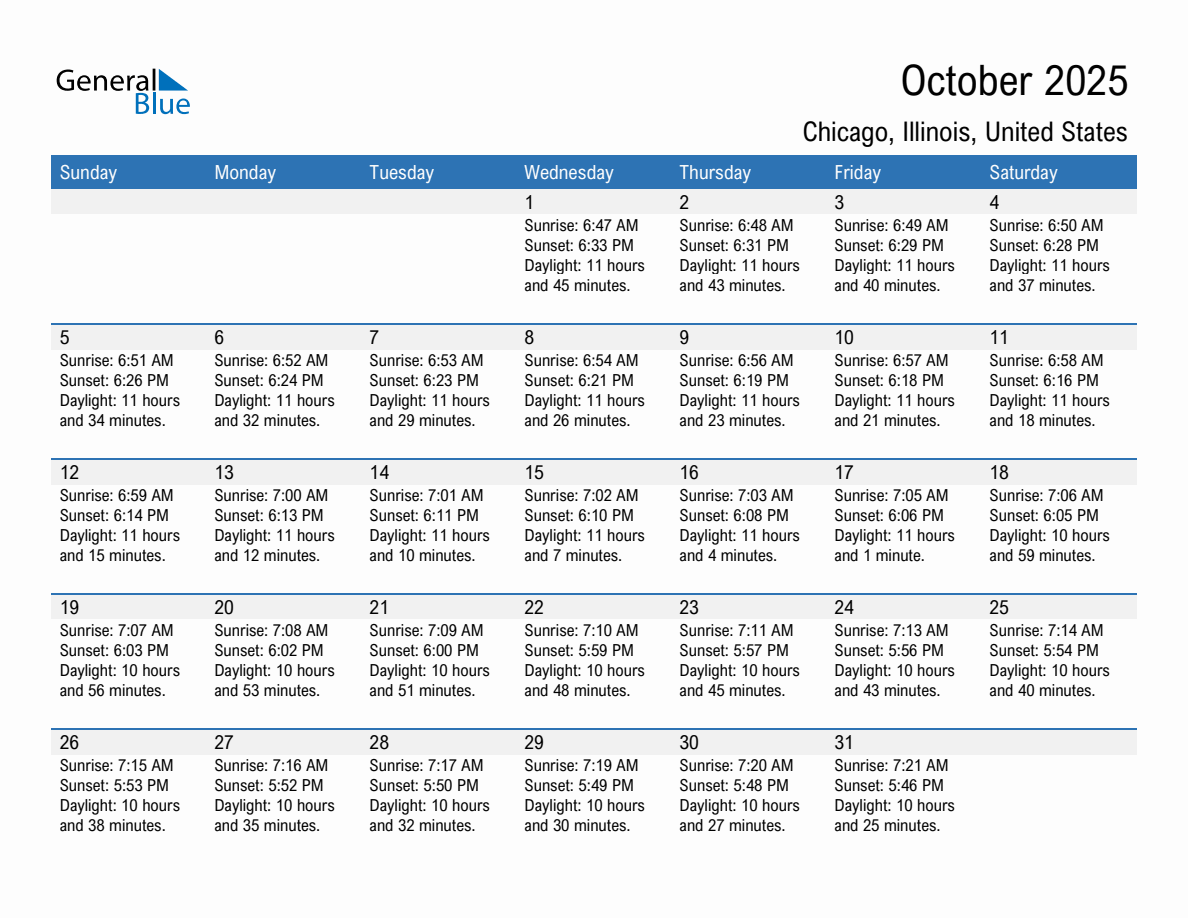
Autumn in Chicago is renowned for its crisp air and vibrant fall foliage, but it also brings a noticeable shortening of daylight hours. In September, sunset still lingers around 7:00 PM to 7:30 PM. By October, this shifts to approximately 6:00 PM to 6:30 PM, and by November, before the end of daylight saving time, it’s closer to 5:30 PM, dropping to around 4:30 PM after the clocks fall back. This season calls for a slightly different travel strategy. Activities like visits to the Lincoln Park Zoo, exploring vibrant neighborhoods, or enjoying a scenic walk should be scheduled earlier in the day to fully appreciate the natural light. Sunset views from observation decks are particularly stunning with the golden autumn light. After dark, Chicago’s acclaimed theater district and diverse culinary scene become the main draw, offering warm havens from the cooling evening air.
Winter’s Early Nights
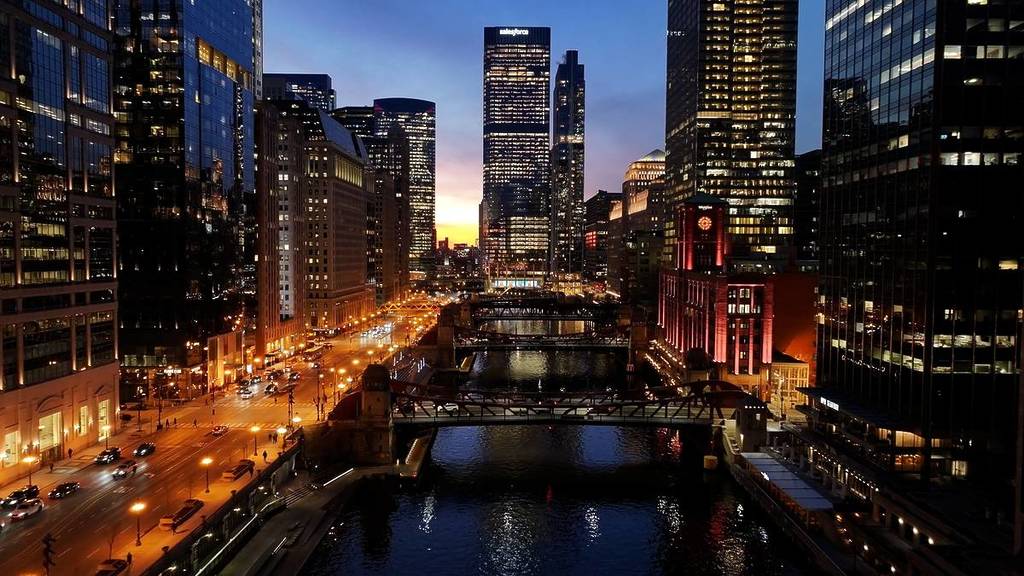
Winter brings the earliest sunsets to Chicago, with darkness often descending between 4:20 PM and 5:00 PM from December through February. This period, while characterized by shorter days and colder temperatures, offers a unique charm. The city transforms into a festive wonderland, especially during the holidays, with dazzling light displays. Travelers should plan their outdoor excursions, such as visiting ice skating rinks or holiday markets, for earlier in the day. The early onset of night also means more time to enjoy Chicago’s world-class museums like the Art Institute of Chicago or the Field Museum, and its thriving indoor entertainment scene. Cozy restaurants, jazz clubs, and Broadway shows become the perfect refuge from the winter chill, ensuring your evenings are filled with warmth and culture.
Maximizing Your Chicago Experience from Dusk Till Dawn
Optimizing your Chicago itinerary requires understanding how to best utilize both daylight and darkness.
Strategic Sightseeing at Sunset
For unparalleled panoramic views, time your visit to iconic observation decks like the Willis Tower Skydeck or 360 Chicago to coincide with sunset. Arriving about an hour before the projected sunset time allows you to experience the city in full daylight, witness the breathtaking transition as the sun dips below the horizon, and then marvel as the urban sprawl ignites with millions of lights. This “golden hour” for photographers and view-seekers offers a dynamic spectacle, making it one of the most popular times to visit these attractions. Booking tickets in advance is highly recommended to avoid long queues, especially during peak seasons.
Evening Activities and Dining
Once darkness falls, Chicago truly comes alive. The city boasts a vibrant nightlife that caters to every taste. The theater district in the Loop offers award-winning productions, while live music venues across neighborhoods like River North and Wicker Park host everything from jazz to indie rock. Dining in Chicago is an experience in itself, with countless Michelin-starred restaurants, casual eateries, and diverse international cuisines. Consider a progressive dinner, hopping between small plates and drinks at various establishments. For a more relaxed evening, take a leisurely stroll along the illuminated Chicago Riverwalk, admiring the lit-up architecture, or seek out a cozy bar for a nightcap.
Photography Tips for Chicago Sunsets
Chicago offers incredible opportunities for sunset and twilight photography. The “golden hour” just before sunset and the “blue hour” immediately after provide soft, flattering light and stunning cityscapes.
- Adler Planetarium Grounds: Offers an iconic view of the Chicago skyline silhouetted against the setting sun and sparkling across Lake Michigan.
- North Avenue Beach: Provides a beautiful perspective of the city’s northern skyline reflecting the evening glow.
- Chicago Riverwalk: Ideal for capturing the interplay of light on the river and the architectural masterpieces.
- Observation Decks: As mentioned, they offer elevated perspectives that are hard to beat.
Bring a tripod for stability during low-light conditions and experiment with longer exposures to capture the trails of car lights or the serene glow of the city.
Practical Considerations for Travelers
Beyond planning activities, being aware of sunset times has practical implications for your safety and convenience.
- Safety: While Chicago is generally safe for tourists, exercising caution after dark is always wise. Stick to well-lit, populated areas, and be aware of your surroundings, especially if traveling alone.
- Transportation: Chicago’s public transportation system, operated by the CTA, runs extensively into the night. However, schedules can be less frequent after certain hours. Familiarize yourself with train and bus routes and their operating times, particularly if you plan to stay out late. Ride-sharing services are also readily available.
- Booking in Advance: For popular evening attractions, coveted restaurant reservations, or theater tickets, booking well in advance is essential, especially during peak tourist seasons (summer and holidays). Many tours and experiences, like specific sunset cruises, have limited capacities and sell out quickly.
Ultimately, knowing when it gets dark in Chicago is a powerful tool for any traveler. It empowers you to craft an itinerary that flows seamlessly from vibrant daylight exploration to captivating evening experiences, ensuring a memorable and fulfilling visit to this magnificent United States destination.
LifeOutOfTheBox is a participant in the Amazon Services LLC Associates Program, an affiliate advertising program designed to provide a means for sites to earn advertising fees by advertising and linking to Amazon.com. Amazon, the Amazon logo, AmazonSupply, and the AmazonSupply logo are trademarks of Amazon.com, Inc. or its affiliates. As an Amazon Associate we earn affiliate commissions from qualifying purchases.