
Embracing the Green Lifestyle in Chicago’s Climate
For those considering a move, an extended stay, or simply wishing to cultivate a deeper connection with the natural world within an urban environment, understanding the local planting zone is fundamental to a thriving green lifestyle. Chicago, a city celebrated for its architectural marvels and vibrant cultural scene, also offers a rich tapestry for gardeners and plant enthusiasts. The specifics of its climate, particularly its USDA Plant Hardiness Zone, dictate what can flourish outdoors, directly influencing the aesthetic and ecological character of both private and public spaces. Integrating this knowledge into one’s lifestyle allows for intentional living, whether through personal gardening, appreciating local flora, or participating in community green initiatives.
Understanding Chicago’s USDA Hardiness Zone
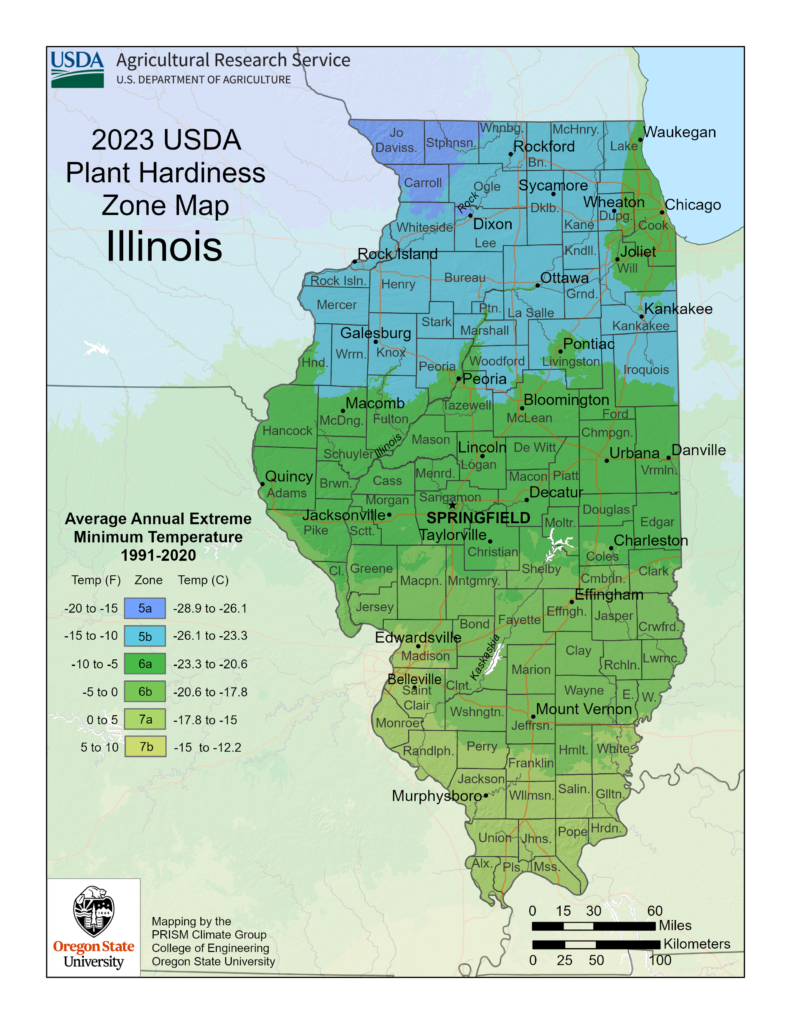
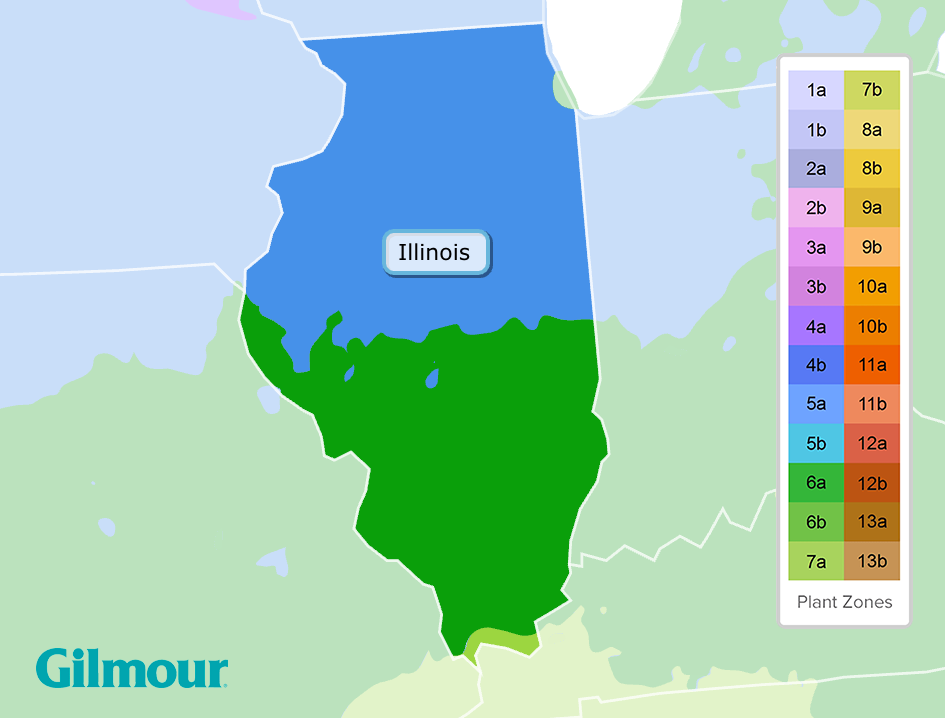
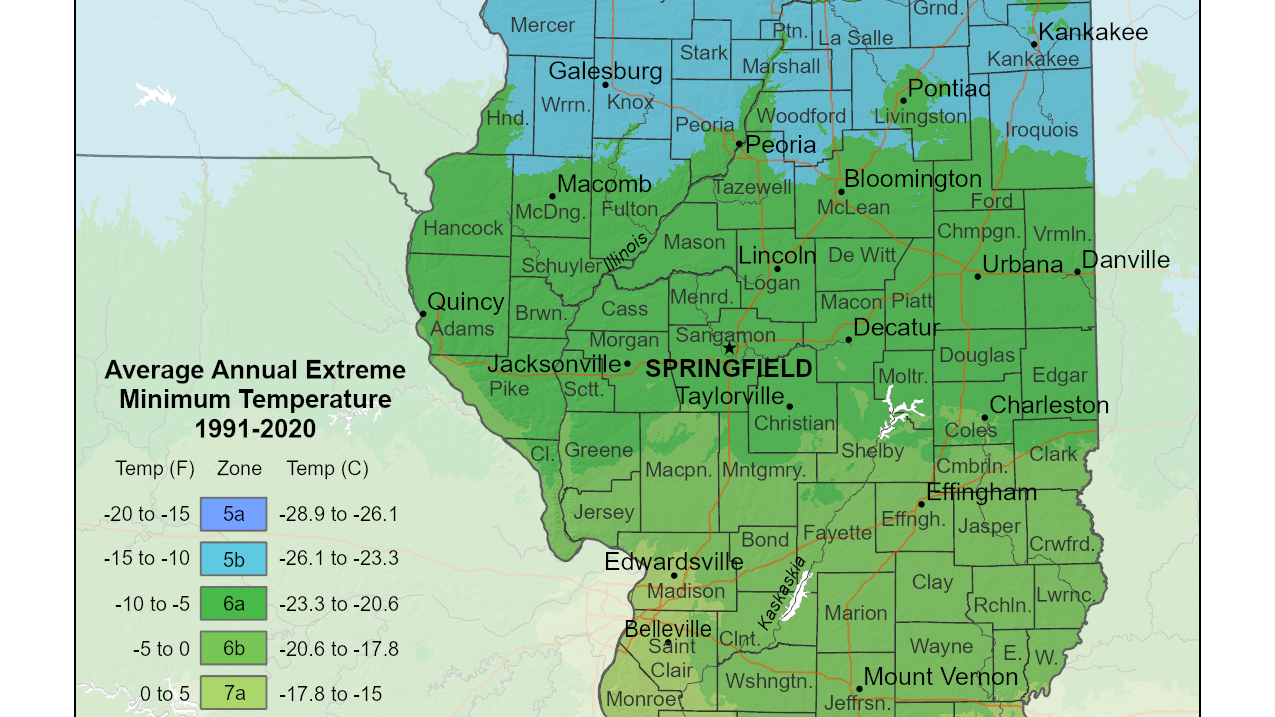
The United States Department of Agriculture (USDA) Plant Hardiness Zone Map is an indispensable tool for gardeners across North America. It divides the continent into zones based on the average annual extreme minimum winter temperature, providing a critical guideline for which perennial plants are most likely to survive the winter in a given location. Historically, Chicago and much of northern Illinois were classified as Zone 5b. This classification signified an average annual extreme minimum temperature range of -15°F to -10°F (-26.1°C to -23.3°C). However, the updated 2023 map, reflecting shifts in climatic patterns, has reclassified parts of Chicago into Zone 6a, with an average annual extreme minimum temperature range of -10°F to -5°F (-23.3°C to -20.6°C). This subtle but significant change means that a broader range of plants, traditionally considered borderline for Chicago’s climate, can now be grown with a higher degree of success. For the lifestyle gardener, this expansion of possibilities opens up new avenues for plant selection, allowing for greater biodiversity in personal gardens and public green spaces alike. This nuanced understanding empowers residents and long-term visitors to make informed choices that align with their horticultural aspirations and contribute to the city’s verdant beauty.
The Impact on Urban Gardening and Home Aesthetics
The hardiness zone designation profoundly impacts the urban gardening lifestyle in Chicago. For homeowners, property developers, and urban planners, this information guides decisions on landscaping, plant selection for roof gardens, balcony planters, and even the choice of trees lining city streets. A Zone 6a classification encourages the planting of slightly less cold-hardy species, leading to more diverse and exotic plant palettes in public and private gardens. This impacts the aesthetic appeal of neighborhoods, potentially increasing property values for homes with well-designed and thriving gardens. For apartment dwellers, understanding the zone informs decisions about container gardening on balconies or patios, allowing for a mini-oasis even in dense urban settings. Beyond aesthetics, the right plant choices contribute to urban ecology, supporting local pollinators and enhancing air quality, vital components of a sustainable urban lifestyle. The shift in hardiness zone offers an exciting opportunity for Chicago to further green its urban fabric, providing more inviting and nature-rich environments for all its inhabitants.
Cultivating Your Chicago Oasis: Plants for Every Palate
The specific hardiness zone is merely the starting point; successful gardening in Chicago also involves understanding microclimates, soil conditions, and sun exposure. For those embracing a gardening lifestyle in the city, the challenge and reward lie in selecting plants that not only survive but thrive, transforming personal spaces into vibrant havens.
Hardy Perennials and Shrubs for Lasting Beauty
Perennials and shrubs form the backbone of any sustainable garden, returning year after year with minimal intervention. In Chicago’s Zone 6a, a wide array of options ensures lasting beauty. Popular choices include:
- Hostas: Renowned for their lush foliage and shade tolerance, perfect for north-facing yards or beneath mature trees.
- Daylilies (Hemerocallis): Exceptionally hardy and available in a spectrum of colors, thriving in full sun to partial shade.
- Coneflowers (Echinacea): Native beauties that attract pollinators and offer striking blooms from summer into fall.
- Sedum (Stonecrop): Drought-tolerant succulents that provide late-season interest and are ideal for rock gardens or sunny borders.
- Hydrangeas: With their spectacular blooms, various species like ‘Endless Summer’ are well-suited for Chicago, requiring some afternoon shade.
- Serviceberry (Amelanchier): A versatile native shrub or small tree offering spring blossoms, edible berries, and vibrant fall color.
- Ninebark (Physocarpus opulifolius): Valued for its unique exfoliating bark and colorful foliage, adding textural interest year-round.
These plants offer a foundation for a garden that not only survives the Chicago winter but also provides consistent visual appeal and ecological benefits throughout the seasons, contributing to a fulfilling gardening lifestyle.
Annuals and Container Gardening for Vibrant Spaces
For bursts of color and seasonal flexibility, annuals and container gardening are integral to the Chicago gardening lifestyle. Annuals complete their life cycle in one growing season, offering endless opportunities to experiment with new colors, textures, and plant combinations each year. Popular choices that thrive in Chicago’s spring and summer include:
- Petunias: Trailing varieties are perfect for hanging baskets and window boxes, offering continuous blooms.
- Impatiens: Ideal for shady spots, providing vibrant color where other plants might struggle.
- Marigolds: Easy to grow, deer-resistant, and available in sunny yellows and oranges.
- Geraniums: Classic container plants, offering robust blooms and a pleasant fragrance.
Container gardening is particularly popular in Chicago’s urban landscape, allowing residents to create movable gardens on patios, balconies, and even front stoops. This method provides control over soil conditions and portability, making it an excellent option for renters or those with limited garden space. It allows for a creative and personalized touch to one’s immediate surroundings, enhancing the urban lifestyle.
Edible Gardens: Sourcing Local and Growing Your Own
An increasing number of Chicago residents are embracing the edible gardening lifestyle, motivated by a desire for fresh, local produce and the satisfaction of growing their own food. The Zone 6a classification, combined with Chicago’s robust summer growing season, makes it feasible to cultivate a variety of fruits, vegetables, and herbs.
- Vegetables: Tomatoes, peppers, lettuce, kale, beans, zucchini, and cucumbers thrive in Chicago’s climate. Early spring offers opportunities for cool-weather crops like peas and spinach, while the warm summer supports heat-loving plants.
- Herbs: Basil, mint, parsley, rosemary, and thyme can be easily grown in containers or garden beds, providing fresh flavors for culinary adventures.
- Fruits: Strawberries, raspberries, and certain varieties of blueberries and apples can also be successfully grown, particularly in well-maintained home gardens or community plots.
Beyond personal consumption, the edible gardening lifestyle fosters a connection to the local food movement. Farmers’ markets throughout Chicago offer an abundance of locally grown produce, and community gardens provide shared spaces for cultivating food and fostering neighborhood bonds.
Public Gardens and Green Spaces: A Lifestyle Feature
Beyond private plots, Chicago’s public gardens and green spaces are integral to the city’s lifestyle, offering residents and visitors alike opportunities for recreation, reflection, and botanical appreciation. These spaces showcase the horticultural possibilities within the Zone 6a climate, inspiring personal gardening endeavors and providing accessible natural beauty.
Iconic Horticultural Destinations
Chicago boasts several world-class horticultural destinations that exemplify the diverse plant life that can thrive in its climate:
- Chicago Botanic Garden: Located just north of the city in Glencoe, this 385-acre living museum features 27 gardens and four natural areas situated on nine islands. It is a premier institution for plant conservation, education, and research, offering year-round beauty and inspiration for serious gardeners and casual visitors.
- Lincoln Park Conservatory: A stunning Victorian-era glass house showcasing exotic plants from around the world, offering a tropical escape during Chicago’s colder months. Its outdoor gardens beautifully complement the surrounding Lincoln Park landscape.
- Garfield Park Conservatory: One of the largest and most impressive conservatories in the United States, offering diverse plant collections under glass. It serves as a vital green lung on the city’s west side, providing horticultural education and serene beauty.
- Lurie Garden at Millennium Park: This award-winning perennial garden exemplifies the “new American garden” style, featuring native Midwestern plants alongside non-native species, designed to be beautiful year-round within the city’s hardiness zone. It’s a testament to sustainable urban landscaping and offers a tranquil respite amidst the bustling city center.
These destinations are more than just attractions; they are cornerstones of Chicago’s green lifestyle, offering educational programs, volunteer opportunities, and simply places to unwind and connect with nature.
Neighborhood Parks and Community Gardens
Beyond the grand institutions, Chicago’s network of neighborhood parks and thriving community gardens are vital to the city’s green lifestyle. Parks like Grant Park, often referred to as “Chicago’s Front Yard,” and Humboldt Park feature extensive flowerbeds, mature trees, and natural areas that reflect the possibilities within the Zone 6a environment.
Community gardens, scattered throughout various neighborhoods, empower residents to cultivate shared plots, fostering a sense of community and providing access to fresh produce and gardening knowledge. These spaces are social hubs where gardening tips are exchanged, friendships blossom, and the shared effort results in bountiful harvests. For those seeking an active, community-oriented lifestyle, participating in a local community garden is an enriching experience that deeply connects them to the rhythms of the city and its green initiatives.
Seasonal Rhythms and Gardening Activities in Chicago
Embracing the gardening lifestyle in Chicago means attuning oneself to the distinct seasonal changes, each bringing its own set of tasks and rewards. From the hopeful planning of spring to the quiet introspection of winter, the gardener’s year is a continuous cycle of activity and anticipation.
Spring Awakening: Planning and Planting
As the Chicago winter recedes, spring ushers in a period of intense activity for gardeners. This is the time for soil preparation, amending beds with compost, and planning the season’s layout. Early spring allows for planting cool-season vegetables like lettuce, spinach, and peas, and for direct sowing of hardy annuals. As the threat of frost diminishes, typically around mid-May, the focus shifts to planting warm-season annuals, tender perennials, and vegetable seedlings. For the lifestyle gardener, spring is a time of renewal, full of optimism and the promise of growth. It’s also an excellent time to visit local nurseries and garden centers, which burst with a vibrant selection of plants suited for Chicago’s Zone 6a.
Summer Bloom: Enjoying the Harvest
Chicago’s summers are glorious, and for the gardener, they are the season of bounty. This is when flowers are in full bloom, offering a riot of color, and vegetable gardens yield their harvests. The summer lifestyle involves regular watering, weeding, and ongoing pest management. For edible gardeners, daily visits to the plot become a ritual, collecting fresh produce for meals. It’s also a prime time for enjoying the fruits of labor, whether relaxing in a beautifully landscaped backyard, hosting outdoor gatherings, or simply savoring the beauty of urban green spaces. Many outdoor festivals and events in Chicago during summer are set against the backdrop of the city’s vibrant gardens.
Autumn Prep: Winterizing Your Garden
As temperatures begin to drop, autumn in Chicago signals a transition phase for the garden. This period focuses on preparing plants for the impending winter. Tasks include harvesting late-season crops, planting spring-flowering bulbs, cutting back perennials (though some prefer to leave them for winter interest), and applying a layer of mulch to protect root systems. It’s also an ideal time for planting trees and shrubs, allowing them to establish roots before the ground freezes. For the lifestyle gardener, autumn is a reflective time, appreciating the season’s final beauty while diligently preparing for dormancy, ensuring the garden’s health for the next cycle.
Winter Respite: Indoor Greenery and Planning
Chicago’s winters, while cold, don’t halt the gardening lifestyle entirely. Many enthusiasts bring their passion indoors, cultivating houseplants, herbs, and even small citrus trees in sunny windows or under grow lights. This period is also perfect for planning the next year’s garden, poring over seed catalogs, attending gardening workshops, and researching new plant varieties that thrive in Zone 6a. The winter respite offers a chance to recharge, learn, and dream of the green abundance that spring will inevitably bring back to the city.
Lifestyle Considerations for Chicago Gardeners
For those deeply committed to a green lifestyle in Chicago, several practical considerations can enhance their gardening journey and integration into the city’s verdant community.
Connecting with Local Gardening Communities
Chicago boasts a vibrant network of gardening clubs, community garden organizations, and horticultural societies. Connecting with these groups provides invaluable local knowledge, mentorship, and a sense of belonging. Organizations like the Chicago Garden Club or local park district gardening programs offer workshops, plant swaps, and guided tours, fostering a collaborative and educational environment. Engaging with these communities enriches the gardening lifestyle by sharing experiences and tackling unique urban gardening challenges together.
Choosing Homes with Garden Potential
For those contemplating purchasing a home or seeking long-term accommodation in Chicago, considering garden potential is a key lifestyle choice. Factors such as yard size, sun exposure, and existing mature trees or shrubs can significantly influence the ability to cultivate a desired garden. Properties with south-facing exposure are highly sought after for sun-loving plants, while those with mature trees offer valuable shade for different plant palettes. Understanding the hardiness zone helps assess the viability of existing landscaping and the potential for new horticultural projects, aligning the home with a desired green living aesthetic.
Sustainable Practices for Urban Environments
A responsible gardening lifestyle in Chicago often involves embracing sustainable practices. This includes composting kitchen scraps, collecting rainwater in rain barrels for irrigation, choosing native plant species that require less water and maintenance, and practicing organic pest control. These methods not only benefit the environment but also integrate the gardener more deeply into the local ecosystem, fostering a sense of stewardship. Public green spaces, like the Lurie Garden in Millennium Park, often serve as models for sustainable urban landscaping, inspiring private gardeners to adopt similar eco-conscious approaches. By aligning gardening practices with environmental awareness, Chicago gardeners contribute to a healthier, greener, and more sustainable urban lifestyle for all.
LifeOutOfTheBox is a participant in the Amazon Services LLC Associates Program, an affiliate advertising program designed to provide a means for sites to earn advertising fees by advertising and linking to Amazon.com. Amazon, the Amazon logo, AmazonSupply, and the AmazonSupply logo are trademarks of Amazon.com, Inc. or its affiliates. As an Amazon Associate we earn affiliate commissions from qualifying purchases.