
Navigating a bustling metropolis like Chicago requires a keen understanding of its rhythms, especially its notorious rush hour. For travelers aiming to maximize their experience and minimize time spent in gridlock or crowded public transit, knowing when and where congestion peaks is invaluable. Chicago’s infrastructure, a blend of historic streets and expansive expressways, along with its comprehensive public transportation system, handles millions of commutes daily. However, during specific periods, the city truly lives up to its “Second City” energy with a flurry of activity that can either enhance your visit or present a challenge. Mastering these peak times allows visitors to move more efficiently, reach attractions without unnecessary delays, and truly immerse themselves in the vibrant pulse of the city.
Understanding Chicago’s Commute Patterns for Seamless Travel
Chicago is a major economic hub, drawing a vast workforce into its downtown core, particularly the Loop, and surrounding business districts. This daily influx and outflow of commuters define the city’s rush hour patterns. Beyond the typical Monday-to-Friday work commute, special events, sports games, and festivals frequently contribute to localized or city-wide congestion, even on weekends. For visitors, a lack of awareness about these patterns can lead to missed reservations, frustrating delays, and a less enjoyable travel experience. Understanding when traffic is heaviest, both on roads and public transport, empowers you to plan your sightseeing, dining, and travel between attractions with strategic precision, ensuring a smoother and more pleasant exploration of the Windy City.
Peak Commute Times: What to Expect
While the exact start and end times can fluctuate based on specific circumstances like weather, holidays, or major events, Chicago’s rush hour generally follows predictable patterns throughout the workweek.
Morning Rush: The Dawn of the Daily Gridlock
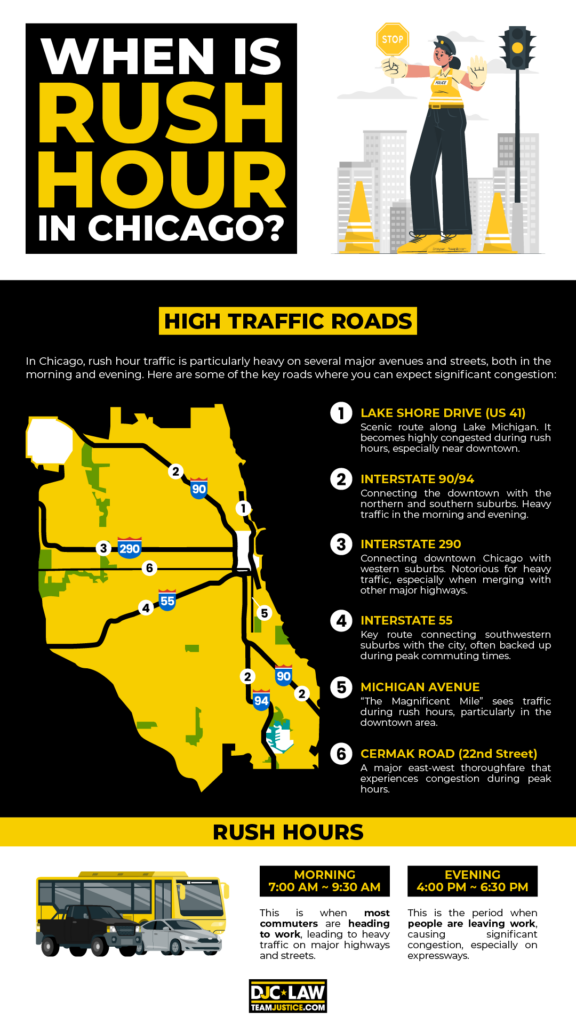
The morning commute typically begins to build around 6:30 AM and intensifies significantly between 7:00 AM and 9:30 AM. During these hours, inbound traffic on major expressways reaching the city center becomes particularly heavy. The Kennedy Expressway (I-90/I-94) from the northwest suburbs, the Dan Ryan Expressway (I-90/I-94) from the south, and the Eisenhower Expressway (I-290) from the west are notorious for significant slowdowns and stop-and-go traffic.
Within the city, the Chicago Transit Authority (CTA) ‘L’ train lines, especially the Blue Line and Red Line, experience their highest ridership. While trains run more frequently during these times, they can be standing-room-only, particularly on routes serving the Loop and other major business districts. CTA buses also face delays due to surface street traffic, making travel times longer than usual. If you’re planning an early morning visit to an attraction or need to catch an outbound train, factor in ample extra time.
Evening Rush: The Homeward Bound Hustle
The evening rush hour tends to be a more prolonged affair, often starting as early as 3:30 PM and lasting until 6:30 PM, sometimes even stretching to 7:00 PM, especially on Fridays. This is when the outbound traffic on the expressways heading into the suburbs becomes heavily congested. Just like the morning, the Kennedy, Dan Ryan, and Eisenhower Expressways are choke points. Lake Shore Drive, while scenic, can also experience significant slowdowns during both morning and evening peaks, particularly around downtown exits.
On the CTA system, trains and buses will again be packed as commuters head home. While still efficient in terms of avoiding road traffic, expect crowded platforms and cabins. For travelers heading to a dinner reservation or an evening show, planning your journey to avoid the densest part of the evening rush (typically between 4:30 PM and 6:00 PM) can save you considerable stress and time.
Weekend and Event-Specific Congestion
While weekends generally lack the traditional work commute rush, Chicago is a city of events, and these can create their own versions of rush hour. Sporting events are a prime example: a Chicago Cubs game at Wrigleyville or a Chicago White Sox game at Guaranteed Rate Field can cause localized traffic jams and packed CTA trains/buses in the hours before and after the event. Similarly, major festivals in Grant Park or Millennium Park, concerts at venues like the United Center, or conventions at McCormick Place can lead to unexpected surges in pedestrian and vehicular traffic. Always check local event calendars when planning weekend activities to anticipate potential delays.
Navigating Chicago During Peak Hours: Strategies for Travelers
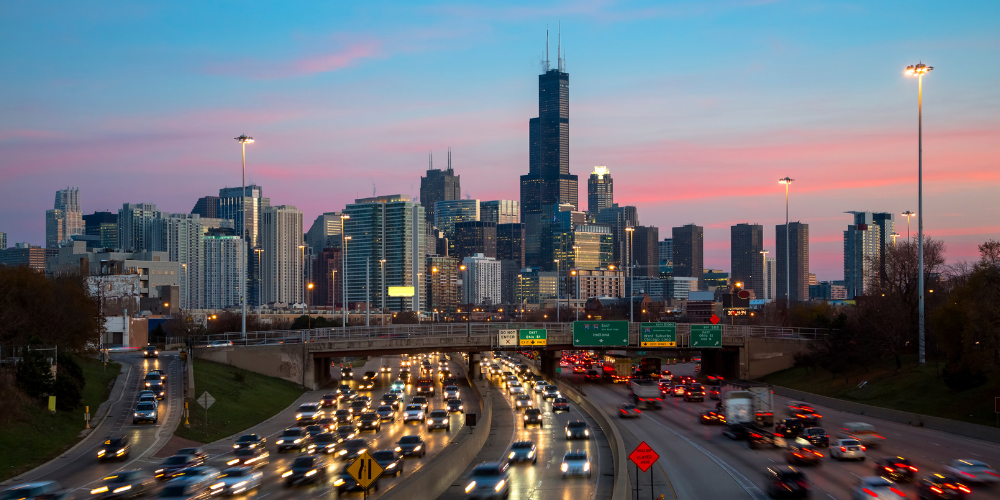
Avoiding Chicago’s rush hour entirely might be unrealistic for a comprehensive visit, but there are numerous strategies to minimize its impact on your travel plans.
Embrace Public Transportation
The CTA system is your best friend during rush hour. Its ‘L’ trains run on elevated and subway tracks, largely bypassing surface street traffic. The Red Line runs 24/7, connecting the North and South Sides, while the Blue Line offers direct service to O’Hare International Airport (ORD) from downtown, and the Orange Line serves Midway International Airport (MDW). Purchasing a Ventra Card for unlimited rides over a set period (1-day, 3-day, 7-day passes are popular for tourists) offers both convenience and cost-effectiveness. While trains can be crowded, they are undeniably faster than driving during peak times. CTA buses fill in gaps where the ‘L’ doesn’t reach, but be prepared for slower journeys during traffic. For trips to the suburbs, the Metra commuter rail is an excellent option, though its schedule is geared towards suburban commuters.
Strategic Car Travel
For most tourists staying within the city limits and planning to visit major attractions, renting a car is often unnecessary and can be a hindrance, especially during rush hour. However, if your itinerary includes destinations outside the immediate urban core or you have specific mobility needs, strategic car travel is key. Utilize navigation apps like Google Maps or Waze, which provide real-time traffic updates and suggest alternate routes. Avoid driving on major expressways during the core rush hours (7:00 AM – 9:30 AM and 4:00 PM – 6:30 PM) whenever possible. Be aware that parking in Chicago can be expensive and difficult to find, particularly downtown. Consider parking outside the immediate congested areas and using public transport for the final leg of your journey.
Walk and Cycle
Chicago’s downtown area, including the Loop, River North, and Streeterville neighborhoods, is incredibly walkable. Many iconic landmarks and attractions are within comfortable walking distance of each other. Embracing walking not only allows you to bypass traffic entirely but also offers an intimate perspective of the city’s stunning architecture and vibrant street life. For longer distances or more scenic routes, Divvy, Chicago’s bike-share program, provides an excellent alternative. The extensive Lakefront Trail is perfect for cycling, offering breathtaking views of Lake Michigan and the city skyline, all while bypassing road traffic.
Optimizing Your Chicago Itinerary
Thoughtful planning around rush hour can significantly enhance your travel experience, allowing you to dedicate more time to enjoyment and less to logistics.
Timing Your Attractions
Plan visits to popular indoor attractions during morning rush hour (7:00 AM – 9:30 AM) when you are already moving against the main flow of commuters, or during the early afternoon lull (1:00 PM – 3:00 PM) before the evening rush begins. Major museums like the Art Institute of Chicago, Shedd Aquarium, and the Field Museum, or observation decks such as Skydeck Willis Tower and 360 Chicago at the John Hancock Center, often have fewer crowds right at opening or later in the afternoon. Schedule travel between distant attractions for mid-day.
Dining and Entertainment Considerations
If you plan to dine out, consider making reservations for early dinners (before 6:00 PM) or later ones (after 7:30 PM) to avoid the peak restaurant crowds that coincide with the evening rush. This also applies to theater shows or concerts; factor in extra travel time if your event starts during or immediately after the evening commute. Exploring neighborhoods like Fulton Market or West Loop for dining requires understanding local traffic patterns.

Airport Transfers
Transferring to or from O’Hare International Airport (ORD) or Midway International Airport (MDW) during rush hour demands careful planning. The CTA Blue Line to O’Hare and the Orange Line to Midway are almost always the most reliable options, providing a fixed travel time irrespective of road conditions. If you opt for a taxi or ride-share service during rush hour, especially for O’Hare due to its distance, be prepared for significantly longer travel times and potentially higher surge pricing. Allow at least 2-3 hours for airport transfers by car during peak commute periods to avoid missing your flight.
By understanding when Chicago’s pulse quickens and applying these simple strategies, you can navigate the city like a seasoned local, ensuring your visit is filled with discovery and enjoyment, not frustration.
LifeOutOfTheBox is a participant in the Amazon Services LLC Associates Program, an affiliate advertising program designed to provide a means for sites to earn advertising fees by advertising and linking to Amazon.com. Amazon, the Amazon logo, AmazonSupply, and the AmazonSupply logo are trademarks of Amazon.com, Inc. or its affiliates. As an Amazon Associate we earn affiliate commissions from qualifying purchases.