
Chicago, the “Windy City,” is a metropolis of architectural marvels, vibrant culture, and world-class dining. Deciding the optimal time to visit this iconic Midwestern city largely depends on your priorities, whether you seek bustling outdoor festivals, serene museum visits, or the festive charm of winter holidays. Each season unveils a distinct facet of Chicago’s character, influencing everything from activity availability to crowd levels and travel costs. Understanding these seasonal nuances is key to planning an unforgettable trip.
Chicago’s Seasons: An Overview
The city experiences four distinct seasons, each bringing its own unique atmosphere and set of opportunities for travelers. The dramatic shifts in weather greatly dictate the rhythm of life and tourism in Chicago.
Summer: Vibrant and Bustling (June – August)
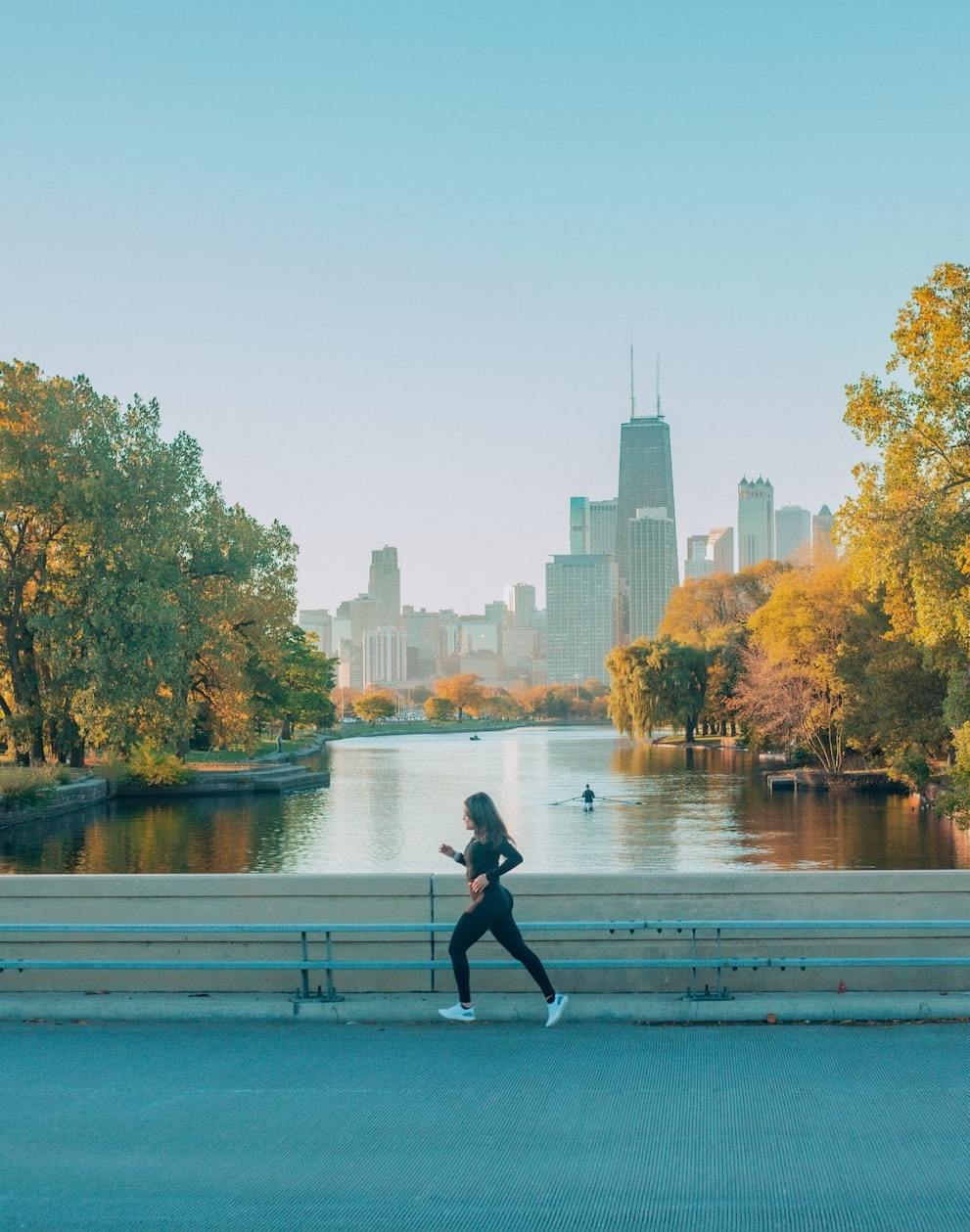
Summer in Chicago is synonymous with energy and activity. The city truly comes alive under the warmth of the sun, with residents and visitors alike flocking to its beautiful lakefront, parks, and numerous outdoor events. Temperatures are warm and often humid, averaging from the high 60s to high 80s Fahrenheit (20-30°C). This is peak tourist season, characterized by a packed calendar of festivals, outdoor concerts, and lively street scenes. While the weather is generally ideal for exploring, expect larger crowds and higher prices for accommodation and flights.
Fall: Scenic and Cultural (September – November)
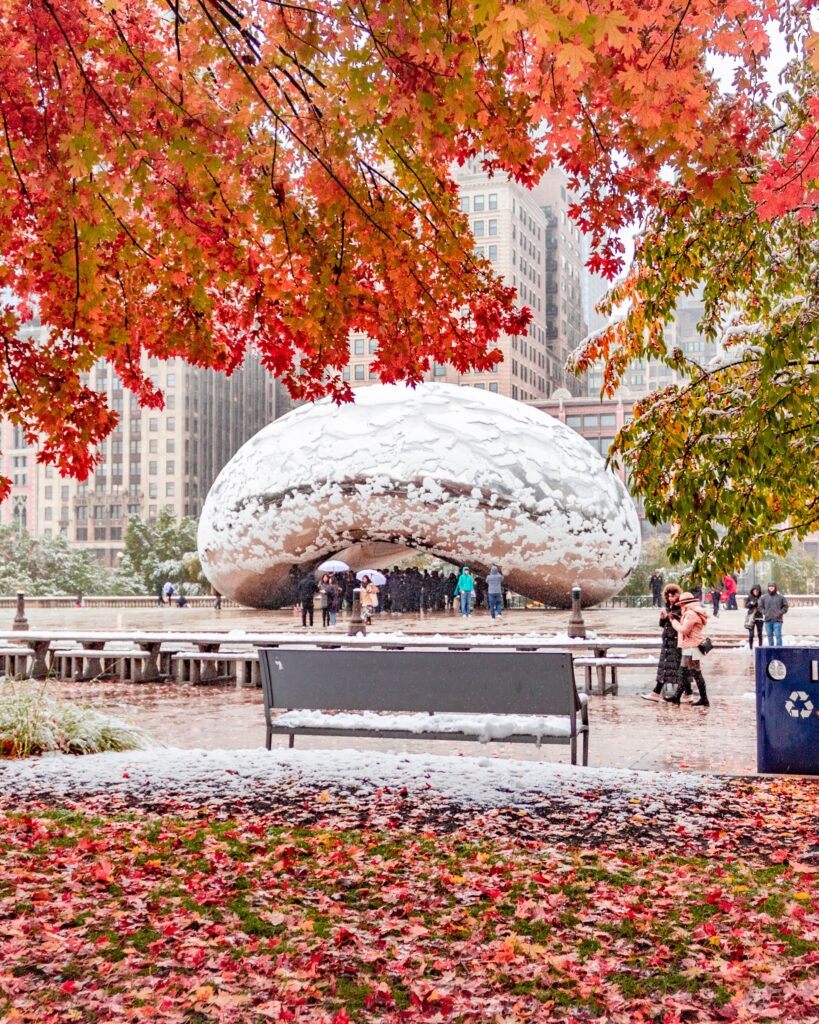
As the summer heat subsides, Chicago transitions into a picturesque autumn. The crisp air and brilliant fall foliage transform the city’s parks and tree-lined streets into a stunning display of reds, oranges, and yellows. Temperatures are pleasantly mild in early fall, ranging from the 50s to 70s Fahrenheit (10-25°C), before gradually cooling down towards winter. This season is often considered a sweet spot for visitors, offering comfortable weather, fewer crowds than summer, and a rich schedule of cultural events, including major marathons and film festivals. It’s an excellent time for architectural boat tours and exploring the city’s renowned culinary scene without the intense summer rush.
Winter: Festive and Cozy (December – February)
Chicago’s winters are known for their cold temperatures, often dropping well below freezing, and significant snowfall. While some might shy away from the chill, winter unveils a magical, festive side of the city. The holiday season brings dazzling light displays, European-inspired markets, and ice-skating rinks. Beyond the holidays, winter offers a chance to experience Chicago’s world-class museums, theaters, and indoor attractions with fewer crowds and generally lower prices. It’s a time for cozy experiences, from sipping hot cocoa in a quaint café to catching a Broadway show in the Loop.
Spring: Reawakening and Renewal (March – May)
Spring in Chicago is a season of transition and renewal. After the long winter, the city slowly thaws and reawakens, with parks and gardens bursting into bloom. Early spring can still be quite chilly and unpredictable, with temperatures varying wildly from the 30s to 50s Fahrenheit (0-15°C). By late spring, however, the weather becomes much milder and more pleasant, making it an ideal time for outdoor activities to resume. While not as crowded as summer, spring sees an increasing number of tourists, especially as major events like St. Patrick’s Day draw crowds. It’s a great shoulder season to visit, offering a balance of good weather and moderate pricing before the summer rush.
Weighing the Pros and Cons by Season
Each season presents a unique set of advantages and disadvantages for travelers. Understanding these can help align your visit with your personal travel style and priorities.
Summer (June-August): Maximize Outdoor Fun
Pros:
- Ideal Weather: Warm temperatures perfect for exploring Lake Michigan beaches, boat tours, and walking tours.
- Festivals Galore: Home to iconic events like Lollapalooza, Taste of Chicago, and numerous neighborhood street festivals.
- Baseball Season: Catch a game at historic Wrigleyville to see the Cubs, or head south to Guaranteed Rate Field for the White Sox.
- Extended Daylight: Longer days allow for more sightseeing and outdoor activities.
Cons:
- Peak Tourist Season: Attractions are crowded, and queues can be long.
- Higher Prices: Flights and accommodation are at their most expensive.
- Humidity: Can be uncomfortably humid at times.
Fall (September-November): The Golden Window
Pros:
- Pleasant Temperatures: Generally mild and comfortable, ideal for walking and outdoor exploration without the summer heat.
- Stunning Foliage: Chicago’s parks and tree-lined streets offer beautiful fall colors, especially in October.
- Fewer Crowds: A noticeable drop in tourist numbers after Labor Day, leading to shorter lines and more relaxed experiences.
- Major Events: Hosts prestigious events such as the Chicago Marathon and the Chicago International Film Festival.
- Culinary Excellence: Excellent time to enjoy Chicago’s renowned dining scene, from fine restaurants to cozy cafes.
Cons:
- Unpredictable Weather: Early fall is glorious, but late fall can quickly turn chilly, wet, or even snowy.
- Shorter Days: Daylight hours begin to decrease.
Winter (December-February): A Chilly Charm
Pros:
- Holiday Magic: The city sparkles with festive decorations, highlighted by the Christkindlmarket and ice skating at Millennium Park beneath the Cloud Gate (The Bean).
- Fewer Crowds & Lower Prices: A significant drop in tourism means shorter lines at major attractions and more affordable travel and accommodation.
- Indoor Attractions: Perfect time to explore world-class museums like the Art Institute of Chicago and the Field Museum, or catch a play.
- Cozy Vibe: Enjoy warm drinks, comfort food, and the unique beauty of a snow-covered city.
Cons:
- Bitter Cold: Temperatures can be severely cold, often accompanied by strong winds.
- Snow and Ice: Travel can be affected by winter weather conditions.
- Limited Outdoor Activities: Many outdoor attractions are closed or less enjoyable.
Spring (March-May): Blooming Possibilities
Pros:
- Warming Weather: Gradual improvement in temperatures, especially in April and May, making outdoor exploration more comfortable.
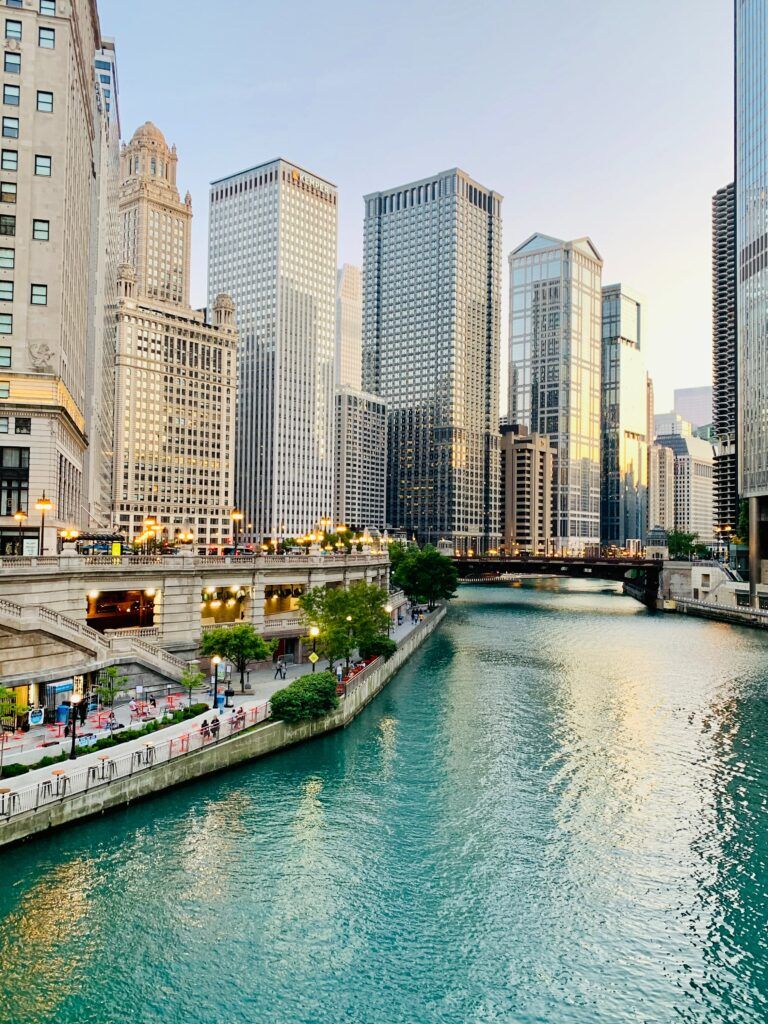
- Blooming Landscapes: Parks and gardens, such as Lincoln Park Zoo and Garfield Park Conservatory, come to life with vibrant flowers.
- Shoulder Season Pricing: Generally more affordable than summer for flights and hotels, especially in early spring.
- Festive Events: St. Patrick’s Day brings the famous dyeing of the Chicago River green, and many outdoor patios and events begin to open.
Cons:
- Variable Weather: Early spring can still be quite cold and rainy, with sudden temperature drops.
- Not All Attractions Open: Some seasonal outdoor attractions might not be fully operational until late May.
Tailoring Your Visit to Your Interests
The “best” time to visit Chicago is highly personal and depends on what you hope to experience.
For Outdoor Enthusiasts & Festival-Goers: Summer is Unbeatable
If your ideal trip involves basking in the sun, enjoying lively music festivals, strolling along the Navy Pier, or relaxing on a beach by Lake Michigan, then summer is your prime window. The city’s parks, particularly Millennium Park and Grant Park, host free concerts and events, making summer a non-stop celebration of outdoor living.
For Culture Buffs & Foodies: Fall Offers Sophistication
Those seeking a deeper dive into Chicago’s rich cultural tapestry and world-class culinary scene will find fall to be exceptionally rewarding. The milder weather is perfect for architectural boat tours, exploring diverse neighborhoods, and indulging in fine dining. With fewer crowds, museum visits and theater experiences in the Loop become more intimate and enjoyable.
For Budget Travelers & Holiday Charm Seekers: Winter Can Be Rewarding
If you’re on a budget or simply adore the magic of the holiday season, winter offers a unique and charming experience. While requiring careful packing for the cold, the festive atmosphere from Thanksgiving through New Year’s is unparalleled. Post-holiday winter offers the lowest prices and the fewest crowds, allowing for unhurried visits to renowned institutions and retail therapy along the Magnificent Mile. It’s also prime season for indoor sports events, such as catching a Chicago Bulls or Blackhawks game.
For Garden Lovers & Moderate Weather: Spring Provides a Gentle Start
If you appreciate botanical beauty and prefer moderate temperatures to extreme heat or cold, spring is an excellent choice. Witnessing the city emerge from winter, with its parks and gardens blooming, is a refreshing experience. It’s also a fantastic time to enjoy the city’s robust brunch scene as outdoor patios begin to open up.
Avoiding Peak Times and Planning Smart
Regardless of your chosen season, smart planning can significantly enhance your Chicago experience.
Shoulder Seasons: The Sweet Spot
For many, the shoulder seasons – late spring (April-May) and early fall (September-October) – offer the best balance. You’ll enjoy generally pleasant weather, fewer crowds than the peak summer months, and more favorable pricing for flights and accommodation. This allows for a more relaxed exploration of the city’s outdoor attractions while still having access to its vibrant cultural calendar.
Weekdays vs. Weekends: Manage Crowds
If your schedule permits, consider visiting during the week. Major attractions, popular restaurants, and even public transport will be less crowded compared to bustling weekends, especially during peak season.
Booking in Advance: Essential for Peak Season
If you must travel during summer or around major holidays, book your flights and accommodation well in advance. Popular hotels and sought-after dining reservations can be scarce and significantly more expensive closer to your travel date. Consider staying slightly outside the immediate downtown area for potentially better rates.
Weather Preparedness: Always a Factor in Chicago
Chicago’s weather can be famously unpredictable. Regardless of the season, it’s always wise to check the forecast close to your departure and pack layers. Even in summer, evenings can be cool, and in spring or fall, a sunny morning can quickly give way to rain or a sudden chill.
In conclusion, while summer offers an undeniably energetic and activity-packed experience, the shoulder seasons of spring and fall often provide the ideal combination of pleasant weather, manageable crowds, and a rich array of cultural activities. Winter, despite its chill, holds a unique festive charm and offers the most budget-friendly options. Your perfect time to visit Chicago truly aligns with your personal preferences and what you envision for your urban adventure.
LifeOutOfTheBox is a participant in the Amazon Services LLC Associates Program, an affiliate advertising program designed to provide a means for sites to earn advertising fees by advertising and linking to Amazon.com. Amazon, the Amazon logo, AmazonSupply, and the AmazonSupply logo are trademarks of Amazon.com, Inc. or its affiliates. As an Amazon Associate we earn affiliate commissions from qualifying purchases.