
The name Chicago evokes images of towering skyscrapers, bustling cultural scenes, and a vibrant urban landscape. Yet, beneath its modern facade lies a deeply rooted history, a tale woven into the very fabric of the land long before steel and glass defined its skyline. The origin of Chicago’s name is not merely a linguistic curiosity but a profound gateway into understanding the city’s foundational landmarks, its natural environment, and the indigenous cultures that first inhabited this pivotal crossroads.
The Indigenous Heart: A River of Wild Aromas
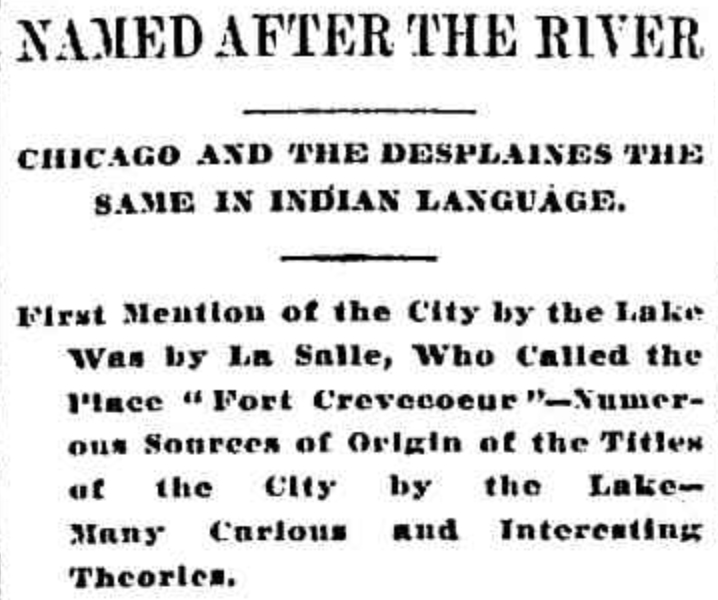
The journey to uncover Chicago’s etymology begins not with European settlers, but with the native peoples who thrived along the shores of Lake Michigan for centuries. The most widely accepted theory attributes the city’s name to a word from the Miami-Illinois language family: shikaakwa.
The Significance of Shikaakwa
Shikaakwa translates roughly to “wild leek,” “wild onion,” or “skunk weed.” This seemingly humble botanical reference points to the abundant presence of a particular plant, Allium tricoccum (wild leeks or ramps), that grew prolifically along the banks of what is now known as the Chicago River. For the indigenous tribes, these wild leeks were a significant food source and a defining characteristic of the landscape. Their strong, pungent odor, akin to garlic or onion, permeated the air, making the area unmistakable. The river itself, and the surrounding marshy lands, became intrinsically linked with this aromatic plant. Thus, the name wasn’t just descriptive of a plant, but of the place defined by its presence—the “place of the wild leek.”
Early European Encounters and Adaptations
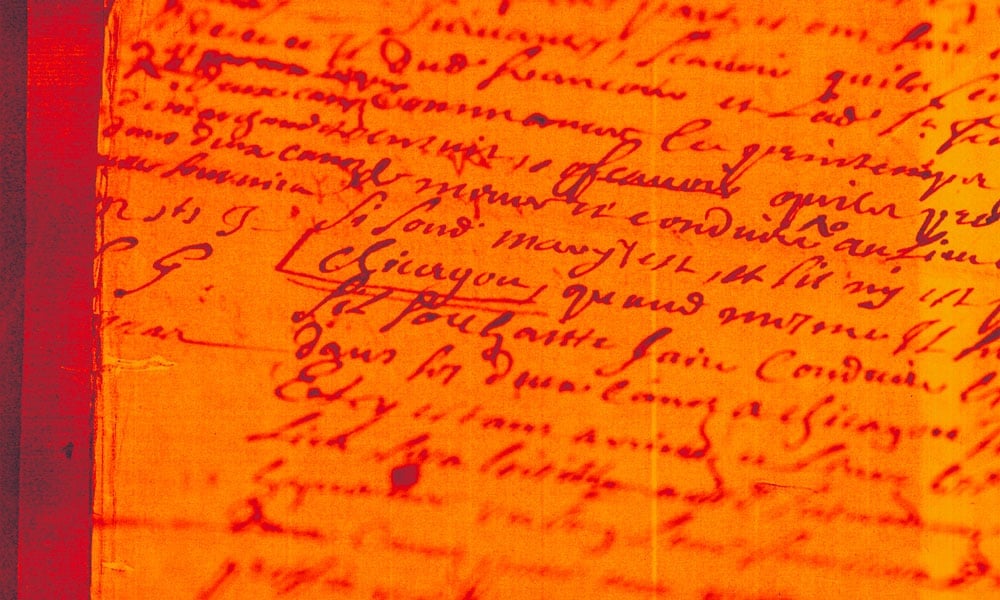
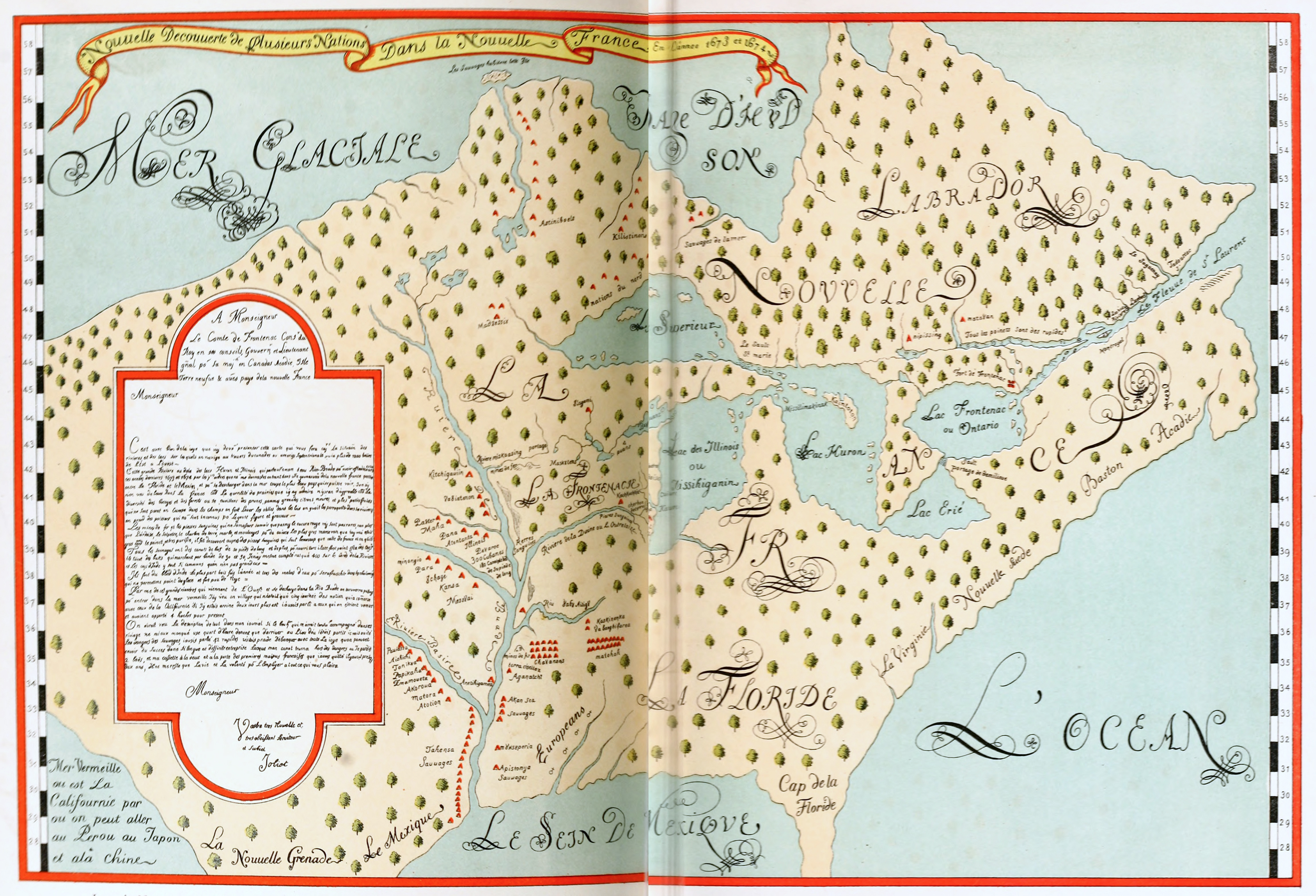
The first Europeans to document the name were the French explorers Louis Jolliet and Jacques Marquette. In 1673, during their exploration of the Mississippi River basin, they navigated a crucial portage route between the Great Lakes and the Mississippi system, which involved the waterway we now call the Chicago River. Their journals and maps made reference to a river and a portage called “Checagou” or “Chicagou.” These spellings were French phonetic approximations of the native shikaakwa, underscoring their reliance on indigenous knowledge and nomenclature for understanding the geography.
These early documentations are invaluable as they pinpoint the Chicago River itself as the initial landmark bearing the name. It was not a settlement or a fort that lent its name to the river, but the river, characterized by its natural bounty, that bestowed its name upon the subsequent developments. This natural waterway, therefore, stands as the original “land-mark” of Chicago, a historical artifact sculpted by nature and named by its first inhabitants.
From Portage to Metropolis: The Name’s Urban Evolution
The geographical significance of the Chicago River—connecting the Great Lakes to the vast Mississippi River system—was not lost on subsequent European traders and settlers. This strategic location ensured that the name “Checagou” or “Chicagou” persisted and eventually became synonymous with the burgeoning settlement.
The Role of the Portage and Fort Dearborn
The portage between the Chicago River and the Des Plaines River was a critical trade route, facilitating the movement of furs and goods between French Canada and the Louisiana Territory. Over time, small trading posts emerged near this confluence. The construction of Fort Dearborn in 1803-1804 by the United States Army marked a pivotal moment. Located at the mouth of the Chicago River on Lake Michigan, the fort was a crucial military and trading outpost. Although the fort itself was destroyed and rebuilt, its location became the nucleus around which the modern city of Chicago would eventually form.
The naming of Fort Dearborn didn’t inherit the “Chicago” moniker; rather, the fort was built in the place known by that name. Yet, the presence of such a significant early landmark solidified the geographical identity of “Chicago” in the Anglo-American consciousness. Maps from the early 19th century consistently refer to the “Chikago” or “Chicago” area, indicating a widespread recognition of the name’s attachment to this specific geographic point.
From Village to Incorporated City
As the 19th century progressed, the small settlement around Fort Dearborn began to grow. In 1833, the Town of Chicago was officially incorporated with a population of just over 350. The chosen name for the municipality was, unsurprisingly, “Chicago,” reflecting the long-established designation of the river and the surrounding area. Just four years later, in 1837, Chicago was granted a city charter. This rapid evolution from a tiny outpost to a booming city underscored the power of its strategic location and the enduring legacy of its original name.
The name, originating from an indigenous description of the land’s flora, had successfully transitioned from identifying a natural landmark (the river and its banks) to identifying a military landmark (Fort Dearborn) and then finally to identifying a burgeoning urban landmark – the city itself. This linguistic continuity across different eras highlights how names, especially for significant places, often carry deep historical resonance, embedding layers of meaning from different civilizations within a single word.
Chicago’s Enduring Identity: More Than Just a Name
The story of Chicago’s name is a compelling narrative that connects the city’s indigenous past to its industrial present. It’s a reminder that even the most monumental of urban landscapes often have their genesis in simple, natural observations. The wild leeks of the Chicago River banks are long gone, replaced by seawalls, walkways, and architectural marvels. Yet, their legacy persists in the city’s very identity.
Echoes in Modern Landmarks
Today, many of Chicago’s most iconic landmarks are directly or indirectly tied to this linguistic and historical foundation. The Chicago Riverwalk, a celebrated pedestrian promenade, allows visitors to stroll along the same waterway that Jolliet and Marquette traversed, albeit now framed by a canyon of skyscrapers. The river itself remains a vital artery, not just for commerce and tourism, but as a living monument to the city’s origins. Although no physical trace of the wild leeks remains, the narrative serves as an invisible layer to the city’s palpable history, inviting deeper appreciation for its continuous evolution.
Even the impressive architecture that defines Chicago’s skyline, from the historic Reliance Building to the modern Willis Tower, stands on land that once hosted these pungent plants. The resilience and adaptability that characterize the city, particularly evident in its rebuilding after the Great Chicago Fire of 1871, mirror the enduring nature of its name. The fire may have destroyed much of the physical city, but the name, steeped in over two centuries of documented usage, remained, carrying with it the spirit of revival and growth.
A Global City with a Historical Echo
Chicago has transcended its humble origins to become a global hub for commerce, culture, and innovation. Yet, the story of shikaakwa offers a poignant connection to its roots. It underscores that understanding a landmark, be it a river, a fort, or an entire city, often requires looking beyond its current physical form to grasp the layers of history, language, and culture that have shaped its identity. The name “Chicago” is more than just a label; it’s a testament to the confluence of nature, indigenous knowledge, and human ambition that transformed a wild, marshy portage into one of the world’s most dynamic urban landmarks. Its story serves as a powerful reminder of how deeply interconnected the names of our places are with the very land they occupy and the diverse peoples who have called them home throughout history. This linguistic landmark forms the bedrock of Illinois‘s most famous city, offering a rich narrative for any explorer of its vibrant past and present.
LifeOutOfTheBox is a participant in the Amazon Services LLC Associates Program, an affiliate advertising program designed to provide a means for sites to earn advertising fees by advertising and linking to Amazon.com. Amazon, the Amazon logo, AmazonSupply, and the AmazonSupply logo are trademarks of Amazon.com, Inc. or its affiliates. As an Amazon Associate we earn affiliate commissions from qualifying purchases.