
Bucktown, a vibrant and distinctive neighborhood nestled on the northwest side of Chicago, stands as a prime example of urban transformation, blending a rich historical past with a cutting-edge contemporary culture. For travelers seeking an authentic Chicago experience beyond the well-trodden tourist paths, Bucktown offers an engaging tapestry of independent boutiques, acclaimed dining establishments, lively arts venues, and charming residential streets. Understanding its exact location and what makes it a unique destination is the first step in unlocking its many treasures.
Pinpointing Bucktown: A Geographic and Cultural Overview
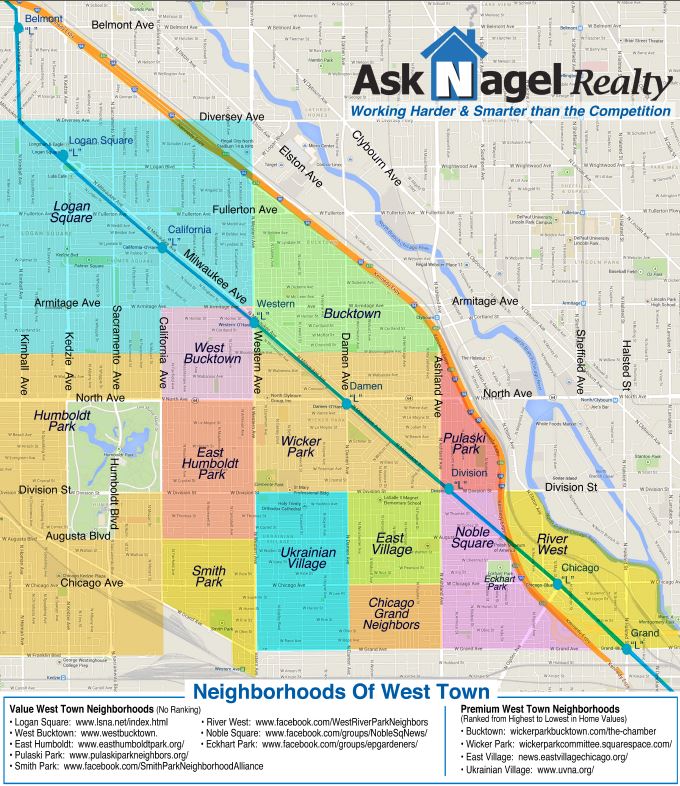
Bucktown’s geographic coordinates place it firmly within Chicago’s eclectic northwest side, serving as a vital artery in the city’s diverse urban landscape. Its location is strategic, bordering several other notable neighborhoods, which collectively contribute to its distinct character and accessibility.
The Northwest Side Gem
Geographically, Bucktown is situated approximately three miles northwest of Chicago’s downtown Loop. It’s identifiable by its unique street grid, which, like much of Chicago, is largely orthogonal, though its precise boundaries can sometimes be fluid in local perception. The neighborhood’s core is centered around the intersection of Damen Avenue, North Avenue, and Milwaukee Avenue, forming a vibrant commercial triangle that acts as a central hub for residents and visitors alike. This area is particularly dense with shops, cafes, and restaurants, giving travelers a clear focal point upon arrival.
Borders and Neighbors
Bucktown shares its borders with several equally compelling Chicago neighborhoods, each influencing its character and offering synergistic travel opportunities. To its south lies Wicker Park, often considered its bohemian sibling, with which Bucktown shares a continuous cultural and commercial corridor along Milwaukee Avenue and Damen Avenue. East of Bucktown is the affluent Lincoln Park neighborhood, known for its namesake park and zoo. To the west and northwest, Bucktown transitions into Logan Square, another rapidly gentrifying area celebrated for its boulevards, vibrant nightlife, and culinary innovation. This proximity to diverse districts allows travelers in Bucktown easy access to a broader spectrum of Chicago experiences.
Getting There
Accessing Bucktown is straightforward, thanks to Chicago’s efficient public transportation system, the CTA. The most convenient way for travelers to reach the neighborhood is via the CTA Blue Line. The Damen station (located at Damen and Milwaukee Avenues) places visitors directly in the heart of Bucktown’s bustling commercial district, while the Western station provides access to its western edge. Numerous CTA bus routes also service the area, including the #50 Damen, #72 North, and #56 Milwaukee buses, offering connections from various parts of the city. For those driving, street parking can be challenging, especially during peak hours, but metered options and occasional residential permit zones are available. Ride-sharing services are also readily accessible throughout the neighborhood.
A Journey Through Bucktown’s Rich History
The story of Bucktown is one of continuous evolution, a fascinating narrative that traces its roots from a humble agricultural outpost to a thriving urban destination. This historical journey deeply enriches the travel experience, providing context for the architecture, community spirit, and unique cultural fabric found today.
From Farmland to Industrial Hub
In its earliest days, what is now Bucktown was primarily farmland, gradually settled by German immigrants in the mid-19th century. The neighborhood truly began to take shape with the arrival of a significant Polish immigrant population following the Civil War. These newcomers, many of whom worked in the nearby meatpacking plants and industrial facilities along the Chicago River, established a vibrant community. The area earned its distinctive name, “Bucktown,” from the Polish word for goat, “kozly,” as many residents kept goats in their yards, a common practice at the time. This period saw the construction of numerous ornate churches, two-flats, and workers’ cottages, many of which still stand and contribute to the neighborhood’s historical charm.
Artistic Revival and Gentrification
By the mid-20th century, like many older industrial areas, Bucktown experienced economic shifts and a period of decline. However, a new chapter began in the 1980s and 1990s as artists and young professionals, drawn by the relatively affordable rents and sturdy, character-filled housing stock, discovered the neighborhood. They transformed industrial lofts into studios and galleries, breathing new life into the area. This influx initiated a significant gentrification process, leading to a boom in independent businesses, cafes, and upscale restaurants. While this evolution brought modern amenities and economic vitality, Bucktown has largely managed to retain its unique, independent spirit, celebrated by both long-time residents and new arrivals, making it an intriguing destination for travelers interested in urban revitalization.
Why Bucktown is a Premier Chicago Travel Destination
Bucktown offers a compelling array of attractions and experiences that set it apart as a must-visit destination within Chicago. It’s a place where sophisticated urban living meets a grounded sense of community, appealing to a wide range of traveler interests.
Eclectic Shopping and Boutiques
One of Bucktown’s undeniable draws is its exceptional retail landscape. Unlike the chain stores found in downtown shopping districts, Bucktown prides itself on an extensive collection of independent boutiques, vintage shops, and specialty stores. Travelers can discover unique fashion pieces from local designers, rare vintage finds, artisanal home goods, quirky gifts, and independent bookstores. Streets like Damen Avenue and Milwaukee Avenue are particularly rich in these establishments, offering a personalized and distinctive shopping experience that reflects the neighborhood’s creative ethos.
A Culinary Hotspot
Bucktown has firmly established itself as a culinary destination, boasting a diverse and high-quality dining scene. From upscale, chef-driven restaurants pushing the boundaries of contemporary cuisine to cozy cafes serving artisanal coffee and pastries, and casual eateries offering global flavors, there’s something to satisfy every palate. The neighborhood is particularly known for its inventive brunch spots, farm-to-table dining, and an array of international cuisines. Exploring Bucktown’s restaurants, bistros, and bars is an essential part of any visit, providing a taste of Chicago’s dynamic food culture.

Vibrant Arts and Culture Scene
The artistic legacy that fueled Bucktown’s revitalization continues to thrive. Travelers will find numerous art galleries showcasing local and national talent, often hosting openings and events. Street art, including murals and graffiti, adds an urban canvas to many of the neighborhood’s brick walls and alleyways. Beyond visual arts, Bucktown is home to several intimate live music venues, theaters, and performance spaces that offer a diverse calendar of entertainment, from jazz and indie rock to comedy shows and experimental theater. This vibrant cultural pulse makes it an engaging destination for those seeking artistic immersion.
Green Spaces and Recreation
Despite its urban setting, Bucktown offers several tranquil green spaces for relaxation and recreation. The most prominent is The 606 Trail, an elevated park and multi-use pathway built on a former railway line. Running directly through Bucktown (and extending into neighboring areas), the 606 provides a unique vantage point of the city, perfect for walking, jogging, or biking. Local parks like Walsh Park and Pulaski Park also offer playgrounds, open fields, and community gathering spots, allowing travelers a chance to unwind amidst nature within the city.
Experiencing Bucktown: Must-Do Activities and Sights
To fully appreciate Bucktown, travelers should engage with its distinct offerings and explore its characteristic avenues.
Strolling Damen Avenue and North Avenue
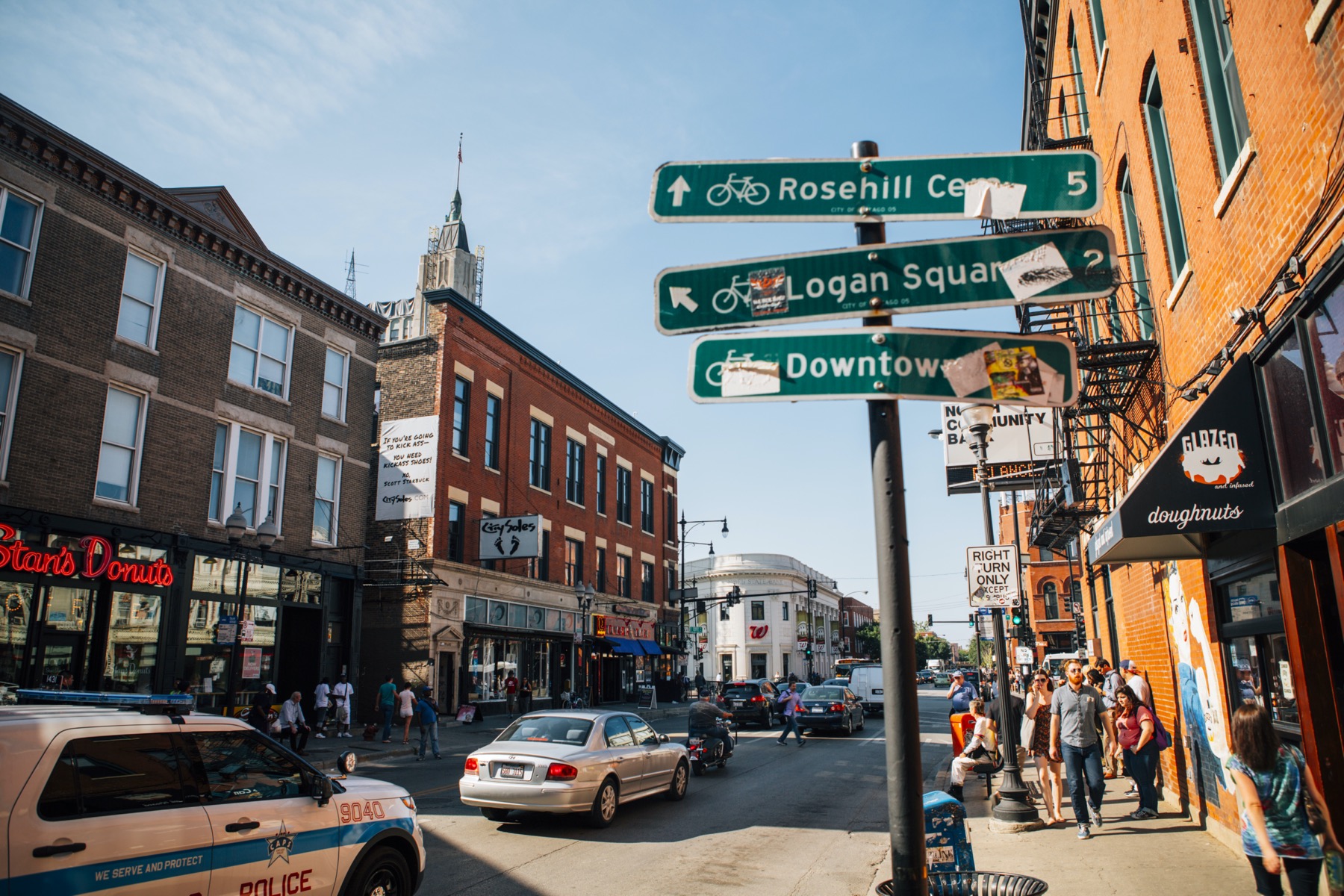
The intersections of Damen Avenue and North Avenue, particularly where they meet Milwaukee Avenue, form the commercial heart of Bucktown. A leisurely stroll along these streets reveals the neighborhood’s architectural diversity, from historic brick buildings to modern storefronts. Here, travelers can pop into art galleries, browse unique boutiques, and choose from an abundance of cafes for a quick coffee break or a casual meal. The energy is palpable, offering a true sense of local life.
Exploring the 606
The 606 Trail is an essential experience for any Bucktown visitor. Accessible via several entrance points within the neighborhood, this elevated park offers unparalleled views of the surrounding urban landscape, residential architecture, and community gardens. Whether walking, running, or cycling, the 606 provides a peaceful yet engaging way to see Bucktown from a different perspective, often adorned with public art installations along its path.
Gallery Hopping and Live Entertainment
For art enthusiasts, dedicates time to visiting Bucktown’s numerous independent art galleries. Many are concentrated around Damen Avenue and Western Avenue, offering diverse collections. In the evenings, seek out a live music performance at a local venue or catch a show at one of the smaller theaters, immersing oneself in Chicago’s renowned arts scene without the downtown crowds.
Indulging in Local Flavors
No visit to Bucktown is complete without a deep dive into its culinary scene. Start the day with brunch at one of its popular eateries, known for creative menus and lively atmospheres. Throughout the day, explore casual lunch spots offering everything from gourmet sandwiches to international street food. In the evening, choose from a range of fine dining establishments or enjoy craft cocktails at a stylish bar. Don’t forget to sample local Chicago classics with a Bucktown twist.
Tips for the Bucktown Visitor
To maximize the travel experience in Bucktown, a few practical considerations can enhance the visit.
Best Time to Visit
Bucktown is a year-round destination, but the warmer months from late spring to early fall (May to October) are particularly pleasant for exploring on foot and enjoying outdoor activities like the 606. During these months, sidewalk cafes are bustling, and the neighborhood often hosts outdoor markets and community events. Winter visits offer a cozy charm, with fewer crowds and the opportunity to experience its indoor attractions.
Navigating the Neighborhood
While the public transportation is excellent, much of Bucktown’s charm is best discovered by walking. The area is relatively flat and pedestrian-friendly, making it easy to wander through its streets and stumble upon hidden gems. Consider renting a bike to explore the 606 Trail and surrounding areas more extensively.
Respecting Local Charm
Bucktown is a residential neighborhood first and foremost. Travelers are encouraged to respect its local character, patronize independent businesses, and immerse themselves in the community’s rhythm. Engaging with local shop owners and residents can provide a deeper, more authentic understanding of this unique Chicago gem, creating a more memorable and enriching travel experience.
LifeOutOfTheBox is a participant in the Amazon Services LLC Associates Program, an affiliate advertising program designed to provide a means for sites to earn advertising fees by advertising and linking to Amazon.com. Amazon, the Amazon logo, AmazonSupply, and the AmazonSupply logo are trademarks of Amazon.com, Inc. or its affiliates. As an Amazon Associate we earn affiliate commissions from qualifying purchases.