
Chinatown Chicago stands as one of the most vibrant and historically rich cultural enclaves in the United States. For travelers planning a visit to the Windy City, understanding its location, how to access it, and what unique experiences it offers is key to unlocking an unforgettable journey. Unlike some sprawling Chinatowns that blend into larger urban landscapes, Chicago’s Chinatown is a distinct and easily navigable destination, offering a profound dive into Chinese culture, cuisine, and community right within the heart of Illinois.
Locating Chicago’s Vibrant Chinatown
Chicago’s Chinatown is strategically positioned southwest of downtown Chicago, making it an accessible and essential stop for any serious traveler. This cultural gem is nestled primarily within the Armour Square community area, a neighborhood that has been the epicenter of Chinese-American life in the city for well over a century.
Geographical Footprint
The heart of Chinatown Chicago is delineated by its main thoroughfares: Wentworth Avenue to the east, which serves as the traditional spine, and Archer Avenue to the west, where much of the newer development and Chinatown Square plaza are located. Its boundaries are roughly defined by Cermak Road to the north and the Chicago River to the west and south. This distinct geographical footprint creates a compact yet expansive area ripe for exploration, from its ornate gate entrances to its riverside parks.
The neighborhood is remarkably self-contained, with its own unique architectural style, distinct signage, and a palpable energy that immediately transports visitors. While it’s geographically close to downtown attractions, Chinatown maintains a strong sense of cultural identity, making it feel like a world apart.
Getting There: Public Transportation and Driving
One of the most appealing aspects of Chinatown Chicago for travelers is its exceptional accessibility via various modes of transport.
Public Transportation: The most recommended and convenient way to reach Chinatown is via the Chicago Transit Authority (CTA) Red Line.
- CTA Red Line: The Cermak-Chinatown station is located directly on Wentworth Avenue, placing you right at the northern entrance of the historic district. From downtown Chicago, the ride is typically just a few stops and takes less than 15 minutes. This makes it incredibly easy to connect from major hotels, tourist attractions along State Street, or transit hubs like Union Station.
- CTA Bus: Several bus routes also serve Chinatown, including the #24 Wentworth bus and the #62 Archer bus. These can be good options for travelers coming from areas not directly on the Red Line or who prefer surface transportation for sightseeing en route.
Driving: For those who prefer to drive, Chinatown is easily accessible from major expressways, including the Dan Ryan Expressway (I-90/94). While parking can be found on the street, it is often limited, especially during peak hours. There are several parking garages and lots, particularly around Chinatown Square and near Ping Tom Memorial Park, which offer more reliable options for visitors. For a hassle-free experience, public transit remains the superior choice for most travelers.
Water Taxi: During warmer months, a unique and scenic option is the Chicago Water Taxi service, which operates routes along the Chicago River. A stop at Ping Tom Memorial Park connects visitors directly to the western edge of Chinatown, offering a picturesque arrival from downtown.
A Journey Through History and Heritage
Chinatown Chicago is more than just a geographic location; it’s a living museum of immigrant history, cultural preservation, and ongoing community development. A visit here is a journey through time, revealing the resilience and vibrant spirit of the Chinese-American population.
From Humble Beginnings to Cultural Hub
The history of Chicago’s Chinatown traces back to the late 19th and early 20th centuries, when Chinese immigrants, primarily from Canton (Guangdong) province, began settling in Chicago. Initially concentrated in the Loop area, the community gradually shifted south to its current location in Armour Square in the 1910s, seeking better living conditions and a unified cultural space. This move was a deliberate act of community building, leading to the establishment of businesses, benevolent associations, and religious institutions that formed the bedrock of the modern Chinatown.
Travelers can delve deeper into this rich past by visiting the Chinese-American Museum of Chicago. This invaluable institution offers insightful exhibits on the experiences of Chinese immigrants in the Midwest, the evolution of Chinatown, and the contributions of Chinese-Americans to Chicago’s diverse tapestry. It provides essential context for appreciating the depth and significance of the neighborhood.
Architectural Wonders and Symbolic Gates
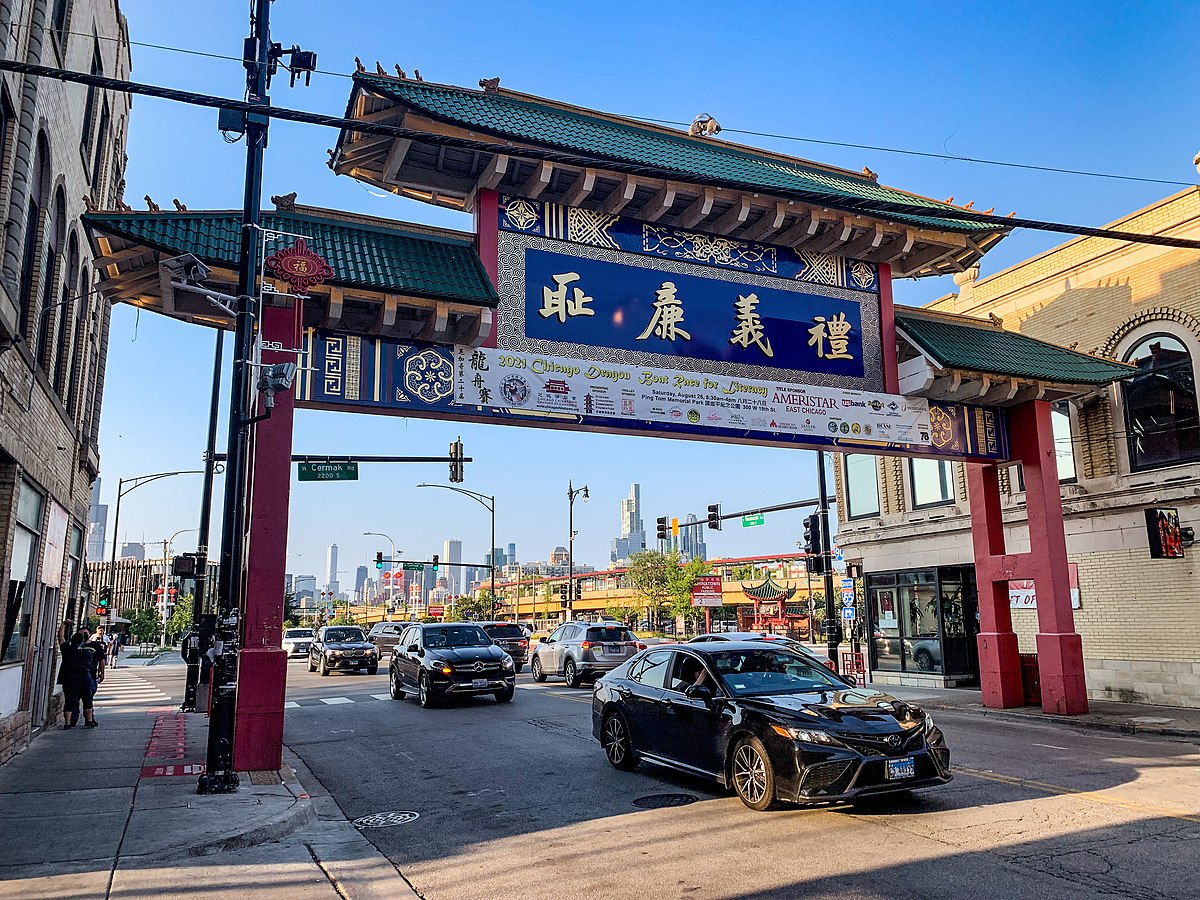
The visual landscape of Chinatown Chicago is a feast for the eyes, characterized by its distinctive architecture and symbolic elements. The most iconic markers are the two grand ceremonial gates. The older, more traditional gate stands proudly at the intersection of Wentworth Avenue and Cermak Road, welcoming visitors with its intricate design and vibrant colors. Further south, the more modern gate at Chinatown Square reflects newer waves of development and cultural integration.
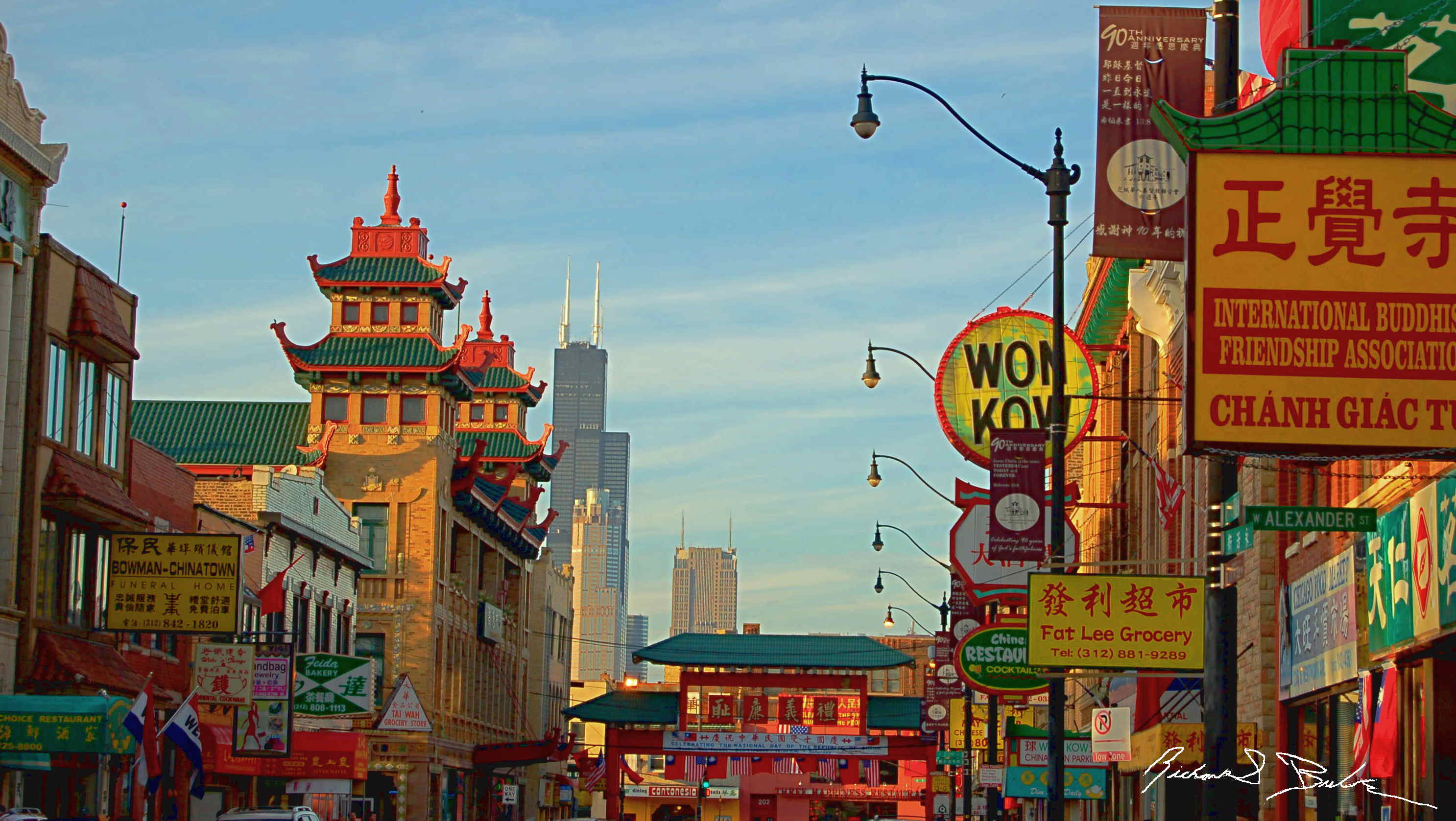
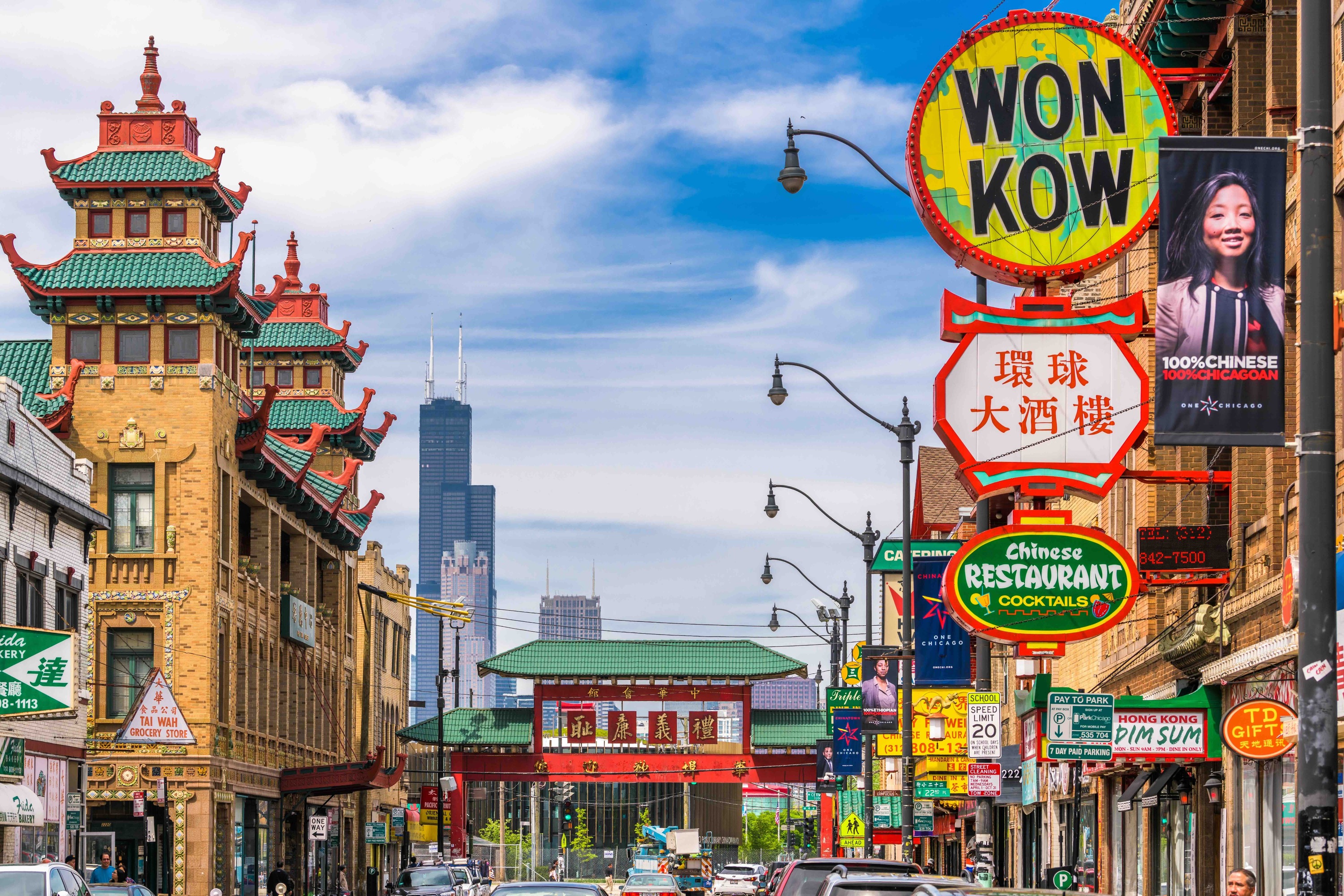
Beyond the gates, travelers will notice the unique storefronts adorned with traditional Chinese characters and motifs. The Nine-Dragon Wall in Chinatown Square, a vibrant mosaic replica of the famous wall in Beijing, is another significant landmark, symbolizing prosperity and good fortune. The Pui Tak Center, with its pagoda-style roof, serves as a community anchor and a testament to traditional Chinese architectural aesthetics. Even the Saint Therese Chinese Catholic Church, while blending Western and Eastern elements, showcases the community’s unique cultural synthesis. These architectural details are not mere decorations but serve as cultural signposts, guiding visitors through the neighborhood’s identity.
Experiencing Chinatown: Attractions and Activities
A trip to Chinatown Chicago is a multi-sensory experience, filled with opportunities to engage with local culture, savor authentic cuisine, and discover unique treasures. It’s a destination where every corner offers a new discovery for the curious traveler.
Culinary Delights: A Gastronomic Adventure
For many visitors, the primary draw of Chinatown is its unparalleled culinary scene. From bustling dim sum parlors to elegant Szechuan restaurants and casual noodle shops, the options are endless. A true travel experience in Chinatown involves sampling as much as possible.
- Dim Sum: Morning and lunchtime are ideal for experiencing dim sum, a traditional Cantonese brunch featuring small, shareable plates of dumplings, buns, and other delicacies. Popular spots often have long lines, a testament to their authenticity and popularity.
- Regional Specialties: Beyond Cantonese cuisine, Chinatown offers a wide array of regional Chinese dishes, including spicy Szechuan hot pot, savory Shanghai soup dumplings, and hearty Northern Chinese noodles. Exploring these diverse flavors is an adventure in itself.
- Bakeries and Bubble Tea: Don’t forget to indulge in sweet treats from Chinese bakeries, offering everything from egg tarts to mooncakes (seasonal). Bubble tea shops are also ubiquitous, providing refreshing and customizable drinks that are perfect for a midday break.
The sheer variety and quality of food make Chinatown a must-visit for any food enthusiast exploring Chicago.
Shopping and Unique Finds
Shopping in Chinatown offers a distinct experience compared to mainstream retail. Travelers can find everything from traditional Chinese herbs and medicines to unique gifts, clothing, and household goods.
- Specialty Stores: Browse through shops selling intricate porcelain, silk garments, traditional artwork, and calligraphy supplies. These stores often provide a glimpse into traditional Chinese craftsmanship.
- Grocery Stores: Exploring one of the large Chinese grocery stores is an attraction in itself, offering an astonishing array of exotic fruits, vegetables, spices, and ingredients not typically found elsewhere. It’s an excellent place for culinary adventurers to pick up unique souvenirs or ingredients.
- Souvenirs: For memorable gifts, look for items like lucky cats, traditional fans, tea sets, or small trinkets that reflect Chinese culture.
Festivals and Community Life
To truly experience the pulse of Chinatown, aligning your visit with one of its vibrant festivals is highly recommended. The community celebrates major holidays with great fanfare, creating an electric atmosphere for travelers.
- Lunar New Year: The most significant celebration is Lunar New Year (Chinese New Year), marked by colorful parades with dragon and lion dances, firecrackers, and special culinary traditions. This is an unparalleled time to witness the community’s joy and cultural pride.
- Moon Festival: The Moon Festival (Mid-Autumn Festival) in the fall is another important event, celebrated with mooncakes, lantern displays, and family gatherings.
- Other Events: Throughout the year, various cultural performances, art exhibitions, and community gatherings take place, offering continuous opportunities to engage with local life. Checking the local community calendar can help travelers plan their visits around these special occasions.
Beyond the Main Drag: Hidden Gems and Local Flavors
While Wentworth Avenue and Chinatown Square form the primary tourist arteries, venturing slightly off the beaten path can reveal even more local charm and unique experiences.
- Ping Tom Memorial Park: Located along the Chicago River on the western edge of Chinatown, this beautifully landscaped park is a tranquil oasis. Designed with traditional Chinese garden elements, it offers stunning views of the city skyline and the river. It’s a perfect spot for a leisurely stroll, picnicking, or simply enjoying the peaceful ambiance after a busy day of sightseeing. During summer, kayak rentals are available, providing a different perspective of the city from the water.
- Residential Streets: Wandering through the quieter residential streets allows travelers to observe the daily life of the community, from local schools to small neighborhood shops that cater primarily to residents. This offers a more intimate glimpse into the authentic fabric of Chinatown beyond its commercial facade.
- Newer Developments: The area around McCormick Place, just east of the traditional Chinatown core, has seen some newer developments, including restaurants and businesses that cater to both locals and convention-goers, expanding the definition of the broader Chinatown area.
Planning Your Visit: Tips for a Seamless Experience
To maximize your travel experience in Chinatown Chicago, consider these practical tips:
- Allocate Ample Time: Chinatown is not a place to rush through. Plan at least half a day, if not more, to truly explore its shops, enjoy a leisurely meal, and soak in the atmosphere.
- Wear Comfortable Shoes: You’ll be doing a lot of walking, especially if you plan to explore both Wentworth Avenue and Chinatown Square, as well as Ping Tom Memorial Park.
- Go Hungry: With so many culinary options, arriving with a good appetite is essential. Consider trying different dishes from a few establishments.
- Cash is King (Sometimes): While most establishments accept credit cards, having some cash on hand can be useful for smaller purchases or street vendors.
- Respect Local Customs: Remember that you are visiting a vibrant cultural neighborhood. Be respectful of local customs, traditions, and the residents.
- Check Event Calendars: Before your visit, check the calendars of local community organizations or the Chinese-American Museum of Chicago for any special events, festivals, or performances that might be taking place. These can significantly enhance your travel experience.
Chinatown Chicago is more than just a dot on the map; it’s a dynamic and welcoming destination offering an authentic slice of Chinese culture in the heart of the Midwest. Its accessibility, historical depth, gastronomic delights, and vibrant community life make it an indispensable stop for any traveler seeking a rich and immersive experience in Chicago.
LifeOutOfTheBox is a participant in the Amazon Services LLC Associates Program, an affiliate advertising program designed to provide a means for sites to earn advertising fees by advertising and linking to Amazon.com. Amazon, the Amazon logo, AmazonSupply, and the AmazonSupply logo are trademarks of Amazon.com, Inc. or its affiliates. As an Amazon Associate we earn affiliate commissions from qualifying purchases.