
Lincoln Park, a monumental green expanse and cultural hub, is undeniably one of Chicago’s most iconic and cherished landmarks. Far more than just a park, it is a sprawling urban oasis that seamlessly blends natural beauty with world-class attractions, rich history, and vibrant community life. Understanding its location, historical significance, and diverse offerings is key to appreciating its status as a premier destination within the Windy City.
A Premier Urban Oasis in the Heart of Chicago
Situated along the glistening shores of Lake Michigan, Lincoln Park occupies a significant stretch of Chicago’s desirable North Side. Its geographical footprint is impressive, extending approximately six miles from North Avenue in the south to Ardmore Avenue in the north, making it one of the largest public parks in the United States. This vast linear park is an indispensable component of Chicago’s famous lakefront, offering unparalleled views of the city skyline and the expansive freshwater sea.

Geographical Footprint and Accessibility
The park’s immense size means it traverses several distinct neighborhoods, including its namesake Lincoln Park neighborhood, Lakeview, and Edgewater. Its eastern boundary is consistently defined by Lake Michigan, while its western edge is generally bordered by Lake Shore Drive, a major north-south thoroughfare. This strategic placement makes it remarkably accessible from virtually any part of the city.
For visitors relying on public transportation, the CTA (Chicago Transit Authority) offers numerous convenient options. Multiple bus routes run along its western border (e.g., Clark Street, Broadway) and cross through the park itself, providing easy access to various attractions. The CTA Brown Line and Purple Line ‘L’ trains have stations within walking distance of the park’s western edge, particularly for those looking to explore the southern and central sections. For instance, the Armitage or Fullerton stops provide excellent access to the zoo and conservatory. Cyclists and pedestrians benefit immensely from the Lakefront Trail, which runs directly through the park, offering miles of scenic pathways ideal for leisurely strolls, jogs, or bike rides. Driving is also an option, though parking can be challenging, particularly during peak seasons and weekends; however, metered street parking and dedicated parking garages are available near key attractions like the Lincoln Park Zoo and North Avenue Beach.
The Historical Tapestry of Lincoln Park
The land now occupied by Lincoln Park holds a history as rich and dynamic as Chicago itself. Its transformation from a burial ground to a beloved public space reflects the city’s growth, resilience, and commitment to civic beautification.
From Cemetery to Civic Treasure
The origins of Lincoln Park trace back to 1843 when a small section of land along Lake Michigan was designated as the City Cemetery. It served as the primary burial ground for Chicago residents, housing thousands of graves, including victims of diseases like cholera. However, as the city expanded rapidly in the mid-19th century, public opinion shifted, advocating for the relocation of cemeteries away from the burgeoning urban core.
The impetus for change gained significant momentum after the devastating Great Chicago Fire of 1871, which, while not directly destroying the cemetery, underscored the need for resilient and functional urban planning. Even before the fire, in 1864, the park was officially named Lincoln Park in honor of recently assassinated President Abraham Lincoln. Over subsequent decades, a massive undertaking began to disinter and relocate graves, a process that continued well into the 20th century, though some graves and monuments remain, serving as poignant reminders of the park’s past. The transformation allowed for the development of the park’s lush landscapes, recreational facilities, and cultural institutions, cementing its role as a vital civic amenity.
Iconic Statues and Monuments
Reflecting its historical depth and cultural significance, Lincoln Park is home to a remarkable collection of statues and monuments, each telling a story of artistry, history, and heroism. These installations are not merely decorative but serve as educational landmarks that connect visitors to the past.
One of the most prominent is the renowned statue “Abraham Lincoln: The Man,” also known as Abraham Lincoln: The Man (or the Standing Lincoln), created by Augustus Saint-Gaudens. Unveiled in 1887, this powerful bronze sculpture depicts a contemplative Abraham Lincoln standing before a stately chair, capturing his thoughtful and resolute character. It is widely considered one of the finest sculptural portrayals of the 16th president.
Another significant equestrian monument is the Ulysses S. Grant Memorial, a grand tribute to the Civil War general and 18th U.S. President. Located near the zoo, this impressive statue, also by Louis Rebisso, depicts Grant atop his horse, a symbol of military might and leadership. Beyond these presidential tributes, the park features other notable figures, including a seated statue of William Shakespeare, honoring the literary giant, and monuments to poets, playwrights, and abolitionists, all contributing to the park’s open-air museum atmosphere. These historical landmarks invite contemplation and provide a deeper understanding of American history and culture amidst the natural beauty of the park.
Diverse Attractions Within the Park’s Expansive Grounds
The sheer breadth of attractions within Lincoln Park is astounding, offering something for every interest, from wildlife enthusiasts and nature lovers to history buffs and active recreationists. This diversity is a cornerstone of its appeal as a multi-faceted landmark.
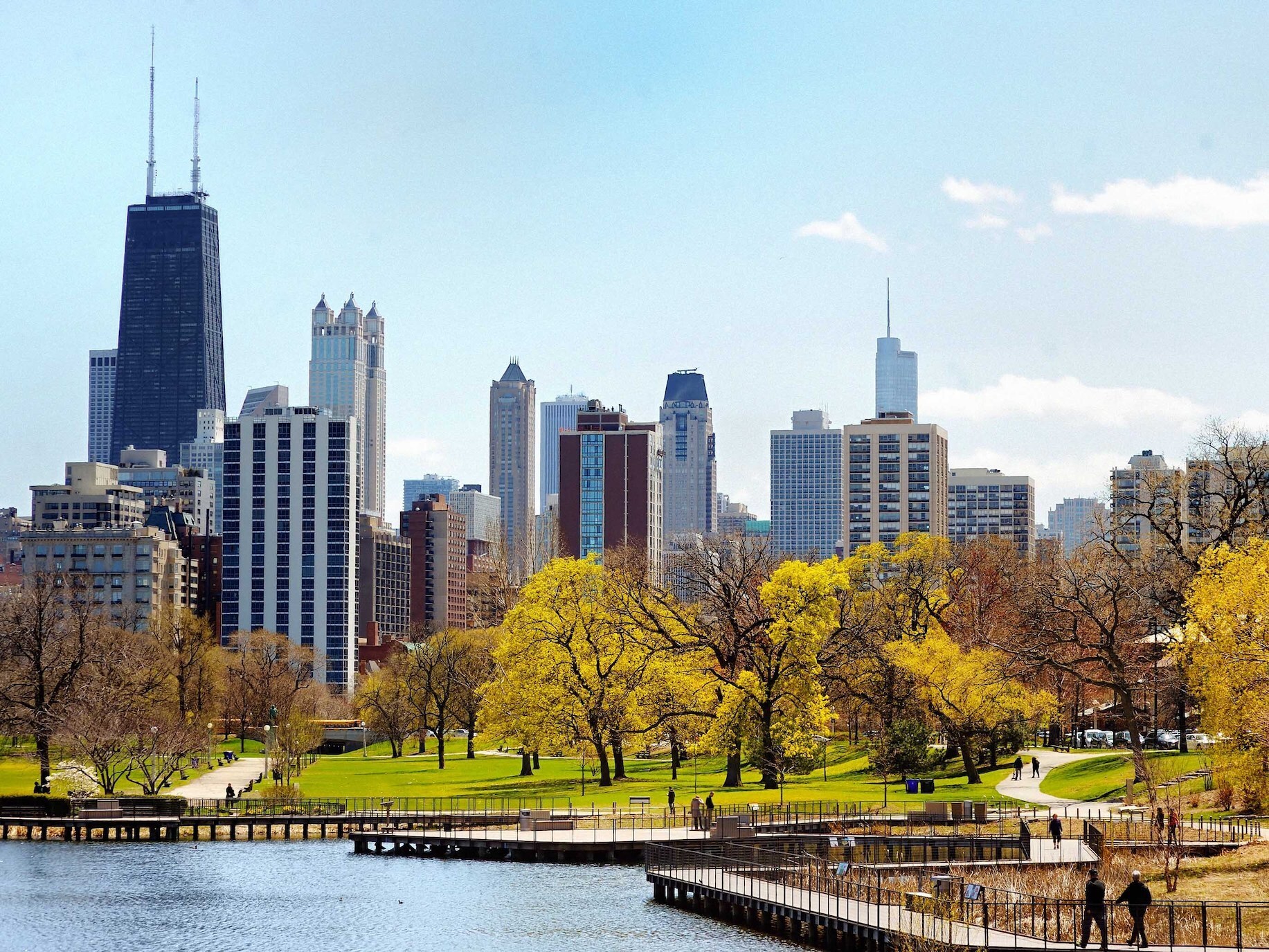
Lincoln Park Zoo: A Free Urban Menagerie
One of the crown jewels of Lincoln Park, and indeed Chicago, is the Lincoln Park Zoo. What sets this institution apart is its status as one of the few remaining free-admission zoos in the United States, making it an accessible and beloved resource for millions of visitors annually. Established in 1868, it is one of the oldest zoos in the country, boasting a rich history intertwined with the park’s development.
The Lincoln Park Zoo is home to a diverse array of animals from around the globe, housed in well-maintained habitats designed to mimic their natural environments. Key exhibits include the Regenstein African Journey, which transports visitors to the savannas and forests of Africa; the Robert and Mayari Pritzker Penguin Cove, offering captivating views of African penguins; and the McCormick Bear Habitat, featuring various bear species. Beyond its impressive animal collection, the zoo is a leader in wildlife conservation, research, and education, actively participating in programs to protect endangered species. Throughout the year, it hosts numerous events, including the popular Lincoln Park ZooLights during the holiday season, transforming the grounds into a dazzling display of festive illumination.
Nature and Recreation
Beyond the structured exhibits of the zoo, Lincoln Park is a verdant haven for nature enthusiasts and those seeking active recreation. Its meticulously maintained landscapes offer respite and opportunities for outdoor enjoyment.
A serene escape within the park is the Alfred Caldwell Lily Pool. Designed in the prairie style by landscape architect Alfred Caldwell in the late 1930s, this tranquil garden is a National Historic Landmark. Its meandering paths, native plants, waterfall, and reflective pool filled with water lilies create a peaceful oasis, a stark contrast to the bustling city just beyond its hedges. It’s a perfect spot for quiet contemplation and photography.
Nearby stands the majestic Lincoln Park Conservatory, a stunning Victorian-era glass house completed in 1895. This architectural gem houses four distinct display rooms: the Palm House, Fern Room, Orchid House, and Show House. Each room presents a unique collection of exotic and native plants, showcasing diverse botanical wonders from tropical palms to rare orchids. The Show House features spectacular seasonal flower shows, transforming with vibrant displays during spring, summer, fall, and winter, making it a year-round attraction.
Along the park’s eastern edge, Chicago’s iconic beaches beckon. North Avenue Beach is particularly popular, known for its vibrant atmosphere, concessions, rental facilities for kayaks and paddleboards, and stunning skyline views. Slightly to the south, Oak Street Beach offers a more relaxed vibe, but still boasts incredible cityscapes and sandy shores. The entire park is interlaced with walking, jogging, and biking trails, lush green lawns perfect for picnics or lounging, and various sports facilities, including tennis courts, baseball fields, and even a golf course.
Cultural and Educational Institutions
Lincoln Park also serves as a nexus for several important cultural and educational institutions, enriching the experience for visitors and residents alike.
The Chicago History Museum, located at the park’s southern end, is the city’s oldest cultural institution dedicated to preserving and interpreting Chicago’s past. Its permanent and rotating exhibits delve into the city’s founding, its role in national history, key events like the Great Chicago Fire, and the diverse communities that have shaped its identity. A visit here offers invaluable context to the urban landscape visitors encounter.
Further north within the park is the Peggy Notebaert Nature Museum, the oldest museum in Chicago, focusing on local ecosystems and environmental education. Known for its lush Judy Istock Butterfly Haven, where hundreds of butterflies flutter freely, the museum offers interactive exhibits for all ages, promoting an understanding of nature and conservation. Its emphasis on the natural world complements the park’s own green initiatives.
Adjacent to the park, the campus of DePaul University contributes to the youthful energy and intellectual vibrancy of the area. Its students and faculty often utilize the park for recreation and study, further blurring the lines between urban academic life and natural retreat.
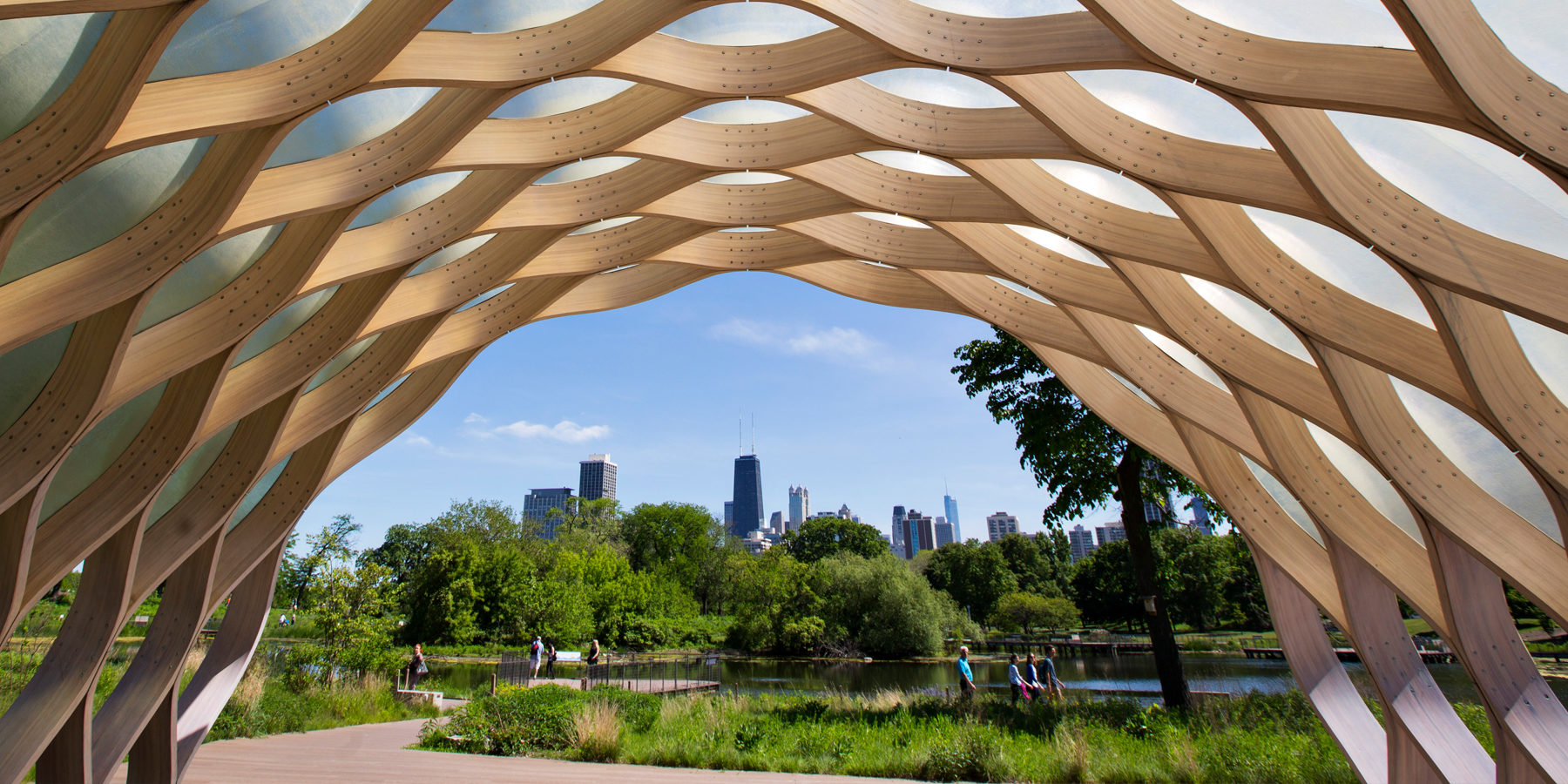
Experiencing Lincoln Park: Tips for Visitors
To fully appreciate the scope and beauty of Lincoln Park, some planning can enhance the experience. The park is a year-round destination, each season offering a distinct charm.
Spring brings blossoming flowers to the Lincoln Park Conservatory and the return of lush greenery. Summer is bustling with beachgoers, outdoor concerts, and vibrant activity, making it ideal for sunbathing and water sports. Fall offers stunning foliage, particularly around the Alfred Caldwell Lily Pool and along the Lakefront Trail, while winter transforms the park into a serene, often snow-covered wonderland, highlighted by the enchanting Lincoln Park ZooLights event.
For a comprehensive visit, consider dedicating a full day. Begin with the Chicago History Museum to ground your visit historically, then move north to the Lincoln Park Zoo and Lincoln Park Conservatory. Afterward, a leisurely stroll along the Lakefront Trail or relaxation at North Avenue Beach can round out the experience. Dining options abound in the surrounding neighborhoods, ranging from casual cafes to upscale restaurants. Public restrooms are available at various points, including within the zoo and near major attractions.
Whether seeking cultural enrichment, natural beauty, historical insights, or simply a place to unwind and enjoy the outdoors, Lincoln Park stands as an unparalleled landmark in Chicago, offering a microcosm of the city’s diverse appeal within its expansive, verdant boundaries.
LifeOutOfTheBox is a participant in the Amazon Services LLC Associates Program, an affiliate advertising program designed to provide a means for sites to earn advertising fees by advertising and linking to Amazon.com. Amazon, the Amazon logo, AmazonSupply, and the AmazonSupply logo are trademarks of Amazon.com, Inc. or its affiliates. As an Amazon Associate we earn affiliate commissions from qualifying purchases.