
Little Village, often referred to by its Spanish moniker “La Villita,” stands as a vibrant and indispensable cultural cornerstone within the sprawling tapestry of Chicago’s diverse neighborhoods. For travelers seeking an authentic and immersive experience beyond the typical tourist circuits of the Loop or Magnificent Mile, understanding its location and character is the first step toward uncovering one of the Midwest‘s most significant Mexican American communities. This district is not merely a residential area; it is a destination in itself, brimming with history, commerce, and a deeply rooted sense of identity that defines its unique appeal.
Strategically situated southwest of Chicago’s bustling downtown, Little Village offers a fascinating contrast to the city’s gleaming skyscrapers, providing a rich, textured experience that speaks volumes about Chicago’s multicultural soul. Its accessibility and distinct atmosphere make it a compelling stop on any comprehensive travel itinerary for those looking to delve into the genuine spirit of the city’s diverse ethnic enclaves.
Locating Little Village: A Geographic Overview
Understanding the exact geographical placement of Little Village is crucial for any traveler planning a visit. This dynamic community is nestled within the larger South Lawndale community area, a designated district on Chicago’s official map. It’s located in the western part of Chicago, roughly six to eight miles southwest of the city center, making it a relatively short journey from most downtown hotels and attractions.
The Chicago Grid and Its Neighborhoods
Chicago’s urban planning famously relies on a grid system, which makes navigation relatively straightforward once you grasp the basics. Streets run either north-south or east-west, with State Street serving as the primary north-south baseline and Madison Street as the primary east-west baseline for street numbering. Little Village is predominantly situated in the area corresponding to the 2200 to 4200 blocks south and 2000 to 4000 blocks west, although its cultural influence extends beyond these precise numerical boundaries.
This grid layout is particularly helpful for visitors, as it allows for predictable travel planning and easy identification of major thoroughfares that lead directly into the heart of the neighborhood. The clear organization of streets also assists in recognizing adjacent neighborhoods, providing a sense of geographical context within the wider city.
Key Boundaries and Surrounding Areas
Little Village is bordered by distinct geographical and infrastructural markers that define its shape and proximity to other areas of interest. To the north, its boundary is generally marked by the Chicago Burlington and Quincy Railroad tracks, which separate it from the Lawndale neighborhood. To the east, Western Avenue often serves as a primary marker, though some consider its cultural reach to extend slightly beyond this. The southern boundary is typically defined by Cermak Road or the Illinois and Michigan Canal, while Cicero Avenue delineates its western edge.
These boundaries place Little Village in close proximity to other significant Chicago neighborhoods, such as Pilsen to the east, another historically significant Latino community, and Marshall Square to the north. This geographical relationship makes it possible for more adventurous travelers to explore multiple culturally rich districts within a single trip, experiencing the interconnectedness of Chicago’s ethnic mosaic. The neighborhood’s location within Cook County ensures it operates under standard Central Standard Time and follows typical urban infrastructure.
A Journey to the Heart of Mexican Culture
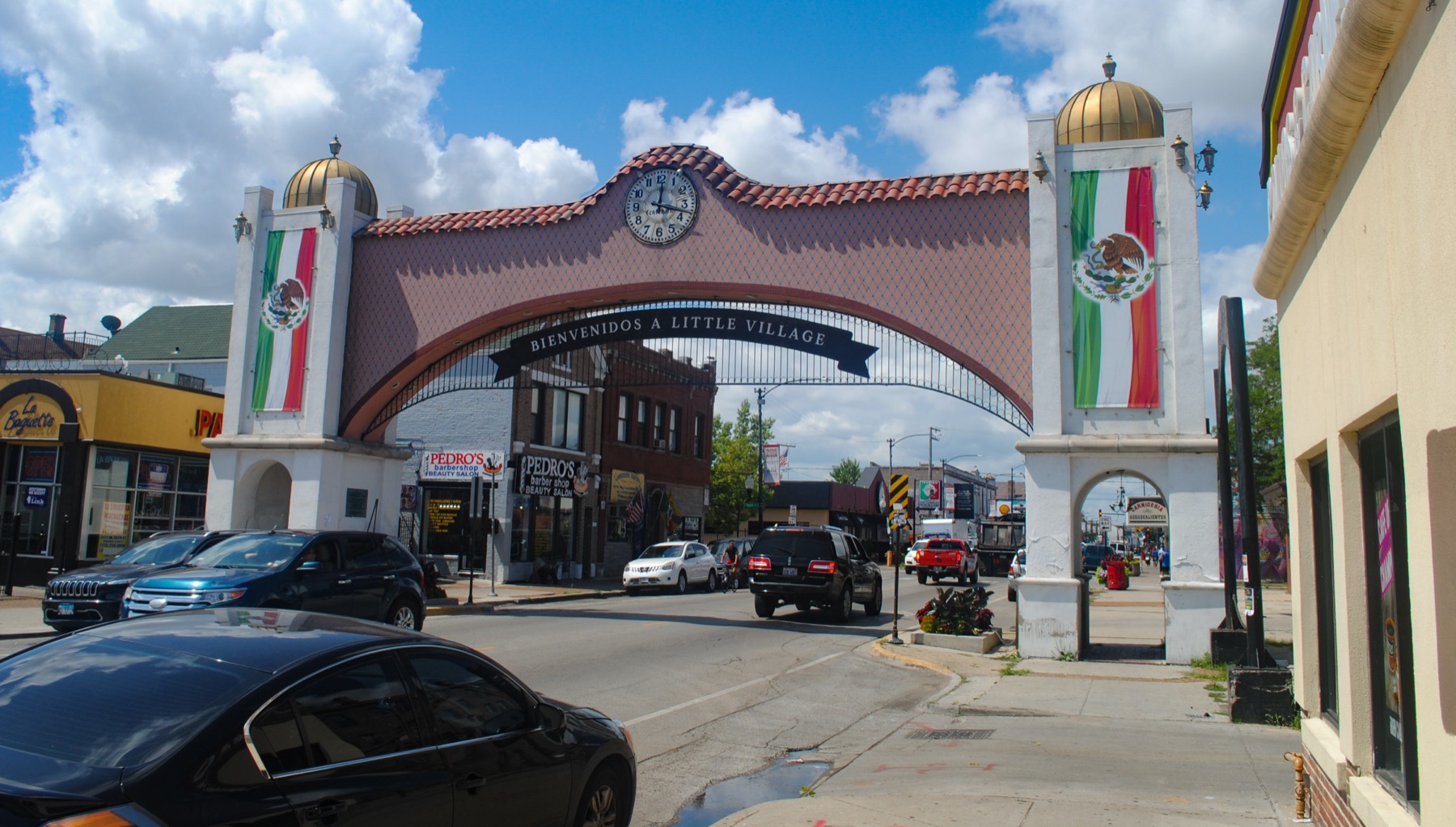
Visiting Little Village is more than just traversing geographic coordinates; it’s an immersion into a vibrant cultural landscape. The neighborhood serves as a symbolic entry point to Mexican heritage within Chicago, famously marked by its iconic welcome arch.
Accessibility and Transportation
Reaching Little Village from other parts of Chicago is relatively straightforward, thanks to the city’s extensive public transportation network.
- CTA Pink Line: The most convenient public transit option is the CTA Pink Line train. Stations like Central Park, Kedzie, and Pulaski provide direct access to the northern edge of Little Village, placing visitors just steps away from its main commercial thoroughfares, particularly 26th Street.
- CTA Bus Service: Numerous CTA Bus Service routes crisscross the neighborhood, offering excellent connectivity. Key routes include the #60 Blue Island/26th bus, which runs directly along 26th Street, and buses along major arteries like Kedzie Avenue, Pulaski Road, California Avenue, and Western Avenue.
- Driving and Parking: For those who prefer to drive, Little Village is accessible via major city streets such as Ogden Avenue and Western Avenue. While street parking can be challenging, especially during peak hours or festival times, there are often metered spots and some private lots available, though planning ahead is advisable.
- Metra Rail: While not as direct as the CTA Pink Line, the Metra BNSF Line has a stop at Western Avenue that is a walkable distance or a short bus ride from parts of Little Village, offering another option for those coming from the suburbs or further afield within Cook County.
The Iconic Arch and Its Significance
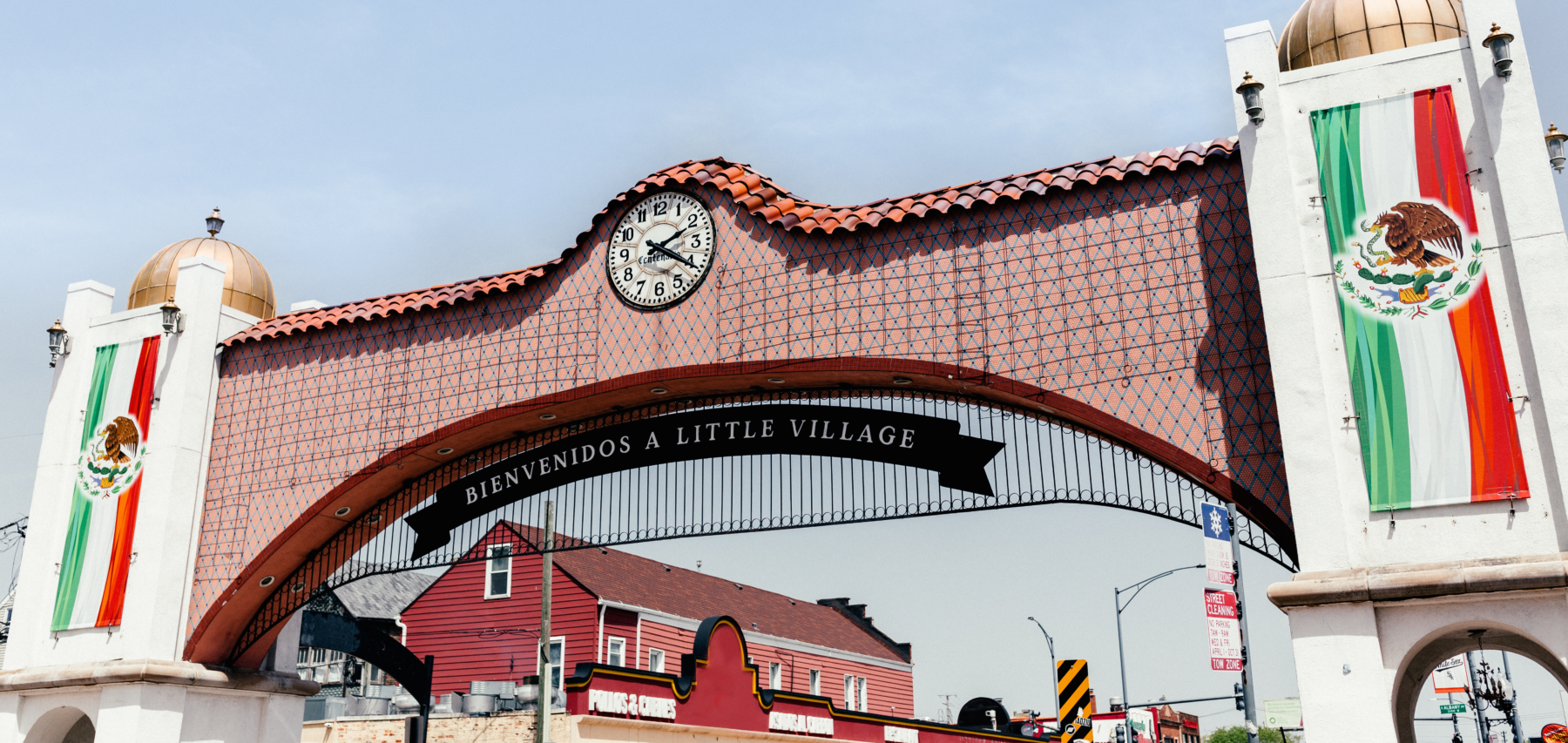
Upon entering Little Village, particularly via 26th Street, travelers are greeted by the magnificent, replica pre-Columbian arch known as “El Arco de la Villita.” This striking architectural feature, constructed in 1990, stands as more than just a gateway; it’s a powerful symbol of identity, pride, and welcome for the Mexican American community and visitors alike.
The arch, adorned with intricate details reminiscent of ancient Mesoamerican design, serves as a visual declaration of the neighborhood’s cultural heart. It immediately signals that one has entered a distinct cultural zone, setting the tone for the vibrant experiences that await. For many, passing under the arch is a symbolic crossing into a different world within Chicago, one where Spanish is widely spoken, Mexican flags fly proudly, and the aromas of authentic cuisine fill the air. It’s a landmark that anchors the neighborhood’s identity and serves as a popular photo opportunity for travelers.

Why Little Village is a Must-Visit Chicago Destination
Beyond its geographical coordinates, Little Village earns its place as a compelling travel destination through its immersive atmosphere, rich offerings, and palpable community spirit. It’s a place where the cultural tapestry of Mexico is woven intricately into the urban fabric of Chicago.
Vibrant Streetscapes and Murals
The streets of Little Village are an attraction in themselves. 26th Street, often dubbed the “Mexican Magnificent Mile,” is the commercial and cultural artery of the neighborhood. Here, storefronts burst with color, displaying everything from traditional quinceañera dresses and cowboy boots to handcrafted jewelry and religious artifacts. The air is often filled with mariachi music drifting from restaurants and the lively chatter of shoppers.
Throughout the neighborhood, travelers will discover a remarkable array of public art, particularly vibrant murals that depict scenes from Mexican history, folklore, and everyday life. These large-scale artworks are not merely decorative; they are narratives painted on walls, telling stories of migration, heritage, resistance, and community resilience. Exploring these murals offers a profound insight into the neighborhood’s soul and provides countless opportunities for reflection and photography, making the district a living outdoor art gallery.
A Hub for Authentic Experiences
Little Village offers a wealth of authentic experiences that are difficult to replicate elsewhere in Chicago. It’s a destination where visitors can genuinely engage with Mexican culture, commerce, and community. The district boasts an incredible density of small businesses, ranging from family-owned bakeries and butcher shops to specialty import stores and bustling mercados. This thriving entrepreneurial spirit makes it a significant economic engine and a fascinating place for travelers interested in local economies.
The culinary scene is a major draw, with countless restaurants serving regional Mexican dishes that go far beyond typical fare. From street food vendors selling esquites and paletas to sit-down establishments offering mole poblano or birria, the gastronomic journey in Little Village is an adventure for the taste buds. Furthermore, the neighborhood is known for its festive spirit, particularly during events like Mexican Independence Day (Fiestas Patrias) in September, when parades and celebrations transform the streets into an even more energetic spectacle. For travelers, these events offer a unique opportunity to witness the community’s joyous expression of heritage.
Planning Your Trip to Little Village
Integrating Little Village into your Chicago itinerary requires a bit of planning to maximize the experience and ensure respectful engagement with the local community.
Best Times to Visit
Little Village is a year-round destination, but certain times offer enhanced experiences. Spring and fall provide pleasant weather for walking and exploring the vibrant streetscapes and murals. Summer brings a palpable energy, with longer daylight hours ideal for outdoor activities, though it can be warm. If possible, consider visiting during significant cultural events such as Mexican Independence Day in September or during celebrations around Día de Muertos in early November. These periods offer a particularly rich and celebratory atmosphere, albeit with potentially larger crowds. Weekdays typically offer a more relaxed pace than bustling weekends.
Navigating the Neighborhood
Once in Little Village, the best way to explore is on foot. The primary commercial strip of 26th Street is highly walkable, with shops, restaurants, and cultural points of interest clustered closely together. Branching off onto side streets can reveal hidden gems and more residential areas with their own unique charm. Public transportation within the neighborhood, primarily CTA Bus Service, is also efficient for covering longer distances or reaching specific attractions. Using rideshare services is another convenient option for door-to-door travel, especially from downtown or other Chicago neighborhoods like Pilsen or Chinatown.
Beyond the Map: The Soul of a Destination
Little Village is more than just a point on a map; it’s a living, breathing testament to the resilience and vibrancy of immigrant communities in America. Its identity as “Mexico 26,” reflecting its deep ties to Mexico and its bustling main street, truly encapsulates its spirit.
Community Spirit and Economic Vitality
What makes Little Village a truly special destination is the undeniable sense of community that permeates every corner. It’s a place where tradition is honored, language is celebrated, and familial bonds run deep. This strong community fabric translates into an incredibly welcoming environment for visitors who approach it with respect and an open mind. The sheer volume of independent businesses thrives not just on local patronage but also on the influx of visitors drawn by its unique offerings. This economic vitality fuels the neighborhood’s ability to maintain its cultural distinctiveness while contributing significantly to Chicago’s broader economy.
In essence, Little Village offers a profound travel experience that combines geographical exploration with deep cultural immersion. It’s a reminder that within every major global city, there are pockets of extraordinary character waiting to be discovered, each telling its own compelling story and offering a unique perspective on the world. From its precise location southwest of downtown to its vibrant streets and the welcoming arch, Little Village stands as an essential destination for anyone seeking to truly understand the spirit of Chicago. It offers a destination that appeals to curiosity about culture, a desire for authentic experiences, and an appreciation for the diverse tapestry that makes up urban life, standing proudly alongside other notable Chicago attractions like the Lincoln Park Zoo, Museum Campus, Millennium Park, or the Willis Tower.
LifeOutOfTheBox is a participant in the Amazon Services LLC Associates Program, an affiliate advertising program designed to provide a means for sites to earn advertising fees by advertising and linking to Amazon.com. Amazon, the Amazon logo, AmazonSupply, and the AmazonSupply logo are trademarks of Amazon.com, Inc. or its affiliates. As an Amazon Associate we earn affiliate commissions from qualifying purchases.