
Navigating Chicago O’Hare International Airport’s Strategic Location
O’Hare International Airport (ORD) is one of the world’s busiest airports and a vital gateway for travelers heading to Chicago and the broader Midwest region. Understanding its precise location and how it integrates with the city’s infrastructure is crucial for any itinerary. O’Hare is strategically situated approximately 17 miles northwest of Chicago’s downtown Loop. While often associated directly with the city, the airport actually lies across portions of several adjacent suburbs, including Des Plaines, Park Ridge, and Rosemont, within Cook County, Illinois. Its placement allows for relatively efficient access to both the urban core and the expansive suburban landscape, serving a vast demographic of business and leisure travelers. This distance translates to travel times that can vary significantly based on traffic conditions and the chosen mode of transportation, typically ranging from 30 minutes to over an hour to reach Downtown Chicago. Its sheer size and operational capacity underscore its importance, handling millions of passengers annually and connecting them to destinations worldwide. For travelers, knowing its exact location isn’t just about geography; it’s about planning ground transportation, estimating travel times, and understanding the surrounding amenities that can enhance their travel experience.
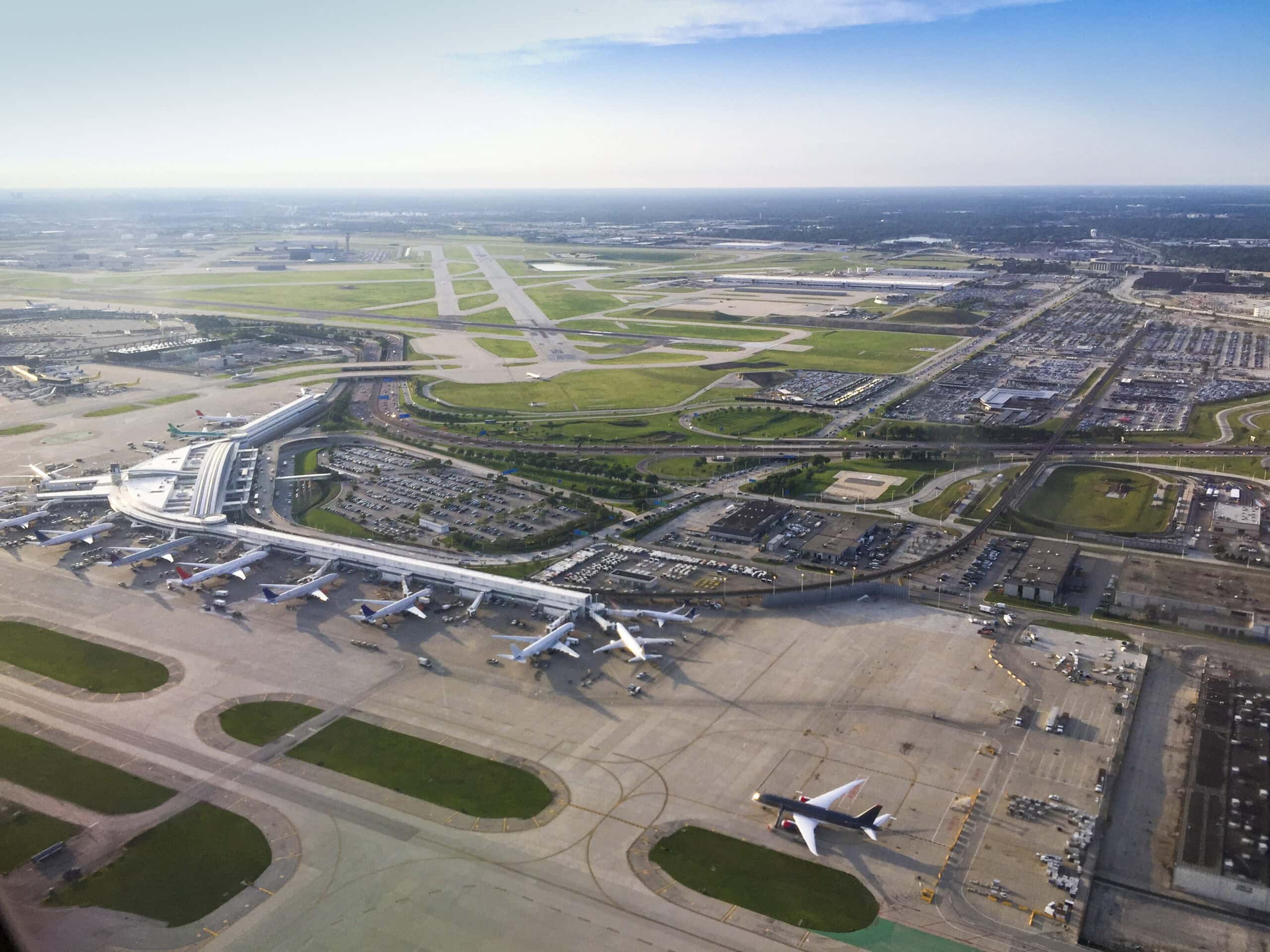
A Gateway to the Midwest
O’Hare’s role extends far beyond serving Chicago itself. As a major hub for several airlines, it acts as a critical transfer point for travelers connecting to hundreds of smaller cities and regional destinations across the Midwest. Its central location within the continental United States makes it an ideal spot for national and international connections. This strategic positioning means that a flight into O’Hare can be the first leg of a much longer journey, or the convenient entry point for exploring the vibrant culture and diverse landscapes of states like Wisconsin, Michigan, Indiana, and Ohio. The airport facilitates robust freight operations, further solidifying its economic significance to the region. Travelers utilizing O’Hare as a regional gateway benefit from the extensive flight options and amenities available at a world-class facility, ensuring a smoother transition to their final regional destinations, whether by air or ground transport.
Understanding the Airport’s Layout and Terminals
O’Hare is a vast complex comprising four passenger terminals (Terminals 1, 2, 3, and 5) and numerous concourses. Terminals 1, 2, and 3 primarily handle domestic flights, though some international arrivals with pre-clearance may use these. Terminal 5 is dedicated to international arrivals and departures, housing customs and immigration facilities. Navigating between these terminals is facilitated by the Airport Transit System (ATS), a free, automated people-mover train that operates 24/7. The ATS connects all four passenger terminals, the main parking lots (Economy Lots E and F), and the rental car center. This seamless connection is vital for travelers with connecting flights or those needing to access different parts of the airport complex. Each terminal offers a wide array of services, including dining options, retail stores, lounges, and essential traveler services. Familiarizing oneself with the terminal map prior to arrival or departure can significantly reduce stress and enhance efficiency, especially for those with tight connection windows or specific amenity needs.
Seamless Connections: Getting To and From O’Hare
The journey to and from O’Hare is a critical part of the travel experience in Chicago. Fortunately, the airport is well-served by a comprehensive network of transportation options designed to accommodate various budgets and preferences. From efficient public transit to private car services, travelers have a diverse range of choices for reaching their final destination in the city or its suburbs.
Public Transportation: The CTA Blue Line
For budget-conscious travelers or those looking to avoid Chicago’s often congested roadways, the Chicago Transit Authority (CTA) Blue Line is an invaluable resource. The Blue Line train offers direct service from O’Hare to Downtown Chicago and beyond, operating 24 hours a day, seven days a week. The station is conveniently located on the lower level of Terminal 2, accessible via pedestrian tunnels from Terminals 1 and 3, and by the ATS from Terminal 5. The journey to the Loop typically takes 45-60 minutes, providing a cost-effective and relatively reliable option, especially during peak traffic hours. Passengers can purchase Ventra cards or single-ride tickets at the station. This method is particularly recommended for those staying in hotels near a Blue Line stop or who prefer the cultural experience of public transit.
Ride-Sharing and Taxis
Ride-sharing services like Uber and Lyft, as well as traditional taxi cabs, are readily available at O’Hare. Designated pick-up locations for ride-shares are clearly marked at each terminal, typically on the lower level (arrivals). Taxis can be found at the designated taxi stands outside baggage claim at all terminals. While often more expensive than public transit, these options offer the convenience of door-to-door service and can be particularly beneficial for groups, travelers with excessive luggage, or those arriving late at night. Fares to Downtown Chicago generally range from $40-$60, excluding surge pricing for ride-shares or tolls. It’s advisable to confirm pricing estimates with your preferred service before departing the airport.
Rental Cars and Parking Facilities
For travelers planning to explore Chicago and its surrounding areas more extensively, or those with multiple stops, renting a car offers maximum flexibility. O’Hare houses a centralized Rental Car Center (RCC), which consolidates all major rental agencies. The RCC is accessible via the free ATS train from all terminals. This streamlined system simplifies the car rental process, eliminating the need for individual shuttle buses to off-site lots. The airport also offers extensive parking facilities, including hourly, daily, and economy lots, with varying rates. Short-term parking is available directly at the terminals for quick pick-ups and drop-offs, while economy lots provide more affordable long-term options, connected by the ATS.
Shuttle Services and Regional Connectors
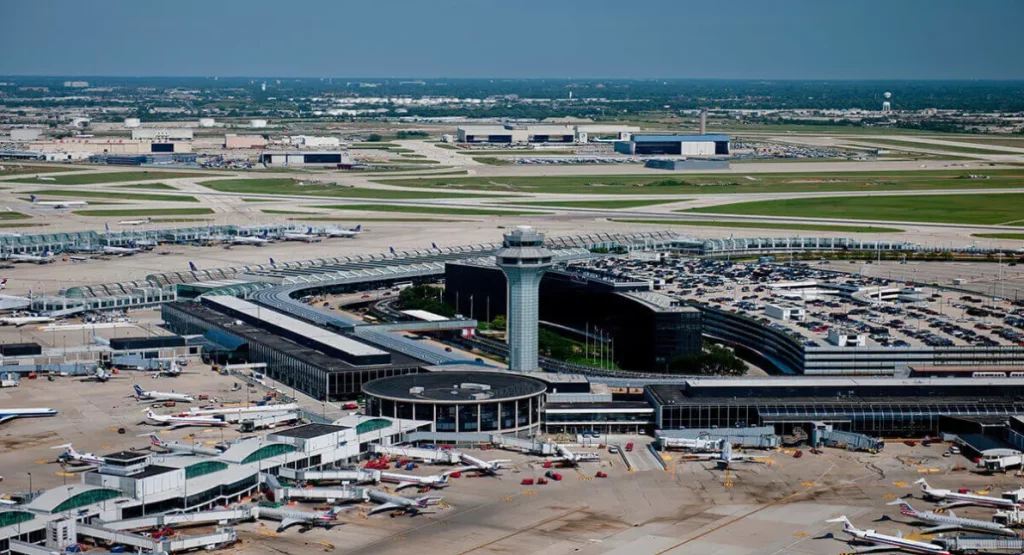
Several private shuttle services operate from O’Hare, offering shared-ride or private transfer options to hotels, convention centers, and suburban locations. These services can be pre-booked online or arranged upon arrival at designated counters within the terminals. Additionally, various regional bus and shuttle lines provide connections to other cities in Illinois, Wisconsin, and Indiana, catering to travelers who use O’Hare as a regional hub. This provides an excellent alternative for those not venturing directly into Chicago but rather connecting to a nearby town or city.
Beyond the Terminal: Exploring O’Hare’s Surroundings and Nearby Chicago Attractions
While O’Hare is primarily a point of transit, its location offers more than just accessibility to Chicago’s core. The surrounding area boasts its own set of amenities, particularly beneficial for travelers with layovers, early morning flights, or late arrivals. Understanding these nearby options can enhance the travel experience, turning potential waiting times into opportunities for rest or even a quick exploration.
Accommodations Near O’Hare
Due to its status as a major international airport, the area immediately surrounding O’Hare is dotted with numerous hotels catering to a range of budgets. These hotels are ideal for travelers facing an early morning flight, a late-night arrival, or an extended layover. Many offer complimentary shuttle services to and from the terminals, providing immense convenience. Prominent options include the Hilton Chicago O’Hare Airport, which is uniquely located within the airport complex itself (between Terminals 2 and 3), offering direct pedestrian access. Other well-known hotels like the Hyatt Regency O’Hare Chicago and numerous brands in Rosemont and Schiller Park provide comfortable stays just a short shuttle ride away. These hotels often come equipped with amenities such as restaurants, fitness centers, and business facilities, making them suitable for both leisure and business travelers.
Brief Stays and Layover Activities
For travelers with longer layovers, O’Hare and its immediate vicinity offer a few options to pass the time beyond the confines of the terminal. The airport itself features diverse dining and shopping options, art installations, and even an aeroponic garden in Terminal 3. For those willing to venture a short distance, the Fashion Outlets of Chicago in Rosemont provide an opportunity for retail therapy, accessible via a short taxi or shuttle ride. Additionally, the Rosemont Entertainment District offers a selection of restaurants, entertainment venues, and even an indoor water park for families, making it a viable option for a productive or enjoyable layover.
Connecting to Downtown Chicago and Major Attractions
From O’Hare, the vibrant heart of Chicago and its world-renowned attractions are easily reachable. The CTA Blue Line provides direct access to the Loop, placing travelers within walking distance or a short connection to iconic landmarks. Travelers can quickly reach Millennium Park to see “The Bean” (Cloud Gate), explore the vast collections at the Art Institute of Chicago, ascend the Willis Tower for panoramic city views, or indulge in shopping along the Magnificent Mile. The accessibility of Downtown Chicago from O’Hare means that even with a moderate layover, a quick excursion into the city for a taste of its culture and cuisine is entirely feasible and highly recommended for those with the time.
Planning Your Arrival or Departure: Essential Travel Tips for O’Hare
A smooth experience at O’Hare begins with informed planning. Given its size and passenger volume, anticipating potential challenges and leveraging available services can significantly reduce travel stress. Whether you are arriving, departing, or simply transiting, a few key tips can make your journey through this major hub more efficient and enjoyable.
Security Checkpoints and Peak Hours
Security wait times at O’Hare can vary dramatically, especially during peak travel periods such as early mornings (6 AM – 9 AM), late afternoons (4 PM – 7 PM), and holidays. It is always advisable to arrive at the airport well in advance of your scheduled departure time—typically two hours for domestic flights and three hours for international flights. Consider enrolling in programs like TSA PreCheck or Clear to expedite your passage through security. Check real-time wait times via airport apps or websites before heading to your gate. Each terminal has multiple security checkpoints, and sometimes one might be less congested than another; however, always ensure the checkpoint you choose leads to your specific concourse.
Accessibility and Special Needs Services
O’Hare is committed to providing accessible facilities and services for all travelers. This includes accessible restrooms, elevators, and TTY phones throughout the terminals. Wheelchair assistance can be requested in advance through your airline. The ATS train is fully accessible. For travelers with hidden disabilities, O’Hare participates in the Hidden Disabilities Sunflower Lanyard program, signaling to airport staff that a traveler may require additional support or understanding. Pet relief areas are available both inside and outside the secured areas of each terminal. Family restrooms and nursing suites are also provided for parents traveling with young children.

Food, Shopping, and Lounges
O’Hare offers an extensive array of dining and shopping options across all terminals, catering to diverse tastes and needs. From quick grab-and-go snacks to sit-down restaurants featuring local Chicago favorites, travelers can find something to suit their palate. Retail choices range from bookstores and newsstands to high-end fashion and souvenir shops. Additionally, numerous airline lounges and independent lounges provide a quieter, more comfortable environment away from the bustling concourses. Access to these lounges is typically available through specific airline status, premium cabin tickets, or memberships like Priority Pass. Taking advantage of these amenities can transform waiting time into a more relaxed part of your travel experience. Planning where to eat or shop can also help manage time effectively before your flight.
LifeOutOfTheBox is a participant in the Amazon Services LLC Associates Program, an affiliate advertising program designed to provide a means for sites to earn advertising fees by advertising and linking to Amazon.com. Amazon, the Amazon logo, AmazonSupply, and the AmazonSupply logo are trademarks of Amazon.com, Inc. or its affiliates. As an Amazon Associate we earn affiliate commissions from qualifying purchases.