
The “South Side” of Chicago is a phrase often evoked in popular culture, carrying a weight of diverse interpretations. For the discerning traveler, understanding its true location, character, and wealth of attractions is crucial to experiencing the authentic spirit of this dynamic metropolis. Far from a monolithic entity, the South Side represents a vast, vibrant, and historically significant region brimming with cultural landmarks, academic institutions, lush parks, and distinct communities.
Unveiling the Geographical Heart of Chicago’s South Side
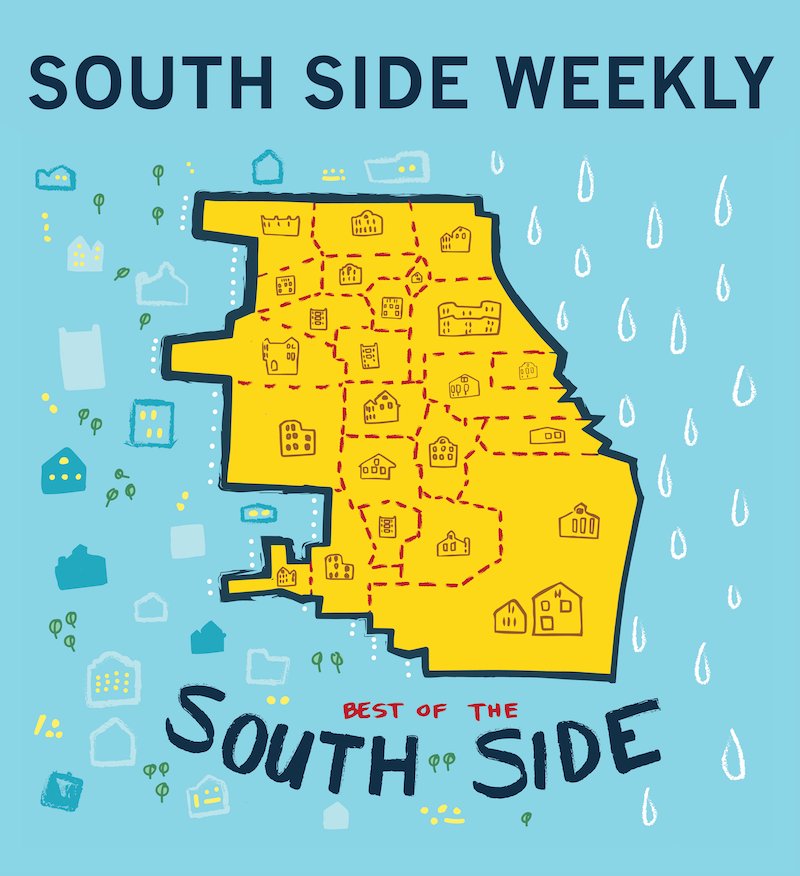
Pinpointing the exact boundaries of the South Side can be nuanced, as its definition often oscillates between strict geographical lines and cultural perceptions. However, for travel purposes, understanding its general scope helps in planning an enriching visit.

Defining the Boundaries
Geographically, the South Side begins immediately south of Chicago’s central business district, known as the Loop. It stretches eastward to the shores of Lake Michigan and extends westward, encompassing a significant portion of the city’s landmass. While there’s no official dividing line, most consider areas south of 22nd Street (or sometimes Roosevelt Road) to be the gateway to the South Side. It then reaches down to the city’s southern border, where it meets suburban municipalities. This expansive area is significantly larger than the North or West Sides, covering more than half of Chicago’s total area. It’s a vast region, not a single neighborhood, meaning travel within it requires careful planning to appreciate its distinct pockets.
A Tapestry of Distinct Neighborhoods
Within these broad boundaries lie dozens of unique neighborhoods, each with its own history, character, and appeal. From the academic charm of Hyde Park and the historic significance of Bronzeville to the artistic flair of Pilsen and the quiet residential streets of Beverly, the diversity is astounding. Other notable areas include Woodlawn, Englewood, and South Shore, each contributing to the multifaceted identity of the South Side. Travelers should approach the South Side as a collection of distinct destinations, rather than a singular one, allowing for a more focused and authentic exploration.
A Legacy Forged in History and Culture
The South Side is not merely a geographical designation; it is a repository of pivotal American history and a crucible of cultural innovation, making it an essential destination for anyone seeking a deeper understanding of Chicago and the nation.
Birthplace of Movements and Minds
Historically, the South Side has been a cradle for transformative social and political movements. During the Great Migration, it became a vibrant center for African American life, art, and activism, giving rise to the Harlem Renaissance’s sister movement, the Chicago Black Renaissance. Leaders like Ida B. Wells and artists such as Gwendolyn Brooks honed their craft and fought for justice here. The neighborhood of Hyde Park is home to the renowned University of Chicago, an intellectual powerhouse that has produced numerous Nobel laureates and shaped global thought. The future Obama Presidential Center in Jackson Park will further cement the South Side’s place as a site of national significance, commemorating the legacy of the nation’s 44th president.
Architectural Grandeur and Green Oases
Beyond its human history, the South Side boasts an impressive array of architectural styles, from the grand mansions of Kenwood to the innovative structures of the University of Chicago campus. Many areas were shaped by the 1893 World’s Columbian Exposition, leaving behind enduring neoclassical designs and expansive park systems. Jackson Park and Washington Park, designed by Frederick Law Olmsted, offer vast green spaces, lagoons, and historic monuments, providing serene escapes from urban bustle and serving as living testaments to visionary urban planning.
The Rhythms of Bronzeville and Beyond
The cultural heartbeat of the South Side is particularly palpable in Bronzeville, historically known as “Black Metropolis.” This neighborhood was a crucible for jazz, blues, and gospel music, where legends like Louis Armstrong and Mahalia Jackson once performed. Today, Bronzeville continues to celebrate this heritage with public art, historic markers, and cultural institutions. The influence of African American culture radiates throughout the South Side, seen in its vibrant churches, community festivals, and resilient spirit.
Experiencing the South Side: Essential Attractions for Travelers
For travelers keen to delve deeper than the typical tourist trail, the South Side presents a diverse palette of experiences, blending educational opportunities with recreational delights and genuine local encounters.
World-Class Museums and Academic Powerhouses
One of the most compelling reasons to visit the South Side is its concentration of leading cultural and educational institutions. The Museum of Science and Industry, located in the majestic Palace of Fine Arts from the 1893 World’s Columbian Exposition, offers interactive exhibits that captivate visitors of all ages. Nearby, the DuSable Black History Museum and Education Center stands as the nation’s first independent museum dedicated to the history and culture of African Americans, providing invaluable insights into their profound contributions. A stroll through the Gothic quadrangles of the University of Chicago is an experience in itself, offering stunning architecture and a palpable sense of intellectual vigor. Art enthusiasts should not miss the Smart Museum of Art on campus, featuring an impressive collection spanning various cultures and eras.
Expansive Parks and Recreational Havens
The South Side is home to some of Chicago’s most significant green spaces. Jackson Park, designed by Frederick Law Olmsted, offers tranquil lagoons, a Japanese garden (the Garden of the Phoenix), and significant public art, alongside future developments like the Obama Presidential Center. Washington Park is another Olmsted masterpiece, boasting wide open spaces perfect for relaxation, and a rich history as a gathering place for community events and demonstrations. For those seeking lakeside recreation, the numerous beaches and promenades along Lake Michigan in neighborhoods like South Shore provide stunning views and opportunities for cycling, jogging, or simply enjoying the breeze.
Culinary Journeys and Local Flavors
Exploring the South Side also means embarking on a flavorful culinary journey. From iconic Chicago staples like deep-dish pizza and hot dogs found in local diners to the diverse ethnic eateries reflecting the area’s multicultural population, there’s something to satisfy every palate. Bronzeville offers a taste of authentic soul food, while Pilsen is a hotspot for Mexican cuisine, boasting vibrant taquerias and traditional bakeries. Seek out local coffee shops and independent restaurants to experience the genuine warmth and hospitality of South Side communities.
Practical Tips for Exploring the South Side
A fulfilling travel experience in the South Side requires a thoughtful approach, focusing on safe navigation and respectful engagement with its communities.
Navigating Your Visit
Given its expansive nature, planning your route is key. Chicago’s public transportation system, the CTA, offers extensive bus and elevated train (L train) lines that connect various South Side neighborhoods to the Loop and each other. The Green Line is particularly useful for reaching Bronzeville, Washington Park, and Woodlawn, while bus routes provide finer access to local attractions. Ride-sharing services are also readily available. For those driving, ample street parking can often be found, especially outside the busiest areas. Always check transit schedules and consider purchasing a multi-day pass for convenience.
Embracing the Local Vibe
The South Side offers an authentic Chicago experience away from the bustling downtown tourist hubs. Engaging with local businesses, attending community events, and simply strolling through its diverse neighborhoods will provide a richer understanding. Many neighborhoods have thriving arts scenes, from galleries in Pilsen to live music venues. Check local listings for festivals, farmers’ markets, or performances that might coincide with your visit. Demonstrating respect for local customs and being mindful of your surroundings, as you would in any major urban area, will ensure a positive and enriching journey.

Beyond Stereotypes: A Call to Authentic Exploration
To ask “Where is the South Side of Chicago?” is to open a door to a profound and often misrepresented part of this great city. It is a region of immense historical weight, cultural richness, and unwavering community spirit. Travelers who venture beyond preconceived notions will discover a landscape of vibrant neighborhoods, world-class institutions, significant green spaces, and a deep sense of identity. The South Side invites exploration, promising an authentic Chicago experience that is both educational and deeply inspiring.
LifeOutOfTheBox is a participant in the Amazon Services LLC Associates Program, an affiliate advertising program designed to provide a means for sites to earn advertising fees by advertising and linking to Amazon.com. Amazon, the Amazon logo, AmazonSupply, and the AmazonSupply logo are trademarks of Amazon.com, Inc. or its affiliates. As an Amazon Associate we earn affiliate commissions from qualifying purchases.