
For any visitor planning a trip to the vibrant metropolis of Chicago, understanding the intricacies of local infrastructure is key to a smooth and enjoyable experience. Among the many practical considerations, parking often emerges as a significant point of inquiry, especially concerning the city’s meter system. The ownership of Chicago’s parking meters is not as straightforward as it might seem, tracing back to a controversial deal that continues to shape the urban landscape and, by extension, the tourist experience. For those exploring the City of Chicago‘s attractions, from the magnificent architecture surrounding Daley Plaza to the artistic wonders of the Art Institute of Chicago, comprehending this system is essential for navigating the city effectively and efficiently.

The Deal That Changed Chicago Parking: A Tourist’s Perspective
The question of who owns Chicago’s parking meters leads directly to a landmark 2008 agreement. In a move designed to generate immediate revenue for the then cash-strapped City of Chicago, the city leased its entire 36,000-meter system to a private consortium, Chicago Parking Meters LLC, for a hefty sum of $1.16 billion. This 75-year lease granted the private entity control over the city’s on-street parking operations, including setting rates, managing enforcement, and installing new technology.
From a tourist’s standpoint, this privatization deal has had several notable impacts. Firstly, it ushered in a significant increase in parking rates across various zones. What might have been an affordable hourly rate in previous years dramatically escalated, particularly in prime downtown areas and popular tourist destinations like the Museum Campus or near Millennium Park. These increased costs can quickly add up, becoming a substantial component of a visitor’s overall budget, especially for those planning to drive extensively or park for extended periods.
Secondly, the terms of the agreement often prioritize revenue generation, meaning less flexibility for parking regulations in certain situations. While the system aims for efficiency with modern pay stations and digital payment options, the underlying profit motive means that visitors might find little reprieve from high charges, even during off-peak hours or in less trafficked neighborhoods. Understanding that a private entity, rather than direct city services, is managing the meters helps contextualize the strict enforcement and pricing structure that visitors encounter. This commercial arrangement contrasts with many other major cities where parking revenue often directly feeds back into municipal services or public transportation initiatives, potentially offering more lenient or varied pricing strategies. For tourists, this translates into a need for meticulous planning regarding parking, considering it not just as a convenience but as a significant expenditure to factor into their Chicago itinerary.
The Chicago Parking Meters LLC System Explained
Chicago Parking Meters LLC, the entity now responsible for operating Chicago’s meters, is a consortium led by Morgan Stanley Infrastructure Partners. The initial agreement sparked considerable public debate and criticism due to the perceived long-term value surrendered by the city for immediate financial gain. For tourists, the key takeaway is that the meter system is managed by a private, profit-driven enterprise. This influences how parking fees are structured and enforced.
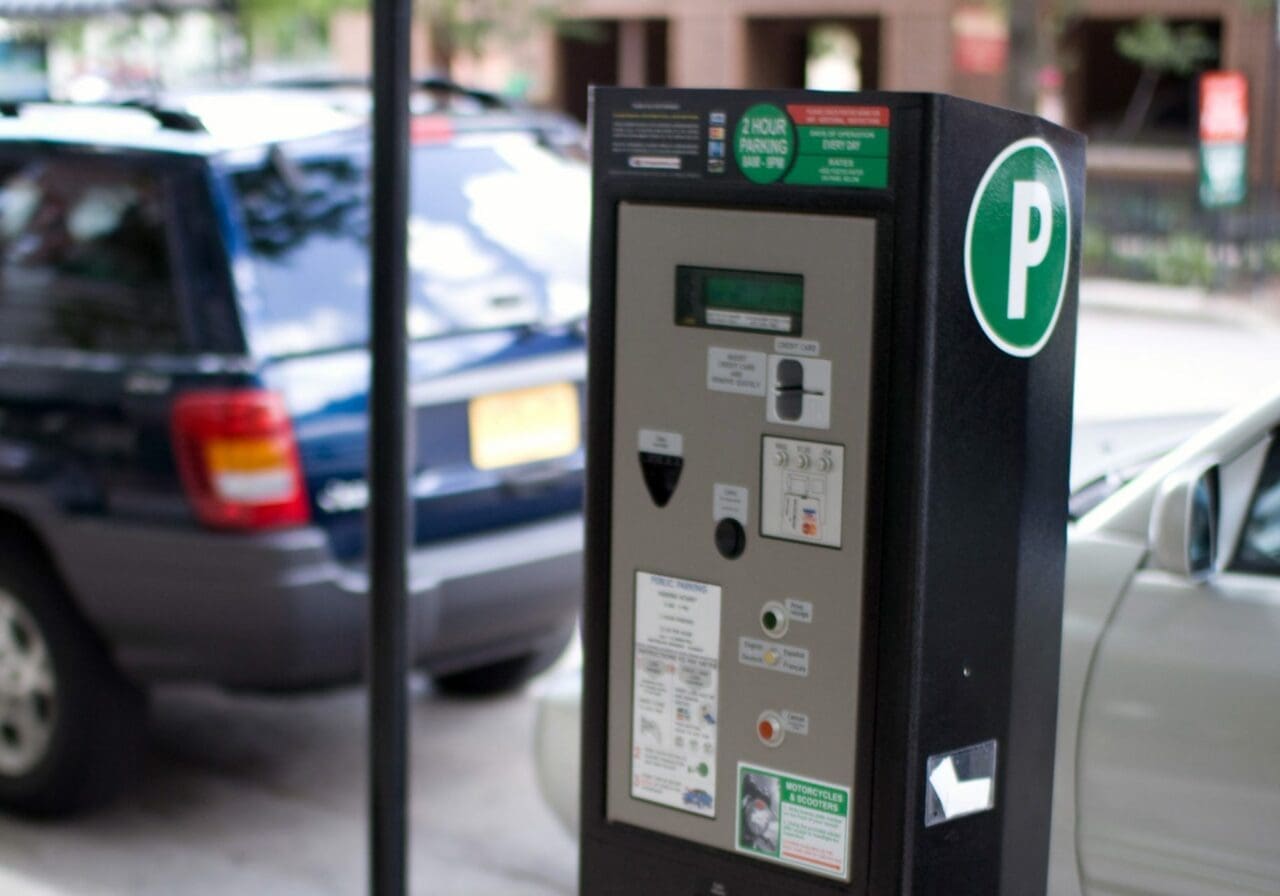
The meters themselves are now almost universally electronic, replacing the old coin-operated mechanisms. Visitors will encounter “Pay-and-Display” stations, where they input their parking zone number (displayed on signs), pay by credit card or coin, and then place the printed receipt on their dashboard. Newer “Pay-by-Plate” technology is also being rolled out, where drivers simply enter their license plate number, eliminating the need for a physical receipt. While these modern systems offer convenience, they also streamline enforcement, making it harder for drivers to circumvent fees. The understanding that this system is privately managed underscores the commercial efficiency and strict adherence to regulations that visitors should expect.
Navigating Metered Parking in the Windy City
For tourists driving into or around Chicago, understanding the nuances of the metered parking system is paramount. The city’s parking is divided into various zones, each with different rates and time restrictions, typically reflecting the demand in that area.
Understanding Rates and Zones
Generally, the highest rates are found in the downtown Loop area, extending to popular tourist districts like Magnificent Mile and near attractions such as Navy Pier. These areas can see hourly rates climb significantly, especially during peak daytime hours on weekdays. As you move further away from the city center into residential or less commercially dense neighborhoods, rates tend to decrease. However, even in areas like Lincoln Park or Wrigleyville (especially on game days), parking can be competitive and costly.
Time limits are also crucial. Many meters have a maximum parking duration, often 2-4 hours, particularly in high-demand zones. Overstaying these limits can lead to hefty fines, even if you continue to feed the meter. Always check the signage carefully for both hourly rates and maximum parking durations. Most meters operate seven days a week, often with reduced rates or free parking during late-night hours or on major holidays, but this is not universal, so always verify.
How to Pay for Parking
The modern parking meters in Chicago primarily accept credit cards (Visa, MasterCard, Discover, American Express) and coins. Some also accept contactless payments.
The process is usually as follows:
- Locate the Meter Box: Find the nearest pay station on the block.
- Enter Zone Number: Look for the zone number posted on nearby signs or on the meter itself. Input this into the pay station.
- Select Duration: Choose how long you wish to park, up to the maximum limit. The total cost will be displayed.
- Pay: Insert your credit card or coins.
- Receipt (Pay-and-Display): If it’s a “Pay-and-Display” meter, take your printed receipt and place it face-up on your dashboard so it’s visible to enforcement officers.
- No Receipt (Pay-by-Plate): If it’s a “Pay-by-Plate” meter, you will enter your license plate number instead of displaying a receipt.
For added convenience, visitors can download the “ParkChicago” mobile app. This app allows you to pay for parking remotely, extend your parking time from your phone (if within the maximum limit), and receive reminders before your parking expires. This is an invaluable tool for tourists who want to explore without constantly rushing back to their car.
Beyond the Meter: Alternative Parking Strategies for Tourists
While street parking offers direct access to many attractions, its cost and availability can be a deterrent for tourists. Fortunately, Chicago provides several alternative parking strategies that can be more economical or convenient depending on your itinerary.
Parking Garages and Lots
Private parking garages and lots are abundant throughout downtown and near major attractions. These often offer guaranteed spots and can sometimes be more cost-effective than meters for longer durations.
- Booking in Advance: Websites and apps like SpotHero or ParkWhiz allow you to search for, compare, and pre-book parking spots in garages at discounted rates. This can lead to significant savings, especially in high-demand areas or during events. Booking online often provides a cheaper rate than driving up and paying on the spot.
- Hotel Parking: Many hotels offer guest parking, though it can be expensive. Always inquire about hotel parking rates when booking your accommodation, as some might offer packages or complimentary parking. For those staying outside the immediate downtown area, parking at a hotel and utilizing public transport could be a viable strategy.
- Daily vs. Hourly Rates: Pay attention to whether garages offer daily maximum rates. For a full day of sightseeing, a daily rate in a garage might be cheaper than continually feeding a meter.
Public Transportation
Chicago’s public transportation system, managed by the Chicago Transit Authority (CTA), is extensive and efficient. The ‘L’ train system (elevated and subway lines) and bus network connect virtually every neighborhood and major attraction.
- Park and Ride: Consider parking your car at a CTA-owned lot on the outskirts of the city or near your accommodation (if outside the immediate downtown) and using public transit to reach attractions. This can be significantly cheaper than parking downtown.
- Ventra Card: Purchase a Ventra card upon arrival. These reloadable cards can be used on both ‘L’ trains and buses and often provide a more economical way to travel than single-ride tickets. Multi-day passes are available and offer unlimited rides, making them ideal for tourists.
- Accessibility: The CTA system provides excellent access to popular spots like Millennium Park, the Art Institute of Chicago, and Navy Pier, reducing the need for costly metered parking.
Ride-Sharing and Taxis
For short distances or when traveling in groups, ride-sharing services (like Uber and Lyft) or traditional taxis offer a convenient alternative to driving and parking. They eliminate the hassle of finding a spot and paying fees. This is particularly useful for evenings out or when visiting areas with limited parking.
Consider Walking and Biking
Chicago is a highly walkable city, especially downtown and along the lakefront. Many attractions are within comfortable walking distance of each other. The city also boasts an extensive network of bike lanes and a popular bike-sharing program, Divvy, offering an active and often enjoyable way to explore.

The Financial Footprint: How Parking Costs Impact Your Chicago Visit
The costs associated with parking in Chicago can have a noticeable impact on a tourist’s overall budget. Given the privatization of the meter system, these costs are significant and require careful consideration during trip planning.
For a tourist spending a full day exploring downtown Chicago, metered parking could easily cost anywhere from $20 to $40 or more, depending on the zone and duration. Over several days, these expenses can quickly accumulate, potentially exceeding the cost of other essential travel components like attraction tickets or even a night’s accommodation. This financial burden can be particularly impactful for budget-conscious travelers or families visiting with their own vehicles.
To mitigate this, consider incorporating parking costs into your daily budget. For instance, if you anticipate spending $30 a day on parking, factor that into your daily allowance for food, attractions, and souvenirs. An insightful approach for tourists is to evaluate whether the convenience of having a car outweighs the cumulative cost of parking, potential traffic congestion, and the risk of fines. For many, especially those planning to stick to the main tourist areas, relying on public transportation from a hotel or an off-site parking garage becomes a more economically sound decision.
The privatized parking meter system in Chicago is a unique aspect of the city’s infrastructure that directly influences the visitor experience. While it ensures a modern, efficient, and often available parking option, it comes at a premium. By understanding its ownership, navigating its rules, and exploring alternative transportation methods, tourists can effectively manage their parking needs and ensure their focus remains on enjoying all the incredible sights and experiences Chicago, Illinois, has to offer. From arriving at O’Hare International Airport or Midway International Airport, planning your ground transportation and parking strategy beforehand will significantly enhance your visit.
LifeOutOfTheBox is a participant in the Amazon Services LLC Associates Program, an affiliate advertising program designed to provide a means for sites to earn advertising fees by advertising and linking to Amazon.com. Amazon, the Amazon logo, AmazonSupply, and the AmazonSupply logo are trademarks of Amazon.com, Inc. or its affiliates. As an Amazon Associate we earn affiliate commissions from qualifying purchases.