
The name “Chicago 7” resonates through the annals of American history, conjuring images of a nation in turmoil, a courtroom ablaze with political passion, and a generation grappling with profound social change. More than just a group of individuals, the Chicago 7 represent a pivotal moment, a historical landmark that encapsulates the spirit of dissent, the struggle for civil liberties, and the seismic shifts in American society during the late 1960s. Their story is inextricably linked to the city of Chicago itself, a backdrop against which one of the most polarizing trials in modern history unfolded. To understand who they were is to delve into the heart of a tumultuous era, exploring the forces that shaped their activism and the enduring legacy of their confrontation with the establishment.

A Nation Divided: The 1968 Democratic National Convention in Chicago
The summer of 1968 was a flashpoint for American society, marked by deep divisions over the Vietnam War, civil rights, and cultural values. The assassinations of Martin Luther King Jr. and Robert F. Kennedy had left the nation reeling, compounding a sense of unrest and disillusionment. It was against this volatile backdrop that the Democratic National Convention was scheduled to take place in Chicago in August. Anti-war activists and counter-culture figures saw the convention as an ideal stage to voice their opposition to the war and the political establishment. Organizations like the National Mobilization Committee to End the War in Vietnam (MOBE), led by David Dellinger and Rennie Davis, sought permits for peaceful protests, marches, and rallies.
However, the city of Chicago, under the staunch leadership of Mayor Richard J. Daley, was determined to prevent any disruption to the convention. Permits were largely denied, and a massive police and National Guard presence was mobilized. The stage was set for an inevitable confrontation. As thousands of young activists, including prominent figures like Yippies Abbie Hoffman and Jerry Rubin, descended upon Lincoln Park and other areas, peaceful demonstrations quickly escalated into violent clashes with the police. The brutality, captured by television cameras, shocked the nation and the world. Images of police beating unarmed protestors, tear gas choking the air, and chaos erupting on the streets of a major American city became indelible symbols of the era’s deep fissures. This intense confrontation laid the groundwork for the government’s response and the subsequent indictment of the protest leaders.
The Chicago 8 Indictment and the Shift to Chicago 7
In the aftermath of the convention, the federal government, under the Nixon administration, moved swiftly to prosecute the perceived instigators of the unrest. Attorney General John N. Mitchell initiated charges under the newly enacted Rap Brown Act (part of the Civil Rights Act of 1968), which made it a federal crime to cross state lines with the intent to incite a riot. On March 20, 1969, an indictment was handed down against eight individuals, originally known as the Chicago 8:
- Abbie Hoffman: A co-founder of the Youth International Party (Yippies), known for his theatrical and often humorous anti-establishment tactics.
- Jerry Rubin: Another prominent Yippie leader, notorious for his provocative stunts.
- David Dellinger: A long-time pacifist and anti-war activist, one of the older and more traditional figures among the defendants.
- Tom Hayden: A co-founder of the Students for a Democratic Society (SDS), a leading intellectual voice of the New Left.
- Rennie Davis: A national coordinator for the National Mobilization Committee to End the War in Vietnam (MOBE).
- John Froines: A chemist and a key organizer for MOBE.
- Lee Weiner: A graduate student and activist, also involved with MOBE.
- Bobby Seale: Co-founder of the Black Panther Party, whose involvement added a racial justice dimension to the predominantly white anti-war movement.
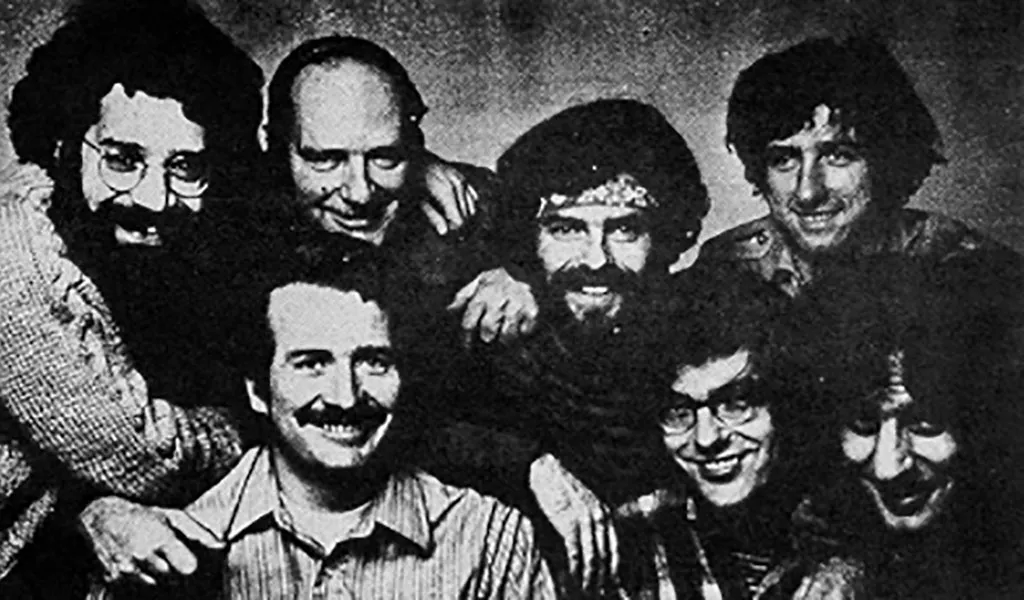
The trial began on September 24, 1969, under the supervision of Judge Julius Hoffman. From the outset, the proceedings were fraught with tension and controversy. Bobby Seale, who insisted on defending himself or having his chosen lawyer, Charles Garry, present (Garry was recovering from surgery), was repeatedly denied this right. When Seale vociferously protested what he considered a denial of his constitutional rights, Judge Hoffman took the unprecedented step of having Seale bound and gagged in the courtroom. This shocking act of judicial overreach drew widespread condemnation and ultimately led to Seale’s case being severed from the others, resulting in the “Chicago 7” as the remaining defendants. Seale was sentenced to four years in prison for contempt of court, though this was later overturned.
A Trial Like No Other: Disruptions and Defenders
The trial of the Chicago 7 was a spectacle, an intense collision of counter-culture defiance and judicial authority that played out over five months. It was less a traditional legal proceeding and more a theatrical political battle. The defendants, represented by prominent civil rights attorneys William Kunstler and Leonard Weinglass, used the courtroom as a platform to challenge the war, expose government overreach, and advocate for their ideals.
The personalities of the defendants contributed significantly to the trial’s dramatic flair. Abbie Hoffman and Jerry Rubin often resorted to humor, sarcasm, and symbolic acts of defiance, such as wearing judicial robes or saluting the judge with their middle fingers. Tom Hayden and David Dellinger delivered impassioned political speeches, aiming to put the war and the government on trial. This unconventional approach frequently clashed with the rigid formalism of Judge Hoffman, who became a central, and often antagonist, figure in the proceedings. His demeanor was perceived by many as biased, leading to frequent verbal confrontations, contempt citations against both the defendants and their lawyers, and an atmosphere of open hostility.
The trial was punctuated by dramatic testimony from witnesses, including poet Allen Ginsberg, folk singer Pete Seeger, and comedian Dick Gregory, who spoke about the counter-culture movement and the climate of protest. The prosecution attempted to paint the defendants as dangerous radicals bent on overthrowing the government, while the defense argued they were exercising their First Amendment rights and were being persecuted for their political beliefs. The jury, often confused and overwhelmed by the circus-like atmosphere, struggled to navigate the complex legal and political issues at play. The entire process was a public education in legal procedures, political activism, and the limits of dissent in a democratic society.

The Verdict and Enduring Legacy
After 151 days of testimony and deliberations, the jury returned its verdict on February 18, 1970. The outcome was mixed. All seven defendants were acquitted of the conspiracy charge, a significant victory for the defense, which had argued that their actions were not a coordinated plot but rather spontaneous expressions of dissent. However, David Dellinger, Rennie Davis, Tom Hayden, Abbie Hoffman, and Jerry Rubin were convicted on the lesser charge of crossing state lines with intent to incite a riot. John Froines and Lee Weiner were acquitted of all charges.
Immediately following the jury’s verdict, Judge Hoffman pronounced severe sentences for contempt of court, totaling hundreds of days in prison for the defendants and their lawyers. These contempt convictions were later largely overturned on appeal, with the appellate court citing the judge’s “antagonistic attitude” and “deprecatory manner.” In November 1972, the Seventh Circuit Court of Appeals reversed all the riot convictions, citing judicial error and evidence of bias, further solidifying the legal challenges to the trial’s fairness.
The legacy of the Chicago 7 is multifaceted and profound. It stands as a powerful historical marker, illustrating the tensions between governmental authority and individual freedoms during a period of intense social upheaval. The trial brought national attention to the limits of acceptable protest, the role of media in shaping public perception, and the potential for political influence within the justice system. For many, the Chicago 7 became heroes of the counter-culture, symbols of resistance against an unjust war and a repressive establishment. For others, they were anarchists who deserved to be punished for disrupting public order.
Beyond the specific individuals, the Chicago 7 trial influenced subsequent legal thinking on conspiracy laws, fair trial procedures, and the protection of free speech and assembly. It spurred discussions about judicial conduct and the impartiality of the courts. In Chicago itself, the events of 1968 and the subsequent trial left an indelible mark, shaping the city’s political landscape and its reputation as a crucible for American activism. The story of the Chicago 7 remains a potent reminder of the fragility of democratic processes and the enduring importance of vigilance in safeguarding civil liberties. It’s a historical landmark not etched in stone, but in the collective memory of a nation that grappled with its identity and its values.
LifeOutOfTheBox is a participant in the Amazon Services LLC Associates Program, an affiliate advertising program designed to provide a means for sites to earn advertising fees by advertising and linking to Amazon.com. Amazon, the Amazon logo, AmazonSupply, and the AmazonSupply logo are trademarks of Amazon.com, Inc. or its affiliates. As an Amazon Associate we earn affiliate commissions from qualifying purchases.