
The vibrant, almost neon green hue of Chicago relish is not merely a visual quirk; it is a signature element deeply embedded in the city’s culinary identity, particularly its iconic hot dog culture. For visitors and locals alike, this distinctive emerald condiment is as recognizable a symbol of Chicago street food as the deep-dish pizza or the Italian beef sandwich. Its striking color often prompts questions, distinguishing it immediately from the more subdued, naturally colored sweet relishes found elsewhere. Understanding why it’s so green offers a fascinating glimpse into Chicago’s gastronomic traditions, marketing savvy, and the subtle art of crafting a unique flavor profile that has captivated palates for generations.
A Culinary Icon: The Heart of Chicago’s Hot Dog Tradition
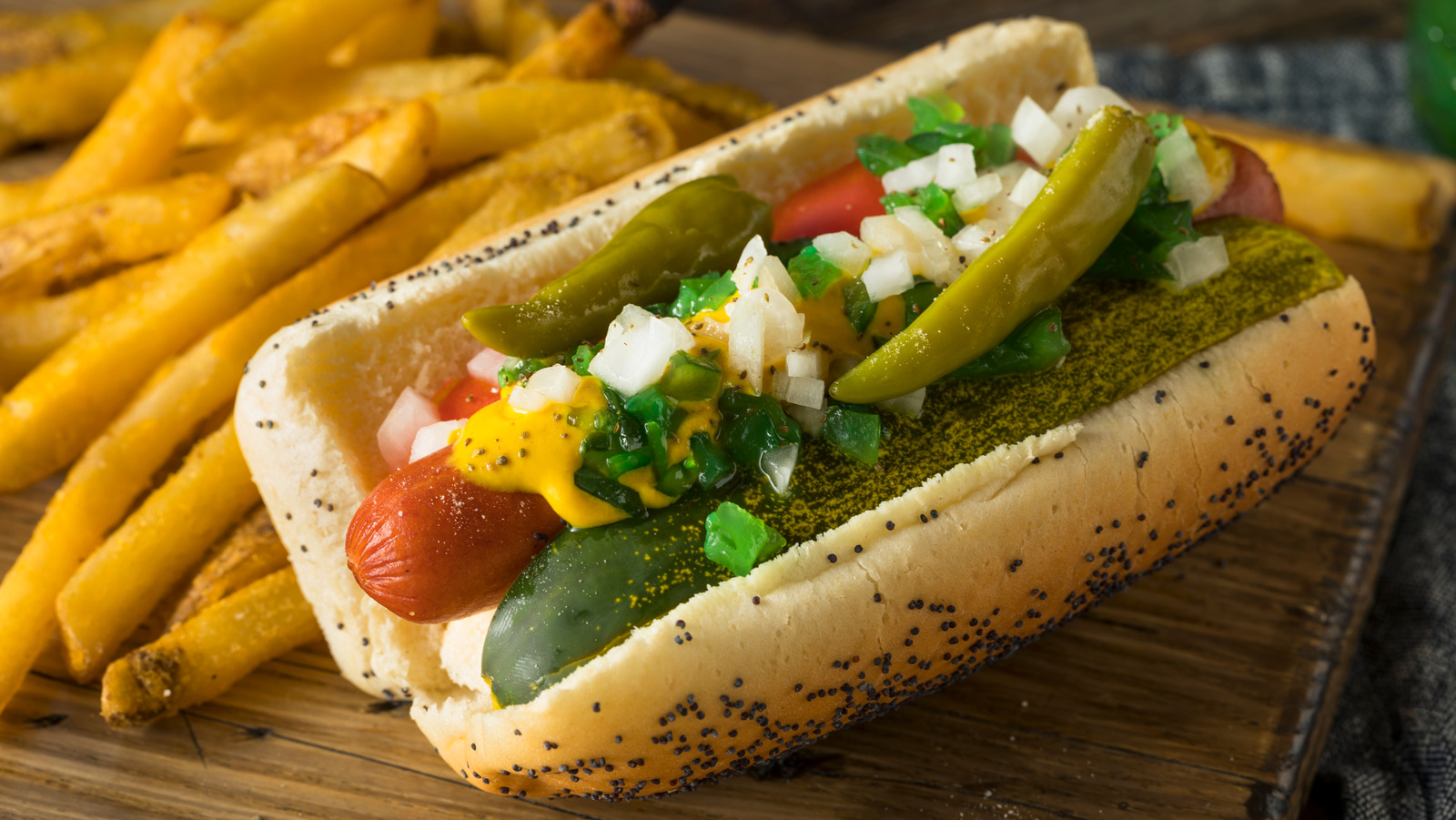
To truly appreciate the green relish, one must first understand its pivotal role within the legendary Chicago-style hot dog. This isn’t just a hot dog; it’s an architectural marvel of flavors and textures, a culinary blueprint strictly adhered to by purists. The hot dog itself is typically an all-beef frankfurter, often from Vienna Beef, nestled in a poppy seed bun. The assembly of condiments is what elevates it to iconic status: yellow mustard, chopped white onions, bright red tomato slices or wedges, a dill pickle spear, sport peppers, a dash of celery salt, and, of course, that unmistakable neon green sweet pickle relish. Each component is meticulously chosen to create a symphony of sweet, salty, spicy, and tangy notes, making it a quintessential Chicago experience.
More Than Just a Condiment: A Cultural Staple
The green relish is more than just an ingredient; it is a cultural touchstone. It represents a commitment to a specific culinary standard that defines a significant part of Chicago’s food scene. Its presence on virtually every authentic Chicago-style hot dog stand, from venerable institutions like Portillo’s to smaller neighborhood joints, signals adherence to a revered tradition. For tourists, encountering this vibrant green relish is often a memorable part of their visit, an immediate visual cue that they are experiencing something uniquely Chicagoan. It sparks conversation, prompts curious photographs, and invariably leads to the question: “Why is it so green?” This very question is part of its charm and its enduring legacy, weaving itself into the narrative of the city’s distinct identity.
The Anatomy of a Chicago-Style Hot Dog
The green relish’s importance is underscored by the “no ketchup” rule often associated with the Chicago-style hot dog. This isn’t a mere preference but a fiercely defended tenet among connoisseurs. Ketchup, with its dominant sweetness, is believed to overpower the delicate balance of flavors meticulously crafted by the other toppings. The green relish, while sweet, contributes a different kind of sweetness and a distinct tang that complements, rather than overwhelms, the savory frankfurter and the crunchy vegetables. It acts as a bridge, harmonizing the sharp mustard and the spicy peppers, providing a bright counterpoint to the rich beef. Its texture, finely chopped and slightly chunky, also adds another layer of sensory pleasure, distinguishing it from smoother, less textured condiments.
Unveiling the Emerald Secret: The Science Behind the Hue
The intensely green color of Chicago relish is not a product of naturally occurring pigments or an exotic type of cucumber. Instead, it is a deliberate and conscious choice, primarily achieved through the addition of artificial food coloring. This might surprise some, but it’s a practice deeply rooted in marketing and visual appeal, designed to make the condiment stand out visually and align with the vibrant, almost theatrical presentation of the Chicago-style hot dog.
The Magic Ingredient: Artificial Food Coloring
Historically, the exact origins of this neon green hue are somewhat debated, but the consensus points to food manufacturers in the mid-20th century. As the Chicago-style hot dog gained popularity, especially after the Great Depression when hot dogs became an affordable and filling meal, vendors sought ways to make their offerings more appealing and recognizable. The addition of FD&C Blue No. 1 and Yellow No. 5 food dyes to standard sweet pickle relish created the signature emerald green. This artificial coloring transformed ordinary relish into something visually extraordinary, a condiment that was impossible to ignore. The bright color likely served several purposes: to differentiate Chicago relish from competitors, to catch the eye of potential customers, and to reinforce the unique, almost playful character of the city’s hot dog tradition. It turned a simple pickle relish into a brand identifier, a visual trademark that instantly signaled a specific culinary experience.
Beyond the Color: The Flavor Profile

While the color is undeniably its most striking feature, the flavor of Chicago relish is equally important. It is distinctly a sweet pickle relish, finely chopped, with a characteristic tang from vinegar and pickling spices. The sweetness is balanced by a slight tartness, preventing it from being cloying. This balance is crucial for its role on the hot dog, providing a counterpoint to the savory frankfurter, the sharpness of the mustard, and the heat of the sport peppers. The texture, often finely minced but with enough body to provide a slight crunch, adds another layer of complexity. The artificial coloring doesn’t impart any flavor; its sole purpose is visual. Therefore, beneath the dazzling green, lies a carefully crafted sweet-tart profile that is essential to the overall harmony of the Chicago-style hot dog. It’s a flavor that has been perfected over decades, becoming synonymous with the city’s culinary heritage.
The Relish’s Journey: From Production to Plate
The journey of Chicago relish from its humble ingredients to its prominent place on a hot dog bun is a testament to both industrial food production and artisanal pride. While the most widely distributed versions are mass-produced to ensure consistency and widespread availability, many local establishments and home cooks also create their own variations, albeit often without the intense green hue.
Crafting the Perfect Batch: Industrial Production vs. Artisanal Endeavors
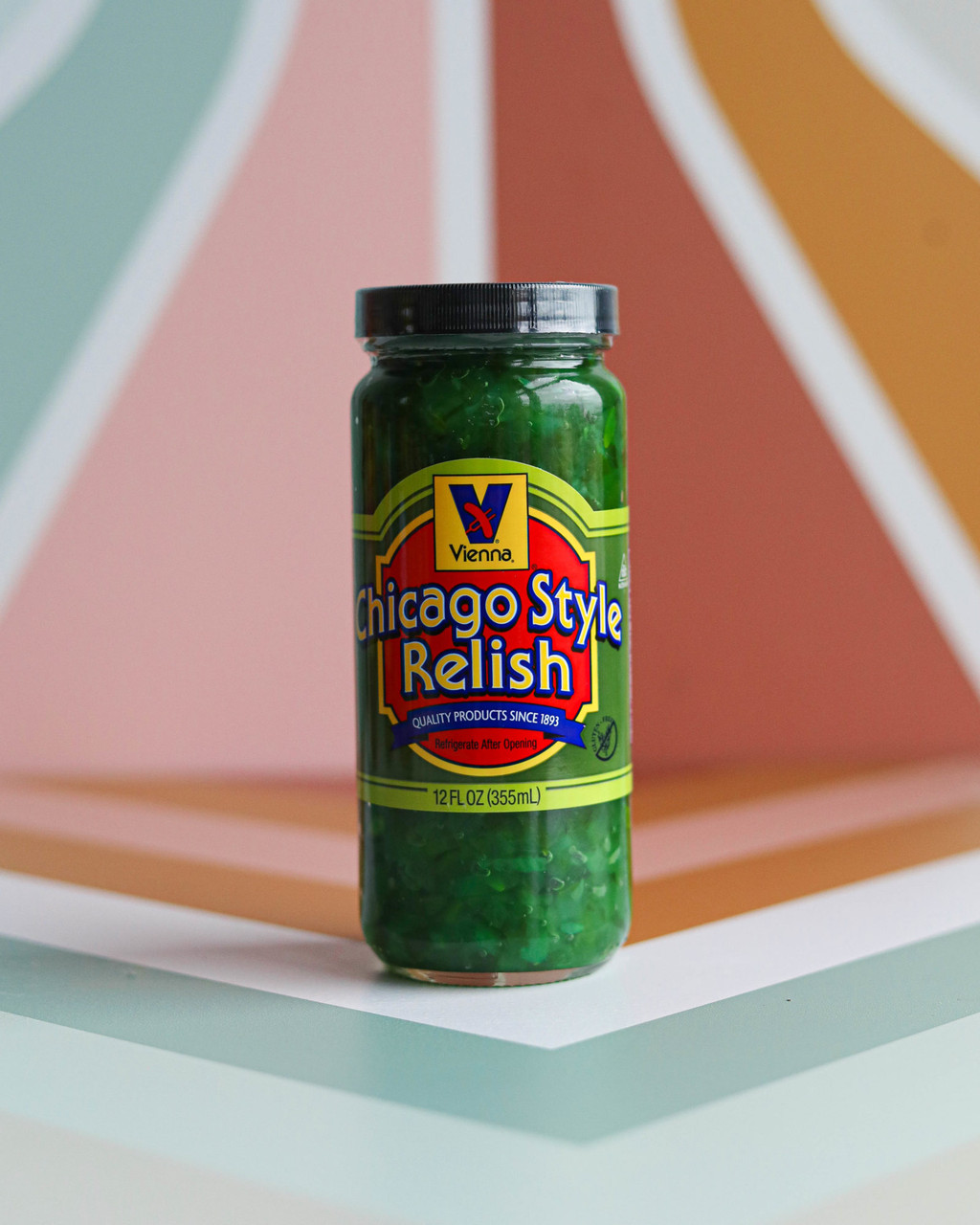
Commercial production of Chicago relish typically involves large-scale processing of cucumbers, which are chopped and combined with sugar, vinegar, salt, and various spices like turmeric (which contributes to some yellow notes) and, crucially, the blue and yellow food dyes. The process is designed for efficiency and to achieve a consistent product that hot dog stands can rely on. Brands like Vienna Beef, widely associated with the Chicago-style hot dog, produce their own versions of this relish, ensuring it meets the specific flavor and visual standards expected by consumers.
Artisanal versions, on the other hand, might shy away from the artificial coloring, opting for a more natural hue. However, for a relish to be truly recognized as “Chicago-style” in its visual presentation, the neon green is almost a mandatory characteristic. This highlights the interesting tension between tradition (the flavor profile) and iconic branding (the color) in food culture. Some gourmet versions might experiment with different types of pickles or spice blends, but they usually maintain the sweet-tart balance that defines the relish.
Where to Find the Authentic Experience in Chicago
For those visiting Chicago and eager to experience the green relish in its natural habitat, nearly every hot dog stand will feature it. Iconic eateries like Portillo’s, with multiple locations across the city, offer a reliable and popular introduction to the Chicago-style hot dog and its vibrant green condiment. Other beloved local spots, from the bustling downtown areas near Millennium Park and Navy Pier to neighborhood gems far from the tourist crowds, all embrace this distinctive relish. Sampling it is an essential part of immersing oneself in Chicago’s rich street food culture, offering a taste that is as visually engaging as it is delicious. Exploring the local food scene means not just tasting the food but also understanding the stories and traditions behind each unique ingredient.
Embracing the Green: Relish Beyond the Hot Dog
While the Chicago-style hot dog is undeniably the primary stage for this emerald condiment, the green relish’s unique flavor profile and eye-catching color have allowed it to occasionally venture beyond its traditional role, albeit subtly. Its distinct taste makes it a versatile addition to certain dishes, and its visual flair can elevate a simple meal into something more memorable and distinctly Chicagoan.
Culinary Versatility: Unexpected Pairings
Beyond hot dogs, Chicago relish can be a surprisingly good accompaniment to other grilled meats, such as bratwursts or sausages, where its sweetness and tang can cut through richness. It can also be incorporated into potato salads, tuna salads, or deviled eggs, providing a burst of color and a sweet-tart counterpoint that brightens the overall flavor. Some adventurous cooks even use it in marinades for chicken or pork, or as a vibrant garnish for fish tacos. The key is to leverage its sweet and tangy characteristics without allowing its strong visual presence to overpower the dish. While it may not appear in fine dining, its versatility in home cooking and casual eateries demonstrates its broader appeal and the respect for its distinctive flavor profile. It’s a testament to how deeply ingrained this specific taste has become within the local palate, even if the neon color is sometimes reserved for its most famous application.
A Symbol of Chicagoan Pride
Ultimately, the green relish is more than just a condiment; it’s a symbol of Chicago’s proud and distinct culinary identity. It represents the city’s refusal to conform to generic culinary norms, its willingness to create something unique and memorable. The almost artificial vibrancy of the relish is a statement, a bold declaration that this is a city that embraces its quirks and celebrates its traditions with gusto. For many Chicagoans, the sight of that neon green blob on a hot dog evokes nostalgia, pride, and a sense of belonging. It’s a culinary landmark as recognizable in its own right as the architecture of Shedd Aquarium or the art collections at the Field Museum. When visitors encounter the green relish, they are not just tasting a condiment; they are tasting a piece of Chicago’s soul, a vibrant, unforgettable part of its local culture that continues to captivate and delight.
LifeOutOfTheBox is a participant in the Amazon Services LLC Associates Program, an affiliate advertising program designed to provide a means for sites to earn advertising fees by advertising and linking to Amazon.com. Amazon, the Amazon logo, AmazonSupply, and the AmazonSupply logo are trademarks of Amazon.com, Inc. or its affiliates. As an Amazon Associate we earn affiliate commissions from qualifying purchases.