
In the dynamic world of travel, where every journey tells a story and every destination offers a trove of knowledge, the pursuit of credible information is paramount. Whether you’re meticulously planning your next adventure, curating engaging content for a travel blog, or delving into academic research on tourism trends and cultural heritage, understanding how to properly cite your sources is an invaluable skill. While the Chicago Manual of Style might traditionally be associated with scholarly journals and university papers, its principles of clear, consistent, and comprehensive citation extend beautifully to the realm of travel and lifestyle. For the discerning traveler, the aspiring travel writer, or the diligent researcher, mastering Chicago Style ensures that your insights are not only compelling but also rigorously supported and ethically presented.
Imagine you’re crafting a captivating guide to the historical landmarks of Rome, analyzing the architectural marvels of the Sagrada Familia in Barcelona, or reviewing the luxurious amenities of a Four Seasons Resort Bali at Sayan. Your narrative draws from various sources: a reputable travel guide like Lonely Planet, an academic paper on local culture, a blog post by a seasoned explorer, or official tourism websites such as Tourism Australia. By citing these sources correctly, you not only lend authority to your work but also provide your audience with a roadmap to further exploration, allowing them to dive deeper into the rich tapestry of information that informed your journey.

This comprehensive guide will demystify Chicago Style for the travel enthusiast, content creator, and researcher alike, translating its academic rigor into practical applications that enrich your understanding of destinations, accommodations, and experiences.
Navigating the Nuances of Chicago Style in Travel Research and Content
At its core, Chicago Style offers two primary citation systems: Notes-Bibliography and Author-Date. Understanding which one to use is the first step towards establishing clear and credible documentation for your travel-related content.
Why Citation Matters for the Savvy Traveler and Content Creator
In a digital landscape saturated with travel information, credibility is your most precious currency. Whether you’re recounting the ancient history behind Machu Picchu in Peru, detailing the unique culinary traditions of Kyoto, Japan, or offering insights into the best boutique hotels in Paris, France, accurate citation provides several critical benefits:
- Establishes Authority: By referencing authoritative sources, you demonstrate thorough research and expertise, elevating your content beyond mere opinion. This is crucial when discussing historical facts about the Eiffel Tower or the cultural significance of a local festival.
- Ensures Accuracy: Travel information, especially details about local customs, prices, and operating hours for attractions, can change rapidly. Citing your sources allows readers to verify information or consult the original for updates.
- Avoids Plagiarism: Acknowledging the original creators of ideas, data, or distinctive phrases is an ethical imperative. Proper citation ensures you give credit where it’s due, upholding intellectual honesty.
- Enhances Reader Experience: A well-cited article allows curious readers to explore the source material, turning your content into a launchpad for their own learning and travel planning. Imagine a reader intrigued by your description of Venice‘s Grand Canal who can easily find the historical text you referenced.
- Supports Travel-Related Research: For those delving into the academic aspects of tourism, hospitality management, or cultural studies, rigorous citation is non-negotiable for academic papers, theses, and reports.
The Two Pillars: Notes-Bibliography vs. Author-Date
1. Notes-Bibliography System:
This system is preferred in the humanities—history, literature, and the arts—making it particularly suitable for detailed travel narratives, historical analyses of landmarks, cultural deep dives, and complex hotel reviews where nuanced discussions and extensive referencing are common.
- Footnotes or Endnotes: Specific points in your text are indicated by superscript numbers, corresponding to notes (footnotes at the bottom of the page or endnotes at the end of the chapter/article) that provide full bibliographic information for the source, often with specific page numbers. Subsequent references to the same source can use a shortened format.
- Bibliography: A comprehensive alphabetical list of all sources cited in your work, appearing at the end of the document. Each entry includes full bibliographic details, allowing readers to locate the original source.
When to Use in Travel: When writing an in-depth historical account of the Colosseum, a scholarly article on sustainable tourism in Thailand (or Bangkok), or a detailed cultural guide to a region like Florence, Italy. This system is ideal for showcasing extensive research and providing ample context for readers.
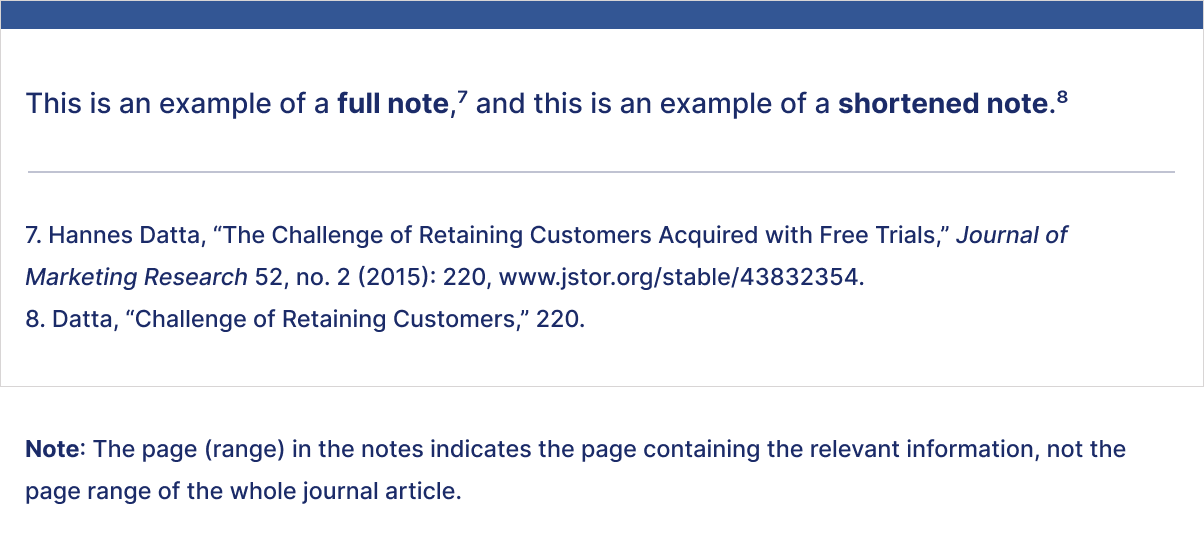
2. Author-Date System:
Commonly used in the social sciences, this system is more streamlined and might be preferable for shorter articles, blog posts, or practical travel guides where quick reference to sources is sufficient without lengthy notes.
- Parenthetical Citations: Sources are cited briefly in the text, usually with the author’s last name and the year of publication (e.g., Smith 2023). A page number might be added for direct quotes (Smith 2023, 45).
- Reference List: An alphabetical list of all sources cited, placed at the end of the document. Similar to a bibliography, but specifically includes only those works referenced in the text.
When to Use in Travel: For comparing hotel amenities across different brands like Hilton and Marriott International, citing tourism statistics from a government report for a travel trends article, or referencing a specific travel study about visitor demographics in Dubai. This system is efficient for data-driven articles or pieces where direct references are frequent but detailed commentary is not required in the notes.

Crafting Your Citations: Essential Elements for Travel Resources
Regardless of the system you choose, the core elements of a citation remain consistent. Here’s how to cite common types of travel-related resources in Chicago Style.
Books and Travel Guides: Your Compass for Exploration
Travel guides, historical tomes, and memoirs are foundational resources for any trip.
-
Basic Format (Notes-Bibliography):
- Note: 1. Firstname Lastname, Title of Book (Place of Publication: Publisher, Year), page number(s).
- Bibliography: Lastname, Firstname. Title of Book. Place of Publication: Publisher, Year.
-
Example (Notes-Bibliography):
- Note: 1. Rick Steves, Rick Steves’ Italy (Berkeley, CA: Avalon Travel, 2023), 125.
- Bibliography: Steves, Rick. Rick Steves’ Italy. Berkeley, CA: Avalon Travel, 2023.
-
Basic Format (Author-Date):
- Text Citation: (Lastname Year, page number)
- Reference List: Lastname, Firstname. Year. Title of Book. Place of Publication: Publisher.
-
Example (Author-Date):
- Text Citation: (Steves 2023, 125)
- Reference List: Steves, Rick. 2023. Rick Steves’ Italy. Berkeley, CA: Avalon Travel.
Tips for Travel Guides: For guides like Rough Guides or National Geographic Traveler, treat the publisher as the author if no specific author is named, or credit the editor.
Websites and Online Articles: Unlocking Digital Destinations
The internet is a goldmine for travel planning, from official tourism sites to personal blogs and hotel reviews.
-
Basic Format (Notes-Bibliography):
- Note: 1. Author Name, “Title of Web Page/Article,” Name of Website, Publication Date (if available), URL.
- Bibliography: Author Name. “Title of Web Page/Article.” Name of Website. Last modified Month Day, Year (if available). URL.
-
Example (Notes-Bibliography):
- Note: 1. Jane Doe, “Exploring the Hidden Alleys of Kyoto,” Global Wanderer Blog, October 15, 2023, https://lifeoutofthebox.com/exploring-kyoto-alleys.
- Bibliography: Doe, Jane. “Exploring the Hidden Alleys of Kyoto.” Global Wanderer Blog. Last modified October 15, 2023. https://lifeoutofthebox.com/exploring-kyoto-alleys.
-
Basic Format (Author-Date):
- Text Citation: (Author/Website Name Year)
- Reference List: Author Name. Year. “Title of Web Page/Article.” Name of Website. Last modified Month Day, Year. URL.
-
Example (Author-Date):
- Text Citation: (Doe 2023) or (“Grand Hyatt Hotel Overview” 2023)
- Reference List: Doe, Jane. 2023. “Exploring the Hidden Alleys of Kyoto.” Global Wanderer Blog. Last modified October 15, 2023. https://lifeoutofthebox.com/exploring-kyoto-alleys.
Tips for Online Sources: Include the last modified or access date, especially for content that might change frequently (e.g., hotel prices, flight information). For pages without a clear author, start the citation with the title of the page or the name of the organization that published it.
Journal Articles and Academic Studies: Deep Dives into Local Culture and Tourism
For researchers and those exploring the deeper implications of travel, scholarly articles are indispensable.
-
Basic Format (Notes-Bibliography):
- Note: 1. Firstname Lastname, “Title of Article,” Title of Journal Volume, no. Issue (Year): page number(s).
- Bibliography: Lastname, Firstname. “Title of Article.” Title of Journal Volume, no. Issue (Year): page range.
-
Example (Notes-Bibliography):
- Note: 1. Sarah Chen, “The Impact of Ecotourism on Local Communities in Costa Rica,” Journal of Sustainable Tourism 25, no. 3 (2022): 345.
- Bibliography: Chen, Sarah. “The Impact of Ecotourism on Local Communities in Costa Rica.” Journal of Sustainable Tourism 25, no. 3 (2022): 330–350.
-
Basic Format (Author-Date):
- Text Citation: (Lastname Year, page number)
- Reference List: Lastname, Firstname. Year. “Title of Article.” Title of Journal Volume, no. Issue: page range.
-
Example (Author-Date):
- Text Citation: (Chen 2022, 345)
- Reference List: Chen, Sarah. 2022. “The Impact of Ecotourism on Local Communities in Costa Rica.” Journal of Sustainable Tourism 25, no. 3: 330–350.
Tips: Include a DOI (Digital Object Identifier) if available, as it provides a stable link to the article online.
Practical Application: Integrating Citations into Your Travel Narratives
Knowing the formats is one thing; seamlessly integrating them into your writing is another. Chicago Style offers elegant ways to weave your sources into your travel stories.
Footnotes and Endnotes: Enriching Your Travel Stories
When using the Notes-Bibliography system, footnotes and endnotes allow you to provide detailed source information or even add supplementary commentary without interrupting the flow of your main text. This is particularly useful for historical pieces or cultural explorations.
- In-Text Numbering: Place a superscript number at the end of the sentence or clause where the information being cited appears.
- Example: “The Great Wall of China stretches for thousands of miles, a testament to ancient engineering prowess.¹”
- Note Entry: At the bottom of the page (footnote) or at the end of the document (endnote), the corresponding number will introduce the citation.
- Example: 1. Robert E. Wilson, Ancient Wonders of the World (New York: Globe Press, 2021), 89.
This method is perfect for articles detailing the history of a landmark like the Statue of Liberty in New York City or explaining the complex architectural journey of Big Ben in London. You can cite multiple sources in a single note or use subsequent shortened notes for repeated references to the same source (e.g., “Ibid., 92” or “Wilson, Ancient Wonders, 105″).
Building Your Bibliography: A Resource List for Fellow Explorers
A well-constructed bibliography or reference list is more than just an academic requirement; it’s a valuable resource for your readers. For a travel website like “Life Out of the Box,” this section can function as a “Recommended Reading” or “Further Exploration” list, encouraging deeper engagement with the topics you present.
- Alphabetical Order: List all your sources alphabetically by the author’s last name (or by title if no author is given).
- Full Details: Ensure each entry provides complete bibliographic information so readers can easily find the original source.
- Consistency: Maintain strict consistency in formatting across all entries.
Example of a Bibliography Section in a Travel Article:
Bibliography
Chen, Sarah. “The Impact of Ecotourism on Local Communities in Costa Rica.” Journal of Sustainable Tourism 25, no. 3 (2022): 330–350.
Doe, Jane. “Exploring the Hidden Alleys of Kyoto.” Global Wanderer Blog. Last modified October 15, 2023. https://lifeoutofthebox.com/exploring-kyoto-alleys.
Grand Hyatt Hotel. “Hotel Overview: Features and Amenities.” Grand Hyatt Hotel Website. Accessed November 20, 2023. https://lifeoutofthebox.com/grand-hyatt-hotel-overview.
Steves, Rick. Rick Steves’ Italy. Berkeley, CA: Avalon Travel, 2023.
Wilson, Robert E. Ancient Wonders of the World. New York: Globe Press, 2021.
This list transforms from a mere obligation into a curated selection of resources, enabling your audience to follow in your research footsteps and broaden their understanding of destinations like Singapore, Tokyo, or Sydney, Australia.
Beyond the Basics: Advanced Tips for Travel Writers and Researchers
While the core citation formats cover most common sources, some unique aspects of travel content might require specific attention.
Citing Visuals and Maps: Picturing Your Journey
Travel content often heavily relies on stunning photography, illustrative maps, and informative infographics. Citing these visual elements is just as important as citing textual sources.
- General Rule: If you reproduce an image or map created by someone else, you must credit the source. This typically involves an in-text caption below the image and an entry in your bibliography.
- Caption Format: Figure 1. Description of image/map. Source: [Photographer/Cartographer Name], Title of Work, Year.
- Bibliography/Reference List: Treat images and maps like other works, often citing the book, website, or collection where they were found.
Example: If you feature a historical map of London from an archived collection, your caption would credit the cartographer and the archival institution, with full details in your bibliography. For a photo of the Sydney Opera House from a stock photo site, you’d credit the photographer and the platform.
Interviews and Personal Communications: Firsthand Accounts from the Road
A hallmark of immersive travel writing is the inclusion of firsthand accounts—interviews with locals, tour guides, or hotel managers.
- Notes-Bibliography: These are typically cited only in a note, as they are non-recoverable by readers.
- Example: 1. John Smith (tour guide, Machu Picchu), in discussion with the author, October 20, 2023.
- Author-Date: Usually mentioned in the text but often omitted from the reference list.
- Example: According to local artisan Maria Rodriguez (pers. comm., June 12, 2023), the weaving techniques in Oaxaca, Mexico, have been passed down for generations.
Software and Tools: Streamlining Your Citation Process
Managing multiple sources for a detailed travel guide or research paper can be daunting. Fortunately, numerous citation management tools can simplify the process:
- Zotero, Mendeley, EndNote: These programs help you collect, organize, and cite sources in various styles, including Chicago Style. They can automatically generate bibliographies and footnotes, saving significant time and reducing errors.
- Online Citation Generators: Websites like Purdue OWL’s Chicago Style guide or EasyBib offer quick tools for generating citations, though it’s always wise to double-check their output for accuracy against the official Chicago Manual of Style.
Conclusion
The journey of discovery, whether through travel or research, is enriched by the careful acknowledgement of the sources that illuminate our path. Mastering Chicago Style citation, far from being a dry academic exercise, empowers you to become a more credible traveler, a more authoritative content creator, and a more ethical sharer of knowledge within the vibrant world of travel and lifestyle.
By embracing the principles of the Notes-Bibliography or Author-Date system, you equip yourself with the tools to meticulously document everything from historical facts about ancient landmarks to the latest trends in luxury accommodation. Your meticulously crafted footnotes, endnotes, and bibliographies transform into an invitation for your audience to delve deeper, validating your insights and fostering a community of informed explorers. So, as you plan your next grand tour, pen your next captivating travelogue, or analyze the intricacies of global tourism, remember that proper citation is not just a rule—it’s a testament to your dedication to accuracy, integrity, and the enduring power of shared knowledge. Happy travels, and happy citing!
LifeOutOfTheBox is a participant in the Amazon Services LLC Associates Program, an affiliate advertising program designed to provide a means for sites to earn advertising fees by advertising and linking to Amazon.com. Amazon, the Amazon logo, AmazonSupply, and the AmazonSupply logo are trademarks of Amazon.com, Inc. or its affiliates. As an Amazon Associate we earn affiliate commissions from qualifying purchases.