
Winter travel in Colorado presents a unique set of challenges and exhilarating opportunities for adventurers, from powder hounds carving slopes in Vail and Aspen to families exploring the festive atmosphere of Denver. A common question for those planning a visit, especially during the colder months, revolves around road conditions and maintenance: “Does Colorado use salt on its roads?” The answer is nuanced, reflecting the state’s innovative approach to keeping its vital transportation arteries clear and safe, balancing effectiveness with environmental responsibility. Understanding these strategies is crucial for any traveler navigating the majestic, yet often formidable, winter landscape of the Rocky Mountains.

The Winter Reality: Road Maintenance in Colorado
Colorado experiences some of the most dramatic and unpredictable winter weather in the United States. From heavy, consistent snowfall in the high country to sudden temperature drops and icy conditions on the Front Range, the state’s diverse geography demands a robust and adaptable road maintenance program. The primary goal is to ensure the safety of millions of residents and the countless tourists who flock to Colorado each year, drawn by its world-class ski resorts, national parks, and stunning natural beauty. Keeping major thoroughfares like Interstate 70 (I-70) open and passable is not merely a convenience; it’s an economic and public safety imperative.
The Battle Against Ice and Snow
The fight against winter elements begins long before the first snowflake falls. Colorado Department of Transportation (CDOT) crews are engaged in a perpetual cycle of preparation, response, and recovery. The challenges are multifaceted: high elevations lead to sustained periods of freezing temperatures, while intense snowstorms can dump feet of snow in a matter of hours. The freeze-thaw cycle, common in the lower elevations and particularly troublesome in the spring, creates treacherous black ice conditions. Traditional rock salt, while effective in some climates, has limitations in Colorado’s colder, drier air and at higher altitudes where temperatures often dip below its effective freezing point. Moreover, the environmental impact of large-scale salt application, particularly on waterways and roadside vegetation, has prompted CDOT to explore and implement more advanced solutions. This strategic shift is designed to minimize ecological harm while maximizing road safety and reliability throughout the winter season.
Beyond Brine: Colorado’s Approach to De-Icing
While basic sodium chloride (road salt) may see limited use in certain, milder applications, Colorado’s primary strategy for winter road maintenance leans heavily on sophisticated chemical de-icers, anti-icing techniques, and mechanical removal. This multi-pronged approach allows CDOT to tackle the diverse weather patterns and geographical challenges effectively. The aim is not just to clear snow, but to prevent ice from forming a bond with the pavement, making subsequent snow removal much easier and more efficient.
Magnesium Chloride: A Preferred Solution
The cornerstone of Colorado’s de-icing program is Mag-Chloride, or magnesium chloride. This chemical compound is highly effective at lower temperatures than traditional salt, maintaining its de-icing properties down to approximately -15 to -20 degrees Fahrenheit. Applied as a liquid brine, Mag-Chloride works by lowering the freezing point of water on the road surface. When applied before a snowstorm (anti-icing), it prevents snow and ice from bonding to the pavement, creating a slushy layer that plows can easily scrape away. When used during or after a storm (de-icing), it melts existing ice and snowpack.
One of Mag-Chloride’s significant advantages over sodium chloride is its reduced corrosiveness, which helps mitigate damage to vehicles and infrastructure like bridges and guardrails. It also adheres better to road surfaces, reducing runoff and, consequently, its environmental impact compared to older methods. Its liquid application also minimizes particulate matter pollution often associated with granular salts and sands, contributing to cleaner air quality, particularly in mountain valleys where inversions can trap pollutants.
The Role of Sand and Plows
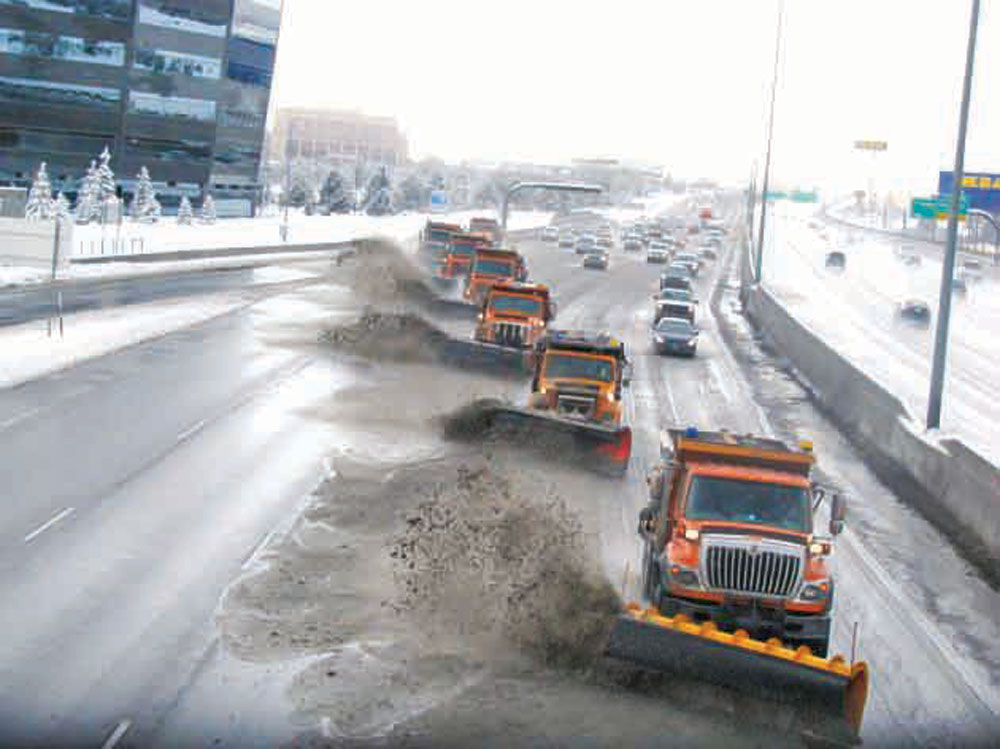
Despite the chemical advancements, mechanical snow removal remains paramount. CDOT’s fleet of snowplows, including advanced tow plows and wing plows, are the first line of defense against heavy snowfall, clearing paths for traffic and allowing de-icers to work more effectively. For areas with extreme cold or exceptionally steep grades, where chemical de-icers become less potent, CDOT may deploy traction sand. This sand is often pre-treated with a small percentage of de-icer to prevent it from freezing into clumps, ensuring it spreads evenly and provides immediate grip on slick surfaces.
While sand offers immediate traction benefits, its use is carefully managed due to environmental drawbacks. Sand can contribute to air pollution as it gets pulverized by traffic and becomes airborne. In the spring, significant resources are allocated to sweeping up residual sand to prevent it from clogging storm drains and impacting water quality. CDOT continuously evaluates its practices, striving to reduce sand usage where chemical alternatives are more efficient and environmentally sound.
Strategic Application and Environmental Concerns
Colorado’s de-icing strategy is highly data-driven. CDOT utilizes sophisticated road weather information systems (RWIS), incorporating forecasts, pavement temperature sensors, and real-time road conditions to determine the most effective treatment at any given time. This precision application minimizes waste and reduces the overall amount of chemicals introduced into the environment.
Environmental stewardship is a continuous focus. While Mag-Chloride is generally considered less harmful than sodium chloride, all de-icing chemicals have potential impacts. Runoff into sensitive aquatic ecosystems, particularly trout streams that populate the Rocky Mountains, is a concern. CDOT invests in research and pilot programs for new, even greener alternatives, such as sugar beet-based products or other organic additives that enhance de-icer performance while further reducing environmental footprints. The goal is always to achieve safe roads with the smallest possible ecological impact.

Impact on Travelers and Vehicles
For travelers heading to Colorado in winter, understanding the state’s road treatment methods is key to a safe and enjoyable journey. While Mag-Chloride is less corrosive than salt, it can still leave a noticeable film on vehicles, and its effectiveness means that roads, though clearer, can still be slick.
Vehicle Preparedness for Mountain Passes
Proper vehicle preparation is non-negotiable for winter travel, especially when venturing into the high country to popular destinations like Breckenridge, Winter Park, or Telluride. All-wheel drive (AWD) or four-wheel drive (4WD) vehicles equipped with quality all-weather or dedicated winter tires are highly recommended. Winter tires, identifiable by the “mountain snowflake” symbol, offer superior traction on snow and ice compared to standard all-season tires. Before hitting the road, ensure your vehicle’s fluid levels, battery, brakes, wipers, and lights are in excellent condition. A full tank of gas, an emergency kit, and warm blankets are also prudent additions to your winter travel checklist.
Understanding Chain Laws and Traction Devices
Colorado has strict Passenger Vehicle Chain Laws and Commercial Vehicle Chain Laws that can be activated on various mountain passes, including Loveland Pass, Monarch Pass, and Wolf Creek Pass, during severe winter weather. When a chain law is in effect, certain vehicles are required to use chains or other approved traction devices (such as auto-socks). Failure to comply can result in significant fines and, more importantly, poses a serious safety risk to you and other motorists. Even if you have a 4WD or AWD vehicle, it’s wise to carry traction devices and know how to install them, especially if your itinerary involves navigating high mountain passes. The requirements are clearly posted, and real-time updates are available through official CDOT channels.
Post-Trip Vehicle Care
After driving on Colorado’s winter roads, especially those treated with Mag-Chloride or sand, it is highly advisable to wash your vehicle thoroughly. Pay particular attention to the undercarriage, wheel wells, and brake components. Regular washing helps remove any chemical residues or abrasive sand particles that, over time, could contribute to corrosion or wear on vehicle parts. A quick wash after your trip can significantly extend the life and appearance of your vehicle.
Navigating Colorado’s Winter Roads: Tips for a Seamless Journey
Winter travel in Colorado is an unforgettable experience, but it requires mindful planning and preparation. By taking a proactive approach, travelers can ensure a smooth and safe journey through the state’s incredible winter wonderland.
Check Road Conditions Regularly
The single most important tip for winter travel in Colorado is to constantly monitor road conditions. CDOT’s official website, COtrip.org, is an indispensable resource, offering real-time updates on road closures, chain law activations, traffic cameras, and estimated travel times. Many navigation apps also integrate CDOT data. Check conditions before you leave, during rest stops, and even while en route, particularly if you’re traversing major corridors like I-70 through Glenwood Canyon or approaching the Eisenhower Tunnel. Conditions can change rapidly, especially in the mountains.
Allow Extra Travel Time
Winter conditions inherently slow down travel. Snow, ice, reduced visibility, and the presence of snowplows can all contribute to significant delays. What might be a two-hour drive in summer could easily become a three or four-hour journey in winter. Factor in ample extra time for your itinerary, especially when traveling to popular ski areas like Steamboat Springs, Copper Mountain, or Purgatory. Rushing increases the risk of accidents and elevates stress levels, detracting from the overall enjoyment of your trip.
Plan Your Route Wisely
Be aware that certain high mountain passes may close entirely for the winter season or operate with restrictions. While major highways are generally well-maintained, secondary roads, especially those leading to more remote trailheads or smaller communities, might be less frequently plowed or treated. Consult maps and CDOT resources to understand the accessibility of your chosen destinations, whether it’s the accessible portions of Mesa Verde National Park or the challenging roads near Great Sand Dunes National Park and Preserve. Having alternative routes or being prepared to adjust your plans is a hallmark of smart winter travel in Colorado.
Embrace the Winter Experience Safely
Colorado winters are a spectacle of beauty and an invitation to adventure. While the state’s advanced road maintenance strategies, utilizing Mag-Chloride and other techniques, effectively keep roads safe, the ultimate responsibility for a secure journey rests with the traveler. By preparing your vehicle, staying informed about road conditions, and exercising caution and patience, you can fully embrace the magic of a Colorado winter, creating memories that will last a lifetime, all while navigating its incredible landscape safely and confidently.
LifeOutOfTheBox is a participant in the Amazon Services LLC Associates Program, an affiliate advertising program designed to provide a means for sites to earn advertising fees by advertising and linking to Amazon.com. Amazon, the Amazon logo, AmazonSupply, and the AmazonSupply logo are trademarks of Amazon.com, Inc. or its affiliates. As an Amazon Associate we earn affiliate commissions from qualifying purchases.