
The Entrepreneurial Lifestyle and Asset Acquisition
For the modern entrepreneur, especially those based in vibrant business hubs like Colorado, the lines between professional ambition and personal lifestyle often blur. Strategic business decisions, from client acquisition to asset investment, profoundly shape one’s quality of life. Among these decisions, the acquisition of a reliable and versatile vehicle like the Ford F150 stands out, not just for its operational utility but for its potential to unlock significant financial advantages that directly contribute to a more optimized lifestyle. Understanding how vehicles qualify for deductions like Section 179 can transform a necessary business expense into a powerful tool for financial freedom and operational efficiency.
Blending Business and Personal Needs
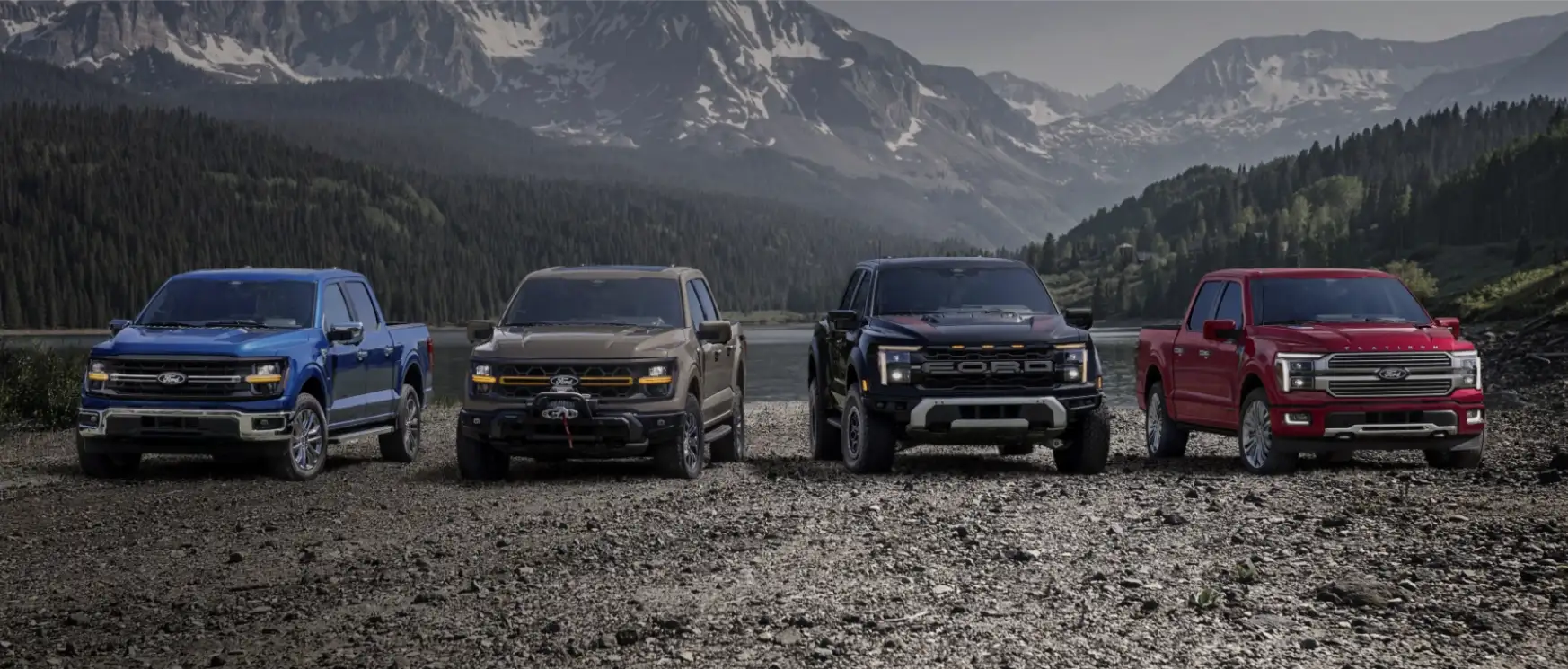
The entrepreneurial journey often demands flexibility. A business owner might use their vehicle to transport equipment to a job site, meet clients across the state, or even facilitate personal adventures on the weekends. The Ford F150, renowned for its durability, towing capacity, and comfort, perfectly embodies this blend of utility. For a Colorado entrepreneur running a landscaping company, a contracting business, or an outdoor guiding service, the F150 isn’t just a truck; it’s an extension of their operational capacity and a facilitator of their adventurous spirit. The ability to deduct a substantial portion of its purchase price under Section 179 means that this vital business asset can be acquired with a significantly reduced upfront tax burden, freeing up capital for other lifestyle-enhancing investments or simply providing greater peace of mind. This strategic financial move allows business owners to invest in high-quality assets that support both their professional endeavors and their desire for a comfortable, capable personal life, all while operating within a tax-advantageous framework.
Strategic Financial Planning for Lifestyle Enhancement
Savvy business owners understand that financial planning isn’t just about managing income and expenses; it’s about making choices that enhance their overall lifestyle. The Section 179 deduction is a prime example of a tax incentive that, when utilized effectively, can lead to substantial savings, allowing entrepreneurs to reinvest in their business, save for future goals, or simply enjoy the fruits of their labor. For a business in Colorado, where outdoor activities and rugged terrain are common, a capable vehicle is often a necessity. By leveraging Section 179 for a qualifying Ford F150, business owners can reduce their taxable income, lowering their overall tax bill for 2024. This financial relief can then be channeled into business growth, expansion into new markets, or even funding personal passions that define their unique lifestyle, such as family vacations or pursuing hobbies. It’s about making smart financial decisions that create a positive ripple effect across both professional and personal spheres, ultimately contributing to a richer, more secure lifestyle.
Unlocking Tax Advantages for Colorado Businesses
The Internal Revenue Code’s Section 179 provision offers a powerful incentive for businesses to invest in themselves by allowing them to deduct the full purchase price of qualifying equipment and software during the tax year it was placed into service. For Colorado businesses, this can be a game-changer, especially when considering the acquisition of a new or used vehicle like the Ford F150. Rather than depreciating the asset over several years, Section 179 allows for an immediate, significant deduction, which can drastically reduce a business’s taxable income and, consequently, its tax liability for 2024. This immediate write-off can significantly improve cash flow, providing businesses with more liquidity to invest in growth, manage operations, or even enhance employee benefits, all of which contribute to a more robust and attractive business lifestyle.
Understanding Section 179 for Vehicle Purchases
Not all vehicles automatically qualify for the full Section 179 deduction. The IRS categorizes vehicles in specific ways for tax purposes. For a passenger vehicle (like a sedan or smaller SUV), the deduction limits are typically much lower, subject to annual caps unless the vehicle is used more than 50% for business and falls under specific exceptions. However, heavy SUVs, pickups, and vans generally qualify for more favorable treatment. These vehicles, often referred to as “qualified non-personal use vehicles,” typically have a Gross Vehicle Weight Rating (GVWR) exceeding 6,000 pounds.
The crucial point for a Ford F150 is its GVWR. Most F-150 models, especially those configured for commercial or heavy-duty use, easily exceed the 6,000-pound GVWR threshold, making them eligible for the full Section 179 deduction up to the annual limit. For 2024, the maximum Section 179 deduction is $1,220,000, with a spending cap of $3,050,000. While an F-150 won’t approach these maximums, it means a business can typically write off the entire purchase price of a qualifying vehicle, provided they meet the usage requirements and other Section 179 criteria. This provision significantly lowers the effective cost of acquiring essential business transportation, bolstering the financial foundation of any Colorado enterprise.
Specifics for Heavy SUVs and Trucks Like the F150
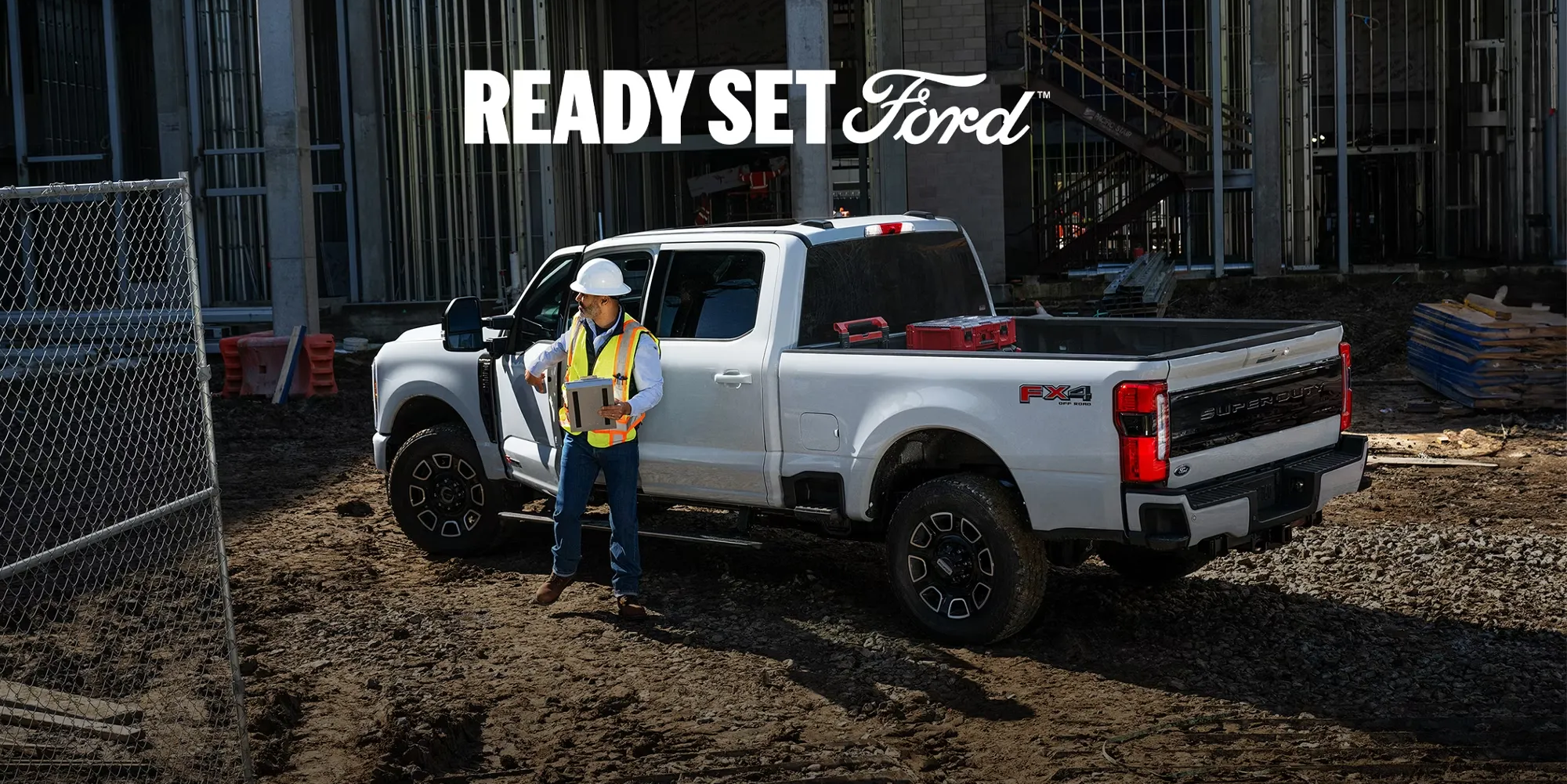
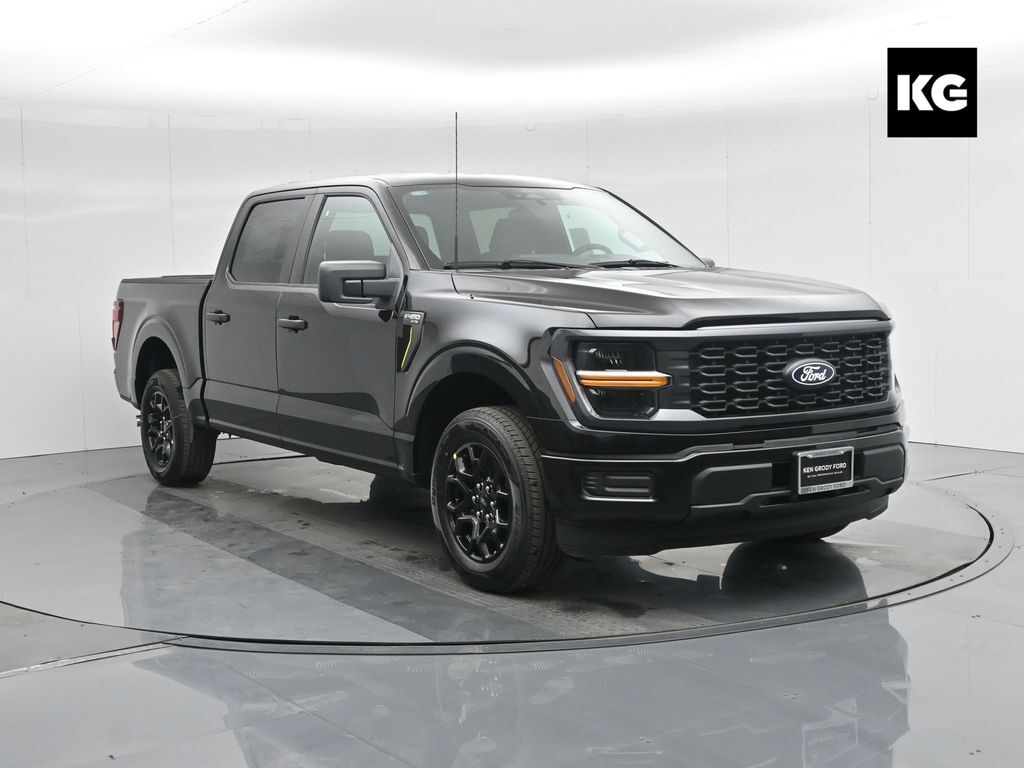
When evaluating a Ford F150 for Section 179 eligibility in 2024, the key characteristic is its GVWR. Most F-150 models, particularly those beyond the most basic configurations, have a GVWR above 6,000 pounds. This places them in a category often eligible for the full deduction, provided the vehicle is purchased and placed into service between January 1 and December 31, 2024, and used more than 50% for business purposes. The maximum deduction for heavy SUVs (which would include many large trucks like the F-150 if they’re treated as non-personal use vehicles or fall under specific classifications) is set at $28,900 for 2024 if they fall under the “SUV rule” which applies if the vehicle is not a qualified “transportation property” (e.g., a cargo van or true work truck). However, genuine work trucks like many F-150 configurations, designed to carry property rather than passengers, may qualify for the higher general Section 179 limits. It is critical for Colorado businesses to consult the vehicle’s manufacturer specifications or dealer to confirm the exact GVWR and understand how the IRS classifies their specific F-150 model to ensure maximum eligibility for this valuable deduction.
Ford F150 in the Colorado Business Landscape
The choice of vehicle often reflects the specific demands and ethos of a business, particularly in a diverse and geographically varied state like Colorado. For many Colorado entrepreneurs, the Ford F150 isn’t just a mode of transport; it’s an indispensable tool that facilitates daily operations, enables expansion, and even supports the distinctive lifestyle associated with living and working in the Rocky Mountain region. Its rugged capability aligns perfectly with the needs of businesses that require versatility and resilience, from navigating mountain passes to hauling essential supplies across urban landscapes.
Practical Applications for the Colorado Entrepreneur
Consider a small construction firm based in Denver that frequently takes on projects in Boulder or Colorado Springs. A Ford F150 provides the necessary towing capacity for trailers filled with lumber, tools, and heavy machinery. For an outdoor guide service operating out of Vail or Aspen, the F150 is ideal for transporting clients and gear to remote trailheads or ski resorts. Even for a mobile technician servicing clients from Fort Collins to Pueblo, the F150 offers ample cargo space for tools and equipment, along with the reliability needed for extensive travel. In all these scenarios, the F150 directly supports core business functions, making it a “qualified property” for Section 179 purposes, assuming the business use threshold is met. This means a significant portion, if not all, of the vehicle’s cost can be written off in the year of purchase, profoundly impacting the business’s bottom line and freeing up capital that can be used to grow the business or enhance the owner’s lifestyle.
Navigating State-Specific Considerations
While Section 179 is a federal tax provision, Colorado businesses must also consider how state tax laws interact with federal deductions. Fortunately, Colorado generally conforms to federal tax law regarding Section 179 deductions. This means that if your Ford F150 qualifies for the Section 179 deduction at the federal level for 2024, it is highly likely to qualify for a similar deduction on your Colorado state income tax return. However, it’s always prudent for Colorado business owners to confirm the latest state tax regulations or consult with a qualified tax professional. State conformity can change, and understanding any minor discrepancies can prevent unforeseen tax implications. Properly leveraging both federal and state deductions can significantly amplify the financial benefits of acquiring a new F150, making it an even more attractive investment for the Colorado entrepreneur looking to optimize their business operations and personal financial landscape.
Maximizing Lifestyle Benefits Through Smart Business Choices
The decision to purchase a Ford F150 for your Colorado business in 2024, coupled with the strategic application of Section 179, goes beyond mere tax savings. It embodies a holistic approach to business ownership that prioritizes long-term financial stability, operational excellence, and, ultimately, a more fulfilling lifestyle. By making informed choices about asset acquisition and tax planning, entrepreneurs can build a resilient business that supports their professional aspirations and personal well-being. This proactive approach to business finance allows for greater control over resources, fostering an environment where growth and personal enrichment can thrive hand-in-hand.
Long-Term Financial Freedom and Operational Efficiency
Utilizing Section 179 for a Ford F150 provides an immediate financial injection into your business by reducing taxable income. This isn’t just a one-time benefit; it lays the groundwork for long-term financial freedom. The capital saved on taxes can be reinvested into expanding operations, hiring more staff, or developing new services, all of which contribute to sustainable growth. Furthermore, owning a reliable, capable vehicle like the F150 enhances operational efficiency. Fewer breakdowns, increased capacity for hauling or towing, and the ability to confidently navigate Colorado’s diverse terrains translate into less downtime and more productive hours. This efficiency directly impacts the bottom line, allowing the business to operate more profitably and providing the owner with greater financial flexibility. This synergy between smart tax planning and operational excellence creates a cycle of sustained success, reducing stress and opening doors to a more comfortable and secure lifestyle.
Consulting Experts for Tailored Lifestyle-Business Integration
While the general principles of Section 179 and Ford F150 eligibility are clear, the specifics of each business’s situation can vary. The nuances of business use, vehicle classification, and overall financial strategy require careful consideration. For Colorado entrepreneurs, collaborating with a qualified tax advisor or financial planner is an invaluable step in fully integrating their business decisions with their lifestyle goals. These professionals can provide tailored advice on maximizing Section 179 deductions, understanding any Colorado-specific tax implications, and structuring asset purchases in the most tax-efficient manner for 2024. They can also help assess the long-term impact of such decisions on cash flow, profitability, and personal financial planning. By seeking expert guidance, business owners can ensure they are not only compliant with tax laws but are also strategically leveraging every available advantage to build a thriving business that supports the rich and rewarding lifestyle they envision.
LifeOutOfTheBox is a participant in the Amazon Services LLC Associates Program, an affiliate advertising program designed to provide a means for sites to earn advertising fees by advertising and linking to Amazon.com. Amazon, the Amazon logo, AmazonSupply, and the AmazonSupply logo are trademarks of Amazon.com, Inc. or its affiliates. As an Amazon Associate we earn affiliate commissions from qualifying purchases.