
Yes, it absolutely snows in Colorado Springs, and quite regularly so! For travelers planning a visit to this captivating city nestled at the foot of the Rocky Mountains, understanding its snowy climate is key to a well-prepared and enjoyable trip. While not known for the monumental snowfalls often associated with higher-altitude ski towns, Colorado Springs experiences a distinct winter season, transforming its iconic landscapes into a picturesque, snow-dusted wonderland. This guide delves into what visitors can expect regarding snowfall, when to plan for it, and how to make the most of a snowy escape to this unique destination.
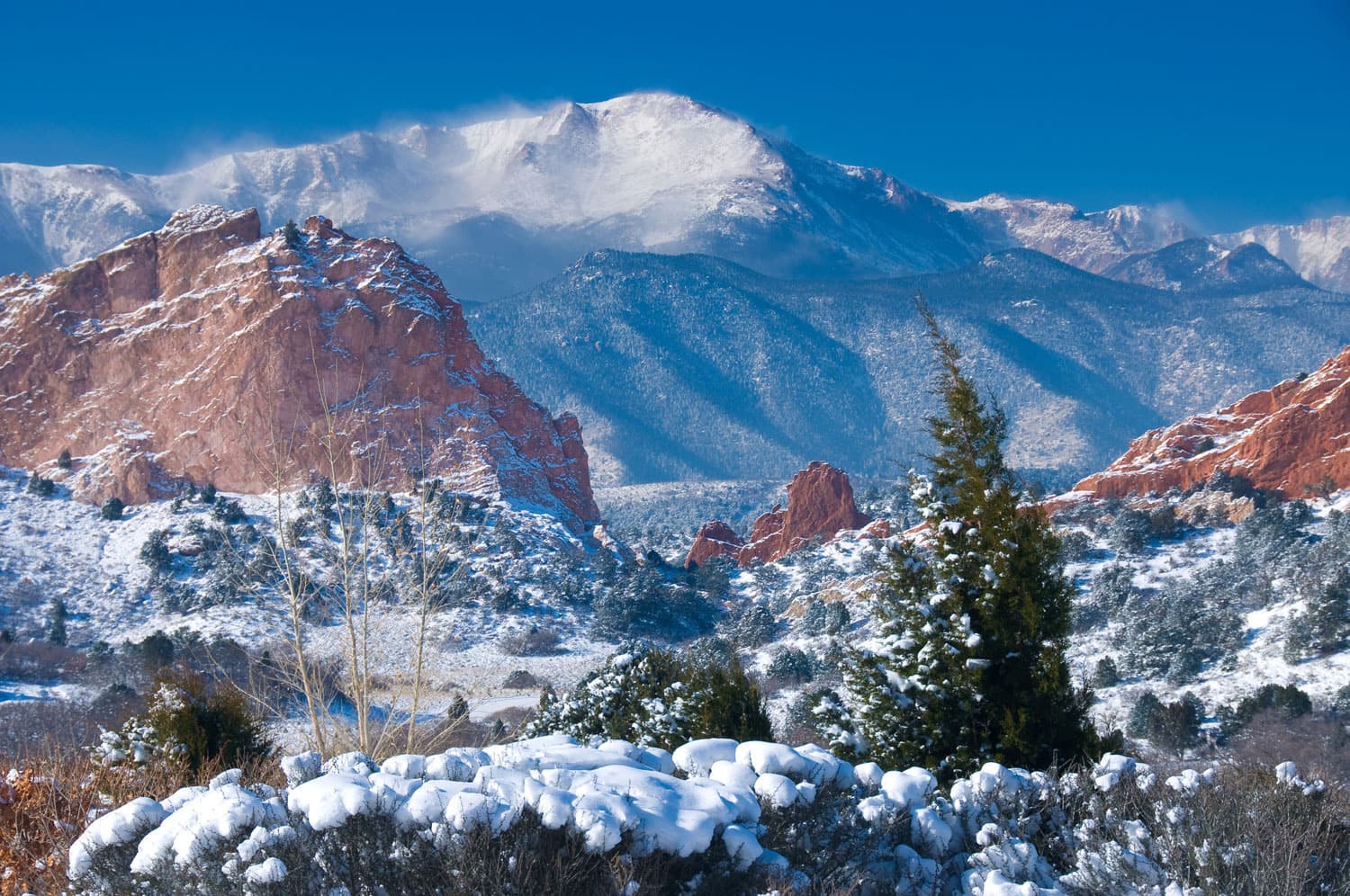
The Winter Wonderland of Colorado Springs
Colorado Springs‘s geographical position and elevation play a significant role in its winter weather patterns. Situated at an average elevation of around 6,035 feet (1,839 meters) above sea level, the city is high enough to regularly receive snow, yet often sees it melt more quickly than in mountain towns due to its southern latitude and abundant sunshine. This combination creates a dynamic winter environment that is both beautiful and manageable for visitors.
General Climate and Elevation
The climate of Colorado Springs is classified as semi-arid, characterized by four distinct seasons. Winter brings cold temperatures and snowfall, but also a surprising number of sunny days. The city’s elevation means that while temperatures can drop below freezing, intense, prolonged cold snaps are less common than in areas further north or higher up. The nearby Pikes Peak, often called “America’s Mountain,” acts as a weather influencer, with its towering presence affecting local air currents and moisture patterns. While the peak itself is frequently covered in snow for much of the year, the city below experiences a more varied winter.
Average Snowfall and Duration
On average, Colorado Springs receives about 38 inches of snow per year. This figure, however, can be deceiving, as not all snow events are equal. The city typically experiences several significant snowfalls throughout the winter months, interspersed with lighter dustings. What truly sets Colorado Springs apart is the duration of snow cover. Thanks to its strong sun exposure, snow often melts quickly, particularly on paved surfaces and south-facing slopes. It’s common for a substantial snowfall to melt entirely within a day or two, leaving behind clear roads and access to attractions, while the shaded areas and mountains retain their pristine white blankets for longer. This “melt-and-freeze” cycle can make winter travel fascinating, offering both snowy vistas and easy navigation.
Microclimates and Variability
Travelers should also be aware of the microclimates within the Colorado Springs area. Higher elevations, such as those closer to Pikes Peak or in areas like Manitou Springs, may receive more snow and retain it longer than the lower, eastern parts of the city. Furthermore, weather in Colorado can be famously unpredictable. A clear, sunny morning can quickly give way to a sudden snowstorm, only to clear again by afternoon. This variability adds to the adventure but underscores the importance of checking local forecasts regularly when planning winter activities.
When to Expect Snow: A Seasonal Breakdown for Travelers
Understanding the typical snowfall patterns throughout the colder months is crucial for travelers deciding when to visit Colorado Springs for a snowy experience. While snow can technically fall from October to May, the peak season for significant accumulation and winter activities generally spans from late November through March.
Early Winter (November-December)
November marks the beginning of the true winter season in Colorado Springs. While early November might see only occasional dustings, by Thanksgiving, the chances of more substantial snowfalls increase significantly. December is usually a reliable month for experiencing snow, often leading to a festive, holiday-card-perfect ambiance. Average temperatures begin to drop, with daytime highs typically in the 30s and 40s Fahrenheit (0-10°C) and nighttime lows below freezing. Travelers visiting during this period should be prepared for cold weather and potential road impacts, especially in the immediate aftermath of a storm. However, the pre-holiday season, with its twinkling lights and fresh snow, offers a truly magical experience.
Peak Winter (January-February)
January and February are generally the coldest months and often bring the most consistent snowfall to Colorado Springs. These months are prime for capturing the classic snowy landscape photos and enjoying winter activities. While snowstorms can be frequent, the fast melting described earlier means that roads are usually clear within a day, allowing continued access to most attractions. Daytime temperatures remain in the 30s (°F) with colder nights. For those seeking a definitive snowy visit, January and February offer the highest probability of encountering snow-covered vistas and experiencing the true winter character of the region. This is also a less crowded time for tourism compared to the summer months, offering a more serene visit.
Late Winter/Early Spring (March-April)
March in Colorado Springs is notorious for its “spring snows.” These can often be the heaviest snowfalls of the entire season, sometimes delivering a foot or more of snow in a single storm. While the sun grows stronger and daytime temperatures begin to climb into the 40s and 50s (°F), March snowstorms can be quite impactful. April continues this trend, though snow becomes less frequent and melts much faster. Travelers in late winter or early spring should be prepared for a mix of weather conditions, potentially experiencing both sunny, mild days and significant snow events. This period offers a unique blend of spring’s awakening and winter’s last hurrah, perfect for those who enjoy variable weather and dramatic scenery shifts.
Rare Occurrences (October, May)
While less common, it is not unheard of for Colorado Springs to receive early snow in October or late snow in May. These events are typically lighter and melt quickly, serving as a reminder of the city’s high-altitude environment. Travelers visiting during these shoulder months should simply be aware of the slight possibility of an unexpected dusting, which can add a surprising charm to an autumn or spring trip.
Experiencing Snow in Colorado Springs: Activities and Attractions
A snowy visit to Colorado Springs opens up a range of unique experiences, from breathtaking natural sights transformed by snow to cozy indoor activities. The city’s winter appeal extends beyond just the beauty of fresh powder, offering diverse options for every type of traveler.

Iconic Landmarks in Snow
The natural beauty of Colorado Springs is amplified under a blanket of snow.
- Pikes Peak: Seeing Pikes Peak snow-capped is an iconic sight. While the Pikes Peak Highway or the Broadmoor Manitou and Pikes Peak Cog Railway may have limited access or closures during heavy snow, even viewing the mountain from afar is magnificent. The lower elevations often remain accessible, offering stunning perspectives.
- Garden of the Gods Park: Garden of the Gods Park‘s dramatic red rock formations dusted with white snow create a surreal and highly photogenic landscape. The main loop drive is often plowed quickly after a snowstorm, allowing visitors to enjoy the views. Hiking trails, while potentially icy in spots, offer an invigorating winter experience, usually requiring appropriate footwear.
- Manitou Springs: This historic town at the base of Pikes Peak takes on a quaint, storybook charm when it snows. Its unique shops and mineral springs offer a warm respite from the cold, and the views of the surrounding mountains are spectacular.
Winter Sports and Outdoor Adventures
While Colorado Springs isn’t a ski town itself, it serves as an excellent base for accessing world-class skiing and snowboarding. Major resorts like Breckenridge, Vail, and Copper Mountain are within a 2-3 hour drive, making day trips or overnight stays feasible for travelers. Closer to home, opportunities for snowshoeing and cross-country skiing can be found in various local parks and trail systems when snow accumulation allows, particularly in higher elevations like Cheyenne Mountain State Park or the trails near Manitou Springs. Ice skating rinks, both indoor and seasonal outdoor, also pop up around the city during winter.
Indoor Winter Activities
For days when the weather is too blustery or for those seeking warmth, Colorado Springs offers a wealth of indoor attractions. The U.S. Olympic & Paralympic Museum provides an inspiring and interactive experience. The Colorado Springs Pioneer Museum offers insights into local history, and the Cheyenne Mountain Zoo, while mostly outdoors, has several indoor exhibits and often offers unique views of animals in the snow. Cozy up in one of the city’s many excellent restaurants or coffee shops, savoring local cuisine and enjoying the festive winter atmosphere.
Preparing for a Snowy Colorado Springs Trip
A successful winter trip to Colorado Springs hinges on proper preparation. Being ready for cold temperatures and potential snowfall ensures comfort and safety.
What to Pack
Layering is key for winter in Colorado. Pack warm, waterproof outerwear, including a heavy coat, waterproof pants (especially if planning outdoor activities), gloves or mittens, a warm hat, and waterproof boots with good traction. Thermal underwear and moisture-wicking base layers are highly recommended. Don’t forget sunglasses, as the sun reflecting off snow can be intense, even on cold days. While temperatures might rise during the day, evenings can be very chilly, so a mix of warm clothing is essential.
Driving Conditions and Transportation
If you’re driving to or around Colorado Springs in winter, especially from Denver or other mountain areas, be mindful of road conditions. Major highways are typically well-maintained, but fresh snowfall can cause delays or require four-wheel drive/all-wheel drive vehicles, or at least tires with adequate tread. Rental cars often come with all-season tires, but consider upgrading if extensive mountain driving is planned. Always check road conditions before heading out, using resources like the Colorado Department of Transportation (CDOT) website. Within the city, main roads are usually plowed quickly, but residential streets and parking lots can remain snowy or icy for longer.
Booking Accommodations and Activities
Winter is generally considered the off-peak season for Colorado Springs tourism, outside of the holiday rush in December. This often means more favorable rates for accommodations and fewer crowds at attractions. However, if planning a trip around Christmas or New Year’s, booking well in advance is advisable. Many hotels, including historic establishments like The Broadmoor Hotel, offer special winter packages. Check the operating hours of attractions, as some might have reduced hours or closures during the coldest months or due to weather.
Beyond the Snow: Why Colorado Springs is a Year-Round Destination
While the allure of snow-covered landscapes is undeniable, Colorado Springs’s charm extends far beyond its winter season. It’s a destination that truly offers something unique in every quarter.
Shoulder Seasons and Off-Peak Benefits
Visiting in the shoulder seasons (spring and fall) can be particularly rewarding. You might still catch an early or late snowfall in spring, alongside blooming wildflowers. Fall brings spectacular golden aspens and crisp air, with a lower chance of snow but the anticipation of winter. These periods often combine pleasant weather with fewer tourists, providing a more intimate and budget-friendly travel experience. The dynamic weather patterns mean that even if you miss a heavy snowfall, you’re likely to witness the crisp air and clear skies that make the region so invigorating.
Planning for Unexpected Weather
The key to a successful trip, regardless of the season, is flexibility and preparedness for Colorado‘s famously changeable weather. Whether it’s a sudden summer thunderstorm or an unexpected spring snowfall, having layers, checking forecasts, and being adaptable will ensure your trip remains enjoyable. The beauty of Colorado Springs is that even on less-than-ideal weather days, there’s always an indoor attraction, a cozy café, or a scenic drive to be explored.
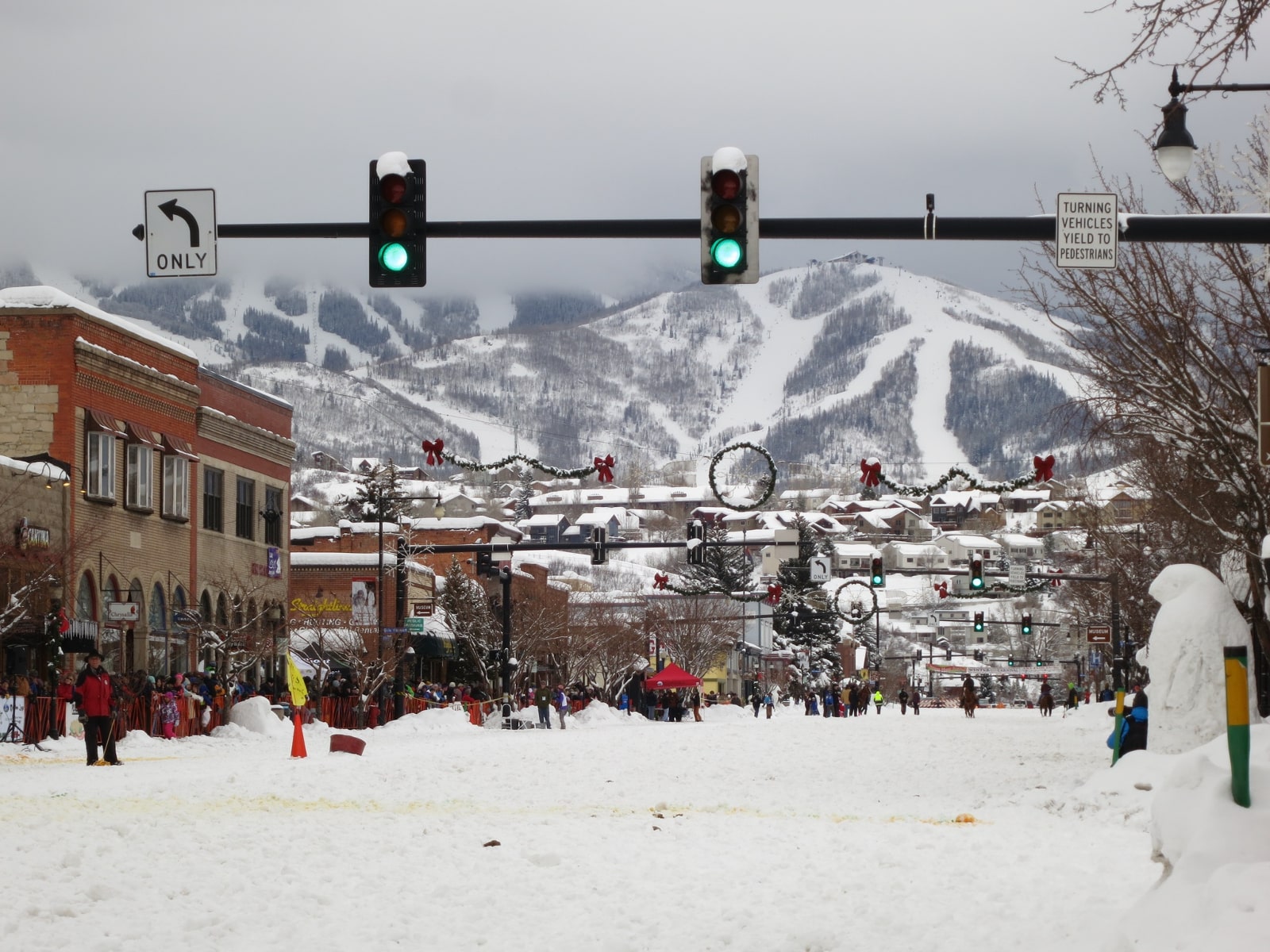
The Allure of the Rocky Mountains in Any Season
Ultimately, the question of whether it snows in Colorado Springs highlights one of the city’s many facets. It is a place where the majestic Rocky Mountains provide a stunning backdrop to every season, whether dusted in fresh powder, vibrant with spring blooms, lush in summer green, or ablaze with autumn colors. For travelers, Colorado Springs offers an accessible, breathtaking, and endlessly engaging experience, snow or no snow.
LifeOutOfTheBox is a participant in the Amazon Services LLC Associates Program, an affiliate advertising program designed to provide a means for sites to earn advertising fees by advertising and linking to Amazon.com. Amazon, the Amazon logo, AmazonSupply, and the AmazonSupply logo are trademarks of Amazon.com, Inc. or its affiliates. As an Amazon Associate we earn affiliate commissions from qualifying purchases.