
Colorado, a state synonymous with majestic mountains and vibrant outdoor life, often conjures images of snow-capped peaks and crisp, exhilarating air. While its reputation for cold weather is well-deserved, the reality is far more nuanced, encompassing a diverse range of temperatures and microclimates that shift dramatically from one region to another and throughout the year. Understanding Colorado’s cold is essential for any traveler planning an adventure, whether it’s skiing down powdery slopes or exploring sun-drenched canyons. It’s not just “cold”; it’s an intricate dance of altitude, continental influences, and clear skies that shape a truly unique travel experience.
The Diverse Climates of Colorado’s Regions
Colorado’s vast geographical diversity means that “how cold” is a question with multiple answers, depending on where one stands within its borders. From the towering peaks of the Rocky Mountains to the expansive eastern plains and the high desert of the Western Slope, the state experiences distinct climatic zones.
Mountainous Terrain and Alpine Conditions
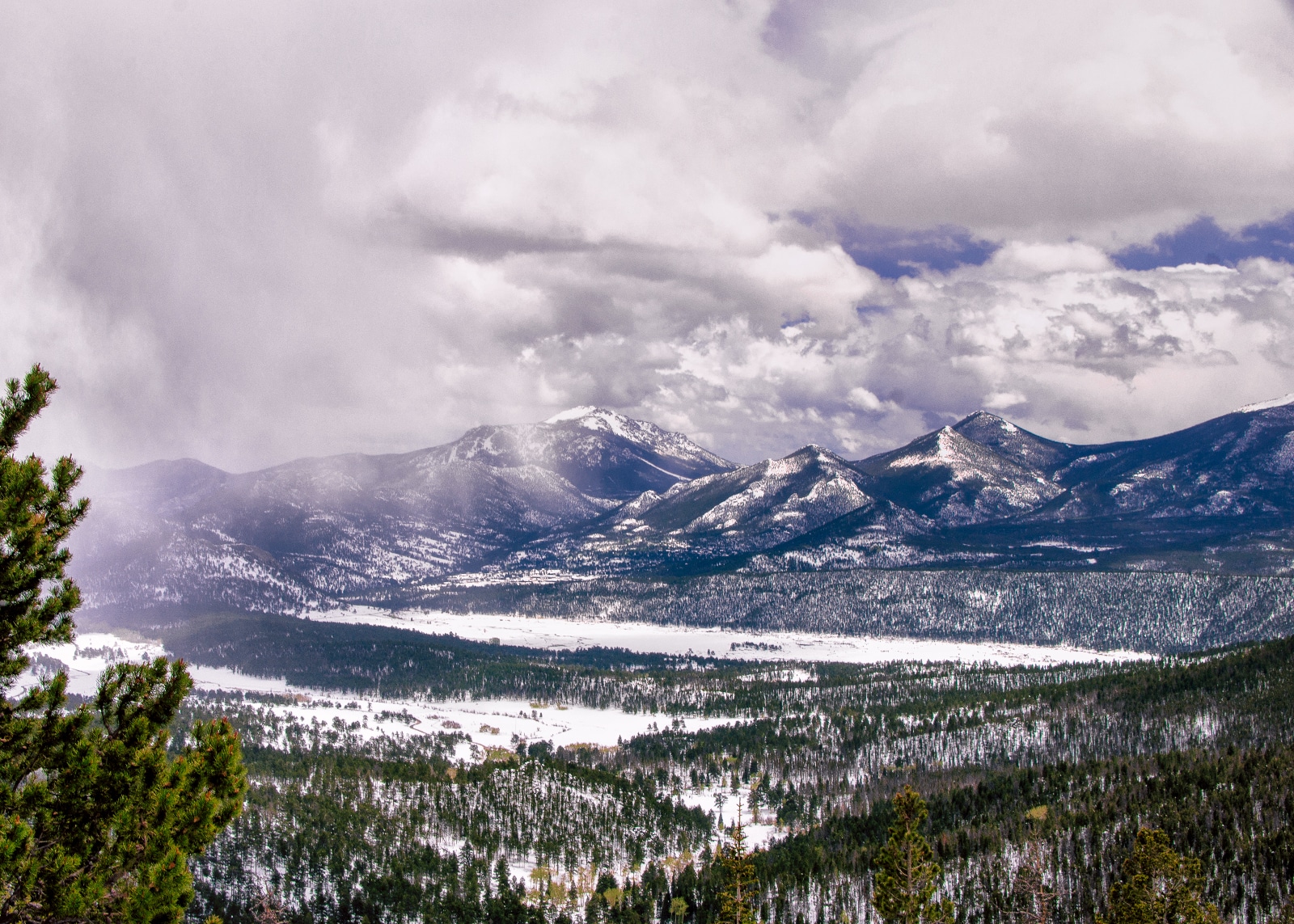
The most iconic image of Colorado’s cold emanates from its mountainous regions. Here, high elevations dictate significantly lower temperatures. Towns like Aspen, Vail, and Telluride routinely experience sub-zero Fahrenheit temperatures during winter nights, with daytime highs often struggling to reach above freezing. Snowfall is abundant and persistent, with many areas receiving hundreds of inches annually. Even in summer, evenings in the high country can be surprisingly chilly, with temperatures dipping into the 40s or even 30s Fahrenheit, making warm layers a year-round necessity for visitors to places like Rocky Mountain National Park. The Continental Divide acts as a significant weather barrier, often leading to more intense snowfall on the western side of the peaks.
High Plains and Eastern Front
East of the Front Range, where cities like Denver, Fort Collins, and Colorado Springs are situated, the climate takes on a semi-arid, high-plains characteristic. While winters here are undoubtedly cold, they are often punctuated by periods of surprising warmth, thanks to the Chinook winds that frequently descend from the mountains, rapidly melting snow and raising temperatures. Average winter daytime temperatures in Denver hover around the mid-40s Fahrenheit, but can plummet well below freezing, especially at night. Snowfall can be heavy but typically melts relatively quickly. The contrast between clear, sunny days and biting cold nights is a hallmark of this region’s winter.
Western Slope and Desert Influences
The Western Slope of Colorado, including areas around Grand Junction and Mesa Verde National Park, presents yet another climatic profile. Influenced by its lower elevations and proximity to desert landscapes, winters here are generally milder than in the mountains, though still cold. Snowfall is less frequent and lighter, and temperatures often remain above freezing during the day. Summers are notably hotter and drier than the rest of the state. Travelers exploring this region during the colder months will still need appropriate winter gear, but might find conditions less extreme than their counterparts in ski country.
Seasonal Temperature Variations and Travel Implications
Understanding the seasonal ebb and flow of Colorado’s temperatures is paramount for planning any visit, dictating everything from appropriate attire to the availability of certain activities.
Winter: A Wonderland of Chill
From November to April, Colorado fully embraces its cold identity, especially in the high country. Average daily temperatures in mountain towns can range from 10°F to 30°F, with overnight lows often dropping into the single digits or below zero. The eastern plains, including Denver, experience average daytime highs of 30°F to 45°F, with nights regularly below freezing. This is prime season for skiing, snowboarding, and other winter sports. Travelers must pack heavy winter coats, insulated layers, waterproof outer shells, hats, gloves, and thermal footwear. Road conditions can be challenging, especially over mountain passes, requiring careful planning and potentially four-wheel drive vehicles.
Spring: Thaw and Unpredictability
March to May brings a transition that is notoriously unpredictable. While lower elevations begin to thaw, mountain areas often experience their heaviest snowfalls in March and April. Temperatures can swing wildly, with sunny, mild days followed by sudden snowstorms. Daytime temperatures across the state can range from 40°F to 60°F, but nighttime lows remain cold. Spring skiing is popular, but visitors should be prepared for all types of weather, from warm sun to biting blizzards. Layering is particularly crucial during this season. Hiking trails at higher elevations may remain snow-covered well into June.
Summer: Surprisingly Mild Nights
June to August showcases Colorado’s milder side, yet the cold still makes an appearance, particularly after sunset. While daytime temperatures can be warm, often reaching 70°F to 90°F in the plains and 60°F to 80°F in the mountains, the high altitude and dry air lead to significant temperature drops once the sun sets. Mountain nights can cool into the 40s or 30s Fahrenheit, making a light jacket or fleece essential for evening activities, even in July. This is the ideal time for hiking, camping, and exploring the natural beauty without the extreme cold of winter. Thunderstorms are common in the afternoons.
Autumn: Crisp Air and Golden Hues
September and October offer some of Colorado’s most beloved weather. Days are typically sunny and mild, with temperatures ranging from 50°F to 70°F, perfect for leaf-peeping as the aspen trees turn brilliant gold. However, nights quickly become crisp and cold, often dipping below freezing, especially in the mountains. Snowfall can begin in the higher elevations by late September or early October, signaling the approaching winter. Travelers should pack layers, including sweaters and light jackets, preparing for significant temperature swings between day and night.
Factors Influencing Colorado’s Cold
Several key geographical and meteorological factors combine to create Colorado’s distinct and often chilly climate.
Altitude’s Dominant Role
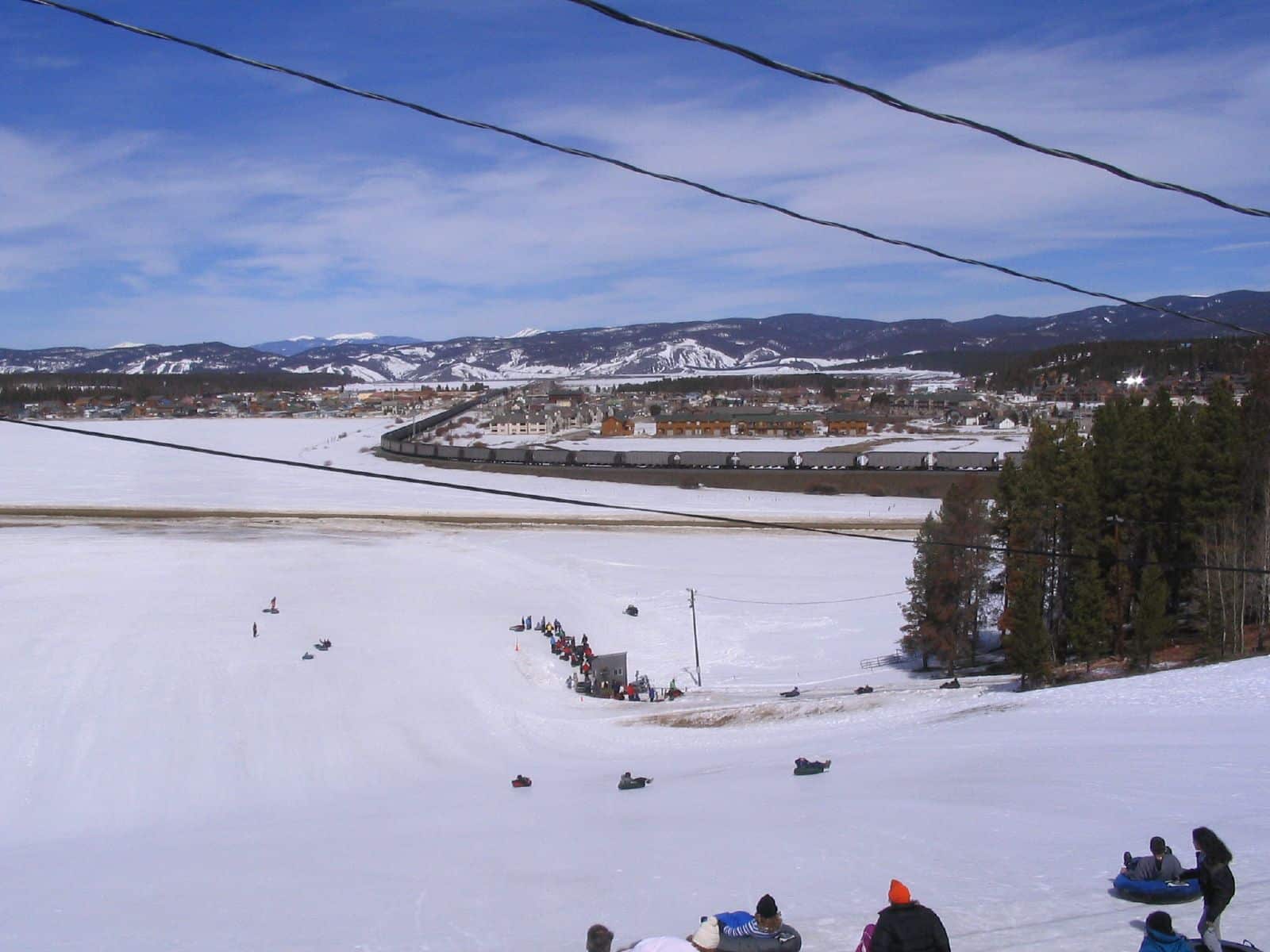
The most significant factor influencing Colorado’s cold is its high elevation. With an average elevation of 6,800 feet, Colorado is the highest state in the U.S. Temperatures typically decrease by about 3.5°F for every 1,000 feet of elevation gain. This means that while Denver sits at about 5,280 feet, a ski resort like Breckenridge at 9,600 feet will be consistently colder, often by 10-15°F or more. The high altitude also contributes to thinner air, which holds less heat.
Continental Climate Dynamics
Colorado experiences a continental climate, characterized by large annual and daily temperature variations. Being far from moderating bodies of water, the state is subject to cold air masses from the Arctic during winter and hot, dry air from the deserts in summer. This results in distinct seasons with pronounced temperature swings, rather than the more temperate climates found near coasts.
Sunshine and Dry Air Paradox
Despite the cold, Colorado boasts an impressive number of sunny days, averaging over 300 annually in many areas. The dry, thin air allows sunlight to feel intense, even on cold days, creating a deceptive warmth. However, the lack of humidity also means that heat radiates away quickly once the sun sets, leading to those dramatic temperature drops at night. This dry cold often feels less biting than humid cold, but it still requires careful preparation, especially regarding hydration.
Preparing for Colorado’s Cold: Essential Tips for Travelers
Visiting Colorado requires a strategic approach to packing and planning, ensuring comfort and safety amidst its variable temperatures.
Layering is Key
Regardless of the season, packing layers is the golden rule for Colorado travel. A base layer (moisture-wicking), a mid-layer (insulating fleece or down), and an outer layer (waterproof and windproof shell) are essential for winter. In spring and fall, lighter versions of these layers are sufficient. Even in summer, bringing a warm sweater or light jacket for evenings is highly recommended, especially when exploring mountain towns or camping.
Hydration and Sun Protection
The high altitude and dry air can quickly lead to dehydration. Travelers should drink plenty of water, even if they don’t feel particularly thirsty. Sun protection is equally critical. The thinner atmosphere allows more UV radiation to penetrate, and snow reflects sunlight, intensifying exposure. Sunglasses, sunscreen with high SPF, and lip balm are vital year-round, regardless of how cold it feels.
Vehicle Preparedness
For winter travel, ensure your vehicle is equipped for snowy and icy conditions. Four-wheel or all-wheel drive is highly recommended for mountain passes, and tires with good tread are a must. Carry an emergency kit including blankets, extra food and water, a flashlight, and jumper cables. Always check road conditions before departing, especially when traveling over high mountain passes like Loveland Pass or Berthoud Pass.
Embracing the Cold: Activities and Experiences
While the cold is a prominent feature of Colorado, it’s also what enables some of the state’s most iconic and exhilarating activities.
World-Class Skiing and Snowboarding
Colorado is renowned globally for its exceptional ski resorts. Destinations like Vail, Aspen, Breckenridge, and Winter Park offer vast terrain, deep powder, and excellent facilities. The cold temperatures ensure snow quality, providing optimal conditions for winter sports enthusiasts from November through April, sometimes even into May.
Winter Hiking and Snowshoeing
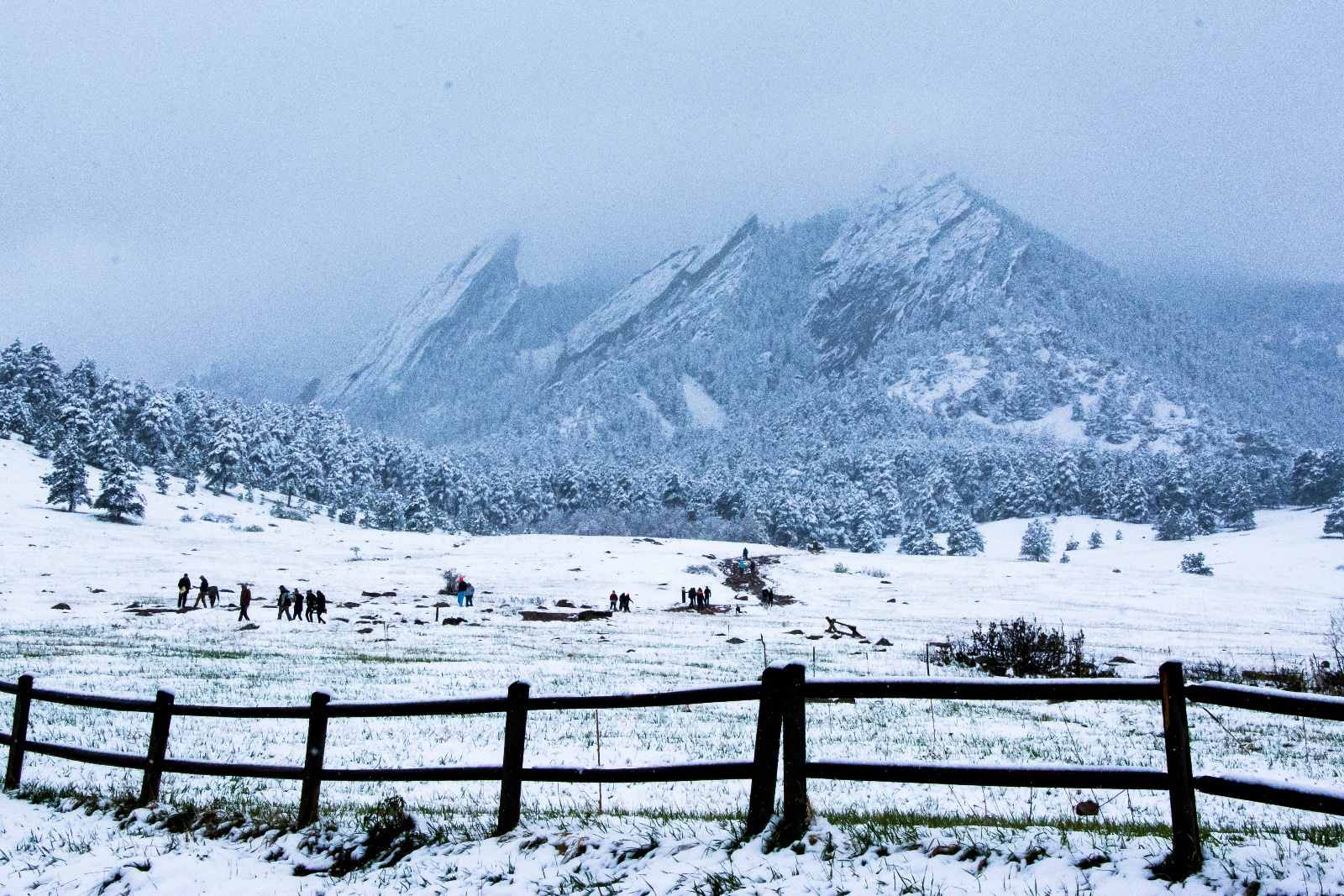
For those who prefer a quieter communion with nature, winter hiking and snowshoeing offer stunning landscapes. Trails in Rocky Mountain National Park, Boulder’s Flatirons, and numerous other state parks transform into serene, snow-covered wonderlands. Proper gear, including insulated boots, traction devices (like microspikes), and warm layers, is essential for a safe and enjoyable experience.
Hot Springs Relaxation
After a day in the cold, nothing is more rejuvenating than soaking in one of Colorado’s many natural hot springs. Destinations like Glenwood Hot Springs, Strawberry Park Hot Springs near Steamboat Springs, or Ouray Hot Springs offer a therapeutic contrast to the chilly mountain air, providing the perfect way to unwind and appreciate the state’s unique geological features. The steam rising into the cold air creates a truly magical atmosphere.
LifeOutOfTheBox is a participant in the Amazon Services LLC Associates Program, an affiliate advertising program designed to provide a means for sites to earn advertising fees by advertising and linking to Amazon.com. Amazon, the Amazon logo, AmazonSupply, and the AmazonSupply logo are trademarks of Amazon.com, Inc. or its affiliates. As an Amazon Associate we earn affiliate commissions from qualifying purchases.