
The journey from the Mile-High City of Denver, Colorado to the dazzling entertainment capital of Las Vegas, Nevada is a classic American road trip, offering a diverse panorama of landscapes, from the majestic Rocky Mountains to the sprawling deserts of the Southwest. Understanding the distance, duration, and various travel options is key to planning an enjoyable and efficient trip between these two vibrant United States destinations.
The Journey Unveiled: Distance and Duration
Embarking on a trip from Denver, Colorado to Las Vegas, Nevada involves crossing several states and diverse terrains. The most common and direct route primarily utilizes major interstate highways, providing a relatively straightforward path for travelers.

Direct Driving Routes and Mileage
The most direct and frequently traveled route covers approximately 750 to 760 miles (1,200 to 1,220 kilometers). This primary pathway involves heading west out of Denver, Colorado on Interstate 70 (I-70) through most of Colorado and into Utah. Once in Utah, travelers typically transition onto Interstate 15 (I-15) South near Cove Fort, Utah, which then leads directly into Las Vegas, Nevada. This route bypasses larger cities like Salt Lake City, Utah, making it the most efficient for pure distance covering.
While alternative, more scenic routes exist, they invariably add significant mileage and travel time. For instance, a route that dips further south through parts of Arizona or explores more remote areas of Utah’s national parks would extend the journey considerably, making it suitable for those prioritizing exploration over direct travel.
Estimated Travel Time Considerations
For a direct drive, without significant stops, the estimated driving time ranges from 11 to 12 hours. However, this is a theoretical estimate based purely on continuous driving at legal speed limits. In reality, several factors contribute to a longer actual travel time:
- Fuel Stops: Multiple fuel stops will be necessary given the distance.
- Rest Breaks: Regular breaks for stretching, meals, and driver fatigue prevention are crucial for safety and comfort.
- Traffic: Congestion can occur, especially when departing Denver, Colorado, approaching Las Vegas, Nevada, or passing through construction zones along I-70 or I-15.
- Weather Conditions: Mountainous sections of I-70 in Colorado can experience snow and ice during winter months, significantly slowing travel. Desert stretches in Utah and Nevada can have extreme heat in summer, impacting vehicle performance and driver stamina.
Given these considerations, most travelers budget 12 to 14 hours of total travel time if attempting the drive in a single day. Many prefer to break the journey into two days, allowing for a more relaxed pace and an overnight stay, often in cities like Grand Junction, Colorado, or St. George, Utah.
Navigating the Route: Key Highways and Stops
The main artery connecting Denver, Colorado and Las Vegas, Nevada offers a mix of high-speed interstate travel and memorable stretches.
The I-70 West to I-15 South Corridor
The journey begins on I-70 West, which immediately introduces travelers to the scenic beauty of the Colorado Rocky Mountains. This section features impressive mountain passes, tunnels, and ski towns like Vail, Colorado and Glenwood Springs, Colorado. The descent into western Colorado and then Utah reveals dramatic canyons and high desert landscapes.
Upon reaching Utah, I-70 continues west, passing through the relatively remote, yet strikingly beautiful, red rock country. The transition to I-15 South typically occurs around Cove Fort, Utah, marking the pivot south towards Nevada.
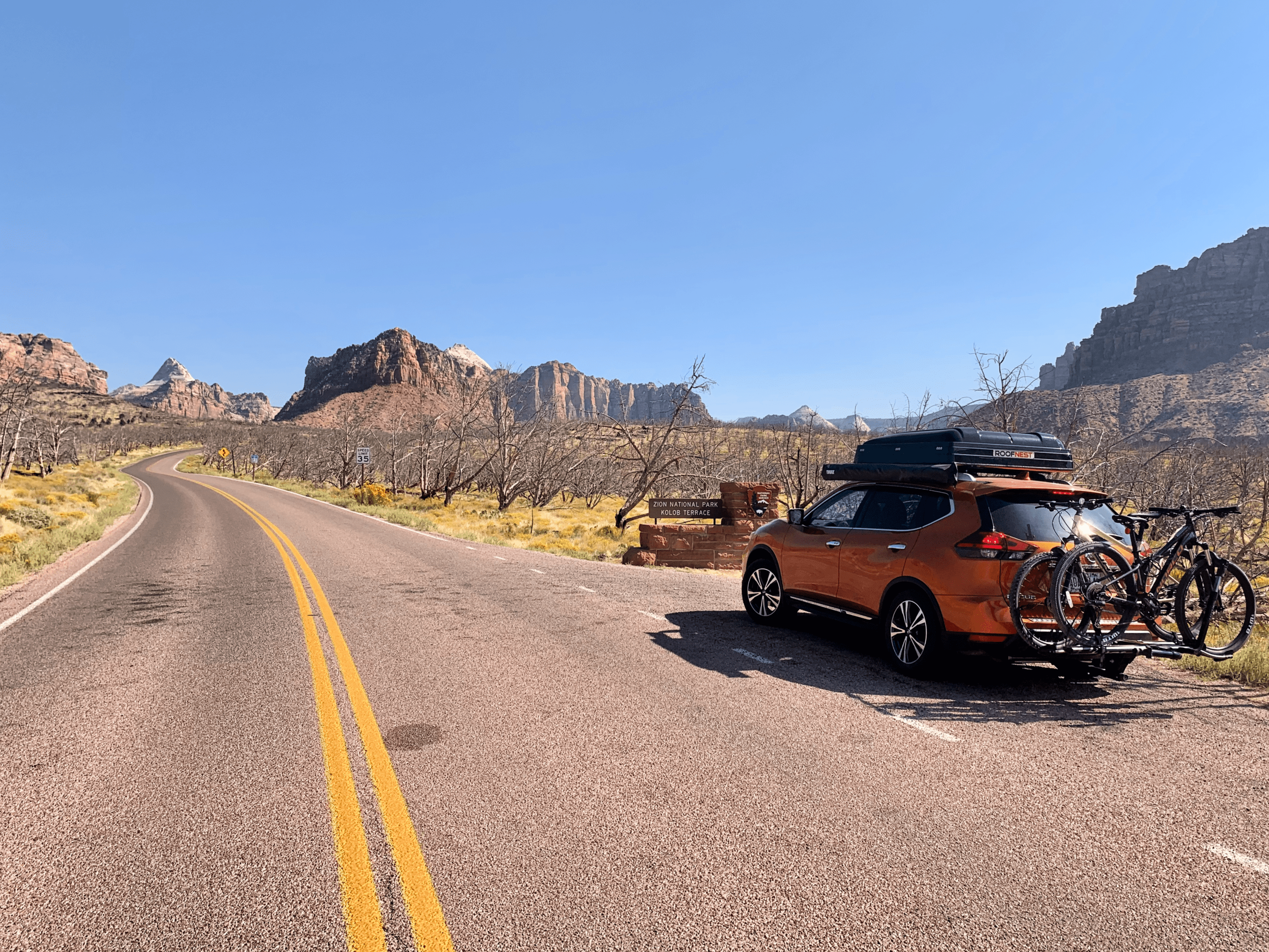
I-15 South then traverses southern Utah, passing close to popular natural attractions like Zion National Park (accessible via a short detour). As the highway approaches the Nevada border, the topography shifts to classic desert scenery, including the impressive Virgin River Gorge just before entering Nevada. This final stretch of I-15 leads directly into the heart of Las Vegas, Nevada.
Essential Stopovers and Rest Areas
Planning strategic stopovers is vital for a multi-state road trip. Along I-70 in Colorado, towns like Glenwood Springs, Colorado, and Grand Junction, Colorado, offer excellent options for meals, fuel, and overnight stays, with various lodging and dining facilities.
In Utah, cities such as Green River, Utah, and especially St. George, Utah, serve as key waypoints. St. George, Utah, located about 120 miles north of Las Vegas, Nevada, is a particularly popular and convenient overnight stop due to its size, amenities, and proximity to Zion National Park.
Numerous smaller towns and dedicated rest areas are also available along both I-70 and I-15, providing opportunities for quick breaks, restroom stops, and driver changes.
Beyond the Wheel: Other Modes of Transport

While driving offers flexibility and scenic opportunities, air travel and bus services are also viable options for getting from Denver, Colorado to Las Vegas, Nevada.
Air Travel: Convenience and Speed
For those prioritizing speed and minimal travel time, flying is undoubtedly the most efficient choice. Direct flights from Denver International Airport (DEN) to Harry Reid International Airport (LAS) in Las Vegas, Nevada are plentiful and typically take approximately 1 hour and 45 minutes to 2 hours in the air. When factoring in airport transfers, security, and boarding, the total journey time from city center to city center usually ranges from 4 to 6 hours, significantly less than driving. Various airlines offer competitive fares, especially when booked in advance.
Bus and Train Options: Budget and Experience
Bus services, such as those provided by Greyhound, offer a budget-friendly alternative. However, the journey is considerably longer than driving or flying, often taking 16 to 20 hours, including transfers and stops. While it eliminates the need to drive, the comfort level and speed are generally lower.
Train travel between Denver, Colorado and Las Vegas, Nevada is not direct. There are no direct Amtrak routes connecting the two cities without significant detours and transfers, often involving multiple days of travel and connecting via cities like Chicago, Illinois, or on the west coast, making it impractical for most travelers seeking direct transport. For scenic rail enthusiasts, specialized tours like the Rocky Mountaineer offer breathtaking experiences in the Colorado Rockies but do not extend to Las Vegas, Nevada as a continuous route.
Planning Your Expedition: Practical Tips for a Smooth Trip
Regardless of your chosen mode of transport, a well-planned trip enhances the experience.
Best Time to Travel
The shoulder seasons (spring and fall) are generally ideal for driving. Spring offers pleasant temperatures and blossoming landscapes, while fall presents stunning foliage in the mountains and cooler desert weather. Summer can bring intense heat to the desert regions of Utah and Nevada, making afternoon driving less comfortable. Winter requires careful attention to weather forecasts, especially in Colorado’s mountains, where snowstorms and road closures can occur. For flying, flexibility with dates can often lead to better fares.
Vehicle Preparation and Safety
For road trippers, ensure your vehicle is in top condition. Check tires (including the spare), oil, fluids, and brakes. Carry an emergency kit, including water, snacks, blankets, a first-aid kit, and jumper cables. Pay attention to fuel levels, especially in remote stretches, as gas stations can be sparse. Stay hydrated, especially in the desert heat, and avoid driving while fatigued.
Packing Essentials and Road Trip Comfort
Beyond the usual travel items, consider road trip-specific essentials. A good GPS or mapping app is indispensable. Bring snacks, drinks, entertainment for passengers (books, podcasts, music), and comfort items like neck pillows. A portable cooler can be a great asset. Sunscreen and hats are advisable for stops in sunny areas, and layers of clothing are useful to adapt to changing temperatures across different elevations.
Budgeting for the Journey
Budgeting should include fuel costs (a significant expense for driving), potential overnight accommodation, meals, and any desired detours or attractions. For flights, consider baggage fees and airport transfer costs. For all modes, travel insurance is always a wise consideration.
What Awaits: Highlights of Denver and Las Vegas
The journey from Denver, Colorado to Las Vegas, Nevada connects two distinct yet equally captivating American cities, each offering a unique set of experiences.
Starting Point: Exploring Denver, Colorado
Denver, Colorado, nestled against the backdrop of the Rocky Mountains, is a city renowned for its outdoor lifestyle, vibrant arts scene, and burgeoning culinary landscape. Before departing, visitors can explore the historic LoDo district, visit the Denver Art Museum, or enjoy a craft beer at one of its many breweries. The proximity to world-class hiking and skiing further solidifies its appeal as a gateway to adventure.
Arrival Point: The Allure of Las Vegas, Nevada
Upon arrival, Las Vegas, Nevada, welcomes travelers with its iconic blend of entertainment, luxury, and neon-lit excitement. From the world-famous casinos and resort hotels on the Las Vegas Strip to its gourmet dining, spectacular shows, and bustling nightlife, the city offers an unparalleled array of activities. Beyond the strip, nearby natural wonders like the Red Rock Canyon National Conservation Area provide a stark and beautiful contrast to the urban glitter. Whether you’re seeking thrills or relaxation, Las Vegas, Nevada promises a memorable conclusion to your journey.
LifeOutOfTheBox is a participant in the Amazon Services LLC Associates Program, an affiliate advertising program designed to provide a means for sites to earn advertising fees by advertising and linking to Amazon.com. Amazon, the Amazon logo, AmazonSupply, and the AmazonSupply logo are trademarks of Amazon.com, Inc. or its affiliates. As an Amazon Associate we earn affiliate commissions from qualifying purchases.