
Planning a trip to the Mile High City invariably begins with understanding the journey. The question “How far is Denver, Colorado from my location?” is the cornerstone of any travel itinerary, setting the stage for decisions about mode of transport, travel time, and overall budget. While the exact distance is unique to your starting point, we can explore how to accurately determine this, and more importantly, what this distance implies for your travel experience to one of America’s most vibrant urban centers.
Understanding Your Proximity to Denver
The phrase “my location” is, by its nature, highly variable. To pinpoint the exact distance to Denver, Colorado, you’ll need to utilize modern mapping tools. Services like Google Maps, Apple Maps, or Waze allow you to input your precise starting address and Denver as your destination, providing not only an accurate mileage but also an estimated travel time. These tools distinguish between “as the crow flies” (straight-line) distance and actual drivable routes, which can differ significantly due to geographical barriers or road networks.
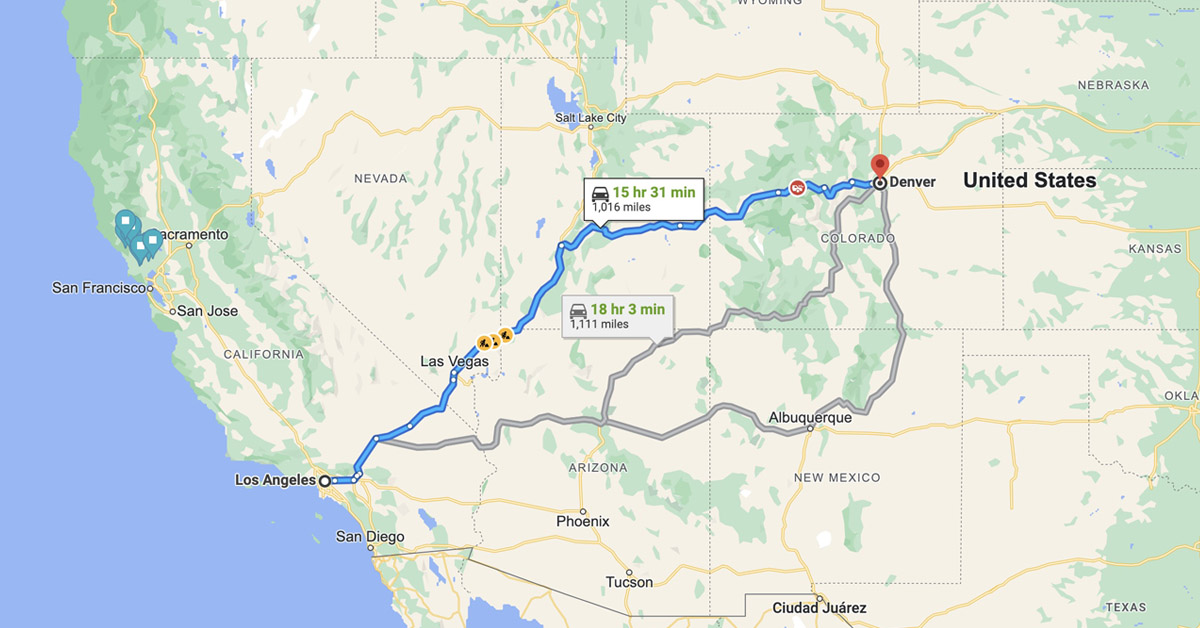
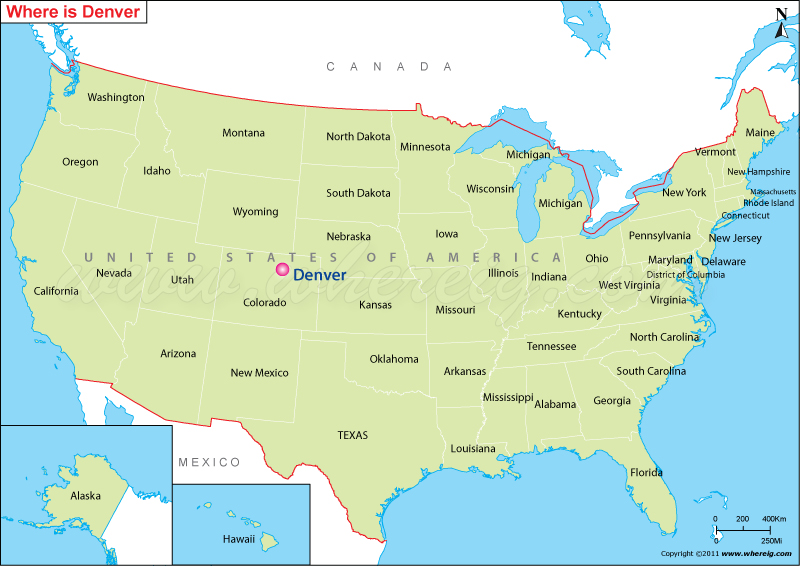
For air travel, the primary gateway is Denver International Airport (DIA), located approximately 25 miles northeast of downtown Denver. When checking flight distances, air mileage is usually a straight line, but flight times account for wind, altitude, and air traffic control routes. Your geographical position relative to Denver will dictate the most efficient travel method and the length of your journey. For instance, travelers from the West Coast might find driving a feasible option, while those from the East Coast will almost certainly opt for air travel. Understanding this fundamental calculation is the first step in crafting an unforgettable Denver adventure.
Travel by Air: Navigating the Skies to the Mile High City
For most travelers, particularly those coming from significant distances, flying offers the quickest and most efficient way to reach Denver. Denver International Airport (DIA) is one of the busiest airports in the world, serving as a major hub for several airlines and connecting flights across the United States and internationally.
Direct Flights and Layover Considerations
Many major cities across the U.S. offer direct flights to DIA. For example, a direct flight from Los Angeles typically takes around 2 hours and 20 minutes, while a flight from New York City is closer to 4 hours. From Chicago, you can expect about 2 hours and 30 minutes of airtime, and from Dallas, approximately 2 hours.
If your location doesn’t offer direct service, you’ll likely have a layover. Common connecting hubs include Chicago O’Hare International Airport (ORD), Dallas/Fort Worth International Airport (DFW), Hartsfield-Jackson Atlanta International Airport (ATL), or even other Colorado regional airports if you’re flying to a smaller destination within the state before heading to Denver. Layovers can add anywhere from 2 to 6 hours or more to your total travel time, depending on the connection’s efficiency. When booking, consider the layover duration, the likelihood of delays, and the reputation of the connecting airport.
Airlines and Booking Strategies
DIA is a major operational base for United Airlines, and also a significant focus city for Southwest Airlines and Frontier Airlines. Other major carriers like Delta Air Lines, American Airlines, and Alaska Airlines also offer extensive service.
To find the best fares, flexibility with your travel dates is key. Mid-week flights (Tuesday, Wednesday) are often cheaper than weekend travel. Booking several weeks or months in advance can also yield savings, though last-minute deals sometimes emerge. Using flight comparison websites can help identify the most economical options.
Upon arrival at DIA, getting to downtown Denver is straightforward. The A Line commuter train offers direct service from the airport to Denver Union Station in approximately 37 minutes, providing a convenient and cost-effective transfer. Taxis, ride-sharing services, and various shuttle companies are also readily available.
The Road Trip Adventure: Driving to Denver
For those within a reasonable driving distance, a road trip to Denver can be an enjoyable and flexible alternative to flying. It offers the freedom to explore at your own pace, discover hidden gems along the way, and bring more luggage.
Calculating Drive Time and Distance
Similar to air travel, online mapping services are essential for calculating drive time and distance. These tools will provide a base estimate, but actual travel time can vary significantly. Factors such as current traffic conditions, planned rest stops, meal breaks, and even unexpected detours due to road construction or adverse weather can extend your journey. A good rule of thumb for long-distance driving is to average around 60-65 miles per hour, factoring in stops. For instance, a 1,000-mile journey would typically require 15-17 hours of actual driving time, often necessitating an overnight stop.
Key Interstates and Scenic Routes
Denver is strategically located at the intersection of several major interstates, making it accessible from various directions.
- Interstate 70 (I-70): This is the primary east-west corridor, connecting Denver to cities like Kansas City, St. Louis, and points further east, as well as the Colorado ski resorts to the west. Traveling west on I-70 into Denver from the plains offers expansive views, while heading west from Denver quickly leads into the majestic Rocky Mountains.
- Interstate 25 (I-25): This north-south artery connects Denver with Fort Collins and Cheyenne, Wyoming to the north, and Colorado Springs, Pueblo, and New Mexico to the south.
- Interstate 76 (I-76): Originating in Denver, I-76 heads northeast towards Nebraska, offering a route for travelers coming from the upper Midwest.
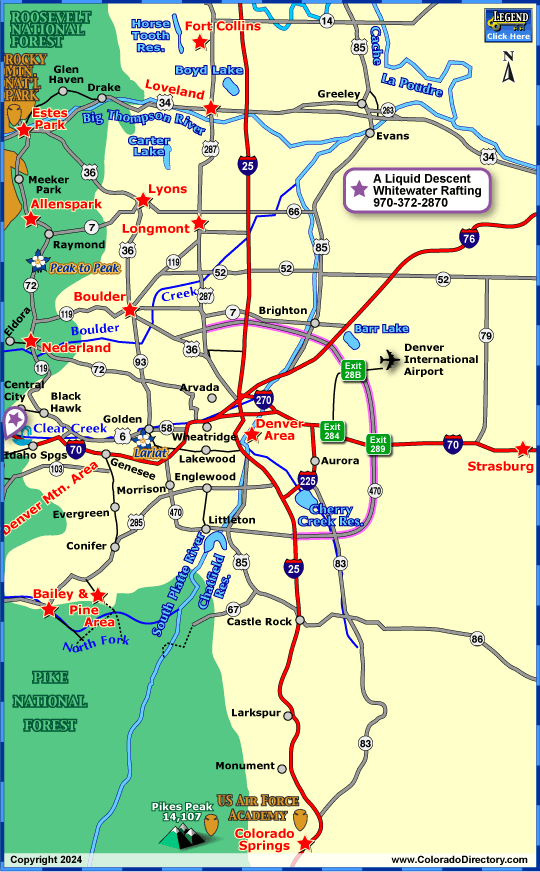
For those seeking a more scenic journey, exploring state highways that parallel these interstates can offer unique perspectives of Colorado’s diverse landscapes. Just be prepared for potentially longer travel times on these routes.
Road Trip Essentials
A successful road trip requires preparation. Before you embark, ensure your vehicle is in excellent condition, with recent oil changes, tire checks, and fluid top-offs. An emergency kit containing jumper cables, a first-aid kit, a flashlight, and extra water is crucial. Pack plenty of snacks and drinks to minimize stops and save money. Entertainment for passengers, such as audiobooks, podcasts, or curated playlists, can make the miles fly by. For journeys longer than 8-10 hours of driving, planning an overnight stop is highly recommended to combat driver fatigue and ensure safety. Be mindful of seasonal changes; winter travel in Colorado can involve snow and icy conditions, particularly in mountainous areas, requiring appropriate tires and vigilance.
Alternative Travel: Rail and Bus Options
While less common for long distances, train and bus services offer viable, often more budget-friendly, alternatives to flying or driving, particularly for travelers who prefer not to drive or simply enjoy a different pace of travel.
Amtrak Services
Amtrak provides passenger rail service to Denver via the scenic California Zephyr route. This iconic train journey connects Chicago to Emeryville (San Francisco Bay Area), passing directly through Denver. Traveling by train offers a unique experience, allowing passengers to relax, enjoy the panoramic views, and avoid the stresses of driving or airport security. The journey from Chicago to Denver typically takes around 18 hours, while the segment from Salt Lake City is about 15 hours.
Denver Union Station, a beautifully restored historic landmark, serves as the city’s main Amtrak terminal. Its central location makes it incredibly convenient for accessing downtown Denver attractions, hotels, and local transit. While train travel is generally slower than flying, it offers a more spacious and often more comfortable experience, with dining cars and sleeper car options available.
Intercity Bus Lines
Several intercity bus companies operate routes to Denver, including Greyhound, FlixBus, and others. Bus travel is typically the most economical option, making it an attractive choice for budget-conscious travelers. However, it also tends to be the slowest mode of transport for long distances, with frequent stops and potentially longer travel times due to traffic.
Denver’s main bus terminal is usually located near downtown, offering reasonable access to local public transportation. While amenities vary by carrier, many modern buses offer Wi-Fi, power outlets, and comfortable seating. Bus travel requires patience but can offer a unique perspective on the landscapes you traverse, often stopping in smaller towns that might be missed by other travel methods.
Planning Your Denver Journey: Beyond the Miles
Beyond calculating the raw distance, a truly successful trip to Denver involves strategic planning that considers the timing, budget, and logistical aspects of your arrival.
Optimal Travel Times
The “best” time to visit Denver largely depends on your interests.
- Spring (April-May) and Fall (September-October): These seasons offer mild temperatures, fewer crowds, and stunning natural beauty as the city bursts into bloom or is painted with autumn colors. It’s an excellent time for hiking, exploring city parks, and enjoying outdoor patios.
- Summer (June-August): While popular for outdoor activities, summer brings larger crowds and higher prices for flights and accommodations. Denver summers are warm but generally low in humidity, making it pleasant for exploring the Rocky Mountains or attending festivals.
- Winter (November-March): For ski and snowboard enthusiasts, winter is peak season. Denver itself doesn’t get as much snow as the mountains, but it serves as the perfect base for day trips to world-class resorts like Vail, Breckenridge, or Winter Park.
Avoiding major holidays and peak travel weekends can often result in lower costs and less crowded experiences, regardless of the season. Always check the Denver events calendar before your trip, as major conventions or concerts can also impact availability and pricing.
Budgeting for the Trip
Your chosen mode of transport will be a significant budget item. Factor in airfare, train tickets, or for driving, fuel costs (which can be substantial for long distances), potential overnight lodging, and wear and tear on your vehicle. Beyond transportation, remember to allocate funds for accommodation, dining (from casual eateries to fine dining), activities and attractions (museums, sporting events, concerts), and any local transportation you might use within Denver. Creating a detailed budget beforehand helps prevent surprises and ensures a smoother trip.
Making the Most of Your Arrival
Once you’ve arrived in Denver, whether by air, road, or rail, a seamless transition to your final destination is key. Denver’s public transportation system, operated by RTD (Regional Transportation District), is efficient and covers much of the metropolitan area. The A Line commuter train connects DIA to Denver Union Station, a central hub for buses and light rail. Ride-sharing services and taxis are also widely available. Pre-booking airport transfers or having a clear plan for your onward journey from the train station or bus terminal will save time and reduce stress, allowing you to quickly immerse yourself in all that Denver has to offer.
LifeOutOfTheBox is a participant in the Amazon Services LLC Associates Program, an affiliate advertising program designed to provide a means for sites to earn advertising fees by advertising and linking to Amazon.com. Amazon, the Amazon logo, AmazonSupply, and the AmazonSupply logo are trademarks of Amazon.com, Inc. or its affiliates. As an Amazon Associate we earn affiliate commissions from qualifying purchases.