
The distance between St. Louis, Missouri, and Chicago, Illinois, represents more than just a measurement on a map; it signifies a popular travel corridor connecting two of the Midwest‘s most vibrant and historically rich cities. Whether you’re planning a quick business trip, a leisurely family vacation, or an immersive cultural exploration, understanding the various travel options, the approximate distances, and the wealth of experiences awaiting you in both destinations is crucial for crafting an unforgettable journey.
From the iconic Gateway Arch National Park gracing the banks of the Mississippi River in St. Louis to Chicago’s towering skyscrapers and the shimmering expanse of Lake Michigan, this route promises a blend of urban excitement, natural beauty, and a deep dive into American history and culture. This comprehensive guide will not only answer the fundamental question of “how far?” but also delve into the best ways to traverse this distance, highlight the must-see attractions in each city, recommend diverse accommodation options, and offer practical tips to enhance your travel experience.
Unpacking the Journey: Distance, Routes, and Travel Times
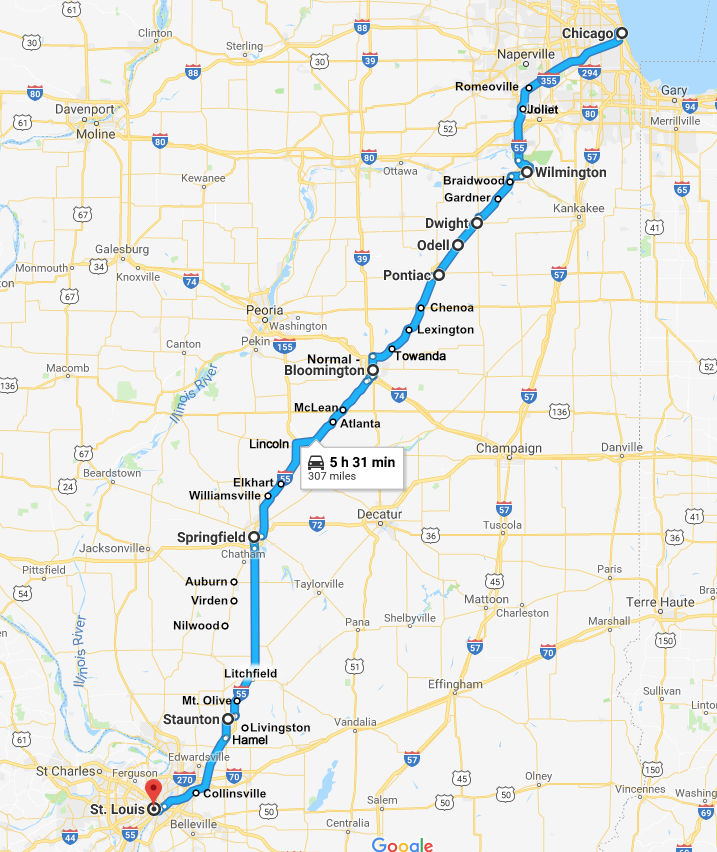
The journey between St. Louis and Chicago is approximately 297 to 300 miles, depending on the exact starting and ending points within each metropolitan area. This distance translates into varying travel times based on your chosen mode of transportation, each offering its own unique advantages and considerations.
The Direct Drive: Mileage and Major Interstates
For many travelers, driving offers the greatest flexibility and the opportunity to explore at their own pace. The most direct route between St. Louis and Chicago primarily follows Interstate 55 North. This major interstate highway, a significant artery of the United States transportation network, connects the two cities with relative ease.
- Distance: Roughly 297-300 miles.
- Driving Time: Under normal conditions, without significant stops or heavy traffic, the drive typically takes between 4.5 and 5 hours. However, travelers should factor in potential delays, especially when navigating through larger urban areas like Springfield, Illinois or approaching Downtown Chicago, where rush hour traffic can add an hour or more to the journey.
- Major Interstates: While Interstate 55 is the primary artery, travelers departing from other parts of St. Louis might briefly use Interstate 70 or Interstate 44 to connect to I-55. Once on I-55, the route is straightforward, passing through predominantly flat farmlands of Illinois.
Driving provides the convenience of packing as much luggage as you need and the freedom to make spontaneous stops. It’s an excellent option for families or those who enjoy the classic American road trip experience.
Alternative Transportation: Rail, Air, and Bus Options
For those who prefer to leave the driving to someone else, or seek different travel experiences, several alternatives connect St. Louis and Chicago.
-
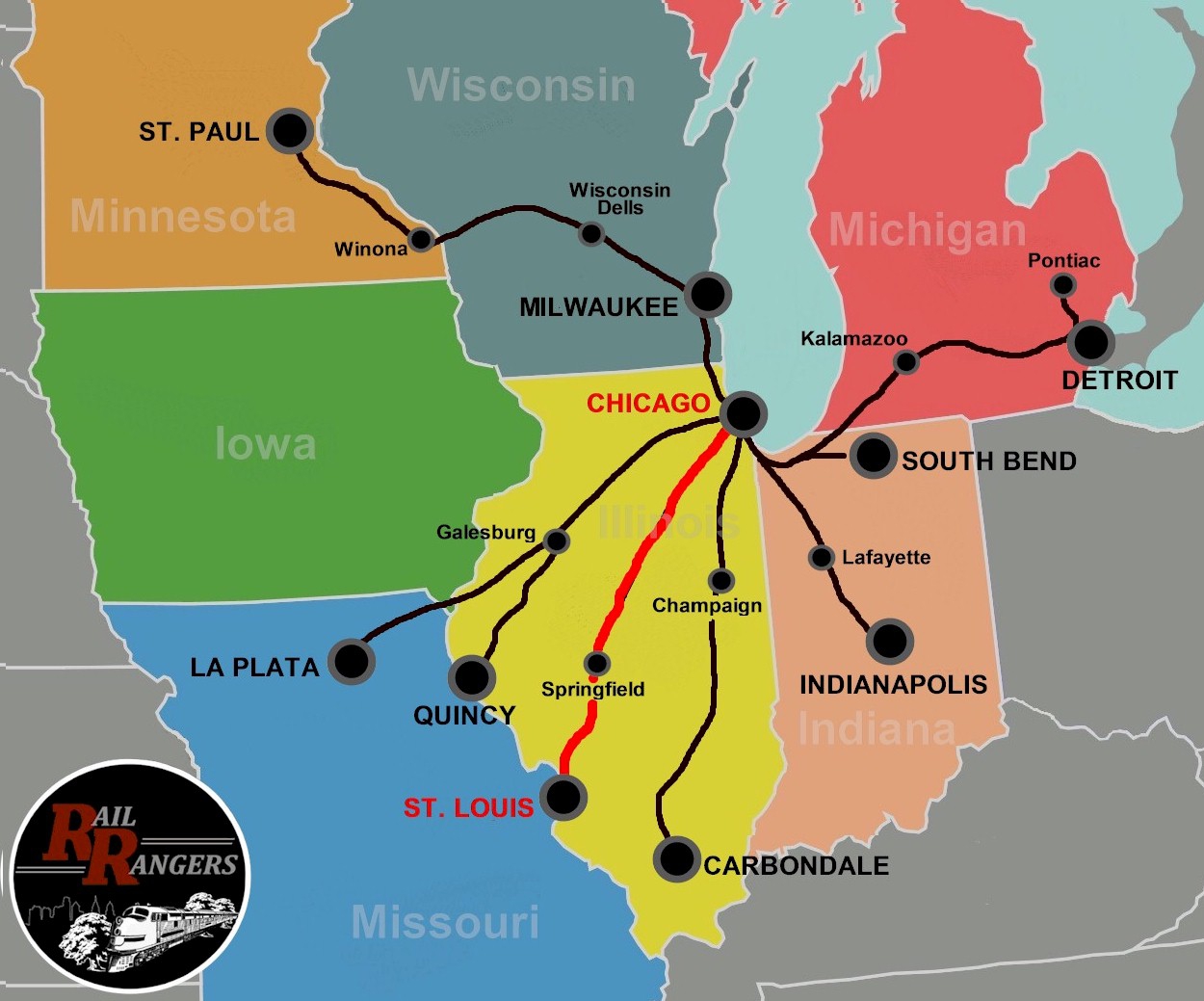
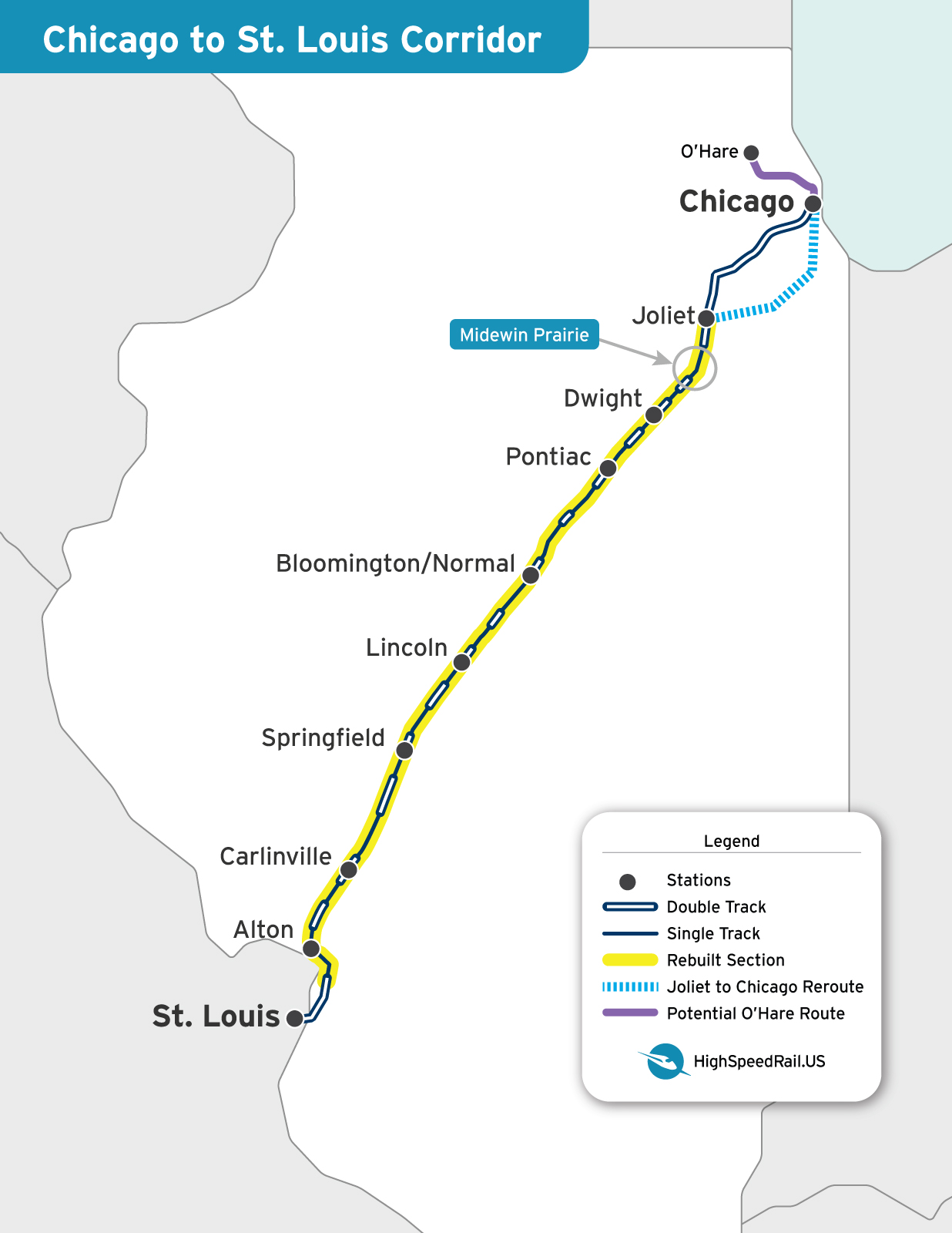
Rail (Amtrak): Amtrak offers a comfortable and scenic way to travel between the two cities. The Lincoln Service and Texas Eagle routes connect St. Louis’s historic Gateway Transportation Center with Chicago’s magnificent Union Station.
- Travel Time: Train journeys typically range from 5.5 to 6 hours, depending on the specific service and number of stops. While slightly longer than driving, Amtrak offers amenities like spacious seating, dining cars, and Wi-Fi, allowing passengers to relax, work, or enjoy the passing landscapes without the stress of navigating traffic.
- Benefits: Environmentally friendly, convenient downtown-to-downtown travel, no parking hassles.
-
Air Travel: For the quickest transit, flying is an option, though it often involves more cumulative time than the short flight duration suggests.
- Flight Time: Direct flights between St. Louis Lambert International Airport (STL) and O’Hare International Airport (ORD) or Midway International Airport (MDW) take approximately 1 hour.
- Total Travel Time: When factoring in travel to and from airports, security checks, and potential delays, the total door-to-door travel time can easily stretch to 3-4 hours, sometimes comparable to driving or taking the train, especially for routes to/from Midway which is closer to Downtown Chicago.
- Benefits: Speed for those on a tight schedule, particularly useful for connecting flights to further destinations.
-
Bus Services: Several bus companies, most notably Greyhound, operate daily services between St. Louis and Chicago.
- Travel Time: Bus journeys are typically the longest, ranging from 6 to 8 hours, due to multiple stops and potential traffic.
- Benefits: Generally the most budget-friendly option, making it a popular choice for travelers prioritizing cost savings.
Scenic Detours and Road Trip Experiences
If you choose to drive and have extra time, consider making the journey a true road trip by exploring some of the charming towns and historic sites along the way. Interstate 55 runs parallel to parts of historic Route 66, offering opportunities for nostalgic detours.
- Springfield, Illinois: The capital of Illinois, Springfield is a treasure trove of Abraham Lincoln history. Stops might include the Abraham Lincoln Presidential Library and Museum, the Lincoln Home National Historic Site, and the Illinois State Capitol.
- Bloomington, Illinois: Home to Illinois Wesleyan University and a vibrant Downtown, it offers a pleasant break with local shops and eateries.
- Pontiac, Illinois: A dedicated Route 66 town, Pontiac boasts murals, the Route 66 Hall of Fame and Museum, and classic diners that transport you back in time.
These stops can transform a simple commute into a deeper exploration of America’s heartland, perfect for those who embrace the journey as much as the destination.
A Tale of Two Cities: Exploring St. Louis and Chicago
Once you’ve arrived, both St. Louis and Chicago unfold as distinct and compelling travel destinations, each boasting a rich tapestry of landmarks, culinary delights, and cultural experiences.
Iconic Landmarks and Must-See Attractions
In St. Louis:
- Gateway Arch National Park: The undisputed symbol of St. Louis, this architectural marvel commemorates the westward expansion of the United States. Take a tram ride to the top for breathtaking panoramic views of the city and the Mississippi River, and explore the museum below that chronicles the story of pioneers and the Arch’s construction.
- City Museum: An utterly unique, interactive playground for all ages, built from repurposed architectural and industrial objects. It’s a whimsical wonderland of caves, slides, secret passages, and outdoor climbing structures.
- Forest Park: One of the largest urban parks in the United States, even larger than New York City’s Central Park. Home to numerous free attractions including the St. Louis Zoo, the Saint Louis Art Museum, the Missouri History Museum, and the Saint Louis Science Center.
- Busch Stadium: Catch a game and experience the fervent spirit of the St. Louis Cardinals baseball fans.
- Anheuser-Busch Brewery: Tour the historic brewery, home of the iconic Budweiser Clydesdales.
- Missouri Botanical Garden: A national historic landmark and a center for botanical research, boasting stunning gardens and conservatories.
In Chicago:
- Millennium Park: A vibrant civic space in the heart of Chicago, famous for its public art installations like Cloud Gate (informally known as “The Bean”), the Crown Fountain, and the outdoor concert venue, Jay Pritzker Pavilion.
- Art Institute of Chicago: One of the oldest and largest art museums in the United States, housing a world-renowned collection spanning centuries and cultures.
- Navy Pier: Stretching into Lake Michigan, Navy Pier offers entertainment, dining, and unparalleled views of the city skyline, including the iconic Centennial Wheel.
- Magnificent Mile: A stretch of Michigan Avenue renowned for its upscale shops, boutiques, restaurants, and luxury hotels, all set against a backdrop of stunning architecture.
- Museum Campus: Located along Lake Michigan, this scenic area is home to three of Chicago’s premier museums: the Field Museum (natural history), Shedd Aquarium, and Adler Planetarium.
- Observatories: Experience panoramic views from either the Skydeck Chicago at the Willis Tower (formerly Sears Tower) or the 360 Chicago Observation Deck in the John Hancock Center.
- Grant Park: Often called “Chicago’s front yard,” this large urban park hosts major events and features attractions like Buckingham Fountain.
- Chicago Cultural Center: Known for its stunning Tiffany dome and free cultural events.
Culinary Delights and Local Flavors
Both cities offer unique culinary landscapes that reflect their heritage and diverse populations.
- St. Louis: Famous for toasted ravioli, a local appetizer featuring breaded and deep-fried pasta, and its distinct St. Louis-style pizza, characterized by a thin, cracker-like crust and Provel cheese. The city also has a robust BBQ scene and a growing craft beer culture. Don’t miss the lively dining and entertainment district of the Delmar Loop.
- Chicago: Synonymous with deep-dish pizza, a hearty pie with a thick crust, generous layers of cheese, and chunky tomato sauce. Iconic establishments like Lou Malnati’s, Giordano’s, and Pequod’s Pizza are local favorites. Another must-try is the Chicago-style hot dog, “dragged through the garden” with a specific set of toppings (mustard, chopped white onions, bright green sweet pickle relish, a dill pickle spear, tomato slices or wedges, pickled sport peppers, and a dash of celery salt – never ketchup!). Chicago also boasts an unparalleled fine dining scene, with numerous Michelin-starred restaurants.
Cultural Immersion and Entertainment
From live music to world-class sports, both cities provide ample opportunities for cultural immersion.
- St. Louis: Has a rich musical heritage, particularly in jazz and blues. The Delmar Loop and Grand Center Arts District offer venues for live performances. Sports enthusiasts can cheer for the beloved St. Louis Cardinals (MLB) or the St. Louis Blues (NHL).
- Chicago: Is a global hub for music, especially blues and jazz, with legendary clubs like Kingston Mines and Andy’s Jazz Club. The city’s theater scene is thriving, often featuring Broadway in Chicago productions. Sports are a way of life, with teams like the Chicago Cubs (MLB) at Wrigley Field, the Chicago White Sox (MLB), the Chicago Bears (NFL) at Soldier Field, the Chicago Bulls (NBA) and Chicago Blackhawks (NHL) both at the United Center.
Where to Stay: Accommodation Options for Every Traveler
Selecting the right accommodation is paramount to a successful trip, and both Chicago and St. Louis offer a spectrum of options to suit every taste, budget, and travel style.
Chicago’s Diverse Hotel Landscape
Chicago’s hotel scene is as grand and varied as its skyline. You’ll find everything from ultra-luxury resorts to charming boutique hotels and budget-friendly stays.
- Luxury & Lifestyle: For travelers seeking unparalleled service and amenities, Chicago boasts world-renowned establishments. Consider the serene elegance of The Langham Chicago, the sophisticated charm of the Peninsula Chicago, or the impeccable service at the Four Seasons Hotel Chicago. These properties often feature exquisite suites, gourmet dining, and lavish spa facilities, catering to those who desire a truly indulgent experience.
- Mid-Range & Business: Travelers on business or those looking for a balance of comfort and value will find numerous reputable brands. Hotels like the Hyatt Regency Chicago and Hilton Chicago offer comprehensive business amenities, comfortable rooms, and convenient locations near major attractions and corporate centers, particularly in The Loop and River North districts.
- Boutique & Budget-Friendly: For a more unique or economical stay, Chicago has a growing number of boutique hotels with distinct personalities. Hostels, such as Freehand Chicago, offer stylish yet affordable dormitory and private room options, ideal for solo travelers or groups on a budget.
- Apartments & Extended Stays: For longer visits or groups, serviced apartments and vacation rentals found in areas like Streeterville or Lincoln Park provide extra space, kitchen facilities, and a more local living experience.
St. Louis: Charm, History, and Modern Comfort
St. Louis offers a blend of historic elegance and modern convenience in its accommodation choices, often at a more accessible price point than Chicago.
- Historic & Boutique: The city’s rich past is reflected in several grand historic hotels. The Magnolia Hotel St. Louis, housed in a meticulously restored 1924 building, offers boutique charm and a prime Downtown St. Louis location. The iconic The Chase Park Plaza Royal Sonesta St. Louis in the Central West End district provides a touch of old-world glamour and resort-style amenities.
- Downtown Convenience: For easy access to the Gateway Arch National Park, Busch Stadium, and the convention center, properties like the Hyatt Regency St. Louis at The Arch and the Marriott St. Louis Grand are excellent choices, offering modern comforts and often impressive views.
- Unique Stays: In the vibrant Delmar Loop, the Moonrise Hotel stands out with its quirky, space-themed decor and lively rooftop bar, offering a memorable and distinct experience.
- Suburban Comfort: Areas like Clayton offer upscale suburban hotels, often preferred by business travelers or those seeking a quieter environment with excellent dining options.
Choosing Your Base: Factors to Consider
When booking your accommodation, consider these points:
- Location: Decide whether you prefer to be in the heart of the action (Downtown Chicago, Magnificent Mile, Downtown St. Louis), near specific attractions (Museum Campus in Chicago, Forest Park in St. Louis), or in a quieter, more residential neighborhood (Central West End in St. Louis, Lincoln Park in Chicago).
- Amenities: Prioritize what matters most: pools, fitness centers, pet-friendly policies, complimentary breakfast, or business services.
- Budget: Both cities offer options across all price points, but booking in advance, especially during peak seasons or major events, can secure better rates.
- Reviews: Always check recent guest reviews on reputable booking platforms to get an accurate picture of service quality and cleanliness.
Crafting Your Itinerary: Tips for an Unforgettable Trip
A successful journey between St. Louis and Chicago involves more than just getting from point A to point B; it’s about optimizing your experience in both dynamic cities.
Planning for Different Lifestyles
- Luxury Travel: Indulge in private tours of museums, exclusive dining experiences at Michelin-starred restaurants, spa treatments at five-star hotels, and VIP access to cultural events. Consider staying in top-tier suites and utilizing concierge services to curate your itinerary.
- Budget Travel: Maximize free attractions like Millennium Park and Forest Park museums. Utilize public transportation extensively. Opt for affordable eateries and consider hostels or budget-friendly hotels. Look for city passes that bundle attraction admissions at a discount.
- Family Trips: Plan itineraries that balance adult interests with kid-friendly activities. The St. Louis Zoo (free!), City Museum, and Shedd Aquarium are fantastic for children. Look for hotels with pools or family suites. Schedule downtime to avoid over-scheduling.
- Business Stays: Choose hotels with business centers, meeting rooms, and reliable Wi-Fi, ideally located close to your conference or client meetings. Consider properties in Downtown Chicago’s Loop or St. Louis’s Downtown or Clayton areas for convenience.
Seasonal Considerations and Event Planning
The best time to visit largely depends on your preferences:
- Spring (April-May) and Fall (September-October): Offer pleasant weather, making them ideal for walking tours, outdoor dining, and exploring parks. Fall foliage in Illinois can be beautiful.
- Summer (June-August): Brings a vibrant atmosphere with numerous outdoor festivals, concerts, and events in both cities. However, expect higher temperatures, larger crowds, and peak season pricing for flights and accommodations.
- Winter (November-March): Can be cold and snowy, especially in Chicago. While some attractions might be less crowded, others, like outdoor activities, will be limited. This season is perfect for indoor museums, holiday markets, and experiencing the cities’ cozy culinary scenes.
Always check local event calendars for both cities before your trip. Attending a major league baseball game, a blues festival, or a holiday light display can greatly enhance your experience.
Navigating Both Cities: Local Transportation
- St. Louis: The city’s public transit system, MetroLink, connects St. Louis Lambert International Airport to Downtown and other key areas. However, many visitors find a car beneficial for exploring sites beyond the immediate downtown core, especially for Forest Park and neighborhoods like the Delmar Loop. Ride-sharing services are also readily available.
- Chicago: Chicago’s public transportation system, the CTA (Chicago Transit Authority), is extensive and highly efficient. The iconic ‘L’ train (L Train) provides easy access to almost all major attractions and neighborhoods, as do numerous bus routes. For most visitors, relying on public transit, walking, and occasional ride-sharing is the best way to navigate the city, as driving and parking can be challenging and expensive.
The journey from St. Louis to Chicago is more than just a matter of miles; it’s an invitation to explore the diverse landscapes, rich histories, and vibrant cultures of two American urban gems. Whether you choose the open road, the scenic train, or the quick flight, careful planning of your travel and accommodations will ensure a comfortable and enriching experience, allowing you to fully immerse yourself in the unique charm of both cities.
LifeOutOfTheBox is a participant in the Amazon Services LLC Associates Program, an affiliate advertising program designed to provide a means for sites to earn advertising fees by advertising and linking to Amazon.com. Amazon, the Amazon logo, AmazonSupply, and the AmazonSupply logo are trademarks of Amazon.com, Inc. or its affiliates. As an Amazon Associate we earn affiliate commissions from qualifying purchases.