
Embarking on a journey from the bustling urban landscape of Denver, Colorado, to the serene mountain retreat of Estes Park is a classic Colorado experience, beckoning travelers with the promise of alpine beauty and outdoor adventure. Understanding the distance, travel time, and various routes between these two distinct locales is fundamental to planning a seamless and enjoyable trip. While the question of “how far” seems simple, the answer encompasses more than just miles, involving scenic choices, traffic patterns, and the very essence of a mountain journey.
The Straightforward Journey: Distance and Time
For many travelers, the initial query revolves around tangible metrics: the exact mileage and the estimated duration of the drive. These figures provide the backbone for any travel itinerary, helping to manage expectations and schedule activities effectively.

Measuring the Miles
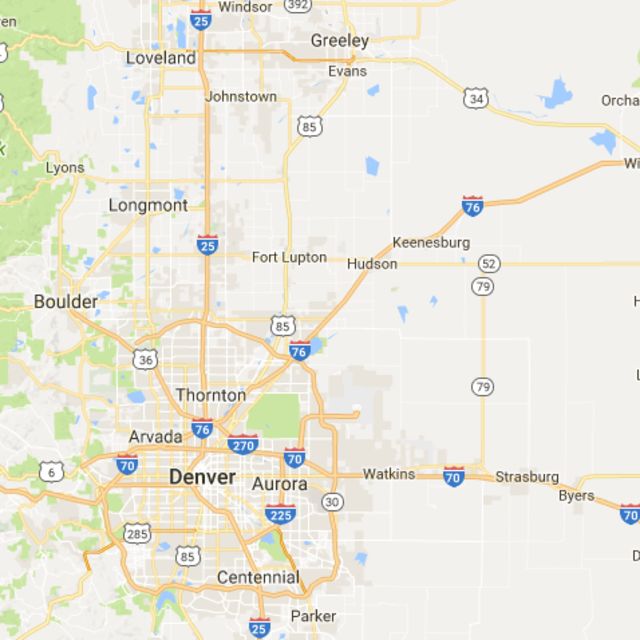
The distance between Denver and Estes Park can vary slightly depending on the specific starting point within Denver and the chosen route. Generally, the most common and direct routes place Estes Park approximately 65 to 70 miles northwest of Denver. This relatively short distance makes Estes Park an ideal destination for a day trip or a quick weekend escape from the city. The journey transitions from the flat plains and urban sprawl into the dramatic foothills and eventually the majestic Rocky Mountains, providing a captivating change of scenery throughout the drive.
Anticipating Travel Time
While 65-70 miles might suggest a quick trip, the mountainous terrain and potential for traffic can extend the actual travel time. Under ideal conditions, with light traffic and clear roads, the drive from Denver to Estes Park typically takes 1 hour and 30 minutes to 2 hours. However, it is prudent to factor in additional time, especially during peak travel seasons, holidays, or on weekends, when popular routes can experience significant congestion. The final approach into Estes Park itself involves winding mountain roads, which necessitate slower speeds and careful driving, adding to the overall duration.
Navigating the Routes: Options for Your Trip
Travelers have a few primary routes to choose from when heading to Estes Park from Denver, each offering slightly different characteristics in terms of scenery, speed, and potential for traffic. The choice often depends on personal preference, current road conditions, and the desired travel experience.
The Scenic US-36 Corridor
Perhaps the most popular and direct route involves taking US-36 northwest from Denver. This route typically starts by heading west on US-36 (also known as the Denver-Boulder Turnpike) towards Boulder. After passing Boulder, US-36 continues its ascent into the mountains, offering increasingly stunning views as you approach Estes Park. This route is renowned for its panoramic vistas, especially as you climb higher, providing ample opportunities for scenic pull-offs and photography. It’s a well-maintained highway, but drivers should be prepared for varying speeds and mountain curves as they get closer to their destination. The journey through Boulder can sometimes be congested during rush hours, so timing your departure is crucial.
The US-34 Alternative (Via Loveland)
Another viable option, particularly if you’re approaching Estes Park from the northern Denver metropolitan area or wish to avoid the direct Boulder corridor, is to take I-25 North from Denver. From I-25, you would exit onto US-34 West in Loveland. This route takes you through the Big Thompson Canyon, a breathtakingly beautiful and rugged stretch of road carved alongside the Big Thompson River. While incredibly scenic, the canyon road (especially after the 2013 floods) is narrower and more winding than US-36, often with lower speed limits and fewer passing opportunities. It’s a slightly longer route in terms of mileage (around 75-80 miles) and can take a bit longer in terms of time, but it offers a distinct and memorable mountain driving experience, often with less traffic congestion than the US-36 route through Boulder.
Public Transportation and Ride-Sharing
While driving your own vehicle offers the most flexibility, public transportation options are also available. Estes Park Shuttle provides direct shuttle services from Denver International Airport (DIA) to Estes Park, and potentially from other points in Denver. This is a convenient option for those who prefer not to drive mountain roads or want to avoid parking challenges in Estes Park and particularly within Rocky Mountain National Park. Ride-sharing services like Uber or Lyft are also an option, though they can be quite expensive for the distance and mountain travel, and availability can be less reliable the further you get from the Denver metro area.
Factors Influencing Your Travel Experience
Beyond the basic distance and route choices, several external factors can significantly impact the ease and enjoyment of your drive from Denver to Estes Park. Being aware of these can help you plan for a smoother journey.
Traffic Considerations
As with any popular travel corridor leading from a major city, traffic can be a considerable factor. Weekends, particularly during summer and fall foliage seasons, see a surge in visitors heading to Estes Park and Rocky Mountain National Park. Morning departures from Denver on Fridays and Saturdays can be particularly busy, as can late afternoon returns on Sundays. Departing early in the morning on weekdays or later in the day can often help you bypass the heaviest congestion, especially through areas like Boulder on US-36. Always check real-time traffic updates before you leave.
Seasonal Variations and Weather
Colorado’s weather is notoriously unpredictable, especially in the mountains.
- Summer: Generally ideal for driving, though afternoon thunderstorms are common. Roads are typically clear.
- Fall: A popular time for leaf peeping, meaning increased traffic. Weather is usually pleasant but can shift quickly, with early snow possible at higher elevations.
- Winter: Can present significant challenges. Snowstorms can close roads or make them extremely hazardous. Tire chain laws or traction laws may be in effect on mountain passes, requiring proper tires or chains. Always check Colorado Department of Transportation (CDOT) for current road conditions.
- Spring: A transition season. Lower elevations may be clear, but mountain roads can still experience late-season snow and icy conditions.
Road Conditions and Mountain Driving
The roads leading into Estes Park are generally well-maintained, but they are mountain roads. This means winding curves, significant elevation changes, and potentially narrow sections. Drivers unfamiliar with mountain driving should exercise extra caution, maintain slower speeds, and be prepared for sudden changes in weather or road surface. Wildlife, especially deer and elk, are common in the area and can pose a hazard, particularly at dawn and dusk. Drive defensively and be aware of your surroundings.
Why the Journey to Estes Park is Worth It
Despite the potential for traffic or mountain driving conditions, the journey from Denver to Estes Park remains one of Colorado’s most rewarding drives, leading to an unparalleled destination.
Gateway to Rocky Mountain National Park
Estes Park proudly serves as the eastern gateway to the magnificent Rocky Mountain National Park. Millions flock here annually to experience its towering peaks, alpine lakes, abundant wildlife, and extensive hiking trails. The convenience of Estes Park’s location means that once you’ve made the drive from Denver, you are just moments away from some of the most spectacular wilderness in the United States. Many visitors choose to base themselves in Estes Park for several days, exploring the town and making daily forays into the national park.
Estes Park’s Charm and Activities
Beyond its role as a park gateway, Estes Park itself is a captivating destination. The town sits at an elevation of 7,522 feet (2,293 meters) and offers a charming downtown area filled with unique shops, art galleries, and diverse dining options. Visitors can enjoy strolling along the Riverwalk, taking the Estes Park Aerial Tramway for panoramic views, or experiencing a scenic boat ride on Lake Estes. Wildlife viewing, particularly of elk and deer, is common right within the town limits, adding to its unique allure. The Stanley Hotel, famous for its architecture and as the inspiration for Stephen King’s “The Shining,” is also a prominent local attraction, offering tours and a glimpse into its storied past.
Planning Your Ultimate Colorado Adventure
Understanding the distance and travel specifics between Denver and Estes Park is just the first step in crafting an unforgettable Colorado adventure. Whether you’re seeking a quick escape to nature or an extended stay to explore the heart of the Rockies, the journey is manageable and undeniably picturesque. By factoring in route choices, potential traffic, and seasonal conditions, travelers can ensure their drive is as enjoyable and stress-free as the destination itself, setting the stage for memories that will last a lifetime amidst the grandeur of the Colorado mountains.
LifeOutOfTheBox is a participant in the Amazon Services LLC Associates Program, an affiliate advertising program designed to provide a means for sites to earn advertising fees by advertising and linking to Amazon.com. Amazon, the Amazon logo, AmazonSupply, and the AmazonSupply logo are trademarks of Amazon.com, Inc. or its affiliates. As an Amazon Associate we earn affiliate commissions from qualifying purchases.