
Embarking on a journey across the diverse landscapes of Colorado often involves navigating its iconic mountain passes and sprawling high desert plains. One such popular route connects the bustling capital city of Denver with the scenic western hub of Grand Junction. Understanding the distance, travel time, and available transportation options is crucial for planning an efficient and enjoyable trip, whether for business or leisure. This guide delves into the various facets of traveling between these two significant Colorado destinations, ensuring you are well-prepared for the adventure ahead.
The Journey Unveiled: Distance and Driving Time
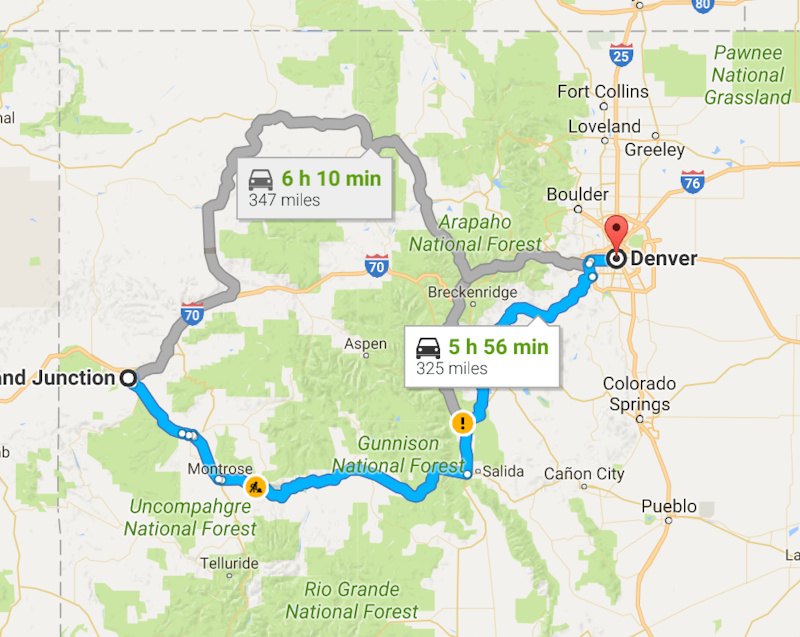
The most common and direct route connecting Denver to Grand Junction is via Interstate 70 (I-70). This primary artery traverses the heart of the Rocky Mountains, offering some of the most spectacular scenery in the United States.
Driving Distance
The approximate driving distance between downtown Denver and downtown Grand Junction is 240 to 250 miles (approximately 386 to 402 kilometers), depending on the specific starting and ending points within each city. This measurement provides a baseline for planning, though actual mileage can vary slightly.
Estimated Driving Time
Under ideal conditions, with clear roads and minimal traffic, the drive typically takes 3.5 to 4 hours. However, it is essential to factor in several variables that can significantly impact this estimate:
- Traffic Congestion: I-70 can experience significant congestion, especially during peak travel times, holidays, and weekends. The sections closer to Denver (e.g., through the Eisenhower Tunnel and past ski resorts like Vail and Copper Mountain) are particularly prone to slowdowns.
- Weather Conditions: Colorado’s mountain weather can be unpredictable. Winter storms bring heavy snow, ice, and reduced visibility, often leading to mandatory chain laws or even temporary road closures on I-70 mountain passes. Summer thunderstorms can also affect driving conditions. Always check weather forecasts and road conditions via Colorado Department of Transportation (CDOT) resources before departing.
- Construction: Road maintenance and expansion projects are common on such a vital interstate, potentially causing delays.
- Rest Stops and Breaks: To ensure a safe and comfortable journey, it’s advisable to factor in time for rest stops, meals, and stretching. Adding 30-60 minutes for a break can turn a long drive into a more manageable experience.
- Speed Limits: While portions of I-70 have higher speed limits, adherence to posted limits, especially in mountain sections and construction zones, is critical for safety and avoiding citations.
Considering these factors, it is prudent to allocate 4.5 to 6 hours for the drive to allow for contingencies and a relaxed pace, particularly if you are unfamiliar with the route or traveling during high-traffic periods.
Choosing Your Path: Routes and Scenic Drives
While I-70 is the most direct artery, understanding its characteristics and potential alternatives can enhance your travel planning.
The Interstate 70 Experience
The journey on I-70 west from Denver is a visual spectacle, transitioning from urban sprawl to dramatic mountain vistas.
- Mountain Passes: You’ll ascend through the Front Range of the Rocky Mountains, navigating several significant passes. The most notable is the Eisenhower-Johnson Memorial Tunnel, which takes you under the Continental Divide at an elevation of over 11,000 feet (3,353 meters). This section is often slow-going due to grades and potential traffic, but the engineering marvel itself is impressive.
- Ski Country: The route passes through the heart of Colorado’s renowned ski country, with exits to world-class resorts like Loveland Ski Area, Breckenridge (via CO-9 from Frisco), Keystone, Copper Mountain, Vail, and Beaver Creek. This region is breathtaking in winter, blanketed in snow, and vibrant with hiking and mountain biking in summer.
- Glenwood Canyon: One of the most iconic sections of I-70 is Glenwood Canyon, a narrow gorge carved by the Colorado River. The highway here is an engineering marvel, suspended over the river and hugging cliff faces. It’s a truly spectacular, albeit winding, stretch of road. The city of Glenwood Springs at the western end of the canyon is a popular stop for its hot springs.
- High Desert Transition: West of Glenwood Springs, the landscape gradually changes, becoming more arid and desert-like as you descend into the Grand Valley and approach Grand Junction. This transition offers a striking contrast to the alpine scenery.
Alternative Scenic Routes (Longer, but rewarding)
While less direct for reaching Grand Junction quickly, travelers with more time can consider routes that offer different scenic perspectives. These often involve significant detours and add several hours to the total travel time.
- South through Aspen/Independence Pass (Seasonal): During summer months (typically late May to early October), Independence Pass (Highway 82) offers an incredibly scenic but challenging alternative. From Denver, you would head south on US-285 to Fairplay, then west on US-24 to Leadville, and finally take CO-82 over Independence Pass to Aspen. From Aspen, you can connect to CO-133 South, then US-50 West to eventually reach Grand Junction. This route is significantly longer (6-8+ hours) and involves high elevations and narrow, winding roads, but the views are unparalleled. It is closed in winter.
- South via US-50 through Gunnison: Another option, also adding substantial time, involves taking US-285 South from Denver to Poncha Springs and then heading west on US-50 through Gunnison and past the Black Canyon of the Gunnison National Park. This route offers a different high-plains and canyon country experience before rejoining I-70 or taking other local roads to Grand Junction.
For most travelers prioritizing efficiency, I-70 remains the superior choice.
Beyond the Wheel: Other Modes of Transportation
While driving offers flexibility and the chance to appreciate the scenery at your own pace, other transportation options are available for traveling between Denver and Grand Junction.
Air Travel
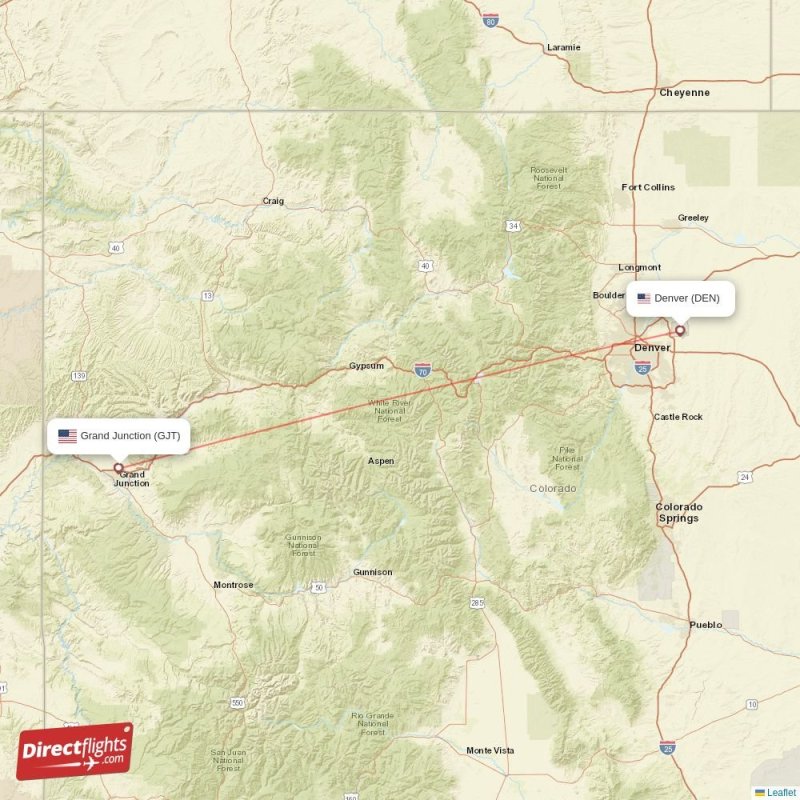
- Flying Time: Direct flights between Denver International Airport (DIA) and Grand Junction Regional Airport (GJT) are offered by several regional carriers. The actual flight time is typically around 1 hour.
- Total Travel Time: While the flight itself is quick, factor in time for getting to and from airports, security checks, boarding, and potential delays. This usually means a total travel time of 3 to 5 hours from your origin in Denver to your final destination in Grand Junction.
- Cost: Airfares can vary significantly based on booking time, airline, and demand. It’s often more expensive than driving or taking the bus/train, especially for solo travelers.
Bus Services
- Operators: Companies like Greyhound and Bustang (a service provided by CDOT) offer routes between Denver and Grand Junction.
- Travel Time: Bus journeys are generally longer than driving, typically ranging from 4.5 to 6 hours or more, depending on the number of stops and traffic conditions. Bustang’s West Line provides a comfortable, convenient option, often with Wi-Fi and power outlets.
- Cost: Bus tickets are usually the most budget-friendly option, making them attractive for travelers conscious of expenses.
Train Travel
- Operator: Amtrak’s California Zephyr train route connects Denver Union Station to the Grand Junction station.
- Travel Time: Train travel offers a unique, scenic experience but is the slowest option in terms of direct travel time, typically taking 6 to 7 hours. This is due to the train’s route, which often takes a more winding path and includes multiple stops.
- Experience: The train journey is highly regarded for its spectacular views, especially through Glenwood Canyon and the Continental Divide. Passengers can relax, move around, and enjoy the dining and observation cars.
- Cost: Train tickets can range from affordable coach seats to more luxurious private rooms, varying widely based on class and booking in advance.
En Route Delights: Notable Stops Along the Way
The drive from Denver to Grand Junction is not just about reaching a destination; it’s an opportunity for a memorable road trip filled with diverse attractions.
Summit County Stops
As you head west from Denver, the Summit County area offers numerous places to stretch your legs and explore.
- Frisco/Dillon/Silverthorne: These interconnected towns around Lake Dillon provide excellent opportunities for outdoor recreation, from hiking and biking in summer to skiing and snowboarding in winter. They also offer a variety of dining and shopping options.
- Breckenridge: A short detour south from Frisco on CO-9 leads to the historic mining town of Breckenridge, famous for its Victorian architecture, vibrant main street, and world-class ski resort.
Vail and Beaver Creek
These upscale resort towns are synonymous with luxury skiing and high-end amenities.
- Vail Village: Vail Village itself is pedestrian-friendly, with Bavarian-inspired architecture, excellent restaurants, and boutique shops. It’s a fantastic stop for a gourmet meal or a leisurely stroll.
- Outdoor Activities: Beyond skiing, the area offers gondola rides, mountain biking, fly fishing, and hiking during the warmer months.
Glenwood Springs
Located at the western end of Glenwood Canyon, Glenwood Springs is a must-stop for many travelers.
- Hot Springs: The city is renowned for its natural hot springs. The Glenwood Hot Springs Pool is one of the largest mineral hot springs pools in the world, perfect for relaxation. The Iron Mountain Hot Springs offers a more intimate, diverse soaking experience.
- Adventure Park: The Glenwood Caverns Adventure Park offers cave tours and thrilling rides perched on the edge of cliffs overlooking the Colorado River.
- Hanging Lake: A challenging but rewarding hike (permit required) to Hanging Lake is another highlight in Glenwood Canyon, known for its unique turquoise waters and waterfalls.
Arriving in Grand Junction: Gateway to Western Colorado
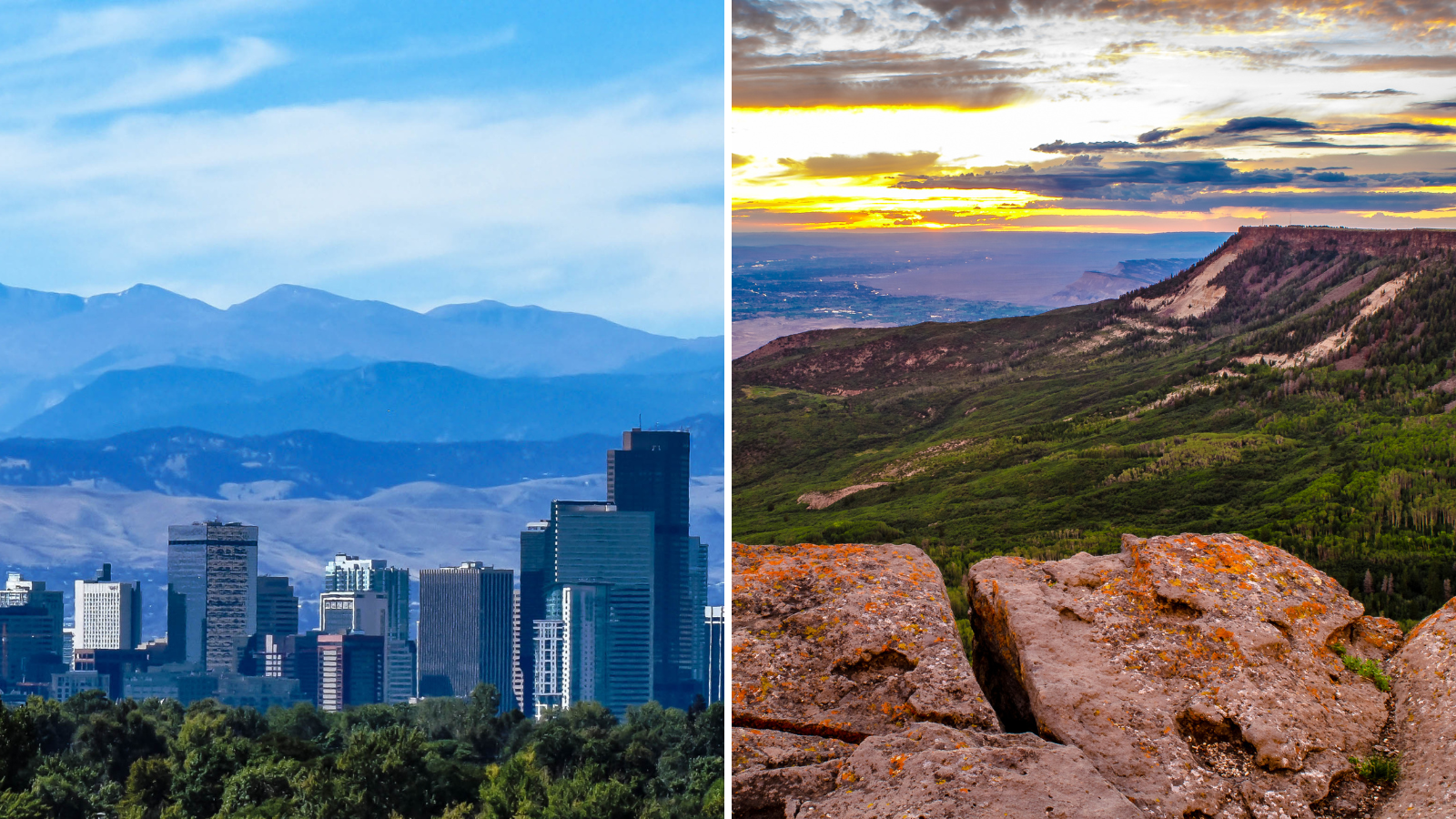
Upon arrival in Grand Junction, travelers discover a vibrant city serving as the economic and cultural hub of Western Colorado. Situated in the fertile Grand Valley, where the Colorado and Gunnison Rivers meet, the city offers a different pace and array of attractions than Denver.
- Colorado National Monument: Just a short drive west of the city, the Colorado National Monument features towering monoliths, deep canyons, and vast expanses of semi-arid desert. It’s often referred to as a “mini Grand Canyon” and offers stunning scenic drives, hiking, and biking.
- Wine Country: The Grand Valley is Colorado’s premier wine region, boasting numerous vineyards and wineries. Visitors can enjoy tours, tastings, and often live music.
- Outdoor Recreation: Grand Junction is a mecca for outdoor enthusiasts, offering world-class mountain biking trails (such as those on the Tabeguache Trail System and Lunch Loops), hiking, river rafting, and rock climbing.
- Downtown: The revitalized downtown area, known as the Grand Junction Creative District, features a remarkable outdoor sculpture collection, diverse restaurants, breweries, and local shops.
Whether you choose the swift directness of I-70, the leisurely pace of a bus or train, or the rapid convenience of air travel, the journey from Denver to Grand Junction is an integral part of the Colorado travel experience. Each mode of transport and every mile covered reveals more of the state’s spectacular natural beauty and rich cultural tapestry, making the distance not just a number, but a gateway to adventure.
LifeOutOfTheBox is a participant in the Amazon Services LLC Associates Program, an affiliate advertising program designed to provide a means for sites to earn advertising fees by advertising and linking to Amazon.com. Amazon, the Amazon logo, AmazonSupply, and the AmazonSupply logo are trademarks of Amazon.com, Inc. or its affiliates. As an Amazon Associate we earn affiliate commissions from qualifying purchases.