
Embarking on a journey from Denver, Colorado‘s bustling capital, to the renowned ski town of Steamboat Springs is a classic Rocky Mountain adventure. The distance, while significant, is manageable and offers a scenic introduction to the state’s majestic landscapes. Understanding the precise distance, potential routes, and travel considerations is paramount for a smooth and enjoyable trip, whether you’re heading for world-class skiing or a summer mountain escape.
The Direct Route: Distance and Driving Time
The most common and direct driving route from Denver to Steamboat Springs typically spans approximately 155 to 160 miles, depending on the specific starting point in Denver and the exact destination within Steamboat Springs. While this distance might seem straightforward, the mountainous terrain of the Rocky Mountains dictates a more leisurely pace than flat-land driving.
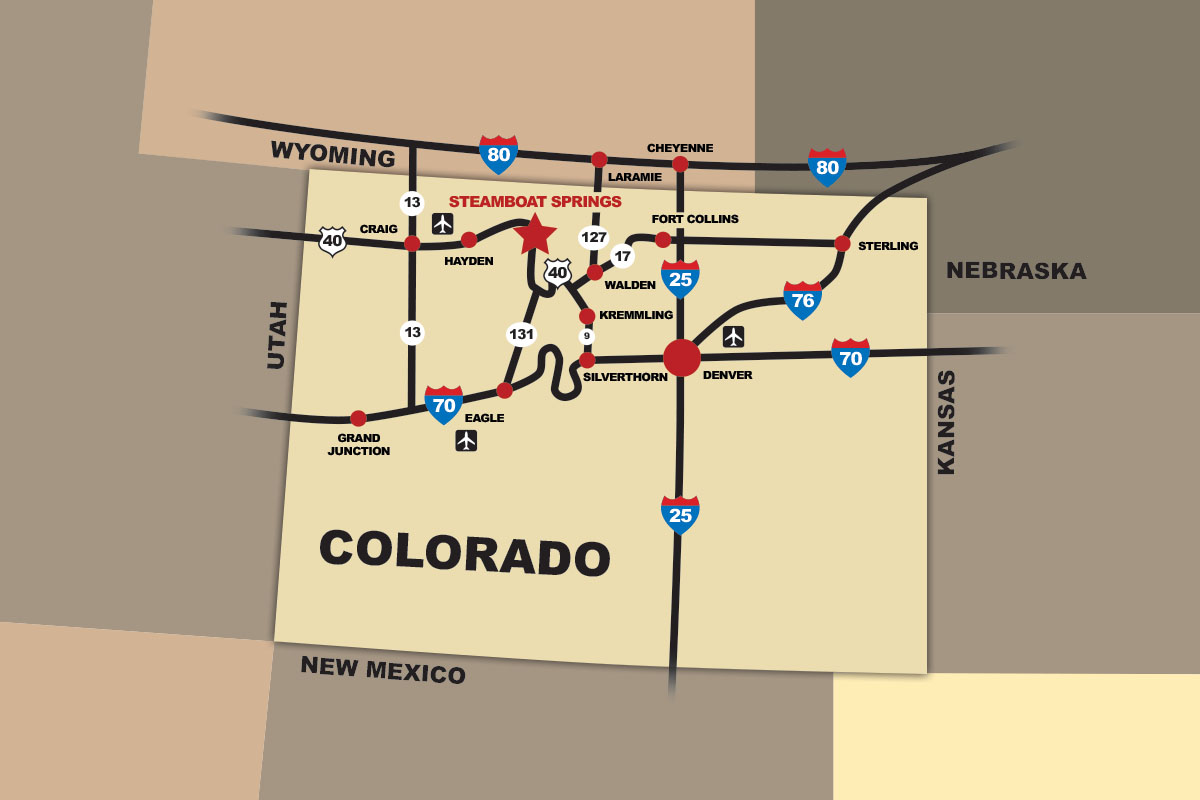
Under ideal conditions—clear weather, light traffic, and no road closures—the average driving time is usually between 3 to 3.5 hours. However, it is crucial to recognize that “ideal conditions” are not always the norm, especially during peak seasons or adverse weather. This journey takes travelers over significant mountain passes, each presenting its own unique challenges and breathtaking vistas. Planning for potential delays is a key aspect of successful travel in this region.
Primary Driving Routes
There are a few main ways to tackle the drive, each with its own character:
-
Via US-40 (Berthoud Pass): This is often considered the most direct and traditional route. From Denver, travelers head west on I-70 for a short stretch before taking Exit 232 for US-40 West towards Empire and Winter Park. This route takes you over Berthoud Pass, which reaches an elevation of 11,307 feet. While scenic, the pass can be challenging, especially in winter, with sharp curves and steep grades. After descending from the pass, US-40 continues through the picturesque Fraser Valley, past Granby and Kremmling, eventually leading directly into Steamboat Springs. This route is renowned for its consistent mountain views.
-
Via I-70 and CO-9: An alternative, often preferred by those who wish to avoid Berthoud Pass or are traveling during periods of heavy snow, involves taking I-70 further west. From Denver, drive west on I-70 past the Eisenhower Tunnel (or Loveland Pass if avoiding the tunnel) to Silverthorne or Frisco. From there, take CO-9 North towards Kremmling, where it reconnects with US-40 West. This route typically adds a few extra miles, bringing the total to around 170-180 miles, and can extend the driving time by 30-60 minutes, pushing it to 3.5 to 4.5 hours. However, the initial stretch on I-70 is a major interstate, often better maintained and less steep than Berthoud Pass, particularly in winter.
Factors Affecting Travel Time
Several variables can significantly impact the actual travel duration:
- Weather Conditions: This is arguably the most critical factor. Snowstorms, whiteouts, and icy roads can slow traffic to a crawl, necessitate chain requirements, or even lead to temporary pass closures. Always check the forecast and road conditions (e.g., via Colorado Department of Transportation resources) before departing.
- Traffic: I-70 west of Denver is notorious for heavy traffic, especially on Friday afternoons/evenings and Sunday afternoons when skiers and weekenders are heading to and from the mountains. Similarly, peak season for Steamboat Springs (winter and some summer weekends) can see increased congestion on US-40.
- Seasonality: Winter travel almost always takes longer due to weather and road conditions. Summer offers faster travel times but can still be impacted by weekend traffic or construction.
- Construction: Road construction projects are common in Colorado, particularly during the warmer months, and can introduce unexpected delays.
Navigating the Rockies: Key Road Conditions and Considerations
Driving through the Rocky Mountains is an experience in itself, but it requires careful preparation and awareness of the changing conditions. The elevation changes and winding roads demand a driver’s full attention.
Mountain Passes and Elevations
Both primary routes involve crossing significant mountain passes.
- Berthoud Pass on US-40 is at 11,307 feet. It features steep grades (up to 6.3%) and numerous switchbacks.
- Rabbit Ears Pass, located closer to Steamboat Springs on US-40, reaches 9,426 feet. While generally less steep and winding than Berthoud Pass, it is still prone to heavy snowfall and can experience whiteout conditions.
- If taking I-70 further west, you’ll traverse the Continental Divide either through the Eisenhower Tunnel (11,158 feet) or over Loveland Pass (11,990 feet). These sections are major thoroughfares and are generally well-maintained.
Winter Driving Challenges
Winter travel to Steamboat Springs presents the most significant challenges.
- Chain Laws and Traction Devices: Colorado has strict chain laws (traction laws) that can be enforced on mountain passes, particularly on I-70 and US-40. This often means 4WD/AWD vehicles with M+S (mud and snow) tires or dedicated snow tires are required. If not, chains or other approved traction devices are mandatory. Heed these laws; fines are substantial, and safety is paramount.
- Reduced Visibility: Snow, fog, and whiteout conditions are common.
- Black Ice: Even on clear days, shaded areas can harbor black ice.
- Vehicle Preparation: Ensure your vehicle is winter-ready with good tires, adequate fluid levels, a full tank of gas, and an emergency kit (blankets, food, water, flashlight, shovel).

Summer Road Trips and Scenery
Summer offers a dramatically different experience. The mountain passes are generally clear, revealing stunning vistas of evergreen forests, alpine meadows, and flowing rivers. The drives are exhilarating, with opportunities to pull off at scenic overlooks for photos or short hikes. While still a mountain drive, summer conditions allow for a more relaxed journey, albeit with potential for afternoon thunderstorms or construction delays. The drive through Gore Canyon on US-40 is particularly scenic in warmer months.
Alternative Modes of Transport to Steamboat Springs
While driving is the most common way to reach Steamboat Springs, especially for flexibility and carrying gear, other options exist.
Air Travel Options
For those preferring to avoid the mountain drive or traveling from further afield, flying is a viable option.
- Yampa Valley Regional Airport (HDN), Hayden: This is the closest airport to Steamboat Springs, located about 22 miles (30-40 minute drive) west in Hayden. During peak winter season, HDN offers direct flights from several major U.S. cities. In the off-season, flight options are more limited, often requiring connections. Upon arrival, various shuttle services, taxis, and rental car agencies are available for the final leg to Steamboat Springs.
- Denver International Airport (DIA): DIA serves as the primary gateway to Colorado and offers flights from virtually anywhere. From DIA, travelers would then need to arrange ground transportation (rental car or shuttle) for the 3 to 4.5-hour drive to Steamboat Springs.
Shuttle Services and Public Transport
Several commercial shuttle services operate daily routes between Denver International Airport and Steamboat Springs, as well as between Yampa Valley Regional Airport and Steamboat Springs. These services are particularly popular in winter, as they remove the stress of mountain driving and allow passengers to relax. They typically operate on a schedule and can be a cost-effective option for solo travelers or small groups, especially considering potential rental car costs and parking in Steamboat Springs. Some services also offer private transfers for added convenience.
Considerations for Rental Cars
Renting a car from Denver provides maximum flexibility for exploring Steamboat Springs and the surrounding areas. When renting a vehicle for winter travel, it is highly recommended to request an all-wheel-drive (AWD) or four-wheel-drive (4WD) vehicle, preferably equipped with snow tires or at least M+S rated tires. Confirm the rental company’s policy on winter tires and chain requirements. Be aware that rental car rates can fluctuate significantly by season and demand.
Making the Journey Part of the Experience
The drive from Denver to Steamboat Springs is more than just getting from point A to point B; it’s an opportunity to immerse yourself in Colorado’s stunning natural beauty.
Scenic Stops Along the Way
Depending on your chosen route, there are several charming towns and scenic overlooks worth a stop:
- Idaho Springs: A historic mining town just off I-70, offering hot springs and the Phoenix Gold Mine.
- Georgetown: Another picturesque mining town with Victorian architecture and the historic Georgetown Loop Railroad.
- Empire: The turn-off for US-40 and gateway to Berthoud Pass.
- Winter Park: A popular ski resort town with dining and shopping options, offering a chance to stretch your legs before or after the pass.
- Grand Lake / Granby: Home to Colorado’s largest natural lake and close to the western entrance of Rocky Mountain National Park.
- Kremmling: A small town where the CO-9 route merges with US-40, known for its fishing and rafting opportunities.
- Silverthorne / Frisco: If taking the I-70 route, these towns offer outlets, dining, and scenic lake views.
Best Times to Travel for a Smooth Journey
To minimize travel time and maximize enjoyment, consider these tips:
- Avoid Peak Hours: On weekends, depart Denver early Saturday morning (before 7 AM) or late in the afternoon (after 3 PM) to miss the worst of the I-70 traffic. For the return trip, leave Steamboat Springs early Sunday morning or opt for Monday morning.
- Mid-Week Travel: If your schedule allows, traveling on a Tuesday, Wednesday, or Thursday will generally result in lighter traffic and more predictable travel times.
- Off-Season: The shoulder seasons (late spring and fall) offer less crowded roads, often favorable weather, and the opportunity to witness the vibrant colors of autumn or the blossoming of spring.

Preparing for Your Mountain Drive
A few simple preparations can make a big difference:
- Check Road Conditions: Always consult resources like cotrip.org for real-time road closures, chain laws, and traffic incidents.
- Fuel Up: Gas stations can be sparse in certain mountain stretches. Fill your tank before heading into the mountains.
- Hydration and Snacks: Keep water and snacks accessible. Longer travel times due to traffic or weather can make a significant difference in comfort.
- Layered Clothing: Mountain weather can change quickly, even in summer.
- Download Offline Maps: Cell service can be spotty in remote areas.
The journey from Denver to Steamboat Springs is an integral part of the Colorado experience. By understanding the distance, choosing the right route, and preparing for the unique challenges and beauty of mountain travel, you ensure that your adventure begins long before you reach the final destination.
LifeOutOfTheBox is a participant in the Amazon Services LLC Associates Program, an affiliate advertising program designed to provide a means for sites to earn advertising fees by advertising and linking to Amazon.com. Amazon, the Amazon logo, AmazonSupply, and the AmazonSupply logo are trademarks of Amazon.com, Inc. or its affiliates. As an Amazon Associate we earn affiliate commissions from qualifying purchases.