
The journey from Denver, Colorado to Vail is a classic Colorado experience, weaving through some of the state’s most stunning Rocky Mountain landscapes. For anyone planning a trip, understanding the distance and associated travel times is paramount to an efficient and enjoyable adventure. This guide delves into the specifics, offering insights into various travel methods and what to expect on this popular route.
The Straightforward Answer: Distance and Drive Time
At its core, the question of distance between Denver and Vail is relatively simple, yet the answer to “how long will it take?” is often more nuanced due to mountain driving conditions, traffic, and weather.
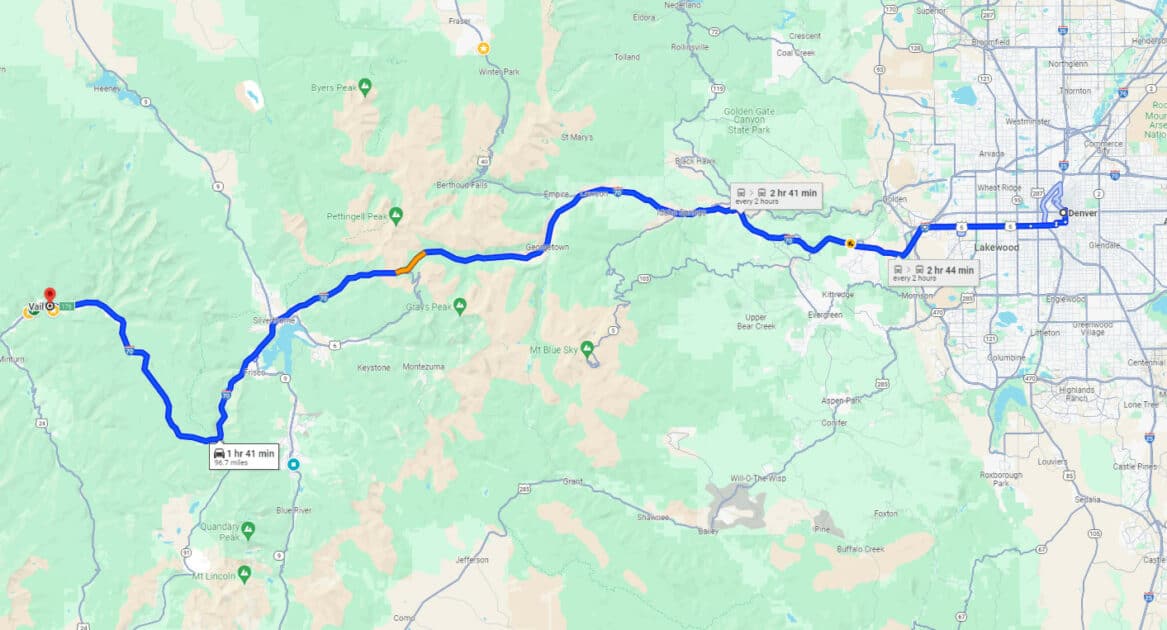
Unpacking the Mileage
The most direct route from Denver to Vail typically follows Interstate 70 (I-70) West. The average distance covered is approximately 97 to 100 miles (about 156 to 161 kilometers), depending on the exact starting point in Denver and destination within Vail Village. This relatively short distance belies the dramatic elevation changes and often challenging driving conditions that characterize mountain travel.
Factors Affecting Drive Time
While 100 miles might suggest a quick, hour-and-a-half drive on flat terrain, the reality of the Denver to Vail route is quite different.
- Ideal Conditions: Under perfect driving conditions—clear weather, no traffic, and no road closures—the drive can be completed in approximately 1 hour and 45 minutes to 2 hours. These conditions are most common during off-peak seasons or very early morning/late evening drives.
- Traffic Congestion: I-70 is a major artery, especially on weekends and holidays when visitors flock to Colorado’s ski resorts. Peak travel times, particularly Friday afternoons/evenings westbound and Sunday afternoons/evenings eastbound, can easily extend drive times to 3-4 hours, or even longer in extreme cases. Construction projects are also a perennial factor, often leading to lane closures and slowdowns.
- Weather Conditions: Colorado’s mountains are renowned for their unpredictable weather. Winter storms can bring heavy snowfall, whiteout conditions, and icy roads, leading to significantly reduced speeds, chain laws for vehicles, and occasional road closures. Even in summer, thunderstorms can impact visibility and road conditions. Monitoring forecasts and road conditions via resources like the Colorado Department of Transportation (CDOT) is essential.
- Mountain Passes and Tunnels: The route involves significant elevation gains and descents, most notably through the Eisenhower Tunnel at over 11,000 feet. The approach to and exit from the tunnel, as well as the gradients leading up to Vail Pass, require careful driving and can contribute to slower travel speeds, especially for larger vehicles.
Navigating the I-70 Corridor: A Scenic Journey
The drive along I-70 from Denver to Vail is far more than just a means to an end; it’s an experience in itself, offering breathtaking vistas and notable landmarks.
Key Landmarks Along the Way
Starting from Denver, the landscape quickly transitions from urban sprawl to rolling foothills, then to dramatic mountain terrain.
- Idaho Springs: A historic mining town, often the first significant stop for gas or a quick bite after ascending into the mountains.
- Georgetown: Another charming historic town with Victorian architecture, offering a glimpse into Colorado’s past. The Georgetown Loop Railroad is a popular attraction here.
- Loveland Ski Area: Visible from I-70, it’s one of the first major ski resorts encountered.
- Eisenhower Tunnel: A monumental engineering feat, this tunnel takes travelers under the Continental Divide, marking a significant point in the journey as you transition from the eastern slope to the western slope of the Rocky Mountains. This is the highest vehicular tunnel in North America.
- Dillon, Frisco, Silverthorne: These towns, often collectively referred to as the Summit County towns, are situated around Dillon Reservoir and serve as hubs for various outdoor activities, including access to Breckenridge, Keystone, and Copper Mountain ski resorts. You’ll pass these after the Eisenhower Tunnel and before the final push to Vail.
- Vail Pass: After passing the Summit County towns, the road climbs again to Vail Pass, an impressive stretch known for its challenging winter driving and stunning summer views, before descending directly into Vail.
Weather and Traffic Considerations
The I-70 corridor between Denver and Vail is notoriously busy. Understanding typical patterns can help in planning.
- Winter Travel: From November through April, prepare for winter driving conditions. This often means slower speeds, potential chain or traction device requirements, and the possibility of road closures. Snow tires or all-wheel drive vehicles are highly recommended. Always check CDOT’s cotrip.org for real-time road conditions and traffic cameras.
- Summer Travel: While free from snow, summer brings its own challenges. Weekend traffic remains heavy, especially on sunny days when outdoor enthusiasts head to the mountains. Afternoon thunderstorms are common, which can lead to brief, intense downpours and reduced visibility. Construction season also peaks in the summer, which can add to delays.
- Peak vs. Off-Peak: Traveling mid-week (Tuesday through Thursday) and outside of major holiday periods almost always ensures a smoother, quicker journey. Early morning departures (before 7 AM) or late evening departures (after 7 PM) on peak travel days can also significantly cut down on drive times.
Transportation Options Beyond Self-Driving

While driving yourself offers flexibility, several other transportation methods cater to those who prefer not to navigate mountain roads or simply wish to relax and enjoy the scenery.
Shuttle Services
Several dedicated shuttle companies provide reliable service between Denver International Airport (DIA) and Vail. These services typically operate on a schedule, offering shared rides in vans or larger buses, or private transfers for a more personalized experience.
- Providers: Companies like Epic Mountain Express (formerly Colorado Mountain Express) are popular choices, offering comfort and convenience. They are experienced in mountain driving and often monitor road conditions to adjust routes or timings as needed.
- Benefits: Eliminates the need for rental cars, parking fees, and the stress of driving in potentially adverse conditions. Passengers can relax or work during the journey.
- Considerations: Less flexible schedule compared to driving yourself; travel time can be extended due to multiple stops for other passengers.
Public Transportation: Bustang
Colorado’s state-run bus service, Bustang, offers an affordable and comfortable option from Denver Union Station (and other select stops) directly to Vail Transportation Center.
- Route: The West Line of Bustang provides service along I-70 to destinations like Vail, Frisco, and Glenwood Springs.
- Benefits: Very cost-effective, environmentally friendly, and allows travelers to avoid driving stress. Buses are equipped with Wi-Fi and restrooms.
- Considerations: Fixed schedule, which may not align perfectly with all travel plans. Luggage limits may apply.
Air Travel via Eagle County Regional Airport
For those prioritizing speed and convenience, flying directly into Eagle County Regional Airport (EGE), located near Vail (approximately 35 miles to the west), is an option.
- Airlines: EGE has seasonal direct flights from several major U.S. cities, especially during the winter ski season.
- Travel from EGE to Vail: From Eagle airport, ground transportation (shuttles, taxis, ride-shares, or rental cars) is necessary to reach Vail. This leg of the journey typically takes about 45 minutes to an hour.
- Benefits: Significantly reduces overall travel time compared to driving from Denver.
- Considerations: Often more expensive than flying into DIA and driving. Flight schedules are more limited, particularly outside of peak season. Weather can impact flights, leading to delays or cancellations.
Optimizing Your Travel Experience
Regardless of your chosen mode of transport, a little foresight can vastly improve your journey from Denver to Vail.
Best Times to Travel
- Avoid Peak Hours: As a rule of thumb, avoid driving westbound on I-70 on Friday afternoons (1 PM – 6 PM) and Saturday mornings (7 AM – 12 PM). For eastbound travel back to Denver, steer clear of Sunday afternoons (1 PM – 6 PM). Mid-week travel offers the least congestion.
- Early Bird or Night Owl: Departing very early in the morning (e.g., before 6 AM) or late in the evening (after 7 PM) can often allow for the quickest travel times on popular days.
- Check Forecasts: Always consult weather forecasts for both Denver and Vail, especially during winter months. Mountain weather can change rapidly.
Essential Packing and Vehicle Checks
If self-driving, preparing your vehicle is crucial for a safe journey.
- Tires: Ensure tires are in good condition and properly inflated. For winter travel, snow tires or all-weather tires with good tread are highly recommended.
- Fluids: Check oil, wiper fluid, and antifreeze levels.
- Emergency Kit: Carry an emergency kit, especially in winter. This should include blankets, a flashlight, jumper cables, a first-aid kit, and snacks/water.
- Fuel: Fill up your gas tank before leaving Denver, as gas stations are less frequent and potentially more expensive in the mountains.
Making the Journey Part of the Destination
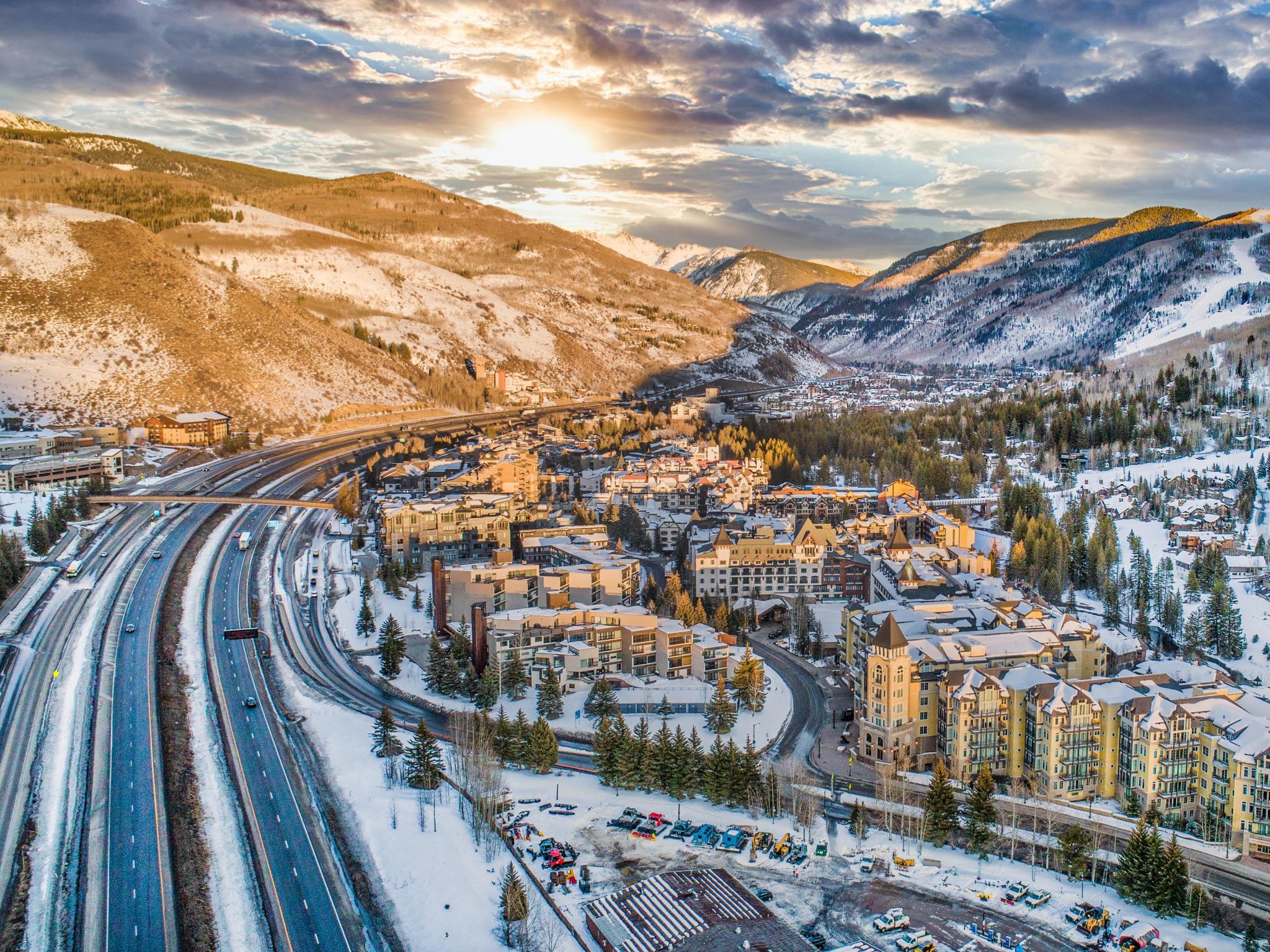
The drive from Denver to Vail is an integral part of the Colorado experience. With majestic views of the Rocky Mountains, charming mountain towns, and impressive engineering marvels like the Eisenhower Tunnel, the journey itself can be a highlight. Plan for potential delays, but also plan for opportunities to pull over at scenic overlooks, grab a coffee in a quaint town like Frisco, or simply marvel at the grandeur of the landscape. With proper planning and a flexible mindset, the trip from Denver to Vail can be as enjoyable as the destination itself.
LifeOutOfTheBox is a participant in the Amazon Services LLC Associates Program, an affiliate advertising program designed to provide a means for sites to earn advertising fees by advertising and linking to Amazon.com. Amazon, the Amazon logo, AmazonSupply, and the AmazonSupply logo are trademarks of Amazon.com, Inc. or its affiliates. As an Amazon Associate we earn affiliate commissions from qualifying purchases.