
The Majestic Colorado Spruce: An Icon of Western Landscapes
The Colorado Spruce, scientifically known as Picea pungens, stands as a quintessential emblem of the American West. Its distinctive pyramidal shape, often with a broad base tapering to a narrow crown, and its striking silvery-blue needles make it an undeniable focal point in any landscape it graces. More than just a beautiful tree, the Colorado Spruce is a natural landmark, defining the character of mountain vistas and high-altitude forests across its native range. Understanding its growth rate is not merely a botanical curiosity; it offers insights into the ecological processes that shape these magnificent natural attractions and allows for informed appreciation and management of these living monuments. Its presence often signifies pristine, robust ecosystems, contributing significantly to the biodiversity and scenic allure of regions like Colorado.

A Symbol of Resilience and Natural Beauty
Found predominantly in the central and southern Rocky Mountains, the Colorado Spruce thrives in challenging environments. It endures harsh winters, arid summers, and high elevations, showcasing a remarkable resilience that contributes to its status as a enduring natural landmark. Its aesthetic appeal is undeniable; the dense foliage and often iridescent blue-green hue provide a striking contrast against the rugged backdrop of mountain ranges, especially when dusted with snow or bathed in the golden light of sunrise or sunset. This inherent beauty has led to its widespread adoption as an ornamental tree far beyond its native habitat, yet it is in its natural setting that its grandeur truly resonates, forming an integral part of the visual identity of these regions. Visitors to national parks and wilderness areas often seek out the towering presence of these spruces, recognizing them as integral components of the iconic landscapes they have come to admire.
Ecological Significance within Colorado’s Diverse Ecosystems
Beyond its visual appeal, the Colorado Spruce plays a critical ecological role. As a foundational species in many subalpine and montane forest ecosystems, it provides vital habitat and sustenance for a myriad of wildlife. Its dense branches offer shelter for birds and small mammals, while its seeds are a food source for various species. The sheer scale and longevity of these trees contribute to the structural diversity of the forest, influencing light penetration, soil moisture, and nutrient cycling. These ancient trees can also act as indicators of ecosystem health, their growth patterns reflecting long-term climate trends and environmental changes. Thus, the growth and health of the Colorado Spruce are directly linked to the vitality of the natural landmarks they inhabit, underscoring their importance not just as individual specimens but as pillars of entire natural communities.
Unraveling the Growth Dynamics of Picea pungens
The growth rate of a Colorado Spruce is not uniform throughout its life and is subject to a complex interplay of genetic factors and environmental conditions. Generally considered a medium-speed grower, its trajectory from a nascent seedling to a towering mature tree unfolds over decades, contributing to the enduring nature of the landscapes it forms. Understanding these growth stages is crucial for appreciating the time scale over which natural landmarks develop and evolve.
Early Life: From Seedling to Sapling
In its initial years, particularly from germination to approximately five years old, the Colorado Spruce exhibits relatively slow growth. During this crucial period, the young tree invests significant energy into developing a robust root system, anchoring itself firmly into the often-rocky mountain soil. Above ground, growth might only be a few inches per year, as the plant establishes its basic structure and photosynthetic capacity. Survival rates for seedlings in the wild are low, as they are vulnerable to drought, competition from other vegetation, and herbivory. However, those that persist lay the groundwork for future majestic growth, setting the stage for their eventual role as dominant features in the landscape.
The Adolescent Phase: Rapid Ascent
Once established, typically after five to ten years, the Colorado Spruce enters a phase of more vigorous growth. This “adolescent” period, which can last for several decades, sees the tree adding an average of 12 to 24 inches (30 to 60 cm) in height per year under optimal conditions. In ideal environments – characterized by ample sunlight, consistent moisture, and nutrient-rich soil – some specimens can even push beyond this range. This rapid ascent allows the spruce to compete effectively for light and space within the forest canopy, contributing to the dense, formidable appearance of spruce groves found in many natural parks and wilderness areas. This is the period where the tree begins to truly define its presence, growing into the stately form that makes it so recognizable within its natural habitat.
Maturation: Steady Growth and Longevity
As the Colorado Spruce approaches maturity, typically around 50 to 70 years of age, its vertical growth rate begins to slow down. While it may still add some height annually, the focus shifts more towards increasing trunk girth and developing a broader, more robust crown. Mature trees can reach heights of 50 to 75 feet (15 to 23 meters) in their native habitat, with exceptional specimens exceeding 100 feet (30 meters). The oldest known Colorado Spruces can live for 300 to 600 years, some even longer, becoming venerable giants that have witnessed centuries of ecological change. These ancient trees become living landmarks, their massive trunks and soaring canopies a testament to time and resilience, serving as enduring symbols within their ecosystems.
Factors Influencing Spruce Growth: A Landscape Perspective
The intrinsic growth potential of the Colorado Spruce is significantly modulated by external environmental variables. These factors, inherent to the unique landscapes where these trees thrive, dictate not only how fast a spruce grows but also its ultimate size, shape, and overall health. Understanding these influences is key to appreciating the variations observed in wild spruce populations and their contribution to the diverse character of natural landmarks.
Climate and Altitude: Shaping the Rocky Mountains Giants
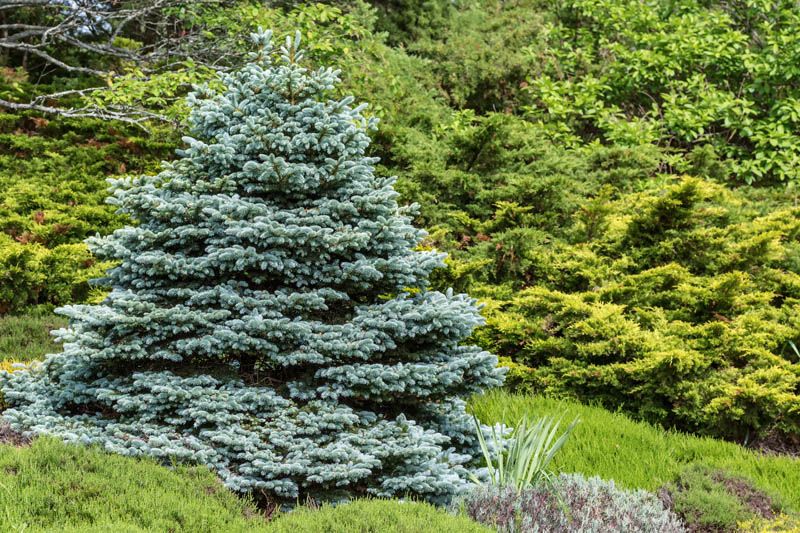
The native range of the Colorado Spruce spans high-altitude zones in the central and southern Rocky Mountains, typically between 6,000 and 10,000 feet (1,800 to 3,000 meters) above sea level. At these elevations, trees contend with shorter growing seasons, intense UV radiation, strong winds, and extreme temperature fluctuations. Colder temperatures and a shorter frost-free period inherently limit the number of days available for active growth, resulting in slower overall development compared to trees in more temperate zones. Furthermore, heavy snow loads can break branches or stunt growth, leading to more compact, wind-swept forms in exposed areas that nonetheless become distinctive features of alpine scenery. Variations in local climate within this range — such as south-facing slopes receiving more sun or sheltered valleys providing protection — create microclimates that influence individual tree performance, adding to the rich tapestry of these natural landmarks.
Soil Composition and Water Availability
Soil conditions play a pivotal role in the health and growth rate of the Colorado Spruce. These trees prefer moist, well-drained soils, often loamy or sandy-loam, that are slightly acidic to neutral. In their native environment, they are commonly found along stream banks, in canyons, and on lower mountain slopes where water is more readily available. Trees growing in poor, rocky, or heavily compacted soils will exhibit significantly slower growth rates and may never reach their full potential height. Conversely, a steady supply of moisture, particularly during the growing season, is critical for vigorous growth. Extended droughts, a common occurrence in the semi-arid West, can severely stress spruces, leading to reduced growth, increased susceptibility to pests and diseases, and even mortality, impacting the long-term character of forest landmarks.
Competition and Forest Dynamics
Within a natural forest setting, competition for resources is fierce. Young Colorado Spruces must contend with neighboring trees, shrubs, and undergrowth for light, water, and nutrients. Trees growing in dense stands, while providing a dramatic visual impact as a collective landmark, typically grow slower individually than those with more open space. Dominant trees, having established better access to resources, will grow faster and taller, eventually forming the upper canopy. Furthermore, natural disturbances such as wildfires, insect outbreaks (e.g., spruce bark beetle), and diseases can profoundly alter forest dynamics, creating openings for new growth or selectively removing older, larger specimens. These processes are integral to the life cycle of these forest landmarks, shaping their current appearance and future trajectory.
Cultivating a Landmark: Colorado Spruce in Human-Designed Landscapes
While the Colorado Spruce is a cornerstone of natural Colorado landscapes, its stately appearance and hardiness have made it a popular choice for cultivation in parks, public gardens, and private properties far beyond its native range. Here, its growth rate and mature form are not only admired but often actively managed to enhance aesthetic appeal and create lasting landscape features, echoing its role as a natural landmark.
Ornamental Value and Landscape Design
In cultivated settings, the growth rate of a Colorado Spruce can be optimized through careful site selection, proper planting techniques, and ongoing maintenance. Homeowners and landscape designers value its dense, conical form and attractive blue-green foliage for creating windbreaks, privacy screens, and majestic specimen trees. When provided with adequate space, sunlight, water, and rich soil, a cultivated Colorado Spruce can often achieve a growth rate at the higher end of its typical range (18-24 inches per year) and potentially reach impressive sizes more quickly than its wild counterparts. This accelerated growth in ideal conditions highlights the species’ potential to become a focal point, a planned landmark, within a designed environment. Regular pruning, though not always necessary for the tree’s health, can be employed to maintain its desired shape or to remove dead branches, contributing to its enduring aesthetic as a cultivated landmark.
Sustaining Heritage Trees and Natural Monuments
Many towns and cities across the United States proudly feature old, towering Colorado Spruces in their public squares or historic properties. These “heritage trees” serve as living monuments, often predating the development around them, and are cherished for their age, size, and historical significance. Their slow, steady growth over decades allows them to become immense, providing shade, beauty, and a tangible connection to the past. The preservation of these trees involves understanding their specific needs, mitigating urban stresses (such as soil compaction or pollution), and sometimes providing structural support as they age. In this context, the tree’s growth rate takes on a different meaning—it represents the slow, deliberate accumulation of history and stature, turning a botanical specimen into a cultural landmark.
The Lifespan and Grandeur of Fully Grown Spruces
The journey from a minuscule seed to a grand, mature Colorado Spruce is a testament to nature’s slow artistry. The growth rate, while seemingly modest year-to-year, culminates in a tree that profoundly impacts its surroundings and endures for centuries.
Reaching Iconic Proportions
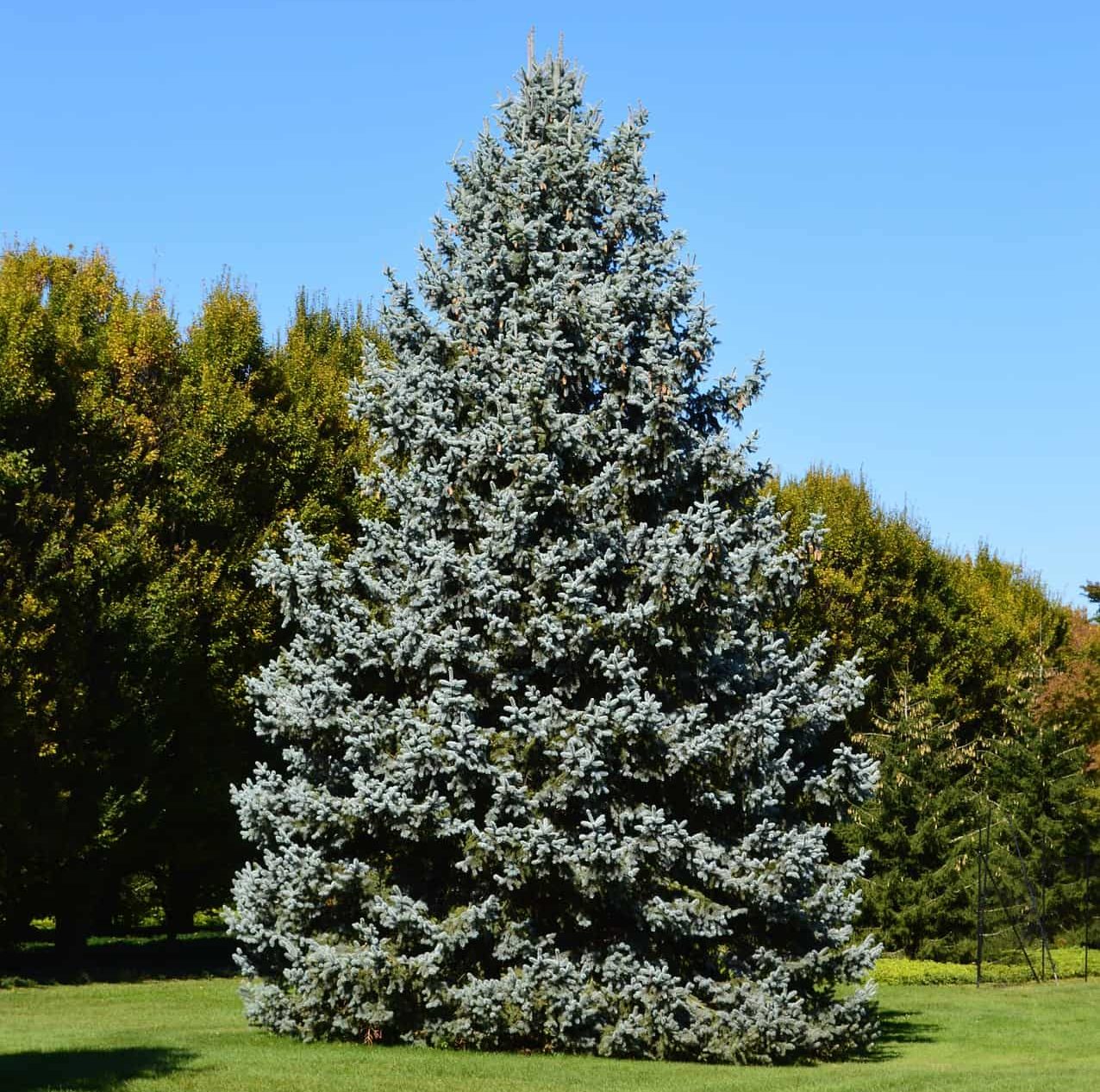
When a Colorado Spruce reaches its full maturity, it stands as an imposing figure in the landscape. Heights of 60 to 80 feet (18 to 24 meters) are common, with trunk diameters of 2 to 3 feet (60 to 90 cm). The sheer scale of these trees makes them undeniable natural landmarks, their crowns often forming a significant part of the skyline in mountainous regions. Their enduring presence allows them to witness generations of human activity and countless cycles of natural phenomena, becoming silent sentinels of the land. It is these fully grown specimens that truly embody the majesty and resilience of the Colorado Spruce, inspiring awe and reverence in all who encounter them.
Preservation and Future Generations
Understanding how fast a Colorado Spruce grows reinforces the importance of long-term conservation efforts. These natural landmarks require decades, even centuries, to reach their full splendor. Protecting existing mature forests, promoting sustainable forestry practices, and managing environmental threats such as climate change and invasive species are crucial for ensuring that future generations can continue to marvel at these magnificent trees. Each young spruce planted today has the potential to become a towering landmark of tomorrow, a living testament to the beauty and enduring power of nature in the Rocky Mountains and beyond. The slow, patient growth of the Colorado Spruce is a poignant reminder that some of the most profound and enduring landmarks are those shaped by the relentless, unhurried pace of the natural world.
LifeOutOfTheBox is a participant in the Amazon Services LLC Associates Program, an affiliate advertising program designed to provide a means for sites to earn advertising fees by advertising and linking to Amazon.com. Amazon, the Amazon logo, AmazonSupply, and the AmazonSupply logo are trademarks of Amazon.com, Inc. or its affiliates. As an Amazon Associate we earn affiliate commissions from qualifying purchases.