
For many, a tax refund represents a significant boost to their personal finances, often earmarked for key lifestyle expenditures, including travel. Understanding the timeline for receiving your Colorado state tax refund is crucial for effective budget planning, whether you’re dreaming of a mountain escape within the state or a more distant adventure. While the primary goal of the Colorado Department of Revenue is to process returns efficiently, several factors influence how quickly your funds arrive. Delays can impact everything from booking flights to securing accommodation, making it essential for savvy individuals to understand the process.
Understanding the Colorado Tax Refund Process for Savvy Travelers
The Colorado Department of Revenue processes millions of tax returns annually. Like most state revenue departments, their primary focus is accuracy and security, which sometimes means that speed takes a secondary role. For those planning their next travel excursion, whether it’s a ski trip to Vail or a hiking adventure in Rocky Mountain National Park, knowing when that refund might hit your bank account can make all the difference in booking early for better deals or having peace of mind about your travel budget.
The Typical Timeline for Colorado Refunds
Generally, if you file your Colorado income tax return electronically and opt for direct deposit, you can expect your refund to arrive within 3 to 7 business days after the state processes it. However, “processing” can take time. For electronically filed returns, this often means 5 to 10 business days from the date of submission. Therefore, a realistic expectation for e-filed returns with direct deposit is often 1 to 3 weeks from the date you submitted your return.
For those who still prefer to file a paper return, the timeline extends considerably. Paper returns require manual processing, which is inherently slower. You should anticipate a wait of 6 to 8 weeks, and in some cases, even longer, especially during peak filing season. If you are relying on a refund for travel, filing electronically and choosing direct deposit is unequivocally the fastest and most secure method.
Factors Influencing Refund Speed
Several elements can either accelerate or decelerate the arrival of your Colorado tax refund. Understanding these can help you manage expectations and plan your budget more effectively.
- Method of Filing: As mentioned, e-filing is significantly faster than mailing a paper return. The digital submission streamlines the initial intake and verification stages, reducing human error and manual processing time.
- Method of Refund: Direct deposit ensures that once the refund is approved, funds are transferred electronically to your bank account, bypassing the delays associated with printing and mailing physical checks. Mailed checks introduce postal transit times and potential for loss or theft, further extending the wait.
- Accuracy of Information: Errors on your return are a primary cause of delays. Incorrect Social Security numbers, bank account details, addresses, or miscalculations can trigger a manual review, which can add weeks or even months to the processing time. Even minor discrepancies can cause a hold-up.
- Identity Verification and Fraud Prevention: Colorado, like other states, employs robust measures to prevent tax fraud and identity theft. If your return is flagged for additional review—perhaps due to unusual deductions, large refunds, or discrepancies with prior year filings—it will take longer to process. You might receive a letter requesting additional documentation to verify your identity or claims, which is a necessary but time-consuming step.
- Time of Year Filed: Filing early in the tax season (e.g., January or February) often results in quicker processing times, as the volume of returns is lower. As the April deadline approaches, the Department of Revenue experiences a surge in submissions, which can lead to longer wait times across the board.
- Complexity of Return: Simple returns with W-2 income and standard deductions are typically processed faster than complex returns involving multiple income sources, itemized deductions, or business income.
How Refund Timelines Impact Your Travel Budget and Planning
For the lifestyle-conscious individual, integrating a tax refund into travel plans requires foresight. A delay can mean missed opportunities for early-bird discounts on flights to Denver or lodging in Aspen, or even necessitate rescheduling a planned trip.
Maximizing Early Booking Savings
Many travel components—flights, accommodations, rental cars—offer better rates when booked in advance. If you’re counting on your Colorado refund to fund a significant portion of your trip, understanding its arrival window allows you to:
- Secure Cheaper Flights: Airfare tends to increase closer to the departure date. Knowing your refund is coming enables you to book non-refundable fares earlier, often saving hundreds of dollars.
- Lock in Preferred Accommodation: Popular hotels, resorts, or vacation rentals, especially in high-demand areas like Breckenridge or Colorado Springs, get booked quickly. An early refund means you can reserve your ideal stay before it’s gone or prices rise.
- Take Advantage of Tour Discounts: Many tour operators offer early booking incentives. If your trip involves specific excursions, a timely refund lets you capitalize on these savings.
Managing Financial Flexibility
Travel often involves unforeseen expenses. A predictable refund allows for a more robust travel fund, providing a buffer for emergencies or unexpected delights. Conversely, an unpredictable delay can lead to:
- Increased Stress: Worrying about funds can detract from the excitement of planning.
- Budget Compromises: You might be forced to cut back on experiences, choose cheaper (and potentially less comfortable) options, or delay your trip altogether.
- Credit Card Debt: If you book travel plans assuming a refund will arrive on time and it doesn’t, you might have to put expenses on credit, potentially incurring interest charges.
Expediting Your Refund: Tips for a Quicker Getaway
While some factors are out of your control, there are proactive steps you can take to minimize delays and get your Colorado refund into your travel budget sooner.
File Electronically and Choose Direct Deposit
This is the single most impactful action you can take. Software like TurboTax, H&R Block, or even the free e-file options provided by the Colorado Department of Revenue, streamline the process. Always double-check your bank account and routing numbers when entering them for direct deposit.
File Early in the Tax Season
Submitting your return in January or February means your return is processed before the peak volume of March and April. This can shave weeks off your waiting time.
Ensure Accuracy and Completeness
- Review All Information: Before submitting, meticulously review every field, especially Social Security numbers, names, addresses, and financial figures.
- Match W-2s and 1099s: Ensure all income reported on your return matches the W-2s and 1099s you received. The state automatically cross-references these.
- Check Calculations: While tax software handles most calculations, a quick manual review of key figures can catch errors.
Use the “Where’s My Refund” Tool
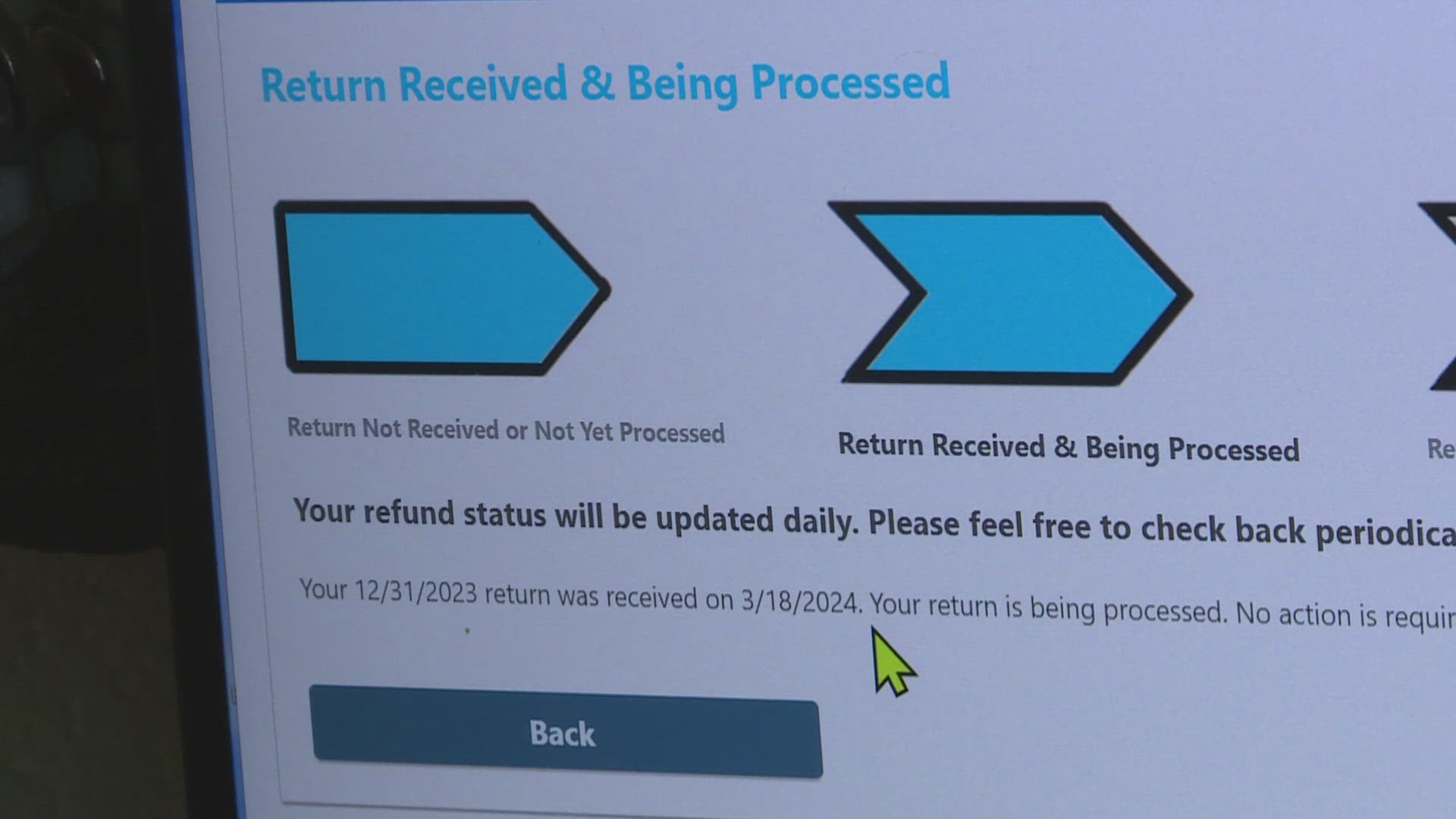
The Colorado Department of Revenue offers an online “Where’s My Refund” tool. This resource allows you to track the status of your refund 24/7. You’ll typically need your Social Security number and the exact refund amount. Checking this regularly can help you monitor progress and identify any potential issues early. It usually updates within 48-72 hours after e-filing.
Respond Promptly to Correspondence
If the Colorado Department of Revenue sends you a letter requesting additional information, respond immediately. Delays in responding will directly translate to delays in receiving your refund. Keep copies of all documentation sent and received.
Maximizing Your Colorado Refund for Future Adventures
Once your refund arrives, integrating it wisely into your lifestyle and travel plans is key. Instead of simply spending it, consider how it can elevate your next adventure or provide a financial cushion.
Creating a Dedicated Travel Fund
Consider allocating a portion of your refund directly into a separate high-yield savings account designated solely for travel. This ensures the money is used for its intended purpose and can grow over time. This approach aligns perfectly with a lifestyle focused on experiencing new places without incurring debt.
Investing in Travel Experiences
Beyond basic travel expenses, your refund can unlock unique experiences. Perhaps a gourmet food tour in Boulder, a hot air balloon ride over the Front Range, or an upgraded hotel suite in Denver that you wouldn’t normally splurge on. These experiences often become the most memorable parts of a trip.
Budgeting for Future Trips
A well-timed refund can be the catalyst for planning not just your next trip, but also future adventures. By understanding the Colorado refund timeline, you can adjust your personal finance calendar to ensure tax refunds consistently support your lifestyle choices, especially those involving travel and exploration.
In conclusion, while “How long does a Colorado tax refund take?” seems like a simple question, its answer profoundly impacts personal lifestyle and travel planning. By leveraging electronic filing, maintaining accuracy, and staying informed, individuals can significantly shorten their wait and effectively integrate their refunds into a fulfilling life of travel and adventure.
LifeOutOfTheBox is a participant in the Amazon Services LLC Associates Program, an affiliate advertising program designed to provide a means for sites to earn advertising fees by advertising and linking to Amazon.com. Amazon, the Amazon logo, AmazonSupply, and the AmazonSupply logo are trademarks of Amazon.com, Inc. or its affiliates. As an Amazon Associate we earn affiliate commissions from qualifying purchases.