
Colorado, a state renowned for its majestic Rocky Mountains, vibrant cities, and unparalleled outdoor adventures, relies heavily on a robust air travel infrastructure to welcome millions of visitors annually. While many immediately think of Denver International Airport (DIA) as the sole gateway, the truth is far more expansive and intricate. The Centennial State is served by a comprehensive network of airports, strategically positioned to provide access to its diverse regions, from bustling urban centers to remote mountain retreats and agricultural plains. Understanding this network is key for any traveler planning an immersive Colorado experience, allowing for more informed decisions about arrival points and onward journeys.
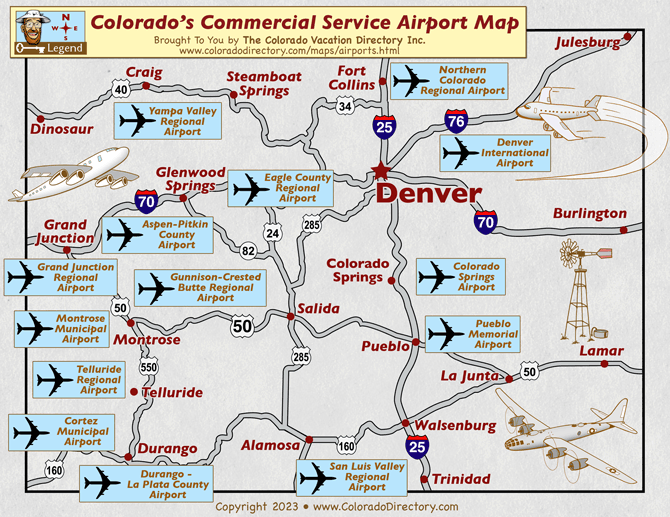
Colorado’s Aviation Landscape: More Than Just Denver International Airport
Colorado’s aviation system is surprisingly vast, comprising over 70 public-use airports. This extensive network is designed to cater to a broad spectrum of aviation needs, ranging from major commercial flights handling millions of passengers to smaller facilities dedicated to general aviation, flight training, and emergency services. This diversity ensures that nearly every corner of the state is accessible by air, supporting local economies and facilitating both leisure and business travel.
Commercial Service Airports: Gateways to the Rockies and Beyond
The backbone of commercial air travel in Colorado is formed by a handful of key airports that offer scheduled passenger services.
-
Denver International Airport (DIA): As the primary international gateway to the Rocky Mountain region, DIA is by far the largest and busiest airport in Colorado. Located northeast of Denver, it serves as a major hub for several airlines, offering direct flights to destinations across the United States and internationally. For travelers heading to Denver itself, or popular northern Colorado destinations like Boulder, Fort Collins, and the northern Rocky Mountain National Park entrance, DIA is the most logical choice. Its extensive facilities, including numerous dining and retail options, ground transportation links, and a hotel on-site, make it a full-service travel hub.
-
Colorado Springs Airport (COS): Located south of Denver, Colorado Springs Airport provides a convenient alternative for those visiting the southern Front Range. It offers commercial service to several major hubs, making it an excellent choice for accessing attractions like Pikes Peak, Garden of the Gods, and the Royal Gorge Bridge & Park. Travelers heading to military installations such as the United States Air Force Academy also find COS particularly convenient.
-
Grand Junction Regional Airport (GJT): Serving Colorado’s Western Slope, Grand Junction Regional Airport is a crucial entry point for visitors exploring destinations like Colorado National Monument, Grand Mesa, and the various vineyards and fruit orchards of the region. It offers commercial flights, connecting passengers to major hubs, and serving as a gateway to the state’s less-traveled western expanses.
-
Mountain and Ski Resort Airports: Several airports are strategically located to serve Colorado’s world-famous ski resorts and mountain communities. These include:
- Aspen/Pitkin County Airport (ASE): Located just outside Aspen, this airport offers direct access to one of the most prestigious ski destinations in the world. Its proximity to the slopes makes it a favored choice for luxury travelers.
- Eagle County Regional Airport (EGE): Serving Vail and Beaver Creek, EGE sees significant commercial traffic, particularly during the winter ski season. It’s an invaluable asset for travelers looking to minimize transfer time to these renowned resorts.
- Montrose Regional Airport (MTJ): Positioned as the gateway to Telluride and the Black Canyon of the Gunnison National Park, MTJ offers seasonal and year-round commercial services, connecting visitors to this stunning southwestern Colorado region.
General Aviation and Reliever Airports: Supporting a Diverse State
Beyond the commercial hubs, Colorado boasts a vast network of general aviation (GA) airports. These facilities are critical for a multitude of purposes that extend far beyond scheduled passenger flights. They support private pilots, corporate jets, flight training schools, air ambulance services, law enforcement, and agricultural operations. Reliever airports, often situated near major commercial hubs, play a crucial role in diverting general aviation traffic, thereby reducing congestion at larger airports and enhancing overall air traffic efficiency.
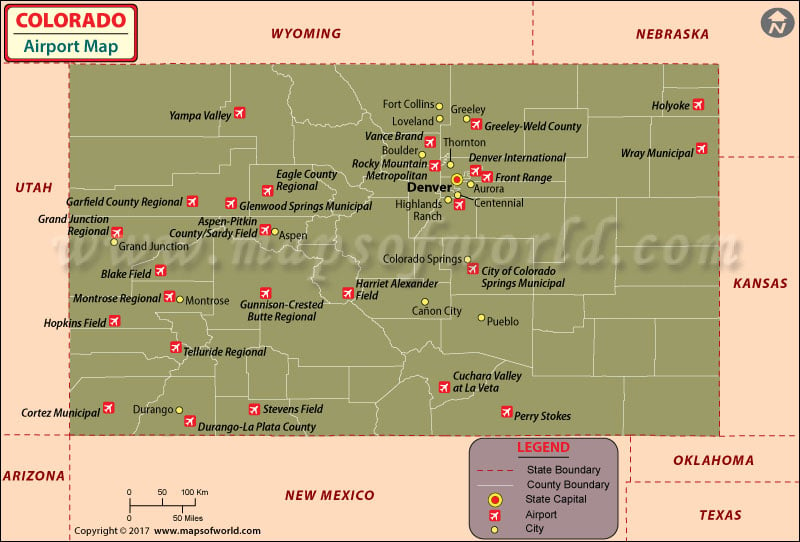
- Centennial Airport (APA): Located in the southern Denver metropolitan area, Centennial Airport is one of the busiest general aviation airports in the nation. It serves as a significant reliever for DIA, handling a high volume of corporate and private aircraft movements.
- Boulder Municipal Airport (BDR): A testament to the widespread availability of GA facilities, Boulder Municipal Airport supports local flight schools, private aircraft owners, and provides quick access to the vibrant city of Boulder and the surrounding natural beauty.
- Numerous other smaller airports are scattered throughout Colorado, from the San Luis Valley to the Eastern Plains, each serving their local communities by providing essential air access for residents, businesses, and emergency services. This extensive network is vital for supporting rural economic development and maintaining connectivity across the state’s diverse geography.
Navigating Colorado’s Airports: A Traveler’s Perspective
For travelers, choosing the right airport is the first critical step in planning a successful Colorado itinerary. Strategic airport selection can significantly impact travel time, convenience, and overall experience.
Choosing Your Arrival Point: Strategic Decisions for Colorado Adventures
The decision of where to land in Colorado should be dictated by your ultimate destination and travel priorities.
- For Denver and Northern Colorado: If your adventure focuses on Denver’s urban attractions, craft breweries, or the majestic northern Rocky Mountains and Rocky Mountain National Park, DIA is the unrivaled choice. Its unparalleled connectivity ensures a smooth journey from most origins.
- For Southern Colorado and Pikes Peak Region: For explorations around Colorado Springs, the United States Air Force Academy, or adventures further south, Colorado Springs Airport offers a more direct and often less congested experience than flying into DIA and driving south.
- For Western Slope and National Monuments: Grand Junction Regional Airport is the optimal entry point for discovering the unique red rock landscapes of the Colorado National Monument, the vastness of Grand Mesa, or exploring the region’s burgeoning wine country.
- For Premier Ski Destinations: For direct access to world-class skiing, flying directly into Aspen/Pitkin County Airport for Aspen or Eagle County Regional Airport for Vail and Beaver Creek can save hours of driving, particularly in winter conditions. Similarly, Montrose Regional Airport is the most efficient gateway to Telluride. While these regional airports may sometimes involve higher flight costs, the time saved and convenience gained often justify the expense for a premium travel experience.
Connecting Beyond the Terminal: Ground Transportation and Logistics
Once you’ve arrived, seamless ground transportation is crucial. From DIA, travelers have multiple options, including the A Line commuter rail service directly to Denver Union Station downtown, a wide array of shuttle services, ride-sharing, and rental cars. For most other commercial airports in Colorado, rental cars are the predominant mode of onward travel, offering the flexibility needed to explore mountain towns, national parks, and remote trailheads. Shuttle services are also readily available from regional airports to specific ski resorts and lodging properties, simplifying logistics for those without their own vehicles. Planning these connections in advance, especially during peak seasons, is highly recommended to ensure a smooth transition from air to ground travel.
The Economic and Tourism Impact of Colorado’s Aviation Network
Colorado’s extensive airport system is far more than just points on a map; it is a critical engine for the state’s economy and tourism industry. The ability to seamlessly connect visitors from across the globe to the heart of the Rocky Mountains and other attractions directly fuels the hospitality sector, supporting countless jobs in hotels, restaurants, retail, and outdoor recreation. This network facilitates business travel, conventions, and trade, reinforcing Colorado’s position as a dynamic economic hub in the Western United States. Furthermore, the general aviation airports serve vital roles in community services, including emergency medical flights, search and rescue operations, and aerial firefighting, underscoring their indispensable contribution to the well-being and safety of Colorado’s residents and visitors.

Future of Air Travel in Colorado: Growth and Sustainability
As Colorado continues to grow as both a residential and travel destination, its aviation infrastructure is continuously evolving. Denver International Airport, for example, is undergoing significant expansion and modernization efforts to accommodate increasing passenger volumes and enhance the traveler experience. Across the state, smaller airports are also investing in upgrades to improve efficiency and capacity. There’s a growing emphasis on sustainable aviation practices, with efforts to reduce environmental impact through greener technologies and operational efficiencies. The future of air travel in Colorado looks set for continued growth, ensuring that the state remains easily accessible for adventurers, business travelers, and families seeking to explore its unique blend of urban sophistication and natural splendor. The numerous airports, both large and small, are poised to continue playing their pivotal role in unlocking the vast beauty and opportunities that Colorado has to offer.
LifeOutOfTheBox is a participant in the Amazon Services LLC Associates Program, an affiliate advertising program designed to provide a means for sites to earn advertising fees by advertising and linking to Amazon.com. Amazon, the Amazon logo, AmazonSupply, and the AmazonSupply logo are trademarks of Amazon.com, Inc. or its affiliates. As an Amazon Associate we earn affiliate commissions from qualifying purchases.