
The Majestic Presence of Elk in Colorado’s Natural Landscape
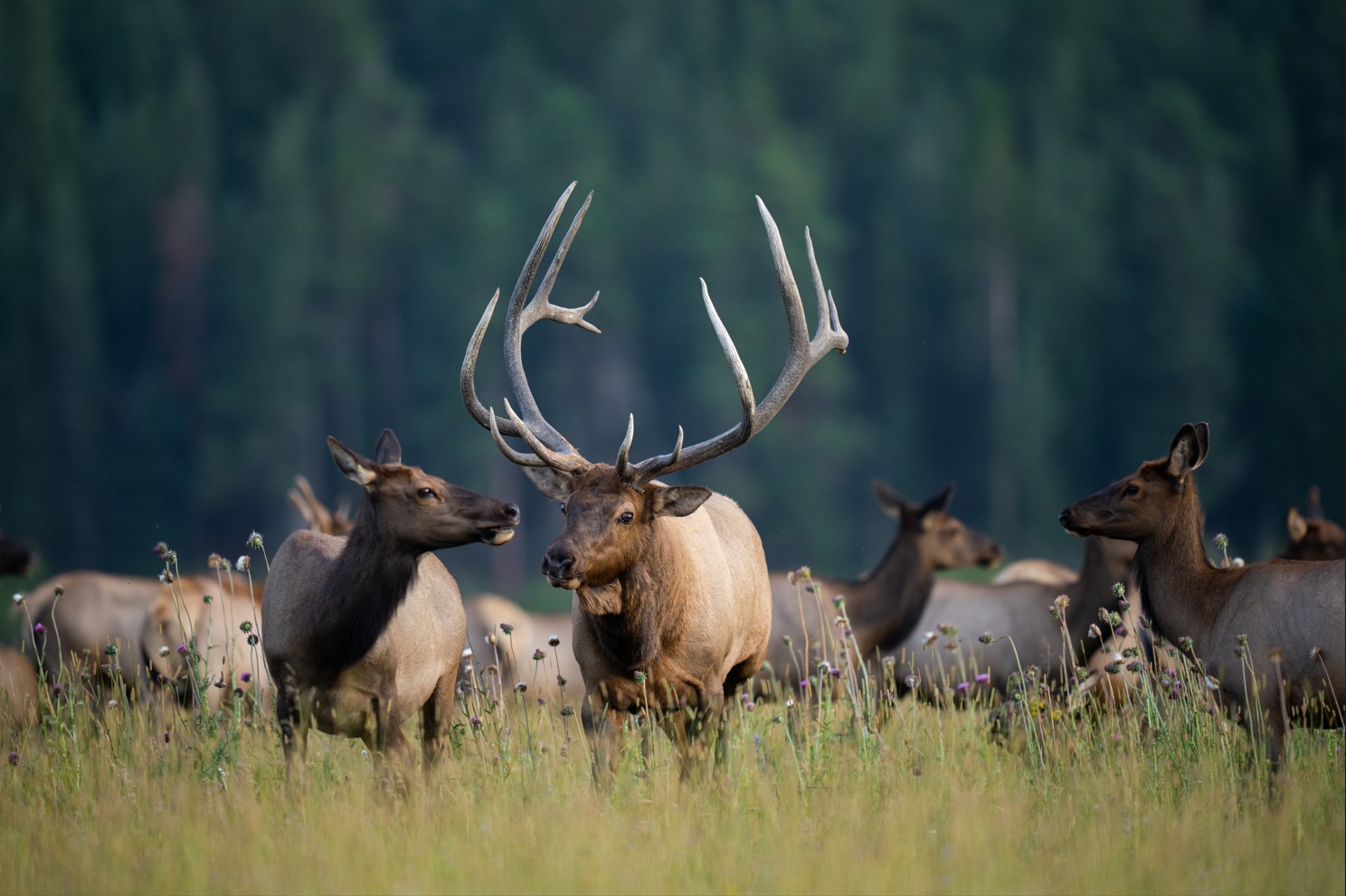
Colorado stands as a beacon for wildlife enthusiasts and nature lovers, its rugged mountains, expansive forests, and verdant meadows providing an ideal sanctuary for some of North America’s most iconic species. Among these, the majestic elk (Cervus canadensis) holds a particularly prominent place, not just in the ecological fabric of the state but also in its identity as a premier natural landmark. The sheer abundance of elk makes Colorado a world-renowned destination for observing these magnificent creatures in their natural habitat. Their presence is a testament to successful conservation efforts and the enduring wildness of the state’s landscape, drawing visitors from across the globe keen to witness these animals as an integral part of Colorado’s natural heritage.

For many, the sight of a large bull elk bugling against a backdrop of golden aspens or a herd of cows grazing peacefully in an alpine meadow is the quintessential Colorado experience. These animals are more than just wildlife; they are living landmarks, indicators of ecosystem health, and a vibrant symbol of the American West. Their historical comeback from near extirpation in the early 20th century to thriving populations today is a remarkable conservation story, underscoring the importance of managing natural resources to preserve such irreplaceable assets. The focus on understanding their numbers and distribution is not merely an academic exercise but a critical component of ensuring their continued prosperity as a defining feature of Colorado’s natural allure.
Unraveling the Numbers: Colorado’s Elk Population Dynamics
Ascertaining the precise number of elk in Colorado is a complex and ongoing endeavor, yet estimates provide a crucial insight into the health and distribution of these herds. The state is celebrated for hosting the largest elk population of any state or province globally, a distinction that firmly establishes its significance as a natural landmark for wildlife.
Current Population Estimates
While exact figures fluctuate annually due to various environmental and management factors, Colorado typically boasts an elk population estimated to be well over 250,000 individuals, often nearing or exceeding 300,000. These figures are meticulously compiled and managed by Colorado Parks and Wildlife (CPW), the state agency responsible for wildlife conservation and management. Their extensive monitoring programs aim to keep populations within established objective ranges, balancing ecological carrying capacity with the desires of various stakeholders, including hunters, wildlife viewers, and landowners. These robust numbers signify a thriving ecosystem capable of supporting such a large megafauna population, reinforcing Colorado’s status as an unparalleled natural habitat.
Factors Influencing Population Size
Several interconnected factors play a pivotal role in shaping the size and stability of Colorado’s elk herds:
- Habitat Quality and Availability: The vast expanse of national forests, wilderness areas, and state lands provides diverse habitats, from high-alpine meadows in summer to lower-elevation winter ranges. The health and connectivity of these habitats are paramount.
- Predation: Natural predators such as mountain lions, black bears, and a re-emerging wolf population in certain areas contribute to herd dynamics, particularly by targeting calves and weaker individuals, thus promoting a healthier overall population.
- Hunting Management: Regulated hunting, overseen by Colorado Parks and Wildlife, is a primary tool for managing elk populations. Harvest quotas are set based on population objectives, aiming to control herd size and structure, mitigate disease spread, and reduce human-wildlife conflicts.
- Disease: Chronic Wasting Disease (CWD) remains a significant concern. Colorado Parks and Wildlife actively monitors and researches CWD to understand its impact and develop management strategies to minimize its spread within elk populations.
- Weather Patterns: Severe winters can lead to increased mortality, especially among calves and older animals, by reducing access to forage and increasing energy demands. Conversely, mild winters and abundant moisture can support higher survival rates and calf production.
Data Collection and Monitoring
Colorado Parks and Wildlife’s dedication to scientific management is evident in its comprehensive data collection methods. These include:
- Aerial Surveys: Helicopters and fixed-wing aircraft are used to count elk in specific management units, particularly in wintering grounds where animals are more concentrated and visible.
- Ground Counts: Biologists and volunteers conduct ground surveys, especially in areas difficult to survey from the air.
- Harvest Data: Information collected from hunters, including sex, age, and location of harvested elk, provides valuable data on herd composition and productivity.
- Radio-telemetry and GPS Collaring: A small percentage of elk are fitted with tracking devices, providing insights into migration patterns, habitat use, survival rates, and causes of mortality.
This rigorous approach ensures that population estimates are as accurate as possible, guiding sustainable management practices for these crucial natural landmarks.
Iconic Elk Viewing Destinations and Their Significance
Witnessing elk in their natural splendor is a highlight for many visitors to Colorado. The state offers numerous locations where these magnificent animals can be observed, each contributing to Colorado’s reputation as a prime wildlife viewing landmark.
Rocky Mountain National Park
Rocky Mountain National Park is arguably the most famous elk viewing destination in Colorado. Encompassing diverse ecosystems from montane forests to alpine tundra, the park provides ideal habitat. During the autumn rut (mating season), the valley floors, particularly around Estes Park and Moraine Park, come alive with the sounds of bugling bulls competing for mates. This spectacle is a natural phenomenon that draws thousands of visitors annually, making the park a living, breathing landmark defined by its wildlife. Even outside the rut, herds can be seen grazing in open meadows, especially at dawn and dusk. The park’s commitment to preserving its natural environment ensures that elk thrive here, offering unparalleled viewing opportunities.
Routt National Forest and White River National Forest
West-central Colorado is home to some of the largest elk herds in the state, largely due to the vast expanses of the Routt National Forest and White River National Forest. These immense forests, covering millions of acres, provide extensive summer ranges and crucial wintering grounds. The area around Steamboat Springs, nestled within this region, is particularly renowned for its abundant elk. These national forests are not just timberlands; they are critical natural landmarks that sustain entire ecosystems, with elk being a cornerstone species. Their sheer size allows for extensive habitat and less human disturbance, contributing to large, healthy herds.

Glenwood Springs and the Flat Tops Wilderness
The Glenwood Springs area, acting as a gateway to the immense Flat Tops Wilderness area, is another significant region for elk. The Flat Tops Wilderness is one of the largest wilderness areas in Colorado, characterized by its expansive plateaus and rich vegetation, making it prime elk country. During the winter, elk often migrate to lower elevations near Glenwood Springs, making them more visible. This wilderness area, an untouched natural landmark, is essential for sustaining the large migratory herds that define the region’s wildlife.
Other Key Areas
Beyond these prominent locations, significant elk populations can also be found in areas such as Gunnison and the surrounding San Juan Mountains, known for their rugged beauty and expansive public lands. The Grand Mesa, the largest flat-topped mountain in the world, also supports substantial herds, especially during summer. These diverse landscapes collectively make Colorado an unrivaled natural landmark for elk viewing, offering varying terrains and seasonal experiences.
The Ecological and Cultural Importance of Colorado’s Elk
The presence of a quarter-million to nearly 300,000 elk in Colorado is far more than a mere statistic; it represents a profound ecological and cultural cornerstone for the state, solidifying their status as dynamic natural landmarks.
Ecological Impact
As large herbivores, elk play a crucial role in shaping Colorado’s ecosystems. Their grazing and browsing habits influence plant diversity and forest regeneration, acting as natural landscapers. They create pathways through dense vegetation and disperse seeds, contributing to the health and biodiversity of the habitats they occupy. Furthermore, elk are a vital prey species for predators like mountain lions and bears, helping to maintain the natural balance of the food web. Their presence indicates healthy, functioning ecosystems with sufficient resources and space, confirming the integrity of Colorado’s natural landmarks. Colorado Parks and Wildlife constantly assesses the carrying capacity of various habitats to ensure that elk populations are in balance with their environment, preventing overgrazing and promoting long-term ecological sustainability.
Cultural Significance
Beyond their ecological contributions, elk hold immense cultural significance in Colorado. They are a central figure in the state’s hunting heritage, with regulated hunting seasons providing both a recreational pursuit and a critical management tool for Colorado Parks and Wildlife. For countless residents and visitors, the pursuit of elk, whether through hunting or photography, connects them deeply with the wilderness and embodies the spirit of the American West. Elk are also a significant draw for the state’s tourism industry, particularly wildlife viewing, which generates substantial economic activity. The image of a majestic elk has become synonymous with Colorado’s wild, untamed beauty, making them not just animals, but beloved natural symbols that resonate with people on a profound level.
Conservation Efforts
The thriving elk populations in Colorado are a direct result of ongoing, science-based conservation efforts. Colorado Parks and Wildlife utilizes a multi-faceted approach, including habitat protection and restoration, disease monitoring, predator management, and careful regulation of hunting. These efforts are often supported by partnerships with federal agencies, land trusts, and local communities, all working towards the common goal of ensuring that these magnificent creatures continue to flourish. This commitment to conservation safeguards elk not just for their intrinsic value but as integral, living natural landmarks that define the spirit of Colorado.
Responsible Elk Viewing: Preserving a Natural Wonder
To ensure that the experience of observing Colorado’s iconic elk remains sustainable and respectful, adherence to responsible wildlife viewing practices is paramount. These practices protect both the animals and the integrity of the natural landmarks they inhabit.
Best Practices for Observation
When viewing elk, it is crucial to maintain a respectful distance. Elk are wild animals, and approaching them too closely can cause stress, alter their natural behavior, and potentially lead to dangerous encounters, especially during the rut or calving season. Use binoculars or a telephoto lens for close-up views. Remain quiet and avoid sudden movements to prevent startling the animals. Never attempt to feed elk or any other wildlife. Feeding can habituate animals to humans, leading to dependency, aggression, and increased risk of disease transmission. Always stay on designated trails and respect private property boundaries to minimize disturbance to their habitats.
Seasonal Considerations
Elk behavior and location vary significantly by season. The fall (September-October) is renowned for the rut, when bull elk are highly active and vocal, bugling to attract cows and challenging rivals. This is an incredible time for observation but also requires extra caution. Spring (May-June) marks the calving season, when cow elk give birth to their calves. These mothers are highly protective, and it’s essential to give them ample space. In winter, elk often move to lower elevations for easier access to food, congregating in larger herds, making them more visible. Summer sees them dispersed in higher alpine meadows, providing opportunities for scenic backcountry encounters. Understanding these seasonal shifts enhances viewing success while minimizing impact.
Safety
While observing elk is a privilege, it also requires an awareness of personal safety. Bull elk can be aggressive, especially during the rut. Cows with calves are also highly protective. Always be aware of your surroundings, scan for animals before moving through dense brush, and never get between a cow and her calf or two sparring bulls. If an elk appears agitated (ears back, head down, pawing the ground), slowly back away. Your respect for these wild creatures and their habitat helps to preserve Colorado’s elk as enduring and vital natural landmarks for generations to come.
LifeOutOfTheBox is a participant in the Amazon Services LLC Associates Program, an affiliate advertising program designed to provide a means for sites to earn advertising fees by advertising and linking to Amazon.com. Amazon, the Amazon logo, AmazonSupply, and the AmazonSupply logo are trademarks of Amazon.com, Inc. or its affiliates. As an Amazon Associate we earn affiliate commissions from qualifying purchases.