
The Mile High City: A Defining Geographical Feature
Denver, the capital of Colorado, is renowned globally for its distinctive elevation. Affectionately known as the “Mile High City,” this moniker isn’t merely a catchy slogan; it represents a precise geographical reality that profoundly shapes the city’s identity, history, and natural surroundings. Understanding Denver’s elevation is key to appreciating its unique position as a major urban landmark situated at the foot of the majestic Rocky Mountains.
Pinpointing Denver’s Exact Elevation
The exact elevation of Denver is generally accepted to be 5,280 feet (1,609 meters) above sea level. This measurement is not a single, absolute point, but rather an average taken from the official elevation marker on the 13th step of the Colorado State Capitol building. Due to the city’s undulating topography, various points within Denver proper can range from roughly 5,130 feet to 5,690 feet. However, the “mile-high” designation is consistently used and celebrated, anchoring the city’s self-perception and external image. This precise elevation places Denver among the highest major cities in the United States, a characteristic that has influenced everything from its climate to its architectural endeavors. The high altitude contributes to more intense solar radiation, lower atmospheric pressure, and a unique dry climate, all factors that contribute to the distinctive environment visitors and residents experience.
Why Elevation Matters for a City Landmark
For a landmark city like Denver, its elevation is far more than a statistic; it’s a foundational element of its character. The “Mile High” status impacts how the city is perceived and utilized, both by those who live there and those who visit. It dictates aspects of urban planning, infrastructure, and even the type of flora and fauna that thrive within its boundaries. From an architectural perspective, builders must consider factors like air pressure and the potential for greater temperature fluctuations. For residents, it shapes daily life, influencing physical activities and even cooking practices. This unique geographical attribute is celebrated and integrated into the city’s branding, making the elevation itself an intangible yet omnipresent landmark. Iconic structures such as Coors Field, home to the Colorado Rockies baseball team, have even had their design subtly influenced by the altitude, where the thinner air allows baseballs to travel farther, necessitating a larger outfield.
Geological Context: The Rockies and the High Plains
Denver’s elevation is a direct consequence of its strategic placement at the interface of two distinct geological provinces: the Rocky Mountains to the west and the Great Plains to the east. This unique geographical convergence defines much of the state’s geology and, by extension, the city’s landmark status. The city itself sits on what is known as the South Platte River Valley, where the plains begin their gradual ascent towards the mountainous terrain.
Formation of the Colorado Landscape
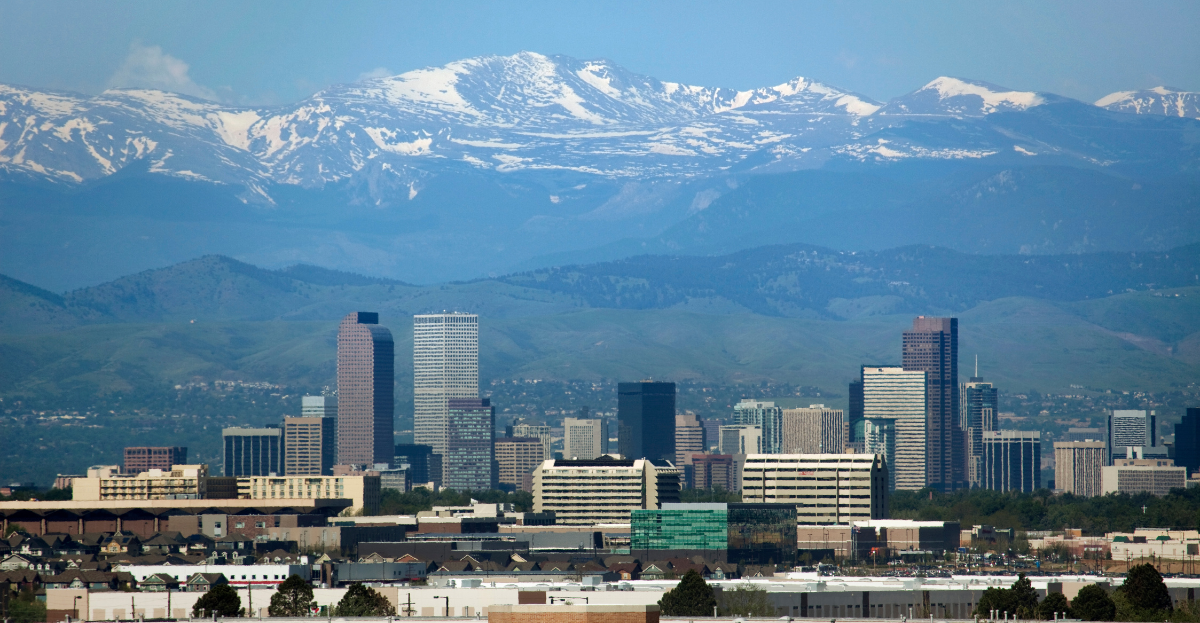
The dramatic landscape surrounding Denver is the result of millions of years of geological activity. The Rocky Mountains were primarily formed during the Laramide Orogeny, a period of intense mountain building that occurred between 80 and 35 million years ago. This process involved the subduction of oceanic plates beneath the North American plate, leading to the uplift and folding of the Earth’s crust. As the mountains rose, massive amounts of sediment were eroded from their flanks and deposited eastward, forming the vast, high-altitude plains that gently slope up to meet the mountain range. Denver is situated precisely on this transitional zone, known as the Front Range, where the plains give way to the dramatic foothills. This geological history explains why the city experiences such clear, panoramic views of towering peaks like Mount Evans and Longs Peak while being nestled on relatively flat terrain itself.
The Continental Divide and Denver’s Position
Just west of Denver lies the Continental Divide, a hydrological boundary in the Americas that separates river systems flowing to the Atlantic Ocean from those flowing to the Pacific Ocean. While Denver is not directly on the divide, its proximity to this major geographical feature underscores its high-altitude placement. Rivers originating high in the Rocky Mountains flow eastward through Denver, eventually emptying into the Missouri River and then the Mississippi River system, which ultimately reaches the Gulf of Mexico and the Atlantic. This eastward flow means Denver is on the Atlantic side of the hydrological divide, but its immediate western horizon is defined by the towering peaks that form this crucial watershed. The city’s relatively flat landscape, contrasted with the immediate vertical rise of the mountains, makes it a prime example of a landmark shaped by powerful geological forces.
Historical Significance and the City’s Development
Denver’s high elevation played a pivotal role in its founding and subsequent development, cementing its status as a historical landmark of westward expansion. The promise of mineral wealth in the mountains drew settlers, and Denver emerged as a crucial supply hub, strategically positioned where accessible plains met the rugged terrain.
Early Settlers and the Colorado Gold Rush
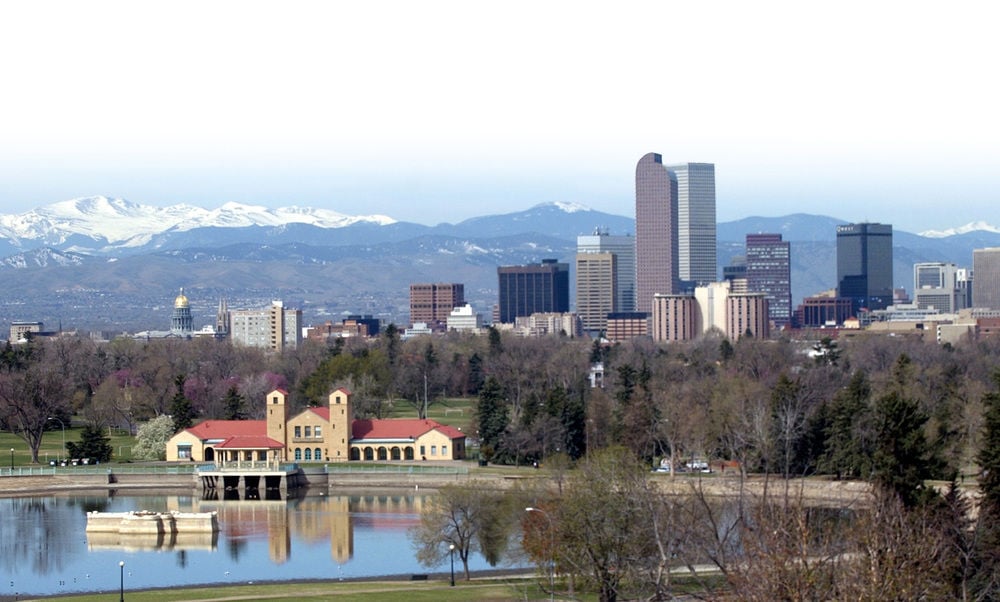
The city’s origins can be traced back to the Colorado Gold Rush of 1858. Prospectors arriving in the area sought their fortunes in the nearby mountains, but the settlement at the confluence of Cherry Creek and the South Platte River quickly became a vital service center. Its elevation, while not directly providing gold, ensured a milder climate compared to the harsh mountain winters and a more accessible terrain than the immediate peaks, making it an ideal staging ground for mining operations. The “Mile High” location made it a natural crossroads for trails leading into the Rocky Mountains and those extending across the Great Plains, facilitating trade, communication, and the growth of a permanent community. Early landmarks like Union Station emerged as vital transportation hubs, connecting the high plains to the rest of the nation.
Engineering Challenges and Architectural Adaptations
Building a major city at a mile above sea level presented, and continues to present, unique engineering and architectural challenges. The dry climate and intense solar radiation influenced early building materials and urban design, leading to wider streets and brick construction that could withstand the elements. Water management was also critical; sourcing and distributing water from mountain snowmelt through complex canal systems became an early engineering marvel that sustained the growing population. Modern construction in Denver must account for reduced air pressure, which affects everything from structural integrity to the performance of machinery and HVAC systems. The renowned Denver International Airport, for example, required specific design considerations for its runways and fuel storage due to the altitude. These adaptations underscore how Denver’s elevation isn’t just a natural feature but an active participant in its historical and ongoing architectural narrative, marking it as a triumph of human ingenuity in a challenging environment.
Cultural Identity and Modern Recognition
Denver’s status as the “Mile High City” is deeply ingrained in its cultural identity and widely recognized across the United States and beyond. This elevation isn’t just a fact; it’s a cornerstone of the city’s brand, influencing its recreational pursuits, scientific endeavors, and even the performance of its professional sports teams.
The “Mile High” Brand and Iconic Landmarks
The city wholeheartedly embraces its mile-high identity, incorporating it into local businesses, sports team names, and even official city slogans. The Colorado Rockies baseball team plays at Coors Field, which famously has a row of purple seats marking exactly one mile above sea level. This visible marker serves as a constant reminder of the city’s unique position. Similarly, the Denver Broncos football team once played at Mile High Stadium, and the current stadium continues the legacy with its high-altitude advantage. Landmarks like Red Rocks Amphitheatre, while slightly higher than the city center, embody the fusion of natural geological beauty and human artistic endeavor, all set against the dramatic backdrop of the Front Range’s ascending terrain. This consistent integration of the “Mile High” concept solidifies Denver’s landmark identity.
Sports, Science, and the High-Altitude Advantage
The high elevation provides a distinct home-field advantage for Denver’s professional sports teams, including the Denver Broncos, Colorado Rockies, Colorado Avalanche, and Colorado Rapids. Visiting teams often struggle with the thinner air, which can lead to fatigue and reduced performance. This physiological impact is not just anecdotal; it is a scientifically recognized phenomenon. Beyond sports, Denver’s elevation has made it a hub for high-altitude research and related scientific fields. The clear skies and thin atmosphere are advantageous for astronomical observations, contributing to the region’s scientific contributions. Furthermore, the United States Olympic & Paralympic Committee operates training centers in Colorado that capitalize on the high altitude for athlete conditioning, underscoring the city’s scientific and athletic significance due to its unique geographical setting.
Experiencing Denver’s Altitude
While Denver’s elevation is a factual measurement, its impact is experienced viscerally by anyone who spends time in the city. This tangible interaction with its “Mile High” status forms another layer of its identity as a landmark. The environment itself becomes part of the experience, demanding a certain level of awareness and adaptation from those who inhabit or visit it.
Acclimatization for Visitors
Newcomers to Denver, particularly those arriving from sea-level locations, often need a period of acclimatization. The lower oxygen levels at 5,280 feet can cause symptoms such as headaches, shortness of breath, or fatigue. While these effects are generally mild, they are a direct consequence of the city’s elevation and contribute to the unique experience of being in Denver. Hydration is key, as the dry air and increased respiration at altitude can lead to dehydration. This physiological adjustment becomes part of the landmark experience, distinguishing Denver from cities at lower elevations. It’s a reminder that geography profoundly shapes not just the physical landscape but also the human interaction with it, adding to the richness of its identity.
Unique Flora and Fauna of High-Altitude Urban Settings
The high elevation and semi-arid climate of Denver create a unique ecological niche, supporting specific types of flora and fauna adapted to these conditions. While a bustling urban center, Denver is surrounded by prairie ecosystems that transition quickly into montane forests. The local vegetation, often drought-tolerant, is a testament to the environmental conditions shaped by altitude. City parks and natural areas within and around Denver showcase this biodiversity, from Ponderosa pines in the foothills to various species of grasses and wildflowers on the plains. Institutions like the Denver Botanic Gardens and the Denver Museum of Nature & Science actively research and preserve this unique high-altitude biodiversity, highlighting the landmark city’s natural heritage. This natural environment, directly influenced by its elevation, contributes significantly to Denver’s distinct sense of place and its status as an urban landmark at the confluence of diverse ecological zones.
LifeOutOfTheBox is a participant in the Amazon Services LLC Associates Program, an affiliate advertising program designed to provide a means for sites to earn advertising fees by advertising and linking to Amazon.com. Amazon, the Amazon logo, AmazonSupply, and the AmazonSupply logo are trademarks of Amazon.com, Inc. or its affiliates. As an Amazon Associate we earn affiliate commissions from qualifying purchases.