
Estimating Colorado‘s Elusive Population
The question of how many mountain lions roam the rugged landscapes of Colorado is one that fascinates both residents and visitors alike. As an integral part of the state’s natural heritage, these magnificent apex predators play a critical role in the ecosystem, yet their elusive nature makes precise population counts exceptionally challenging. Understanding their numbers is key to appreciating Colorado as a significant natural landmark, rich in biodiversity.
The Challenges of Counting
Mountain lions, also known as pumas, cougars, or panthers, are masters of stealth and camouflage. They are solitary creatures, highly territorial, and primarily nocturnal or crepuscular, meaning they are most active at dawn and dusk. Their vast territories, spanning hundreds of square miles for a single male, coupled with their preference for dense cover and remote, mountainous terrain, make direct observation incredibly difficult. This inherent elusiveness means that scientists and wildlife managers must rely on indirect methods to estimate their numbers.
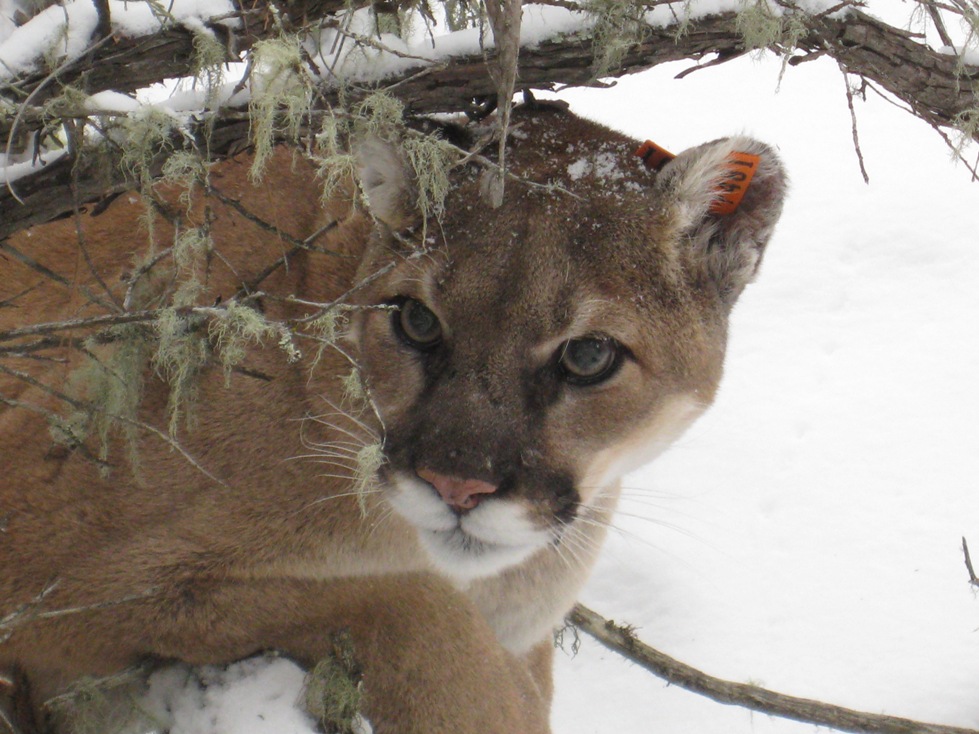
Wildlife agencies, primarily Colorado Parks and Wildlife (CPW), employ a range of sophisticated techniques. These include extensive use of remote camera traps, which passively photograph animals in specific areas; scat analysis, which provides genetic information about individual animals; and radio-telemetry, involving capturing and collaring lions to track their movements and survival rates. Statistical modeling, which incorporates data on prey availability, habitat suitability, and observed sightings, is then used to extrapolate population estimates across broader regions. Each method has its limitations, and combining them provides the most robust, though still approximate, figures. The dynamic nature of wildlife populations, influenced by birth rates, mortality (from natural causes, hunting, and human-wildlife conflicts), and environmental factors, further complicates the task, meaning estimates are constantly refined.
Current Population Estimates
Based on years of research and data collection, Colorado Parks and Wildlife estimates the mountain lion population in Colorado to be between 3,000 and 7,000 individuals. It’s crucial to understand that this is a broad range, reflecting the inherent difficulties in counting and the variable nature of populations across different regions of the state. The specific number can fluctuate based on localized conditions such as the health of prey populations (primarily deer and elk), the severity of winters, and the extent of human development encroaching on their habitat.
These estimates indicate a healthy, stable population, suggesting that Colorado’s natural environment continues to support a thriving cougar presence. The vast swaths of national forests, wilderness areas, and undeveloped lands provide critical habitat. However, as human populations grow and expand into traditional mountain lion territories, the interface between humans and wildlife becomes increasingly complex, presenting ongoing management challenges for agencies like CPW to maintain this delicate balance.
The Mountain Lion’s Role in Colorado’s Ecosystem
Beyond their numerical presence, mountain lions are fundamental to the ecological integrity of Colorado’s natural landmarks. As the apex predator in most of their range, their influence cascades through the food web, shaping the health and behavior of other species and the landscape itself. Understanding this role enriches the appreciation for Colorado’s wild spaces and the complex tapestry of its natural environment.
Apex Predator Status
Mountain lions sit at the top of the food chain in Colorado, playing a vital role in maintaining the balance of their ecosystems. Their primary prey includes deer, especially mule deer and white-tailed deer, as well as elk. By preying on these herbivores, mountain lions help regulate their populations, preventing overgrazing that can degrade vegetation and habitat for other species. This natural control mechanism is essential for the overall health of forests and rangelands.
Furthermore, mountain lions often target the weaker, older, or sick individuals within prey herds. This natural selection process contributes to the overall fitness and resilience of the prey populations, ensuring that only the strongest genes are passed on. Without predators like the mountain lion, herbivore populations can grow unchecked, leading to widespread habitat destruction, increased disease transmission within herds, and a ripple effect of negative impacts on other species that rely on the same resources. Their presence is a strong indicator of a robust and diverse ecosystem, signifying that the natural landmark is functioning as it should.
Habitat and Range
Mountain lions are incredibly adaptable, and their habitat in Colorado is as diverse as the state’s geography. They are found throughout the western two-thirds of the state, wherever there is suitable prey and cover. This includes high-elevation coniferous forests, pinyon-juniper woodlands, chaparral, and even semi-arid shrublands. The common thread is the presence of dense vegetation or rocky outcrops that provide concealment for stalking prey and safe denning sites for raising young.

While they typically prefer remote, rugged terrain away from human disturbance, it’s not uncommon to find mountain lions in areas closer to human development, especially in the foothills and mountain communities where deer populations thrive. This proximity to humans is often driven by the availability of prey, which can be drawn to residential areas by landscaping or supplemental feeding. Their vast home ranges mean that a single mountain lion can traverse significant distances, making their presence felt across a wide variety of Colorado’s natural landmarks, from the Rocky Mountains to the canyonlands of the Western Slope. The interconnectedness of these natural spaces is crucial for maintaining viable mountain lion populations and genetic diversity.
Coexistence and Conservation in the Centennial State
The presence of mountain lions is a testament to Colorado’s rich natural heritage. However, as human populations continue to grow and expand into traditionally wild areas, the potential for encounters increases, making education, coexistence strategies, and conservation efforts paramount. For anyone visiting or residing in Colorado’s natural landmarks, understanding how to safely share space with these powerful creatures is essential.
Human-Wildlife Interface
The expansion of communities into prime mountain lion habitat, particularly in the foothills west of Denver and Colorado Springs, has created a dynamic human-wildlife interface. Deer, drawn to green lawns, gardens, and golf courses, often venture into suburban areas, and mountain lions follow their primary food source. This leads to increased visibility of lions near residential areas and a greater potential for human-lion interactions, though actual attacks remain extremely rare.
CPW actively monitors these interactions and provides guidance to minimize conflicts. The core message revolves around responsible living and recreating in mountain lion country. This includes securing pets, removing potential attractants from yards, and understanding mountain lion behavior. For visitors exploring Colorado’s extensive network of trails and wilderness areas, recognizing the signs of mountain lion presence and knowing how to react in an encounter are critical components of a safe and respectful experience of the natural landmark.
Safety Tips for Visitors and Residents
While a mountain lion sighting is rare, knowing how to respond can make a significant difference. Here are essential safety tips:
- Hiking: Hike in groups and make noise to avoid surprising a lion. Keep children and pets close, ideally on a leash. Be extra vigilant at dawn and dusk.
- If you encounter a mountain lion: Do not run. Running can trigger their chase instinct. Instead, stand tall, make yourself look as large as possible (e.g., raise your arms, open your jacket), and maintain eye contact. Back away slowly if possible. If the lion acts aggressively, throw rocks or sticks, and if attacked, fight back with everything you have. Protect your head and neck.
- Around Homes: Never feed wildlife, especially deer, as this attracts mountain lions. Clear dense vegetation around your home that could provide cover. Install motion-sensor lights. Secure pets indoors, especially at night, or in a fully enclosed run.
These measures help minimize risks, allowing both humans and mountain lions to coexist within Colorado’s shared natural spaces.
Conservation Efforts
Colorado Parks and Wildlife plays a crucial role in the conservation and management of mountain lions. Their efforts include ongoing research to better understand population dynamics, habitat needs, and human-wildlife interactions. They also implement regulated hunting seasons, which are carefully managed to ensure sustainable populations while addressing localized conflicts and maintaining ecological balance. Hunting quotas are based on scientific data and are designed to prevent overharvesting.
Beyond direct management, broader conservation efforts focus on habitat preservation. Protecting large, contiguous tracts of land and maintaining wildlife corridors are vital for allowing mountain lions to roam, find prey, and disperse, ensuring genetic diversity and long-term viability. Organizations and land trusts work to acquire and preserve critical habitats, contributing significantly to the ability of Colorado’s natural landmarks to support these iconic predators for generations to come. Education programs are also fundamental, raising public awareness about mountain lions and fostering a sense of shared responsibility for their conservation.

Experiencing Colorado’s Wild Side Responsibly
While the question of “How many mountain lions are in Colorado?” points to a healthy population, actually seeing one in the wild remains a rare and exceptional event. Their stealth, solitary nature, and preference for avoiding humans mean that most visitors to Colorado’s natural landmarks will never spot one. Instead, the focus for those exploring the state’s incredible wilderness should be on appreciating the broader natural environment and practicing responsible wildlife viewing.
Colorado offers an unparalleled array of natural beauty, from the majestic peaks of the Continental Divide to the verdant valleys and roaring rivers. Visitors are much more likely to encounter deer, elk, bighorn sheep, marmots, or a wide variety of bird species. Each of these animals contributes to the vibrant tapestry of Colorado’s natural landmarks.
When engaging with the wild side of Colorado, always adhere to “Leave No Trace” principles. Stay on marked trails, pack out everything you pack in, and never disturb wildlife or their habitats. Observe animals from a distance, use binoculars for a closer look, and never attempt to approach or feed them. By respecting wildlife and their environment, you contribute to the conservation efforts that ensure the continued thriving of all species, including the elusive mountain lion, within Colorado’s magnificent natural landscapes. The true measure of Colorado’s natural wealth isn’t just in the numbers of its apex predators, but in the health and balance of its entire ecosystem.
LifeOutOfTheBox is a participant in the Amazon Services LLC Associates Program, an affiliate advertising program designed to provide a means for sites to earn advertising fees by advertising and linking to Amazon.com. Amazon, the Amazon logo, AmazonSupply, and the AmazonSupply logo are trademarks of Amazon.com, Inc. or its affiliates. As an Amazon Associate we earn affiliate commissions from qualifying purchases.