
Colorado is famous for its stunning mountain landscapes, vibrant cities, and, perhaps most notably, its reputation for abundant sunshine. Travelers often hear tales of 300 days of sunshine a year, painting a picture of perpetually clear skies perfect for outdoor adventures. While the spirit of this claim rings true, the precise meteorological definition requires a closer look. Understanding the reality behind Colorado’s sunny disposition is key to planning an unforgettable trip, allowing visitors to fully appreciate the unique climatic patterns that make the Centennial State such a sought-after destination.
Unpacking the “300 Days of Sunshine” Claim
The adage of “300 days of sunshine” is a popular, albeit slightly exaggerated, marketing slogan often associated with Colorado, particularly its Front Range cities like Denver and Colorado Springs. While this figure isn’t an exact meteorological measurement, it encapsulates a tangible truth about the state’s climate: it genuinely experiences a remarkable amount of bright, clear weather.

The discrepancy often lies in the definition of a “sunny day.” Meteorologists typically define a “clear day” as one with 0-30% cloud cover and a “partly cloudy day” as 30-70% cloud cover. Many days in Colorado might technically be classified as partly cloudy due to transient cloud formations over the mountains or plains, but still deliver hours of brilliant sunshine. From a visitor’s perspective, a day with significant periods of sunshine, even if punctuated by clouds, is often considered a “sunny day,” allowing for a wide range of outdoor activities.
The high altitude plays a crucial role in the perception and intensity of Colorado’s sun. At elevations like Denver’s Mile High City status (approximately 5,280 feet), the sun’s rays are less filtered by the atmosphere, making sunny days feel brighter and more potent, even in cooler temperatures. This intense solar radiation contributes to rapid snowmelt in urban areas, often clearing streets and trails quickly after a storm, and contributes to the overall sensation of pervasive sunshine.
Furthermore, the Rocky Mountains create a rain shadow effect, especially for the eastern Front Range. As moist air from the Pacific moves eastward, it rises over the mountains, cools, and drops its moisture as snow or rain on the western slopes. By the time it descends the eastern side, it’s drier and warmer, leading to clearer skies and less precipitation in the major population centers. This geographic phenomenon significantly contributes to the higher number of sunny days experienced by millions of residents and visitors along the Front Range.
Regional Variations: Sunshine Across the Centennial State
While sunshine is a hallmark of Colorado, its distribution and character vary significantly across the state’s diverse geographical regions. Understanding these nuances is crucial for travelers planning specific activities or seeking particular climates.
Front Range Urban Corridor
Cities like Denver, Boulder, and Colorado Springs are the epicenters of the “300 days” reputation. These areas typically experience around 245-255 clear or mostly clear days per year, with many additional days offering substantial sunshine. Winters here are characterized by abundant sunshine between snowfalls, which melt quickly under the strong high-altitude sun. Summers are warm and sunny, often with late afternoon thunderstorms that clear out to reveal spectacular sunsets. This consistent sunshine makes the Front Range ideal for year-round outdoor pursuits, from urban park strolls to trail running and hiking in nearby foothills.
Western Slope
The Western Slope, home to cities like Grand Junction and the agricultural hub of Palisade, generally experiences a drier, more arid climate than the Front Range. Influenced by desert conditions, this region sees very high numbers of sunny days, often exceeding those on the eastern side of the Rocky Mountains. Summers here are hot and exceptionally sunny, perfect for exploring the unique red rock canyons and fruit orchards. Winters are milder with less snow compared to mountain towns, still offering plenty of bright, clear days for hiking and enjoying the stark beauty of the landscape. Destinations like Mesa Verde National Park also benefit from this consistent sunshine, allowing for clearer exploration of ancient cliff dwellings.
Mountain Regions
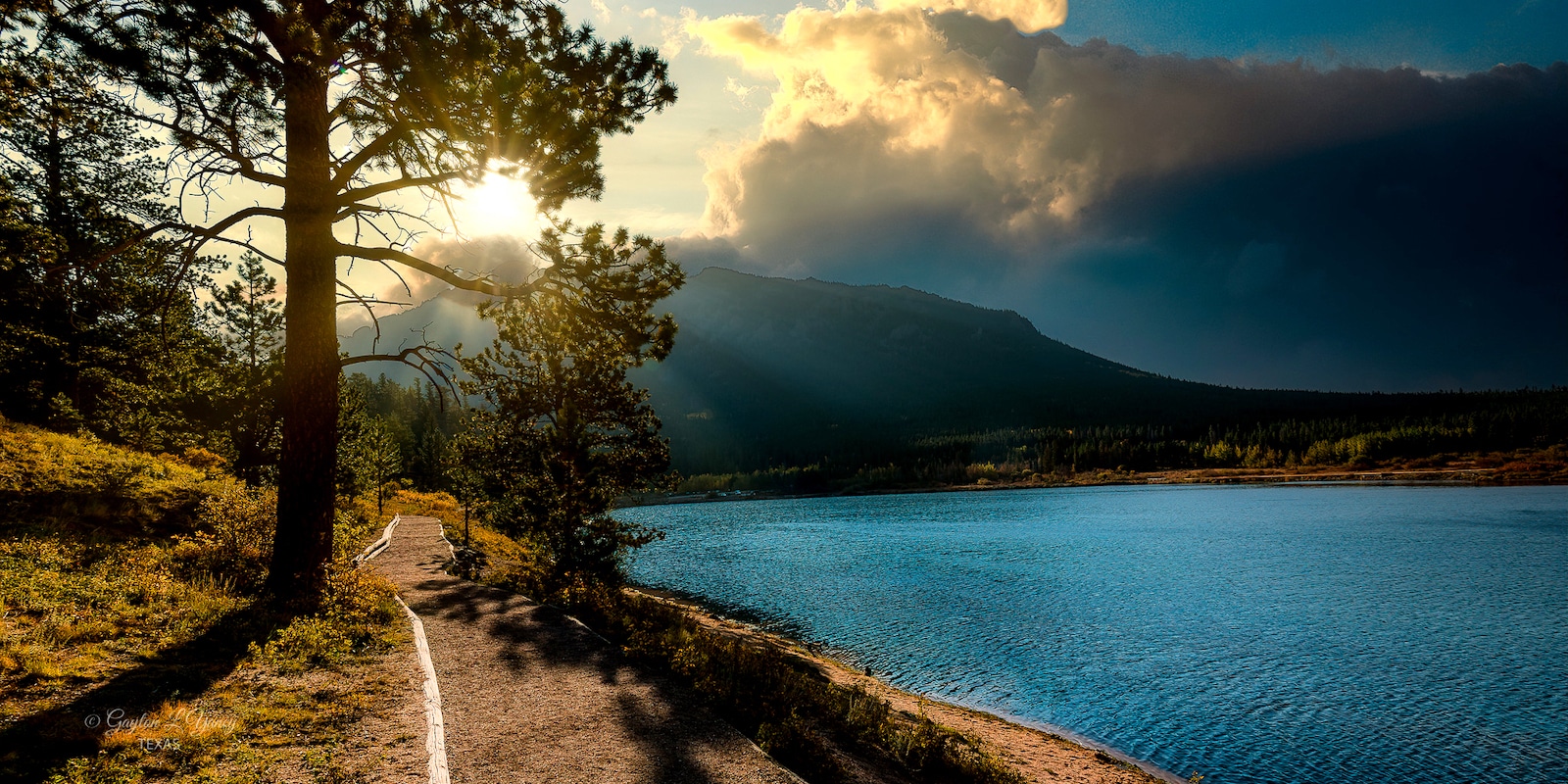
Colorado’s iconic mountain towns, including Aspen, Vail, and Telluride in the San Juan Mountains, present a slightly different picture. While they receive significant snowfall, particularly in winter, they also boast a remarkable number of clear, crisp days, especially after a storm. Skiers and snowboarders often revel in “bluebird days”—fresh powder under brilliant, cloudless skies. The high altitude ensures intense sunshine that reflects brightly off the snow, creating dazzling conditions. Summers in the mountains are typically sunny and mild, punctuated by scattered afternoon thunderstorms, which provide dramatic relief and often enhance the natural beauty with rainbows. Hiking to peaks like Mount Elbert or Pikes Peak is often best undertaken in the clear mornings.
Eastern Plains
The Eastern Plains, stretching eastward from the Front Range towards Kansas and Nebraska, including towns like Lamar and Sterling, experience some of Colorado’s most extreme weather but also a high number of clear days. This region is flatter and less influenced by mountain weather patterns, leading to more consistent sunshine, particularly in the drier months. Summers can be very hot and sunny, while winters are cold but often clear between snow or ice events. The expansive, unobstructed skies make the plains a unique spot for stargazing after a sunny day.
Beyond the Numbers: The Quality of Colorado’s Sunshine
Beyond the sheer quantity of sunny days, it’s the quality of Colorado’s sunshine that truly sets it apart for travelers. The combination of high altitude, dry air, and stunning landscapes creates an experience unlike many other destinations.
The dry climate significantly reduces atmospheric haze and humidity, resulting in exceptionally clear skies and vibrant colors. Distant mountain ranges appear sharper, and the blue of the sky is often a deeper, more intense hue. This clarity is a photographer’s dream, enhancing everything from the golden aspen leaves in autumn to the snow-capped peaks against a winter sky. It also contributes to the feeling of openness and vastness that characterizes much of the state.
The intensity of the sun, even on cooler days, can make outdoor activities more enjoyable. In winter, for example, a sunny day on the ski slopes of Breckenridge or Steamboat Springs feels considerably warmer and more pleasant than a cloudy day at the same temperature. This “warmth” factor extends to hiking, biking, and exploring areas like Great Sand Dunes National Park, making even crisp fall days comfortable for prolonged outdoor exposure.
Moreover, Colorado’s weather is renowned for its dynamism. Even on a predominantly sunny day, travelers can often witness dramatic cloud formations, quick passing showers, or the sudden appearance of snow flurries in the mountains, only for the sun to re-emerge shortly after. This variability adds to the adventure, providing a constant interplay of light and shadow across the majestic scenery. The sun reflecting off fresh snow, or casting long shadows across red rock canyons, offers a visual feast that underscores the state’s natural beauty.
Planning Your Trip Around the Sun
Embracing Colorado’s sunny disposition requires a little foresight, ensuring travelers maximize their enjoyment of this radiant destination.
Best Seasons for Sunshine
While all seasons offer ample sunshine, each has its unique charm and weather patterns:
- Spring (March-May): Highly variable. Expect a mix of late-season snowstorms (especially in the mountains) followed by brilliant, warm, sunny days. The Front Range sees rapid snowmelt and the first signs of green.
- Summer (June-August): Generally very sunny and warm. Mountain areas experience pleasant temperatures with often predictable afternoon thunderstorms. The plains and Western Slope are hot and dry. Ideal for hiking, camping, and water sports.
- Fall (September-November): Often considered the most picturesque, with crisp, clear, and gloriously sunny days, especially after the first frosts. The changing leaves against a brilliant blue sky are iconic. Ideal for scenic drives and photography.
- Winter (December-February): Despite significant snowfall in the mountains, winter brings frequent “bluebird days” to ski resorts and often clear, cold, sunny weather to the cities. The strong sun helps keep spirits bright and melts snow quickly in urban areas.

Practical Tips for Enjoying the Sun
Given the intensity of Colorado’s high-altitude sun, proper preparation is essential:
- Sunscreen and UV Protection: Always apply broad-spectrum sunscreen, even on cloudy days or in winter. The UV index is often higher at altitude. Wear sunglasses and a wide-brimmed hat.
- Hydration: The dry air and increased activity under the sun can lead to dehydration. Drink plenty of water throughout the day.
- Layered Clothing: Even on sunny days, temperatures can fluctuate significantly, especially at higher elevations or between sun and shade. Dressing in layers allows for easy adjustments.
- Altitude Awareness: The sun’s effects can exacerbate altitude sickness for some. Take it easy the first day or two, stay hydrated, and be aware of your body’s signals.
Ultimately, Colorado lives up to its reputation for sunshine. While the “300 days” might be a marketing shorthand, the state genuinely offers an abundance of bright, clear weather across its diverse regions, enhancing every travel experience from skiing to hiking to city exploration. Planning your visit with an understanding of these sunny patterns will ensure a memorable and radiant adventure in the heart of the Rocky Mountains.
LifeOutOfTheBox is a participant in the Amazon Services LLC Associates Program, an affiliate advertising program designed to provide a means for sites to earn advertising fees by advertising and linking to Amazon.com. Amazon, the Amazon logo, AmazonSupply, and the AmazonSupply logo are trademarks of Amazon.com, Inc. or its affiliates. As an Amazon Associate we earn affiliate commissions from qualifying purchases.