
Understanding the tax landscape in Colorado is a critical component of lifestyle planning, whether you’re considering a permanent move, a long-term remote work stay, or simply evaluating the cost of living for an extended visit. The Centennial State boasts a unique tax structure that can significantly impact your budget, from your monthly take-home pay to the cost of your groceries and housing. Unlike many states with complex tiered income tax systems or high property tax rates, Colorado often presents a mixed bag of financial considerations, making it essential to delve into the specifics to truly grasp the financial implications of a Colorado lifestyle.
Understanding Colorado’s Tax Landscape for Lifestyle Planning
Colorado’s approach to taxation is often described as fiscally conservative, with a strong emphasis on maintaining a competitive economic environment. This philosophy translates into a relatively low flat income tax rate and, generally, lower-than-average property taxes. However, the picture isn’t entirely simple, as local municipalities and special districts have considerable autonomy to levy their own taxes, particularly sales and property taxes. This decentralization means that the exact tax burden can vary significantly depending on where you choose to live or spend your time within the state, from bustling cities like Denver and Colorado Springs to serene mountain towns like Aspen or Telluride. For anyone assessing their potential financial lifestyle in Colorado, a detailed breakdown of these components is indispensable.
Key State-Level Taxes Affecting Your Budget
The primary taxes levied at the state level directly influence personal income, everyday spending, and the cost of owning assets. These are the bedrock upon which your Colorado budget will be built.
Income Tax: A Flat Rate Advantage
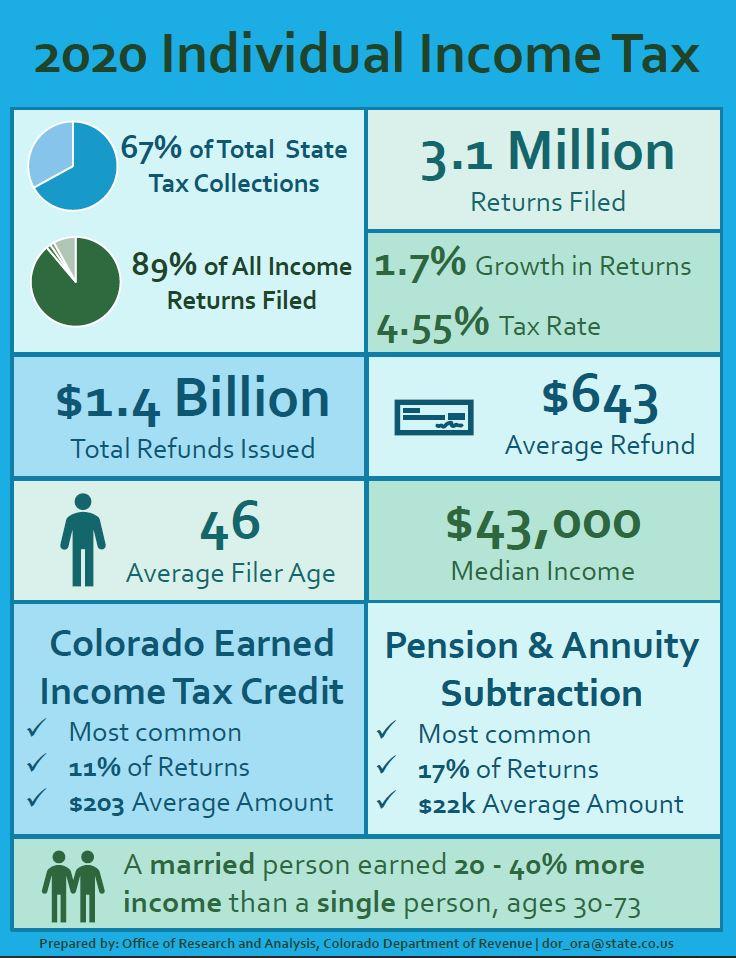
One of the most appealing aspects of Colorado’s tax system for many individuals is its flat income tax rate. For the 2023 tax year, the state income tax rate is 4.40%, applying uniformly to all taxable income, regardless of the amount. This contrasts sharply with states that employ progressive tax brackets, where higher earners pay a larger percentage of their income in taxes. For individuals coming from states with high progressive income taxes, Colorado’s flat rate can translate into significant savings, directly boosting disposable income and contributing positively to one’s overall lifestyle budget.
It’s important to note that while the state rate is flat, deductions and credits can still reduce your overall taxable income. Colorado generally conforms to federal income tax rules regarding deductions, though there are specific state-level deductions available. This flat-rate system offers predictability and simplifies financial planning for residents and those considering a move, making it easier to estimate post-tax income.
Sales and Use Tax: Everyday Spending Considerations
The state sales tax in Colorado is currently 2.9%. This relatively low state rate, however, is almost always combined with local sales taxes imposed by cities, counties, and special districts. The state sales tax applies to most tangible goods purchased, as well as certain services. While groceries (unprepared food) are exempt from the state sales tax, local jurisdictions may choose to tax them, adding another layer of complexity.
Understanding the cumulative sales tax rate is crucial for budgeting everyday expenses. For instance, in Denver, the combined sales tax rate can reach over 8.81% (state + city + county + various special districts), and in other areas like Aurora or resort towns, it can be even higher. This means that while the state component is low, the final price you pay for retail items, dining out, and other services can be significantly inflated by local taxes. For budget-conscious travelers or residents, knowing the local sales tax rate can influence purchasing decisions, from where you buy electronics to where you choose to eat.
Property Tax: Homeownership and Rent Dynamics
Colorado is often cited as having some of the lowest effective property tax rates in the nation. This is largely due to the state’s Gallagher Amendment (though modified by Proposition DD and potentially future legislation) and a relatively low residential assessment rate, currently 6.76% for primary residences and 27.9% for commercial and most other property types. However, the actual property tax bill is a product of the assessed value, the assessment rate, and the local mill levy (tax rate).
While the state sets the assessment rate, property taxes are primarily collected at the local level by counties, school districts, and special districts (e.g., for fire, water, parks). This means that property tax bills can vary wildly across different communities, even within the same county. For example, property taxes in a newly developed suburban area with many special districts might be higher than in an older, more established neighborhood. This has a direct impact on the cost of homeownership and, indirectly, on rental costs, as landlords often factor property taxes into their rental rates. For individuals planning their long-term lifestyle and housing choices, understanding the specific property tax rates for a desired area is paramount. Lower property taxes can free up significant funds for other lifestyle expenditures, but they can be offset by higher home values in desirable areas.
Local Taxes: The Hyperlocal Impact on Lifestyle

The autonomy of Colorado’s local governments in levying taxes creates a patchwork of rates that profoundly influences the cost of living and specific lifestyle choices within different communities.
City and County Specific Sales Taxes
Beyond the state sales tax, nearly every city and county in Colorado imposes its own sales tax. These can range from an additional 1% to over 5%, significantly increasing the total sales tax rate. For example, while the state rate is 2.9%, total sales tax can be closer to 8% in Boulder or 9% in Vail. These variations mean that shopping for major purchases, or even regular groceries (if taxed locally), might be more economical in one town compared to another just a few miles away. This impacts budgeting for everything from retail therapy to dining out and purchasing souvenirs for tourists, directly influencing the financial feasibility of certain lifestyle choices.
Lodging and Tourism Taxes
For those considering extended stays or frequent travel within Colorado, it’s essential to be aware of local lodging taxes. These taxes are levied on hotel stays, short-term rentals, and other temporary accommodations. Rates vary widely by municipality and can add a substantial amount to your bill, particularly in popular tourist destinations. For instance, in places like Breckenridge or Aspen, combined state and local lodging taxes can exceed 10-15% of the nightly rate. This directly affects the cost of leisure travel and can influence decisions for remote workers seeking temporary residences or digital nomads exploring different parts of the state.
Special District Taxes
Colorado has a robust system of special districts, which are local government entities created to provide specific services (e.g., water, sanitation, fire protection, recreation, or metropolitan districts for new developments). These districts have the authority to levy their own property taxes, sales taxes, or fees to fund their services. While these districts contribute to the quality of life by providing essential infrastructure and amenities, they also add to the overall tax burden. For those moving into newer developments, understanding these special district taxes is crucial, as they can sometimes significantly increase property tax bills compared to older, established neighborhoods that have already paid off their infrastructure costs. This directly impacts the long-term financial commitment of homeownership and, by extension, lifestyle choices regarding where to settle.
Other Notable Taxes and Fees
Beyond the primary taxes, several other state and local fees and taxes contribute to the overall cost of living and lifestyle in Colorado.
Vehicle Taxes and Fees
If you own a vehicle in Colorado, you’ll encounter various taxes and fees, including a specific ownership tax, which is calculated based on the vehicle’s original taxable value and its age. This annual tax, along with registration fees, can be a significant recurring expense, especially for newer or more expensive vehicles. The amount you pay also depends on your county of residence. This impacts the overall budget for car ownership and transportation, a key component of many Colorado lifestyles, particularly given the state’s emphasis on outdoor recreation and the need for personal vehicles to access many natural attractions.
Excise Taxes
Colorado also levies excise taxes on specific goods and services, including gasoline, tobacco products, and alcohol. These taxes are typically included in the purchase price and affect daily consumption habits. For instance, gasoline taxes contribute to road maintenance but also impact the cost of driving. The state also has unique excise taxes on cannabis, reflecting its pioneering legal cannabis market. These taxes contribute significantly to state revenue, often earmarked for specific programs, but they also mean that certain consumer choices come with an added cost, influencing discretionary spending.

Navigating the Tax Landscape for Optimal Lifestyle in Colorado
Colorado’s tax system, characterized by a low flat income tax and generally modest property taxes, can be quite attractive, especially when compared to states with higher burdens in these categories. However, the impact of local sales taxes and various fees means that the total tax picture is more nuanced than it initially appears.
For residents and long-term visitors, understanding this intricate system is key to financial well-being and lifestyle planning. A seemingly low income tax rate can be partially offset by higher sales taxes on purchases, especially if you live in a city with numerous special districts. Similarly, while property taxes might be low statewide, the cost of housing itself, driven by market demand in popular areas, can be substantial.
When considering a move or extended stay in Colorado, it’s advisable to research the specific tax rates for your chosen city or county. Websites of local governments, county assessors, and the Colorado Department of Revenue offer detailed information. By thoroughly researching these various components, you can accurately budget for expenses, make informed decisions about where to live, and ultimately optimize your financial lifestyle in the beautiful state of Colorado. The balance between taxes and the high quality of life, access to outdoor activities, and vibrant communities is a constant consideration for those who choose to call Colorado home.
LifeOutOfTheBox is a participant in the Amazon Services LLC Associates Program, an affiliate advertising program designed to provide a means for sites to earn advertising fees by advertising and linking to Amazon.com. Amazon, the Amazon logo, AmazonSupply, and the AmazonSupply logo are trademarks of Amazon.com, Inc. or its affiliates. As an Amazon Associate we earn affiliate commissions from qualifying purchases.