
Embarking on a journey from the bustling heart of the Midwest to the dazzling entertainment capital of the world is a travel experience many eagerly anticipate. Whether you’re planning a quick weekend getaway, a celebratory occasion, or a crucial business trip, understanding the logistics of flying from Chicago to Las Vegas is the first step towards a seamless adventure. This comprehensive guide will delve into everything from flight durations and influencing factors to optimizing your travel experience and exploring the vibrant attractions awaiting you in Las Vegas.
The route connecting Chicago, Illinois, to Las Vegas, Nevada, is one of the most popular domestic air travel corridors in the United States. Known for its directness and frequent service, it offers travelers a swift transition from the windy city’s architectural marvels and deep-dish pizza to Las Vegas’s iconic casinos, world-class shows, and desert landscapes. But beyond the simple question of “how long,” lies a nuanced answer that factors in everything from the type of flight and chosen airline to unforeseen weather patterns and time zone shifts. Preparing for this journey involves more than just booking a ticket; it’s about understanding the entire travel ecosystem to ensure your trip is as enjoyable and stress-free as possible.
Unpacking the Flight Duration: Chicago to Las Vegas
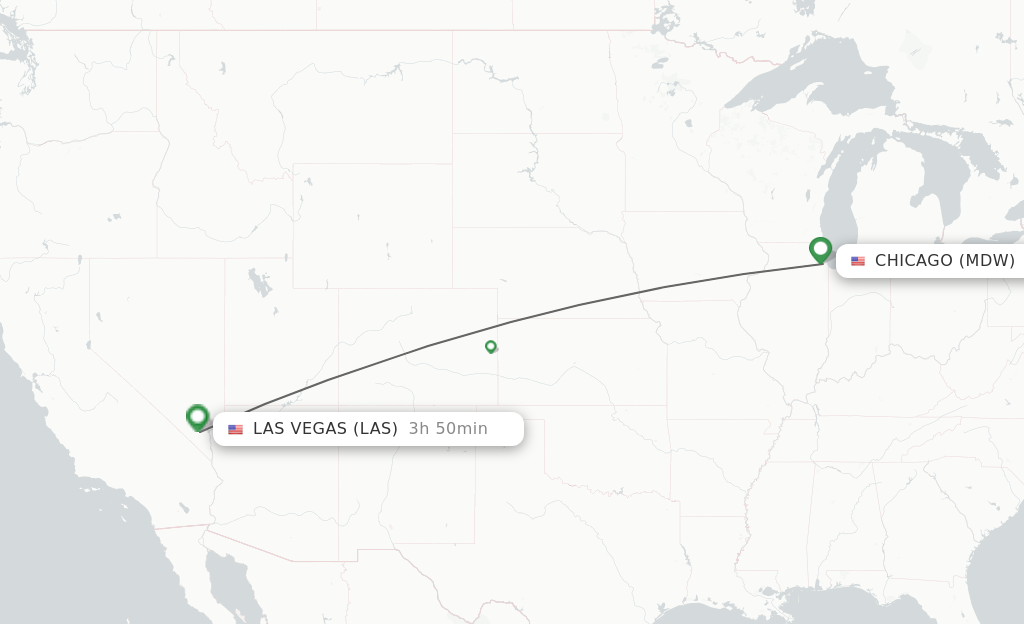
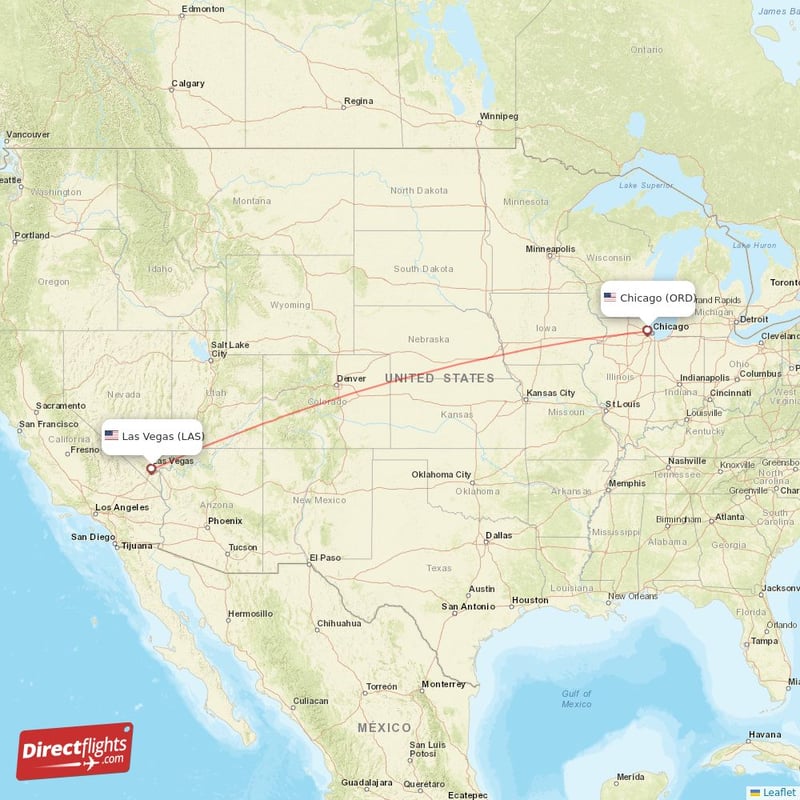
When considering the flight time from Chicago to Las Vegas, the most direct answer typically revolves around non-stop service. However, it’s essential to understand the variables that can affect this estimate. The approximate air distance between Chicago and Las Vegas is around 1,500 to 1,550 miles (2,400 to 2,500 kilometers), a substantial distance that modern aircraft cover efficiently.
Direct Flights: The Fastest Route
For travelers prioritizing speed and convenience, direct flights are undoubtedly the optimal choice. These flights offer a straightforward journey without any layovers, significantly reducing overall travel time. On average, a direct flight from Chicago to Las Vegas typically ranges from 3 hours and 30 minutes to 4 hours and 15 minutes.
This duration can vary slightly depending on several factors:
- Aircraft Type: Larger, more powerful jets might cover the distance marginally faster than smaller aircraft.
- Wind Conditions: Tailwinds can shave off a few minutes, while headwinds can add to the flight time.
- Specific Route: Air traffic control might assign slightly different flight paths, impacting the exact distance flown.
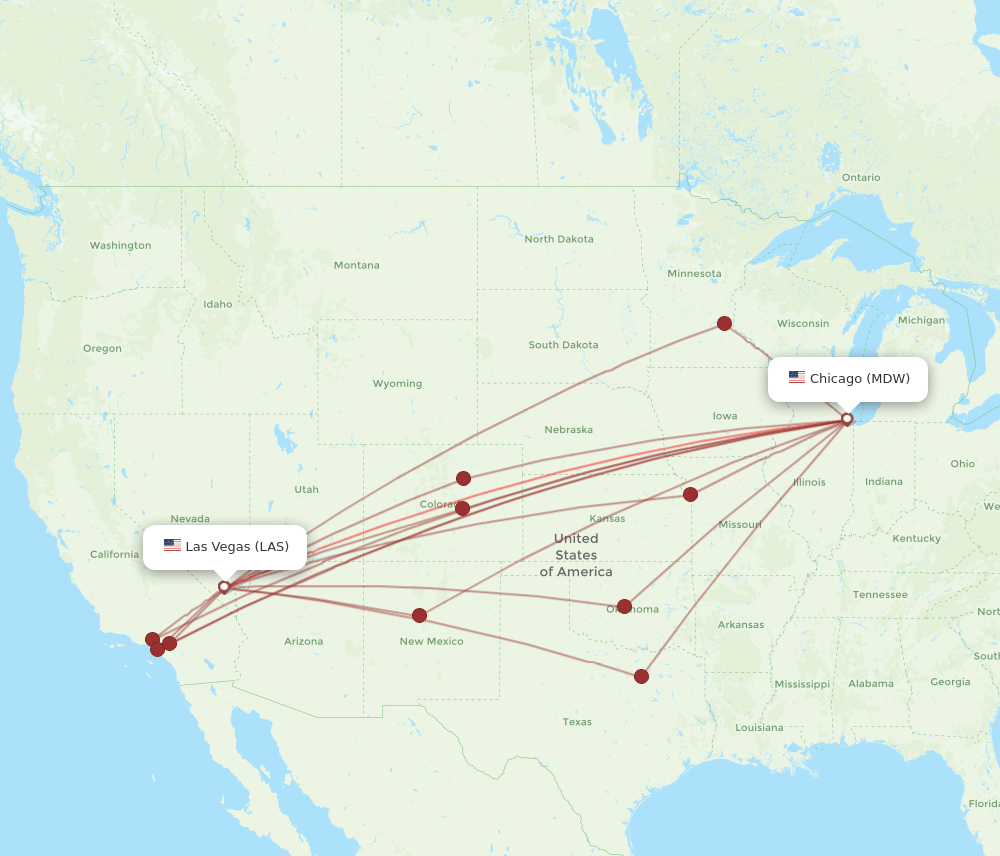
Airlines frequently offering direct flights on this route include major carriers like United Airlines, American Airlines, Southwest Airlines, and budget-friendly options such as Spirit Airlines and Frontier Airlines. Booking a direct flight is highly recommended for those with tight schedules or who simply wish to arrive at their destination refreshed and ready to experience all that Las Vegas has to offer.
Connecting Flights: When Time Allows for More
While direct flights are the quickest, connecting flights are also an option, often chosen for flexibility in departure times, airline preference, or sometimes for a more budget-friendly fare. A connecting flight will inherently increase your overall travel duration due to the layover(s) at an intermediate airport.
The total travel time for a connecting flight can range anywhere from 5 hours to 8+ hours, depending on the number of layovers and the duration of each stop. Common layover cities for this route might include Denver, Phoenix, or Dallas.
Opting for a connecting flight might be suitable if:
- You’re not in a hurry and view the journey as part of the adventure.
- You find a significantly cheaper fare that makes the extra travel time worthwhile.
- You want to fly a specific airline that doesn’t offer direct service for your preferred times.
When booking a connecting flight, always factor in adequate layover time, especially if you have to change terminals or airlines, to avoid rushing or missing your next flight.
The Impact of Airline and Aircraft
Different airlines operate various types of aircraft, which can subtly influence flight times. While modern commercial airliners generally fly at similar cruising speeds, there can be minor differences. For instance, a flight on a Boeing 737 or Airbus A320 (common for domestic routes) will typically adhere to the standard 3.5 to 4-hour timeframe for a direct flight. The airline’s efficiency in boarding, taxiing, and adherence to schedules can also play a role, making some carriers feel consistently faster or more punctual than others. Always check airline reviews and punctuality ratings if this is a significant concern for your travel plans.
Beyond the Clock: Factors Influencing Your Journey
While the flight duration provides a core estimate, several external and operational factors can influence the actual time spent from gate to gate. Understanding these can help set realistic expectations and allow for better trip planning.
Time Zones and Their Effect
One crucial aspect of flying from Chicago to Las Vegas is the time zone change. Chicago operates on Central Time (CT), while Las Vegas is on Pacific Time (PT). There is a two-hour difference between these two time zones, with Las Vegas being two hours behind Chicago.
This means that a flight departing Chicago at 8:00 AM CT and landing in Las Vegas at 11:30 AM PT (a 3.5-hour flight) will feel like a shorter day than it actually is. While the actual flight duration remains the same, your body clock might feel the shift. This “gain” of two hours on arrival is a welcome bonus, allowing travelers more time to enjoy their first day in Las Vegas. However, remember to adjust your watch upon landing to avoid confusion!
Weather Conditions: A Variable to Consider
Weather is an unavoidable factor in air travel that can impact flight times and lead to delays.
- Headwinds and Tailwinds: Strong headwinds (wind blowing against the direction of flight) can increase flight duration, sometimes by 15-30 minutes or more. Conversely, strong tailwinds can shorten the flight.
- Storms and Turbulence: Severe weather systems, such as thunderstorms or blizzards, can lead to flight path diversions, holding patterns, or even cancellations, significantly extending travel time. While Las Vegas is known for its sunny, dry climate, Chicago experiences all four seasons, with winter snow and summer storms frequently impacting airport operations.
- Visibility: Fog or low clouds can delay departures or arrivals, especially at busy airports.
While airlines always aim for punctuality, safety is paramount, and weather-related adjustments are made to ensure a secure journey. Travelers should always check weather forecasts for both departure and arrival cities closer to their travel date.
Air Traffic and Airport Congestion
Both Chicago’s airports and Las Vegas’s Harry Reid International Airport (formerly McCarran International Airport) are busy hubs. Air traffic control manages thousands of flights daily, and sometimes congestion can lead to minor delays.
- Departure Delays: Aircraft might have to wait for a slot to take off, particularly during peak travel times or at major hubs like O’Hare International Airport.
- Holding Patterns: Upon approach to Harry Reid International Airport, planes might be instructed to enter a “holding pattern” if runways are busy or if there’s an unexpected event on the ground.
- Taxiing Time: The time spent taxiing on the runway before takeoff and after landing can vary greatly depending on the airport’s size and current traffic. Large airports like O’Hare International Airport can have lengthy taxi times.
These factors are generally outside a traveler’s control but are part of the broader air travel experience. Building a buffer into your schedule, especially if you have immediate plans upon arrival, is always a wise strategy.
Optimizing Your Travel Experience: From Booking to Landing
A great trip begins long before you step foot on the plane. Strategic planning, especially for a popular route like Chicago to Las Vegas, can significantly enhance your experience.
Choosing Your Departure Airport: O’Hare International Airport vs. Midway International Airport
Chicago is served by two major international airports, offering travelers flexibility in their departure point:
- O’Hare International Airport (ORD): One of the busiest airports in the world, O’Hare International Airport is a hub for United Airlines and American Airlines. It offers the most frequent direct flights to Las Vegas and generally provides a wider range of flight times and airlines. However, its size can mean longer walks between gates, more potential for delays due to air traffic, and sometimes longer security lines.
- Midway International Airport (MDW): Smaller and generally easier to navigate, Midway International Airport is a major hub for Southwest Airlines. It’s closer to downtown Chicago for many travelers and often lauded for its efficiency. While it may offer fewer daily flights to Las Vegas compared to O’Hare International Airport, the overall experience can sometimes be smoother.
Your choice between O’Hare International Airport and Midway International Airport should depend on your location within Chicago, preferred airline, flight availability, and tolerance for airport size and potential congestion.
Selecting Your Arrival Airport: Harry Reid International Airport
Upon arrival in Las Vegas, you’ll land at Harry Reid International Airport (LAS). Conveniently located just a few miles south of The Strip and Downtown Las Vegas, Harry Reid International Airport provides excellent access to the city’s main attractions.
From the airport, numerous transportation options are available:
- Taxis and Ride-Shares: Readily available outside baggage claim, offering quick access to hotels.
- Shuttles: Shared-ride shuttles are a cost-effective option for individual travelers, making stops at multiple hotels.
- Rental Cars: Ideal for those planning to explore beyond The Strip, such as visiting the Grand Canyon or Hoover Dam. The airport has a consolidated rental car center requiring a short shuttle ride.
- Public Transportation: While not as extensive as in other major cities, local bus routes connect the airport to The Strip and Downtown Las Vegas.
Pre-booking your ground transportation can save time and hassle upon arrival, especially during peak travel periods.
Essential Packing Tips for Your Las Vegas Trip
Packing smart can enhance your Las Vegas experience, whether you’re traveling for luxury, business, or a budget-friendly getaway.
- Versatile Wardrobe: Las Vegas is known for its diverse activities. Pack comfortable walking shoes for exploring, swimwear for pool days, smart casual attire for dining, and something a bit dressier for shows or upscale restaurants.
- Layering: The desert climate can mean hot days and cooler evenings, so layers are key.
- Sun Protection: Sunglasses, hats, and sunscreen are essential year-round, especially if you plan outdoor activities or lounging by the pool.
- Hydration: The dry desert air can be dehydrating. Consider bringing a reusable water bottle.
- Essentials for the Flight: A neck pillow, headphones, a good book or entertainment, and snacks can make the 3.5 to 4-hour flight more comfortable. Don’t forget any necessary medications in your carry-on.
- Chargers and Adapters: Ensure all your electronics stay powered for capturing memories and staying connected.
Considering the website’s focus on Hotels, Accommodation, and Lifestyle, remember that many Las Vegas resorts offer extensive amenities, so you might not need to pack certain toiletries or towels, freeing up space for souvenirs.
Your Las Vegas Adventure Awaits: Post-Flight Exploration
Once you’ve landed at Harry Reid International Airport and navigated your way to your chosen accommodation, the real Las Vegas experience begins. The city offers an unparalleled array of experiences, catering to every type of traveler.
Accommodation Choices: From Luxury Resorts to Boutique Hotels
Las Vegas is synonymous with spectacular accommodation. The choices are vast, ranging from opulent, amenity-rich resorts to more intimate, budget-friendly options.
- Luxury Resorts: Iconic properties like the Bellagio (famous for its fountains), Caesars Palace (Roman Empire theme), Venetian Resort (Venice-inspired canals), Wynn Las Vegas, and the Cosmopolitan of Las Vegas offer lavish suites, multiple pools, world-class spas, high-end shopping, and an array of fine dining experiences. These resorts redefine the concept of a hotel, often being destinations in themselves.
- Mid-Range and Themed Hotels: Options like MGM Grand, New York-New York Hotel & Casino, Paris Las Vegas, and Treasure Island Hotel & Casino provide excellent value with comfortable rooms, diverse entertainment, and accessible prices, often maintaining unique themes.
- Budget-Friendly Stays: For those on a tighter budget, hotels further off The Strip or in Downtown Las Vegas (like The Strat) can offer more economical rates while still providing comfortable and convenient access to the city’s main attractions.
When booking, consider your travel style. Are you looking for a family-friendly resort with a water park, an adults-only haven, a quiet boutique experience, or something in the heart of the action? Our Accommodation and Hotels guides on LifeOutTheBox can help you compare reviews, amenities, and booking options for long-term stays or short getaways.
Iconic Las Vegas Attractions and Entertainment
Beyond the gaming floors, Las Vegas is a vibrant hub of entertainment and culture.
- Shows and Performances: From mesmerizing Cirque du Soleil productions and magic shows to residencies by global music superstars and hilarious stand-up comedy, there’s a show for every taste.
- The Strip: A stroll down The Strip is an attraction in itself, with its iconic themed hotels, dazzling lights, and free attractions like the Bellagio Fountains and the Mirage Volcano.
- Downtown Las Vegas and the Fremont Street Experience: Offers a different vibe with its iconic overhead LED canopy, street performers, and zip lines. It’s a great spot for live music and a more vintage Las Vegas feel.
- Natural Wonders: Just a short drive from the city are breathtaking natural landmarks. The majestic Grand Canyon offers unparalleled vistas, while the engineering marvel of the Hoover Dam provides a fascinating glimpse into history. For closer outdoor adventures, Red Rock Canyon National Conservation Area is perfect for hiking, biking, and scenic drives.
These Landmarks and Tourism experiences are integral to a complete Las Vegas itinerary.
Culinary Delights and Lifestyle Experiences
Las Vegas has evolved into a world-renowned culinary destination, boasting celebrity chef restaurants from names like Gordon Ramsay, indulgent buffets, and diverse international cuisines. Whether you’re seeking a gourmet meal or a casual bite, the city delivers.
The Lifestyle aspect of Las Vegas is equally varied:
- Luxury Travel: Enjoy high-stakes gaming, exclusive VIP clubs, designer shopping at places like the Forum Shops at Caesars Palace, and lavish spa treatments.
- Budget Travel: Explore free attractions, take advantage of happy hour deals, and enjoy affordable dining options to stretch your budget.
- Family Trips: Beyond The Strip, attractions like the Discovery Children’s Museum, Shark Reef Aquarium at Mandalay Bay, and various pool complexes cater to younger visitors.
- Business Stays: Many resorts offer state-of-the-art convention facilities, quiet business centers, and networking opportunities, seamlessly blending work with leisure.
No matter your reason for visiting, Las Vegas is designed to offer a memorable experience tailored to your preferences.
Planning Your Return Journey: A Seamless Experience
As your Las Vegas adventure draws to a close, planning your return flight to Chicago with the same meticulousness can ensure a smooth departure. Keep in mind the two-hour time difference when heading east – you’ll “lose” those two hours, making a return flight feel longer in terms of your body clock. A 3.5-hour flight departing Las Vegas at 2:00 PM PT will land in Chicago at approximately 7:30 PM CT.
Ensure you allow ample time to get to Harry Reid International Airport, especially during peak checkout times from hotels. Check your flight status before leaving for the airport and be prepared for security screening. With careful planning, your journey home will be as comfortable and efficient as your journey to Las Vegas.
In conclusion, a flight from Chicago to Las Vegas is typically a direct journey of 3.5 to 4.5 hours, bridging the vast distance between the Midwest and the West Coast with remarkable efficiency. By understanding the factors that influence flight duration, choosing the right airports, and planning your in-flight and on-ground experiences, you can transform a simple trip into an extraordinary adventure. Las Vegas awaits, ready to offer an unforgettable experience that makes every minute of your journey worthwhile.
LifeOutOfTheBox is a participant in the Amazon Services LLC Associates Program, an affiliate advertising program designed to provide a means for sites to earn advertising fees by advertising and linking to Amazon.com. Amazon, the Amazon logo, AmazonSupply, and the AmazonSupply logo are trademarks of Amazon.com, Inc. or its affiliates. As an Amazon Associate we earn affiliate commissions from qualifying purchases.