
For individuals contemplating a move to the Centennial State, understanding the financial landscape is paramount to shaping a sustainable and enjoyable lifestyle. Beyond the allure of the Rocky Mountains and vibrant cities like Denver and Boulder, a critical component of any lifestyle decision involves the local tax structure. Colorado stands out with a unique approach to income tax, featuring a flat rate that impacts every resident and worker differently than progressive systems found in many other states. Delving into this aspect reveals how much of your hard-earned income contributes to the state’s coffers and, by extension, how it influences your overall financial well-being and daily living expenses.
Understanding Colorado’s Flat Tax Rate
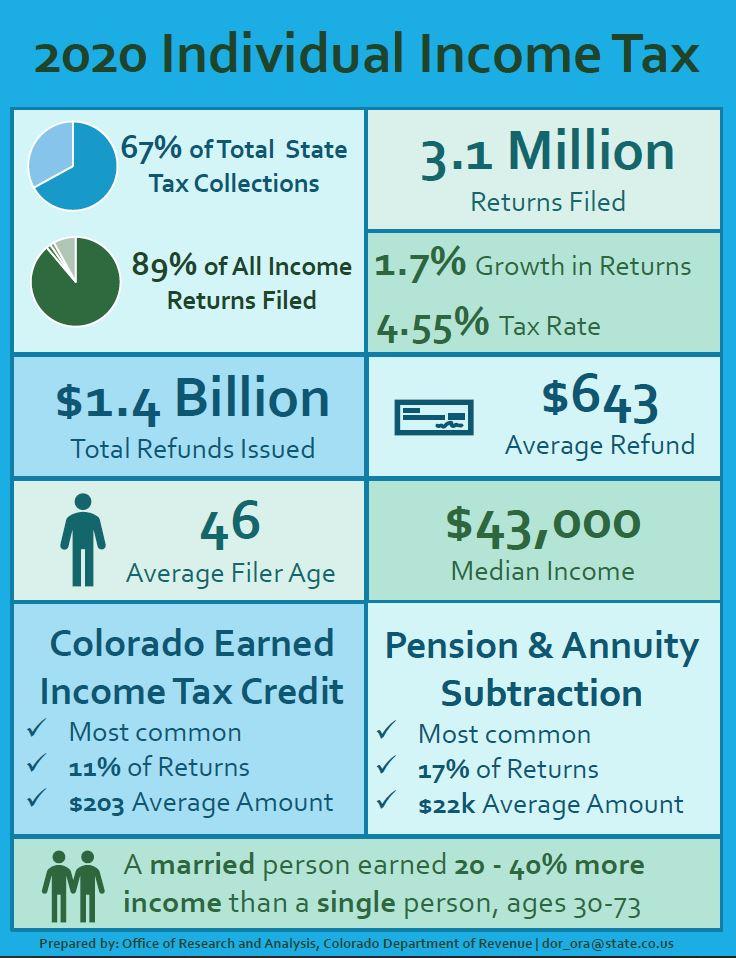
Colorado operates under a distinctive single-rate income tax system, meaning that nearly all taxable income is taxed at the same percentage, regardless of how much an individual earns. As of recent legislative changes and current rates, Colorado’s state income tax rate is approximately 4.40% (it’s crucial to note that this rate can be subject to change by legislative action or voter initiatives, so always consult the latest information from the Colorado Department of Revenue). This flat rate contrasts sharply with the progressive tax systems common in most other states, where higher earners pay a larger percentage of their income in taxes.
This flat structure offers both advantages and considerations for various income brackets. For high-income earners, it can mean a lower overall tax burden compared to states with steep progressive rates. Conversely, for lower and middle-income individuals, the flat rate might represent a higher percentage of their disposable income going to state taxes than they would pay in a state with a highly progressive system, although Colorado does offer various deductions and credits to mitigate this for some. The simplicity of a flat rate often appeals to those seeking predictability in their financial planning, making it easier to calculate annual tax liabilities.
The Impact on Your Budget and Lifestyle
The flat tax rate directly influences your personal budget and, by extension, your lifestyle in Colorado. When considering relocation, understanding this consistent rate allows for more accurate financial projections, whether you’re planning for housing in Colorado Springs, leisure activities in Aspen, or simply daily expenses in Fort Collins.
For a family moving to Colorado, the predictable income tax can simplify budgeting for childcare, education, and recreational pursuits. Knowing that a consistent percentage of taxable income will be remitted to the state allows for clearer estimations of disposable income. This clarity is particularly valuable for those transitioning from states with complex, tiered income tax structures, where financial planning can be more intricate. The flat rate encourages a straightforward approach to managing your finances, allowing you to focus more on enjoying the diverse outdoor activities, culinary scenes, and cultural experiences that Colorado offers.
However, it’s also important to factor in other costs of living. While the income tax might be predictable, the housing market in popular areas like Denver and Boulder can be competitive, and property taxes, though generally lower than coastal states, still contribute significantly to overall expenses. The flat tax rate is just one piece of the puzzle in determining your overall financial comfort and lifestyle affordability in Colorado.
Deductions, Credits, and Exemptions: Maximizing Your Colorado Financial Picture
While Colorado’s income tax is a flat rate, it’s not a one-size-fits-all scenario when it comes to your actual tax liability. The state offers various deductions, credits, and exemptions that can significantly reduce your taxable income, thereby lowering your overall tax bill. Understanding and leveraging these provisions is crucial for optimizing your financial health and ensuring you get the most out of living in Colorado. These mechanisms are particularly important in a flat-tax environment, as they provide avenues for relief that progressive tax brackets often inherently offer.
Key Deductions for Colorado Residents
Many of the deductions available at the federal level, such as contributions to traditional IRAs, health savings accounts (HSAs), and certain self-employment expenses, are also deductible for Colorado state income tax purposes. Colorado generally starts its income tax calculations from your federal adjusted gross income (AGI), which means many federal deductions flow through.
However, Colorado also offers state-specific deductions that can further reduce your taxable income. For instance, contributions to the Colorado 529 CollegeInvest savings plan are deductible. Additionally, certain types of pension and annuity income may be deductible for eligible seniors. These deductions are not merely technicalities; they represent tangible savings that can be redirected towards lifestyle enhancements, such as funding a child’s education, boosting retirement savings, or investing in personal development opportunities. Maximizing these deductions is a smart financial strategy for any Colorado resident.
State-Specific Credits to Note
Beyond deductions, Colorado provides an array of tax credits designed to support specific demographics or encourage certain behaviors. Credits are particularly powerful because they reduce your tax liability dollar-for-dollar, unlike deductions which only reduce your taxable income.
Notable Colorado credits include:
- Child Care Expenses Credit: Designed to assist families with the costs of childcare, this credit can make a significant difference for working parents, freeing up funds for other family lifestyle expenses or savings.
- Earned Income Tax Credit (EITC): Mirroring the federal EITC, Colorado offers its own version to support low to moderate-income working individuals and families, directly boosting their financial resources.
- Property Tax/Rent/Heat Rebate (PTC Rebate): This credit is available to eligible seniors and individuals with disabilities who meet certain income criteria, helping to offset the costs of housing and utilities.
- Innovative Motor Vehicle Credit: Reflecting Colorado’s commitment to environmental sustainability, this credit incentivizes the purchase or lease of electric and plug-in hybrid vehicles, aligning with a green lifestyle.
- Conservation Easement Tax Credit: For landowners who protect open space through conservation easements, this credit encourages environmental stewardship, which is a core value for many Colorado residents.
Staying informed about these credits and determining your eligibility is vital for effective financial planning and maximizing your after-tax income. These credits can significantly alter your personal financial landscape, impacting your ability to save, invest, or spend on experiences that define the Colorado lifestyle.
Colorado Tax in the Context of Relocation and Residency
For many, a move to Colorado is a lifestyle choice—driven by career opportunities, the desire for outdoor adventure, or a change of pace. Understanding how Colorado’s tax system interacts with your residency status is paramount, especially for those who might split their time between states or work remotely. The nuances of residency can dramatically impact your tax obligations, making it a critical consideration for anyone planning a lifestyle transition to the state.
Establishing Residency in Colorado
Establishing residency is key to determining your state tax obligations. Generally, Colorado considers you a resident if you maintain a permanent home in the state and spend more than six months of the year there. However, it’s not always a simple calculation. Factors that prove residency include:
- Registering to vote in Colorado.
- Obtaining a Colorado driver’s license or state ID.
- Registering your vehicles in Colorado.
- Purchasing property or signing a long-term lease.
- Having your primary banking relationships and professional licenses in the state.
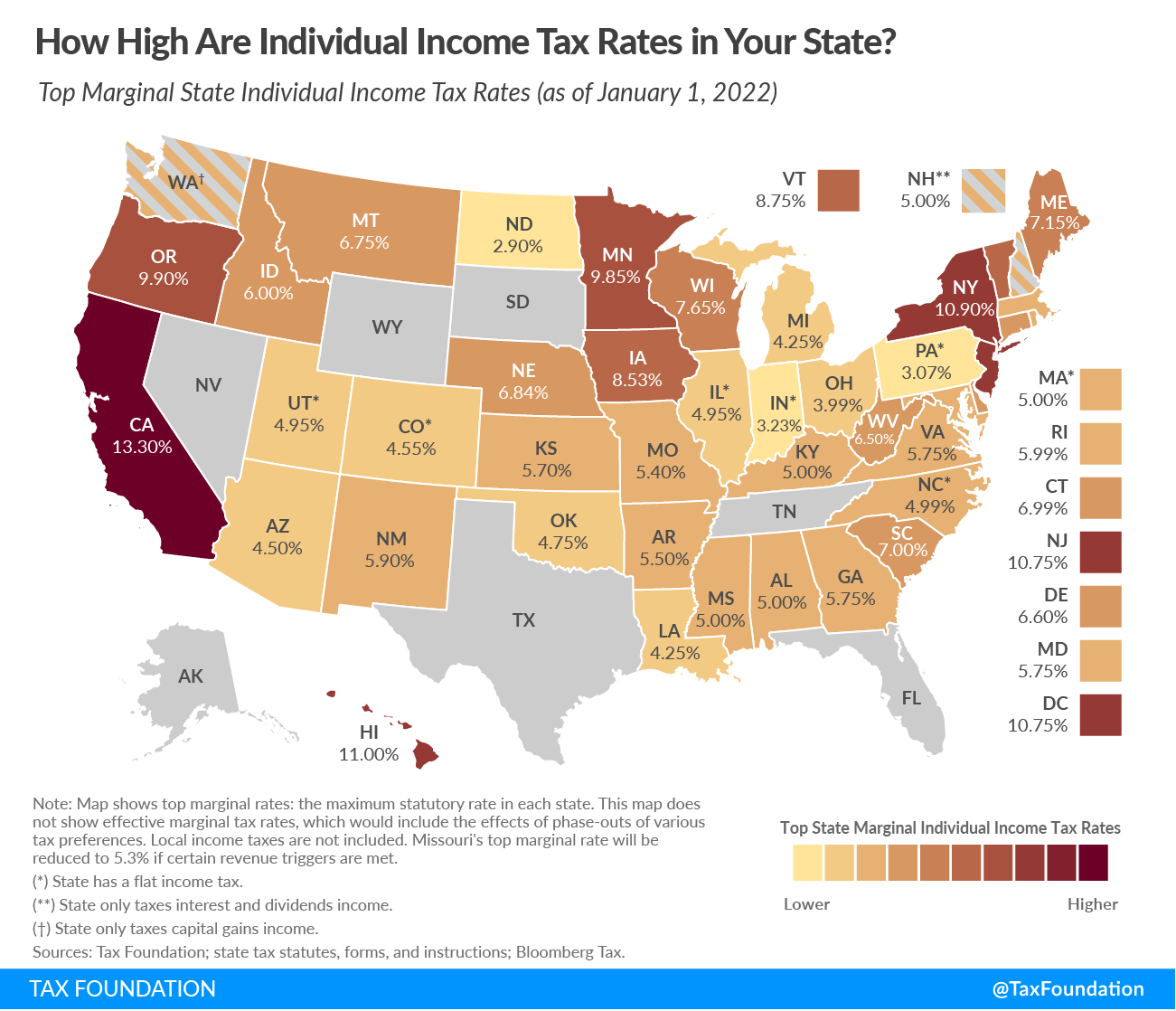
If you are deemed a Colorado resident, you are generally subject to Colorado income tax on all your income, regardless of where it was earned. This is a critical distinction for individuals with income sources outside of Colorado. For those moving from a state with no income tax, this represents a new financial consideration, while those moving from higher-tax states might find Colorado’s flat rate appealing. Proper planning and understanding of residency rules are essential to avoid unexpected tax liabilities and ensure a smooth financial transition into your new Colorado lifestyle.
Tax Implications for Remote Workers and Digital Nomads
The rise of remote work has introduced complexities for state income tax. If you work remotely for an out-of-state company but reside in Colorado, your wages are generally subject to Colorado income tax. Conversely, if you reside in another state but work for a Colorado-based employer, your income could be subject to Colorado tax, though you might receive a credit in your home state for taxes paid to Colorado to prevent double taxation.
For digital nomads who frequently move between states or even countries, establishing a tax home can be particularly challenging. While Colorado might be an attractive base due to its lifestyle offerings, understanding the 183-day rule (where spending more than half the year in a state can trigger residency) and other factors determining tax nexus is crucial. These individuals often benefit from professional tax advice to navigate the intricacies of multi-state taxation, ensuring their adventurous lifestyle doesn’t lead to unforeseen financial burdens. The flexibility of remote work in Colorado offers an appealing lifestyle, but it comes with the responsibility of understanding cross-state tax regulations.
Beyond Income Tax: Other Colorado Taxes Affecting Your Lifestyle
While income tax is a significant component of your financial picture, it’s by no means the only state or local tax that influences your lifestyle and cost of living in Colorado. A holistic view of the tax environment requires considering sales tax, property tax, and other levies that factor into your daily expenses and long-term financial planning. These taxes contribute to the funding of public services and infrastructure that enhance the Colorado lifestyle, from parks and schools to roads and emergency services.
Sales Tax Considerations
Colorado imposes a state sales tax on the sale of most tangible goods and certain services. The state sales tax rate is currently 2.9%. However, the actual sales tax you pay can be significantly higher due to local sales taxes imposed by cities, counties, and special districts. For example, a purchase made in Denver will include state, city, and potentially county sales taxes, cumulatively resulting in a rate that can be over 8%.
This combination of state and local sales taxes affects your everyday spending, from groceries and clothing to dining out and entertainment. When budgeting for your lifestyle in Colorado, it’s important to account for these added costs on consumable goods and services. For avid shoppers or those who frequent local businesses, understanding these cumulative rates helps in managing discretionary spending and overall financial health.
Property Tax Insights
Property taxes in Colorado are assessed at the local level by counties, cities, and special districts, rather than a single statewide rate. While Colorado generally has lower property tax rates compared to many other states, the actual amount you pay depends heavily on the value of your property and the specific mill levies in your locality. Homeowners in Denver, Boulder, or ski towns like Vail will likely face higher property tax bills than those in more rural areas or cities like Pueblo due to property values.
Property taxes fund local schools, emergency services, and other municipal amenities, directly impacting the quality of life in your chosen community. For prospective homeowners, researching property tax rates for specific neighborhoods is a vital step in financial planning, as these ongoing costs significantly contribute to the overall affordability of a home and your long-term lifestyle budget.

Vehicle and Other Taxes
Beyond income, sales, and property taxes, other levies contribute to the overall cost of living and lifestyle in Colorado. Vehicle registration fees, for instance, are based on the vehicle’s age, weight, and taxable value, and can be substantial for newer, more expensive vehicles. There are also specific taxes on certain goods like tobacco and gasoline.
Understanding this comprehensive tax landscape is essential for anyone considering a move or already living in Colorado. While the state’s flat income tax rate offers a level of predictability, managing your finances effectively requires a clear picture of all the taxes that influence your disposable income and spending power. By proactively engaging with this information, individuals and families can better plan their budgets, make informed lifestyle choices, and fully enjoy all that the beautiful state of Colorado has to offer.
LifeOutOfTheBox is a participant in the Amazon Services LLC Associates Program, an affiliate advertising program designed to provide a means for sites to earn advertising fees by advertising and linking to Amazon.com. Amazon, the Amazon logo, AmazonSupply, and the AmazonSupply logo are trademarks of Amazon.com, Inc. or its affiliates. As an Amazon Associate we earn affiliate commissions from qualifying purchases.