
Establishing a long-term stay in a new state like Colorado involves numerous practical considerations, and one of the most fundamental is acquiring a state-issued identification card. Beyond serving as proof of age or identity, a Colorado State ID is a linchpin for integrating into daily life, facilitating everything from opening a bank account to securing employment and accessing various local services. For individuals planning an extended residency, understanding the process for obtaining this vital document is not just a convenience, but a necessity that underpins a smooth transition and comfortable living experience within the Centennial State.

This guide is tailored for those embarking on a prolonged stay in Colorado, whether for work, study, family, or simply to embrace the state’s unique lifestyle. It delves into the specific requirements, processes, and considerations involved in securing your official state identification, ensuring you are well-prepared to navigate the administrative steps and quickly establish your footing as a long-term resident.
Understanding the Need for a Colorado State ID for Long-Term Residents
For anyone planning a significant period of residence in Colorado, a state identification card quickly moves from a mere option to an essential tool. While a driver’s license serves a similar purpose, for those who don’t drive or are not yet ready to transfer an out-of-state license, a Colorado State ID is the primary means of officially proving your identity and residency within the state. Its importance extends across various facets of daily life, making it indispensable for a truly settled long-term stay.
Firstly, a Colorado ID is crucial for financial transactions. Opening a local bank account, applying for credit, or even cashing a check often requires a valid state-issued photo ID. Without it, managing personal finances can become unnecessarily complicated, hindering your ability to pay rent, receive direct deposits, or handle other essential monetary matters. Secondly, it is often a prerequisite for employment. While a Social Security card and other documents prove eligibility to work in the United States, many employers prefer or require a state ID for verification purposes, especially for background checks and official onboarding processes.
Furthermore, securing local housing, whether renting an apartment in Denver or a house in Colorado Springs, frequently necessitates proof of identity and residency. Landlords and property management companies rely on official documents to verify applicants, and a Colorado State ID serves this purpose efficiently. Beyond these critical aspects, the ID streamlines access to various services, from obtaining a library card to registering for local community programs, voting, or even for domestic air travel, especially with the impending full enforcement of the REAL ID Act. Simply put, a state ID card signifies your official connection to Colorado, simplifying administrative hurdles and empowering you to fully engage with your new long-term environment.
Eligibility and Documentation Requirements
Obtaining a Colorado State ID requires presenting a specific set of documents to the Colorado Department of Motor Vehicles (DMV) that collectively prove your identity, lawful presence, Social Security number, and Colorado residency. Understanding these requirements thoroughly before your visit is paramount to avoid multiple trips and delays in establishing your long-term status. The DMV categorizes required documents, and you’ll typically need to provide at least one document from each category.
Proof of Identity
This category establishes who you are. The most common primary documents include:
- An unexpired United States passport or passport card.
- An original or certified birth certificate issued by a state or territory of the United States.
- A Certificate of Naturalization.
- A foreign passport with an appropriate visa and I-94 form (for non-citizens).
- A Permanent Resident Card (Green Card).
It’s crucial that any name discrepancies across documents (e.g., due to marriage or divorce) are supported by official name change documents like a marriage certificate, divorce decree, or court order.
Proof of Social Security Number (SSN)
You must demonstrate your Social Security Number. Acceptable documents include:
- Your Social Security card.
- A W-2 form.
- A 1099 form.
- A pay stub with your name and SSN.
The number must be displayed, not just referenced. If you do not have an SSN, you may need to provide proof of ineligibility from the Social Security Administration (SSA), depending on your immigration status.
Proof of Colorado Residency
This verifies that you currently live in Colorado. You typically need two different documents showing your name and current Colorado address. These could include:
- A utility bill (gas, electric, water, trash) dated within 60 days.
- A bank statement dated within 60 days.
- A rental or lease agreement with your signature and the landlord’s.
- A mortgage statement.
- A valid Colorado voter registration card.
- A pay stub dated within 60 days.
- Mail from a federal, state, or local government agency dated within 60 days.
- An official school transcript or report card issued within the last year.
It’s important that these documents clearly display your current physical residential address in Colorado, not a PO Box. For new residents, securing these residency proofs is often the first step in establishing a long-term presence.
Proof of Lawful Presence
For non-citizens, proof of lawful presence in the United States is required. This often entails presenting documents such as:
- An unexpired foreign passport with a valid United States visa and I-94 Arrival/Departure Record.
- An Employment Authorization Document (EAD card).
- A Permanent Resident Card (Green Card).
- Other immigration documents issued by the United States Citizenship and Immigration Services (USCIS).
The DMV will verify these documents through a system called Systematic Alien Verification for Entitlements (SAVE) program, which may add a slight delay to the process. Ensuring all documents are original and unexpired is paramount for a successful application.

The Application Process: Step-by-Step Guide
Once you have meticulously gathered all the necessary documentation, the application process for a Colorado State ID is relatively straightforward. Following these steps will ensure a smooth experience at the DMV, allowing you to quickly secure the identification needed for your long-term stay.
Scheduling an Appointment
While some Colorado DMV offices may accept walk-ins, scheduling an appointment in advance is highly recommended. This significantly reduces wait times and ensures you are seen promptly. Appointments can typically be booked online through the official Colorado DMV website. When scheduling, be sure to select the correct service – “Apply for an Identification Card” – and choose a convenient location and time. Having an appointment not only saves time but also demonstrates preparedness, aligning with the efficiency needed when establishing long-term roots.
Visiting the DMV
On the day of your appointment, arrive a few minutes early with all your original, unexpired documents. Photocopies are generally not accepted. You will:
- Check-in: Present your appointment confirmation (if applicable) and be directed to the appropriate counter.
- Document Review: A DMV technician will review your documents to ensure you meet all requirements. Be prepared to answer questions regarding your residency and identity.
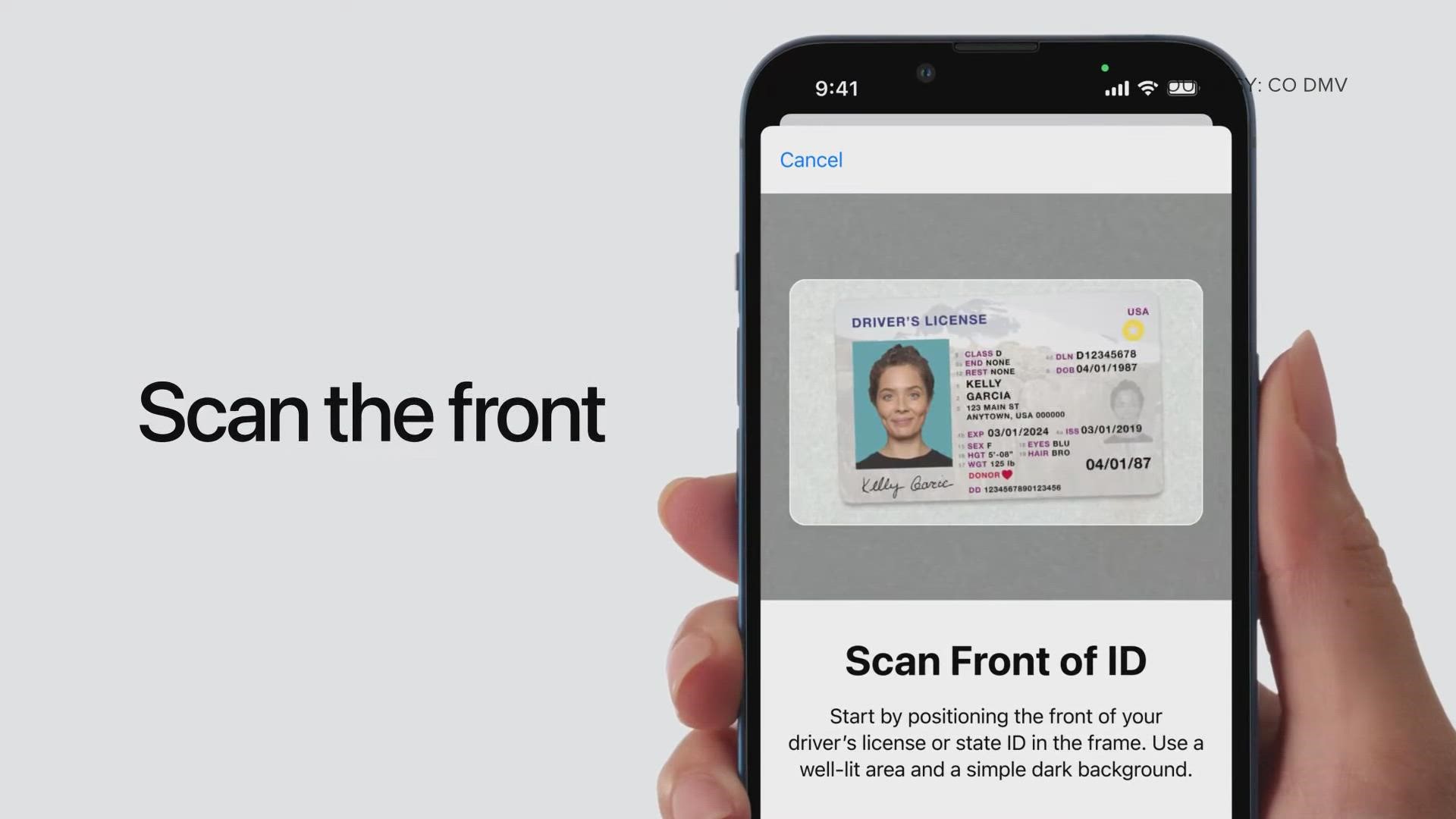
- Application Form: You may need to complete a short application form, though much of the information will be gathered from your provided documents.
- Photograph and Signature: Your photo will be taken for the ID card, and you will provide an electronic signature.
- Biometrics (if applicable): While not typically required for a standard ID, some specific circumstances might warrant additional biometric data.
Maintain a professional and patient demeanor, as DMV offices can be busy, even with appointments.
Fees and Payment
There is a fee associated with obtaining a Colorado State ID. The exact amount can vary slightly, so it’s advisable to check the current fee schedule on the Colorado DMV website before your visit. Generally, payments can be made using cash, check, money order, or credit/debit card (though some offices may have limitations or charge a convenience fee for card transactions). Factor this cost into your budget when planning your long-term move to Colorado.
What to Expect After Application
After successfully completing the application process and paying the fee, you will typically receive a temporary paper ID. Your permanent Colorado State ID card will then be mailed to your provided Colorado address within several weeks, usually within 10-14 business days. It is crucial to ensure the address provided is accurate and secure, as this is how your official identification will reach you. Until the permanent card arrives, the temporary ID, combined with another form of photo identification (like an old out-of-state ID or passport), can serve most immediate needs, particularly for identification purposes.
Special Considerations for New Colorado Residents
For those newly establishing a long-term presence in Colorado, a few additional considerations can make the process of getting a state ID smoother and more integrated into your overall relocation. Thinking ahead about these points can help streamline your transition and quickly solidify your status as a Colorado resident.
One significant aspect for new residents is transferring an out-of-state driver’s license. If you hold a valid driver’s license from another United States state and wish to continue driving in Colorado, you will typically need to obtain a Colorado driver’s license rather than a state ID. The process shares many similarities with obtaining an ID, often requiring similar proofs of identity, SSN, and residency. However, it also involves surrendering your out-of-state license. If you do not intend to drive, then a state ID is the appropriate choice. Be mindful that Colorado law generally requires new residents to obtain a Colorado driver’s license within 30 days of establishing residency, so planning this transition is critical if you drive.
Another practical tip for new long-term residents is to consider voter registration at the same time you apply for your state ID. The Colorado DMV typically offers the opportunity to register to vote or update your voter registration information during your ID or driver’s license application. This is an efficient way to fulfill another important civic responsibility as you settle into your new community and ensures you are ready to participate in local, state, and national elections.
Furthermore, if you’ve recently moved to Colorado and are still waiting for official mail at your new address to serve as proof of residency, try to expedite this process. For instance, promptly update your address with your bank, utilities, and employers. A valid rental agreement or mortgage statement, which you would likely have immediately upon securing long-term accommodation, is often the easiest and quickest form of residency proof for new arrivals. Understanding these nuances helps new residents to more effectively manage the administrative aspects of their long-term stay in Colorado, making the transition much less daunting and more efficient.
Maintaining Your Colorado State ID
Once you have your Colorado State ID, it serves as a cornerstone of your official identity within the state for the duration of its validity. However, like any official document, it requires periodic attention to remain current and accurate, particularly crucial for those committed to a long-term stay. Proactive management of your ID ensures uninterrupted access to services and continued ease in daily life.
The primary aspect of maintaining your ID is renewal. Colorado State IDs typically have an expiration date, often valid for a period of several years. The Colorado DMV usually sends a renewal notice to your address on file as the expiration date approaches. It’s important to keep your mailing address updated with the DMV to ensure you receive these notifications. Renewing your ID often requires a visit to the DMV, similar to the initial application process, though sometimes certain renewals can be completed online or by mail if you meet specific eligibility criteria, such as no changes to your personal information. Ensure you gather updated proof of residency and any other required documents for renewal to avoid any delays.
Another critical consideration is updating your information if it changes. If you move to a new address within Colorado, or if your name changes due to marriage, divorce, or a legal name change, you are required to update this information with the DMV in a timely manner. An out-of-date address on your ID can cause issues with mail delivery, voter registration, and other official communications, while an outdated name can lead to identity verification problems. Updating your address typically can be done online or in person, while a name change will almost always require an in-person visit with official legal documentation (e.g., marriage certificate, court order).
Finally, in the unfortunate event that your Colorado State ID is lost, stolen, or damaged, you should apply for a replacement as soon as possible. Reporting a lost or stolen ID can help protect against identity theft. A replacement ID can be obtained by visiting a DMV office, presenting proof of identity and paying a replacement fee. Having a valid, current Colorado State ID is an ongoing responsibility that underpins the stability and convenience of your long-term residence in the state, ensuring that your official identity is always recognized and functional for all your needs.
LifeOutOfTheBox is a participant in the Amazon Services LLC Associates Program, an affiliate advertising program designed to provide a means for sites to earn advertising fees by advertising and linking to Amazon.com. Amazon, the Amazon logo, AmazonSupply, and the AmazonSupply logo are trademarks of Amazon.com, Inc. or its affiliates. As an Amazon Associate we earn affiliate commissions from qualifying purchases.