
Navigating Your New Life in Colorado: The Essential Colorado State ID
Establishing roots in a new state like Colorado involves more than just finding a place to live or a new job; it requires integrating into the state’s administrative framework. A fundamental step in this process for many new residents is obtaining a Colorado State Identification Card. This seemingly simple document serves as a cornerstone for various essential activities, from proving your age for certain purchases to cashing checks, registering for local services, or even simply identifying yourself in official capacities.
While many might associate state IDs primarily with driving privileges, it’s crucial to understand that a Colorado State ID is distinct from a driver’s license. A driver’s license confers the privilege to operate a motor vehicle, whereas a state ID serves purely as proof of identity and residency for non-driving purposes. For individuals who do not drive, or those new to the state awaiting their driver’s license transfer, the state ID becomes an indispensable tool for navigating daily life. It’s especially valuable for young adults who haven’t yet obtained a driver’s license or for senior citizens who may no longer drive but still require official identification. Possessing a valid Colorado State ID streamlines interactions with banks, healthcare providers, educational institutions, and various government agencies, making your transition into Colorado life significantly smoother.
Eligibility and Documentation: What You Need to Know
Securing your Colorado State ID requires meticulous preparation, primarily involving the collection of specific documents that verify your identity, residency, and legal presence. The Colorado Division of Motor Vehicles (DMV) adheres to stringent federal and state guidelines, meaning there’s no room for guesswork. Having all necessary documents in order before your appointment will save considerable time and prevent repeat visits.
Proof of Identity
The DMV requires proof of your full legal name and date of birth. This typically involves presenting original documents, not photocopies.
- Primary Documents: These are typically sufficient on their own or with minimal supplemental documentation. Examples include an unexpired U.S. passport or passport card, an original or certified copy of a U.S. birth certificate (with a raised seal), a certificate of naturalization, or an unexpired foreign passport with a valid U.S. visa and I-94 form (for non-citizens).
- Secondary Documents: If primary documents are insufficient or unavailable, a combination of secondary documents may be accepted. These can include a valid out-of-state driver’s license or ID card, a U.S. military ID card, a Social Security Number (SSN) card, or an IRS W-2 form. It’s imperative to consult the official DMV website or contact them directly for the most current list, as acceptable document combinations can vary.
Proof of Social Security Number (SSN)
Applicants must provide proof of their Social Security Number (SSN). Acceptable documents include your original SSN card, a W-2 form, an IRS tax form (e.g., 1099), or a pay stub with your name and SSN clearly displayed. If you are not eligible for an SSN, you must present a letter from the Social Security Administration indicating your ineligibility.
Proof of Colorado Residency
To qualify for a Colorado State ID, you must demonstrate that you are a resident of the state. The DMV typically requires two different documents showing your name and current Colorado address. These documents must be dated within one year of your application. Examples include:
- Utility bills (electricity, water, gas, internet)
- A current lease agreement or mortgage statement
- Bank statements or credit card statements
- Mail from a federal, state, county, or city government agency
- Vehicle registration or title (if already transferred to Colorado)
- A pay stub with your current Colorado address
- School transcripts or enrollment documents
It’s crucial that these documents are originals or certified copies and clearly display your full name and current residential address in Colorado. P.O. boxes are generally not accepted as proof of residency.
Proof of Lawful Presence
For non-U.S. citizens, additional documentation is required to prove lawful presence in the United States. This includes an unexpired foreign passport with a valid U.S. visa, an I-94 arrival/departure record, an Employment Authorization Document (EAD card), a Permanent Resident Card (Green Card), or other documentation issued by the U.S. Citizenship and Immigration Services (USCIS). The validity of your lawful presence document will dictate the expiration date of your Colorado State ID.
The Application Process: Step-by-Step Guide
Once you have meticulously gathered all required documents, the application process for your Colorado State ID becomes a straightforward sequence of steps. Preparedness is the key to efficiency.
Making an Appointment
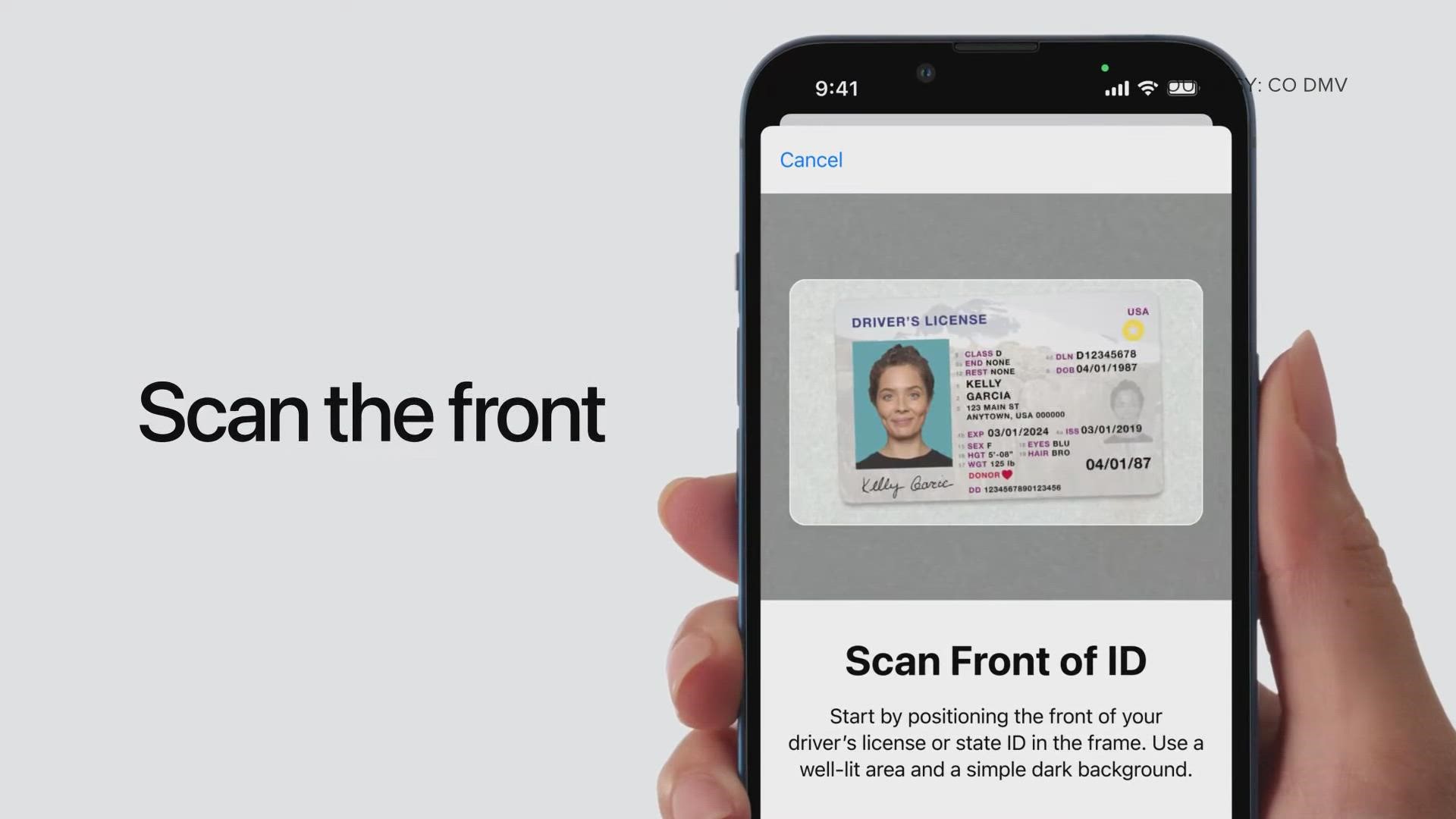
While some DMV services may be available on a walk-in basis, it is highly recommended to schedule an appointment for a Colorado State ID application. Appointments help reduce wait times and ensure you receive dedicated service. You can typically schedule an appointment through the official Colorado DMV website, where you can select a convenient location and time slot. Be mindful that popular locations or peak times might have limited availability, so plan ahead.
Preparing for Your DMV Visit
Before heading to your scheduled appointment, perform a final check of all your documents. Ensure they are originals and not expired. Confirm the current fee for a Colorado State ID card, which can be found on the DMV website. Most DMV offices accept cash, checks, credit cards, and debit cards, but it’s wise to verify accepted payment methods for your specific location. Arriving a little early can also help you gather your thoughts and ensure a calm approach.
At the DMV Office
Upon arrival, you will typically check in for your appointment. A DMV representative will call your number or name, at which point you will present all your collected documentation. They will review your identity, residency, and lawful presence proofs. You will then complete an application form, have your photo taken, and likely provide a fingerprint. Be prepared to answer questions regarding your eligibility and provide accurate information. This is also the point where you will pay the required fee.
Receiving Your ID
After successfully completing the application process, the DMV typically issues a temporary paper ID. This temporary document is valid for immediate use as proof of identity, though it may not be accepted in all situations (e.g., for air travel). Your permanent, hard-copy Colorado State ID card will then be mailed to your provided Colorado residential address, usually within 10-14 business days. It’s crucial to verify your mailing address before leaving the DMV office to avoid delays or misdelivery.
Special Considerations and Common Pitfalls
While the general process is outlined above, certain situations require specific attention to ensure a smooth application.
Minors and First-Time Applicants
For applicants under 18, parental or legal guardian consent is often required, typically in the form of a signed affidavit. The minor must also present proof of their identity and SSN, along with proof of their Colorado residency. It’s advisable for a parent or guardian to accompany the minor to the DMV appointment.
Lost or Stolen IDs
If your Colorado State ID is lost or stolen, you should report it to law enforcement if you suspect fraud or theft. To obtain a replacement, you will need to apply in person at a DMV office and present proof of identity and residency again, along with the applicable replacement fee. The process is similar to a first-time application, reinforcing the importance of keeping copies of your vital documents in a secure location.
Non-US Citizens and International Visitors
As mentioned, non-U.S. citizens must provide proof of lawful presence. The type of visa or immigration status determines the duration of validity for the state ID. It’s imperative to have all current and unexpired immigration documents, including I-94 records, available. The DMV adheres strictly to federal guidelines for verifying legal status.
REAL ID Compliance
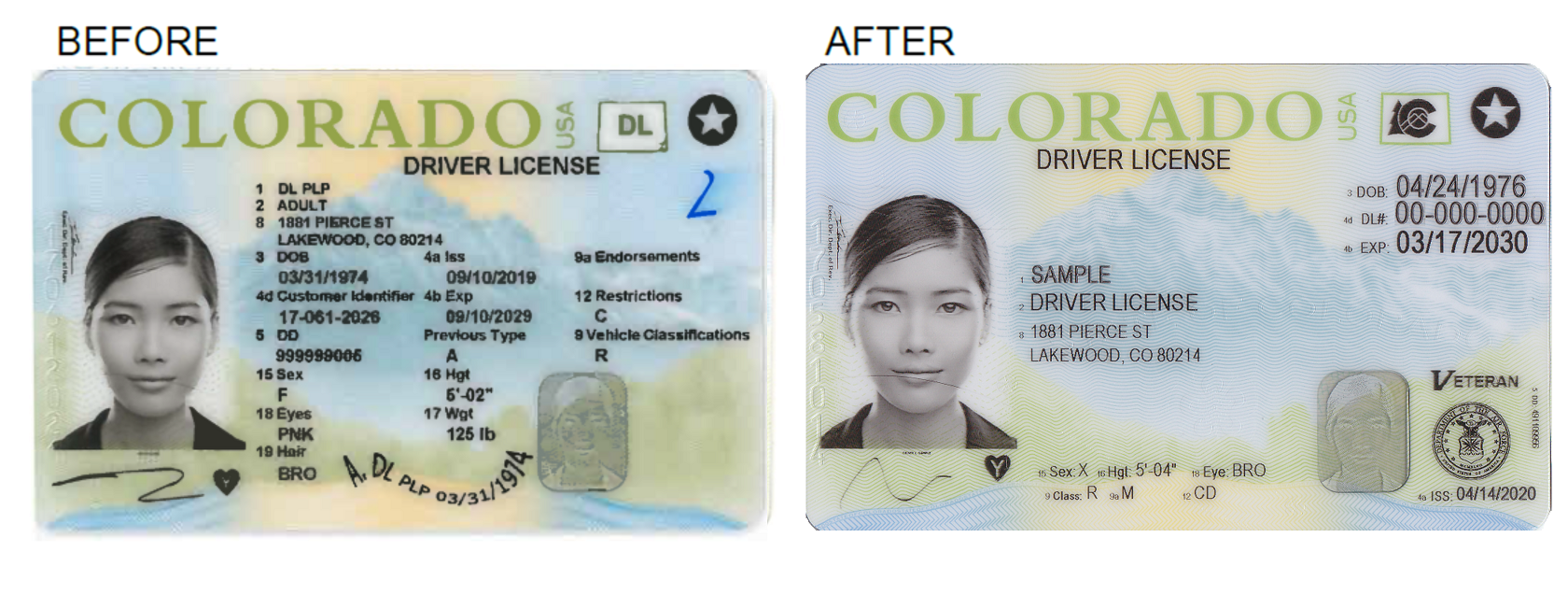
Colorado issues REAL ID compliant state IDs, which are identifiable by a star in the upper right corner. The REAL ID Act is a federal law that establishes minimum security standards for state-issued driver’s licenses and identification cards. Starting May 7, 2025 (or as adjusted by federal extension), a REAL ID compliant document will be required for federal purposes, such as boarding domestic flights or entering federal facilities. When applying for your Colorado State ID, ensure you bring the necessary documentation (Proof of Identity, SSN, and Colorado Residency) to obtain a REAL ID compliant card, even if you don’t plan to travel immediately.

Beyond the ID: Establishing Your Life in Colorado
Obtaining your Colorado State ID is more than just a bureaucratic hurdle; it is a foundational step in truly embedding yourself in your new environment. This card is frequently requested when opening a new bank account in Colorado, applying for local employment, registering children for school, or accessing community services and libraries. It serves as your official stamp of residency, often a prerequisite for receiving in-state tuition rates, voting registration, and obtaining various permits or licenses specific to Colorado.
By successfully acquiring your state ID, you unlock greater ease in navigating the practicalities of daily living. It streamlines interactions with local businesses and government agencies, minimizing potential friction and delays. Beyond the practicalities, it signifies a tangible connection to your new home, empowering you to fully engage with and enjoy all that the beautiful state of Colorado has to offer. This foundational document allows you to shift your focus from administrative tasks to exploring the vibrant local culture, stunning natural attractions, and diverse lifestyle opportunities that define Colorado.
LifeOutOfTheBox is a participant in the Amazon Services LLC Associates Program, an affiliate advertising program designed to provide a means for sites to earn advertising fees by advertising and linking to Amazon.com. Amazon, the Amazon logo, AmazonSupply, and the AmazonSupply logo are trademarks of Amazon.com, Inc. or its affiliates. As an Amazon Associate we earn affiliate commissions from qualifying purchases.