
Colorado beckons with its snow-capped peaks, vibrant cities, and endless outdoor adventures, making it a premier destination for travelers. Whether you’re planning to navigate its scenic byways yourself, embark on a multi-day backcountry excursion, or cast a line in its pristine rivers, understanding the permit system is crucial for a smooth and enjoyable experience. This guide will walk you through the various permits you might need, ensuring you’re well-prepared for your Colorado journey.
Navigating Driver’s Permits in Colorado
For many visitors and new residents, the first permit on their minds is one that grants the ability to drive. While a standard driver’s license from another state or country is often sufficient for visitors, individuals planning to reside in Colorado or those new to driving will need to obtain a Colorado driver’s permit. This section primarily focuses on the learner’s permit, a foundational step toward getting a Colorado driver’s license, which is essential for independent travel and exploration within the state.
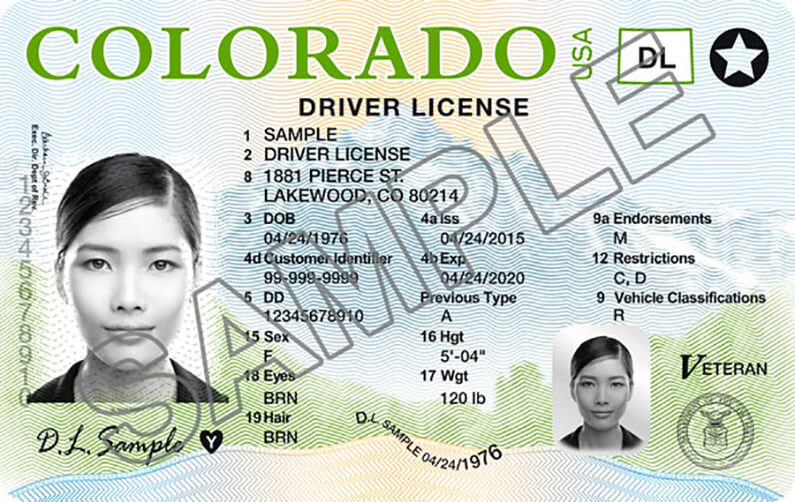
Obtaining a Colorado Learner’s Permit
The Colorado Division of Motor Vehicles (DMV) is responsible for issuing learner’s permits. This permit allows individuals to practice driving under the supervision of a licensed adult, preparing them for the driver’s license test.
Eligibility and Requirements:
- Age: Applicants must be at least 15 years old.
- Identification: You’ll need to provide proof of identity (e.g., birth certificate, passport), proof of Social Security number (SSN), and proof of Colorado residency (e.g., utility bill, lease agreement). Specific documentation requirements are detailed on the DMV website, and it’s wise to review them thoroughly before your visit.
- Written Exam: All applicants must pass a written knowledge test covering Colorado traffic laws and road signs. This test can often be taken online or at a DMV office. Study guides are readily available through the DMV.
- Vision Screening: A basic vision test is required to ensure you meet the minimum visual acuity standards for driving.
- Application Fee: There is a non-refundable fee associated with the permit application.
The Application Process:
- Gather Documents: Collect all necessary identification, residency, and SSN verification documents.
- Pass Written Test: Take and pass the written knowledge test. Many applicants choose to do this online beforehand to save time at the DMV.
- Visit a DMV Office: Schedule an appointment online if possible, as walk-in availability can be limited. Bring all your documents and a parent/guardian if you are under 18.
- Vision Test & Photo: Complete the vision screening and have your photo taken for the permit.
- Pay Fee: Pay the required permit fee.
Once issued, a learner’s permit allows you to drive only when accompanied by a licensed driver who is at least 21 years old and seated in the passenger seat next to you. This supervised driving experience is critical for gaining the skills and confidence needed to navigate Colorado’s diverse driving conditions, from bustling city streets in Denver to winding mountain roads near Vail or Aspen.
Permits for Colorado’s Majestic Outdoors
Colorado’s identity is deeply intertwined with its stunning natural landscapes, from the iconic Rocky Mountain National Park to vast wilderness areas and expansive state parks. To preserve these treasures and manage visitor impact, various permits are required for certain activities and access points. Understanding these is vital for any traveler planning to immerse themselves in Colorado’s natural beauty.
National Park Service (NPS) Permits
Several of Colorado’s most famous attractions fall under the jurisdiction of the National Park Service (NPS), including Rocky Mountain National Park, Great Sand Dunes National Park and Preserve, and Mesa Verde National Park.
- Entrance Fees: Most national parks have an entrance fee, which can be paid upon arrival or via a park pass (like the America the Beautiful Pass). While not strictly a “permit,” this fee grants you access.
- Timed Entry Permits: During peak seasons, popular parks like Rocky Mountain National Park may implement a timed entry permit system. This requires visitors to reserve a specific entry window in advance. These permits are crucial for managing congestion and ensuring a quality experience. Check the official NPS website for the specific park you plan to visit to determine if a timed entry permit is required for your travel dates.
- Backcountry/Wilderness Permits: If you plan on camping overnight in the backcountry of a national park, you will almost certainly need a wilderness permit. These permits regulate the number of people in specific zones to protect fragile ecosystems. Application processes vary but often involve an online lottery system or in-person application at a park visitor center. Plan well in advance, especially for popular trails or dates.
U.S. Forest Service & Bureau of Land Management (BLM) Permits

Beyond national parks, vast tracts of land in Colorado are managed by the U.S. Forest Service (USFS) and the Bureau of Land Management (BLM). These lands offer incredible opportunities for dispersed camping, hiking, mountain biking, and off-highway vehicle (OHV) use.
- Wilderness Permits: Similar to national parks, certain designated wilderness areas, such as the Indian Peaks Wilderness near Boulder, require permits for overnight stays. These are typically obtained through the local USFS district office or an online reservation system.
- Camping Permits: While dispersed camping is often free on USFS and BLM lands, developed campgrounds usually require a fee and sometimes a reservation, especially during peak season. These are often reservable via sites like Recreation.gov.
- Special Recreation Permits: For larger groups, organized events, or certain commercial activities on public lands, a special recreation permit may be necessary.
- Christmas Tree Permits: A unique permit offered by the USFS allows individuals to harvest a Christmas tree from specific national forests like Pike National Forest or San Juan National Forest, offering a memorable Colorado winter experience.
Colorado Parks and Wildlife (CPW) Permits
The Colorado Parks and Wildlife (CPW) agency manages state parks, wildlife areas, and regulates hunting and fishing licenses.
- State Park Pass: To enter any Colorado State Park, you need a pass. This can be a daily pass purchased at the gate, an annual pass, or an “Affordable Colorado Parks” pass available with vehicle registration.
- Hunting & Fishing Licenses: If angling or hunting is part of your Colorado travel plans, you’ll need the appropriate license from CPW. Licenses are generally available online, at CPW offices, or through authorized vendors. Specific seasons, bag limits, and regulations apply, and it’s essential to understand these before embarking on your activity.
- Boating Registration: All motorized boats and sailboats over 16 feet used on public waters in Colorado must be registered with CPW.
Specialized Permits for Unique Colorado Experiences
Beyond general driving and outdoor access, certain specialized activities in Colorado may require specific permits to ensure safety, environmental protection, or equitable access.
Off-Highway Vehicle (OHV) Permits
Colorado boasts an extensive network of trails for off-highway vehicles (OHVs), including ATVs, dirt bikes, and 4×4 vehicles. To legally operate an OHV on designated public lands in Colorado, you need an OHV registration permit. This permit helps fund trail maintenance and education programs. Permits are available through CPW and can be purchased online or from vendors across the state. Out-of-state OHV registrations are recognized if they meet certain criteria, but an additional Colorado OHV permit sticker is often required for use within the state. Always ride on designated trails and adhere to local regulations in areas like Grand Junction or Durango.
Commercial Guiding Permits
If your travel involves hiring a professional guide for activities like whitewater rafting, rock climbing, hunting, or fishing, ensure your chosen outfitter possesses the necessary commercial permits. These permits are issued by federal agencies (like USFS or BLM) or state entities (CPW) and verify that the guide meets safety standards, has insurance, and operates legally on public lands. Reputable outfitters will prominently display or be able to provide proof of their permits.

Essential Tips for Permit Applications
Navigating the various permit systems in Colorado can seem complex, but with a little planning, it’s a straightforward process that enhances your travel experience.
- Plan Ahead, Especially for Popular Destinations: Many permits, particularly for backcountry camping or timed entry into national parks, are limited and can sell out months in advance. Research permit requirements for your specific destinations and activities as soon as your travel dates are firm.
- Check Official Websites: Always consult the official websites of the relevant agencies (Colorado Division of Motor Vehicles, National Park Service, U.S. Forest Service, Bureau of Land Management, Colorado Parks and Wildlife) for the most up-to-date information on requirements, fees, and application procedures. Regulations can change seasonally or yearly.
- Carry Your Permits: Once obtained, keep your permits accessible, either printed or digitally on your phone. Park rangers or land managers may request to see them.
- Understand the Rules: A permit isn’t just a piece of paper; it comes with rules and regulations designed to protect the environment and ensure safety. Familiarize yourself with these guidelines, especially for wilderness areas where “Leave No Trace” principles are paramount.
- Consider an America the Beautiful Pass: If you plan to visit multiple national parks or federal recreation areas in Colorado and beyond, an America the Beautiful Pass can be a cost-effective way to cover entrance fees for a year.
- Be Patient and Persistent: Some online permit systems can be competitive, especially for highly sought-after permits in places like Rocky Mountain National Park or for specific backcountry zones. If you don’t succeed on your first attempt, consider adjusting your dates or trying for less popular areas.
By diligently acquiring the necessary permits, you’ll not only comply with Colorado regulations but also contribute to the preservation of its extraordinary natural and cultural heritage. Armed with your permits, you’re ready to explore all that the Centennial State has to offer, from the bustling streets of Denver to the serene trails of Breckenridge and beyond.
LifeOutOfTheBox is a participant in the Amazon Services LLC Associates Program, an affiliate advertising program designed to provide a means for sites to earn advertising fees by advertising and linking to Amazon.com. Amazon, the Amazon logo, AmazonSupply, and the AmazonSupply logo are trademarks of Amazon.com, Inc. or its affiliates. As an Amazon Associate we earn affiliate commissions from qualifying purchases.