
Embracing the Entrepreneurial Lifestyle in Colorado
For many individuals pursuing a flexible, self-directed professional path, establishing a Limited Liability Company (LLC) is a pivotal step. Colorado, with its vibrant economy, stunning natural beauty, and progressive business environment, has emerged as a particularly attractive destination for entrepreneurs seeking to integrate their work with a desirable lifestyle. Whether you’re a digital nomad, a consultant managing remote clients, or an investor in short-term rental properties, forming an LLC in the Centennial State can provide significant advantages, offering both personal asset protection and operational flexibility that aligns seamlessly with a modern entrepreneurial ethos.
Why the Centennial State Appeals to Business Owners
Colorado’s appeal to business owners extends beyond its picturesque landscapes and outdoor recreation opportunities. The state boasts a robust economy, driven by innovation, technology, and a thriving tourism sector. Major cities like Denver, Boulder, and Fort Collins are hubs of entrepreneurial activity, fostering a supportive ecosystem for startups and established businesses alike. The state government is generally pro-business, with straightforward registration processes and a commitment to fostering economic growth. This favorable environment makes Colorado an ideal backdrop for individuals looking to formally establish their ventures while maintaining a dynamic lifestyle that might involve frequent travel or operating from diverse locations. The ease of doing business here complements a lifestyle focused on autonomy and personal well-being.
LLCs for Flexibility and Business Stays
An LLC is particularly well-suited for entrepreneurs who prioritize flexibility, especially those whose lifestyle involves frequent business travel or managing assets that facilitate such travel, like vacation rentals. By separating your personal assets from your business liabilities, an LLC offers crucial protection, safeguarding your home, savings, and other personal holdings should your business face legal challenges or debt. This security provides peace of mind, allowing you to focus on growth and innovation, whether you’re working from a mountain retreat, a co-working space in Denver, or even while on an extended business stay elsewhere. Furthermore, the pass-through taxation structure of an LLC means profits and losses are reported on your personal income tax return, avoiding the “double taxation” sometimes associated with corporations, which can be a significant advantage for small business owners and solo entrepreneurs. This operational simplicity aligns perfectly with a lifestyle that values efficiency and minimizes administrative burdens.
Navigating the Formation Process: Your Colorado LLC Checklist
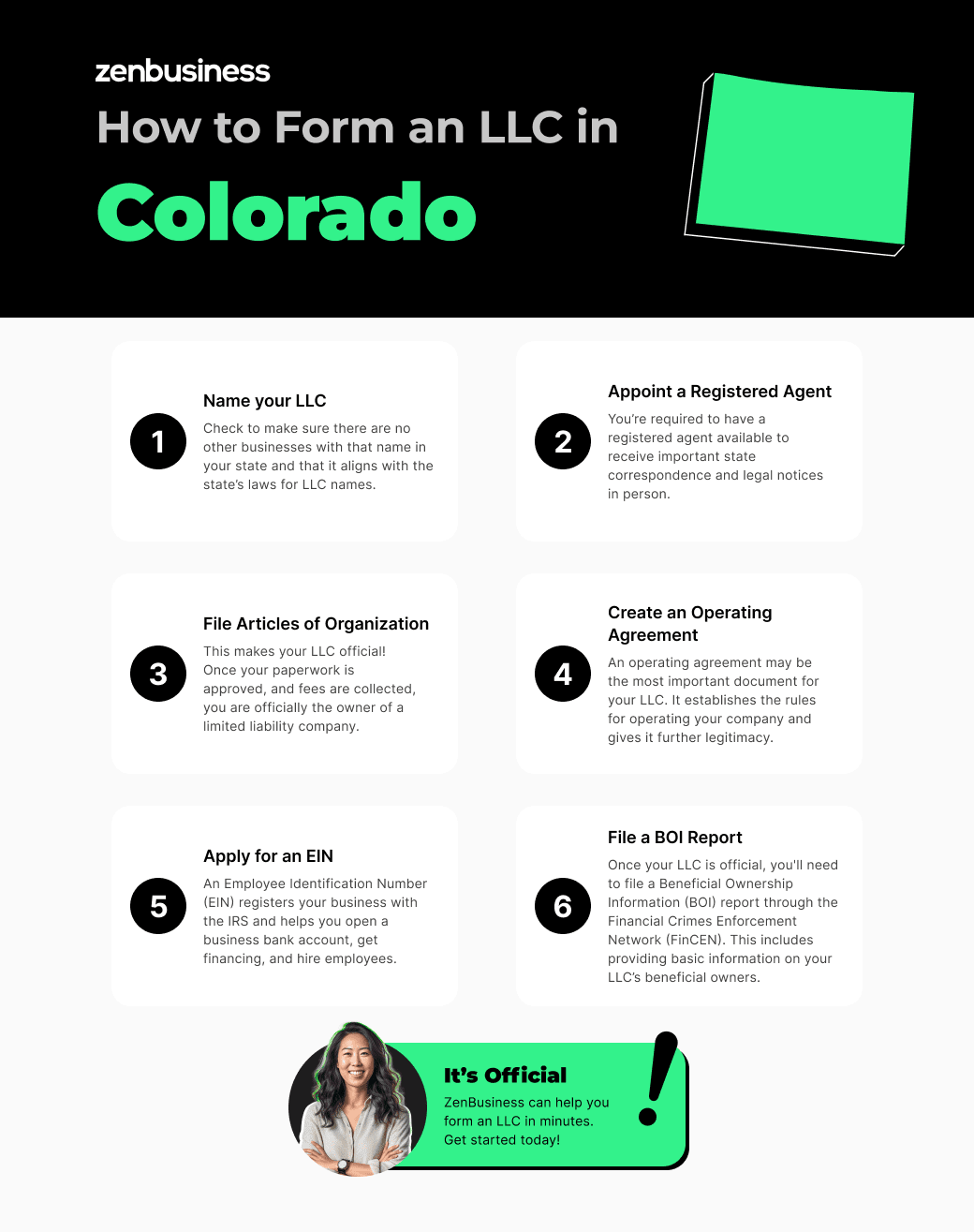
Establishing an LLC in Colorado is a streamlined process, primarily managed through the Colorado Secretary of State‘s office. Understanding each step ensures a smooth launch for your entrepreneurial venture, laying the groundwork for a compliant and successful operation that supports your desired lifestyle.
Choosing a Unique Business Name
The first critical step is selecting a unique and compliant name for your LLC. In Colorado, your chosen name must include “Limited Liability Company,” “LLC,” or “L.L.C.” It must also be distinguishable from the names of other entities already registered with the Colorado Secretary of State. You can perform a preliminary name availability search on the Secretary of State’s website to ensure your desired name is not already in use. Once you confirm availability, you may want to reserve your name for up to 120 days by filing a Statement of Reservation of Name, giving you time to complete the rest of the formation process without worrying about someone else claiming your chosen moniker. This foundational decision sets the professional tone for your business and should reflect your brand and the lifestyle it supports.
Appointing a Registered Agent
Every LLC in Colorado is legally required to appoint a Registered Agent. This individual or entity must have a physical street address in Colorado (not a P.O. Box) and be available during regular business hours to accept legal documents and official correspondence on behalf of your LLC. The Registered Agent plays a crucial role in ensuring your business remains compliant and receives important notifications promptly. You can serve as your own Registered Agent if you meet the requirements, or you can hire a professional Registered Agent service. Using a professional service is often advisable, especially for entrepreneurs who travel frequently or operate remotely, as it ensures continuous coverage and helps maintain privacy by keeping your personal address off public records.
Filing the Articles of Organization
The formal creation of your Colorado LLC is accomplished by filing the Articles of Organization with the Colorado Secretary of State. This document is relatively simple and requires essential information such as the LLC’s name, the name and address of its Registered Agent, and the names and addresses of the LLC’s organizers. The filing can be completed online through the Secretary of State’s website, which is typically the fastest and most convenient method. There is a filing fee associated with the Articles of Organization. Once approved, your LLC officially exists, marking a significant milestone in your entrepreneurial journey and enabling you to move forward with your business operations and chosen lifestyle with legal backing.

Essential Post-Formation Steps for a Smooth Business Journey
After your Colorado LLC is officially formed, several critical steps remain to ensure its proper functioning and compliance. These post-formation tasks are essential for maintaining the legal integrity of your business and supporting the seamless integration of your professional endeavors with your personal lifestyle.
Crafting Your Operating Agreement
While not legally required to be filed with the Colorado Secretary of State, an Operating Agreement is arguably the most important internal document for your LLC. This legal agreement outlines the ownership structure, member responsibilities, capital contributions, profit and loss distribution, management structure, and procedures for decision-making. For multi-member LLCs, it clarifies relationships and prevents disputes. Even for a single-member LLC, an Operating Agreement demonstrates the separate existence of the business, bolstering the liability protection shield and helping maintain proper business formalities, especially if facing scrutiny from creditors or the IRS. A well-drafted Operating Agreement provides clarity and structure, vital for any entrepreneur committed to a sustainable business lifestyle.
Obtaining an EIN from the IRS
Almost all LLCs, especially those with more than one member or those that plan to hire employees, will need an Employer Identification Number (EIN) from the IRS. This nine-digit number acts as a federal tax ID for your business, similar to a Social Security number for an individual. You’ll need an EIN to open a business bank account, file federal and state tax returns, and handle payroll. Applying for an EIN is free and can be done online directly through the IRS website. This step is crucial for establishing your LLC as a distinct financial entity, separating business finances from personal ones, a cornerstone of responsible entrepreneurial living.
Complying with State and Local Regulations
Beyond federal requirements, your Colorado LLC may need to comply with specific state and local regulations depending on its industry and location. This could involve obtaining various business licenses and permits, especially if your business operates in a regulated field or has a physical presence in a particular city or county. For example, a short-term rental business in Boulder will have different licensing requirements than a consulting firm in Denver or an online retail business based out of Fort Collins. Researching these obligations early can prevent future compliance issues and ensure your business operates legally within the framework of your chosen Colorado lifestyle.
Sustaining Your Colorado LLC: Annual Filings and Best Practices
Forming your LLC is just the beginning. Sustaining its legal standing and ensuring its long-term success requires ongoing attention to compliance and sound business practices. For entrepreneurs who value peace of mind and operational efficiency, integrating these best practices into their routine is key to a flourishing business lifestyle in Colorado.
Understanding the Periodic Report
Colorado LLCs are required to file an annual Periodic Report with the Colorado Secretary of State. This report updates the state with current information about your LLC, such as its principal office address, the name and address of its Registered Agent, and the names of its managers or members. The report is due annually during a specific filing period, which typically falls within the anniversary month of your LLC’s formation. Missing this filing can lead to administrative dissolution of your LLC, so it’s vital to mark your calendar and ensure timely submission. This regular check-in ensures your business remains in good standing, safeguarding your professional and personal assets.
Maintaining Separate Finances
One of the foundational principles of an LLC’s liability protection is the strict separation of business and personal finances. This means opening a dedicated business bank account and using it exclusively for all business-related transactions. Commingling funds—mixing personal and business money—can lead to “piercing the corporate veil,” where a court might disregard your LLC’s limited liability protection and hold you personally responsible for business debts. Maintaining meticulous records, separating expenditures, and documenting all financial activities are not just good business practices but essential for preserving the legal benefits of your LLC and supporting a clear financial picture for your entrepreneurial lifestyle.

Professional Guidance for Peace of Mind
While setting up an LLC in Colorado is relatively straightforward, navigating the nuances of legal compliance, taxation, and ongoing regulatory requirements can be complex. Consulting with a qualified attorney or accountant specializing in small business formation and operation can provide invaluable guidance. These professionals can help draft a robust Operating Agreement, advise on specific licensing needs, ensure tax compliance, and offer strategic insights that align with your long-term business and lifestyle goals. Investing in professional advice can save time, prevent costly mistakes, and provide the peace of mind necessary to fully embrace the dynamic and rewarding entrepreneurial lifestyle Colorado offers. By establishing a solid legal foundation, you empower yourself to focus on what truly matters: building a successful business that complements your personal aspirations and allows for the freedom and flexibility you seek.
LifeOutOfTheBox is a participant in the Amazon Services LLC Associates Program, an affiliate advertising program designed to provide a means for sites to earn advertising fees by advertising and linking to Amazon.com. Amazon, the Amazon logo, AmazonSupply, and the AmazonSupply logo are trademarks of Amazon.com, Inc. or its affiliates. As an Amazon Associate we earn affiliate commissions from qualifying purchases.