
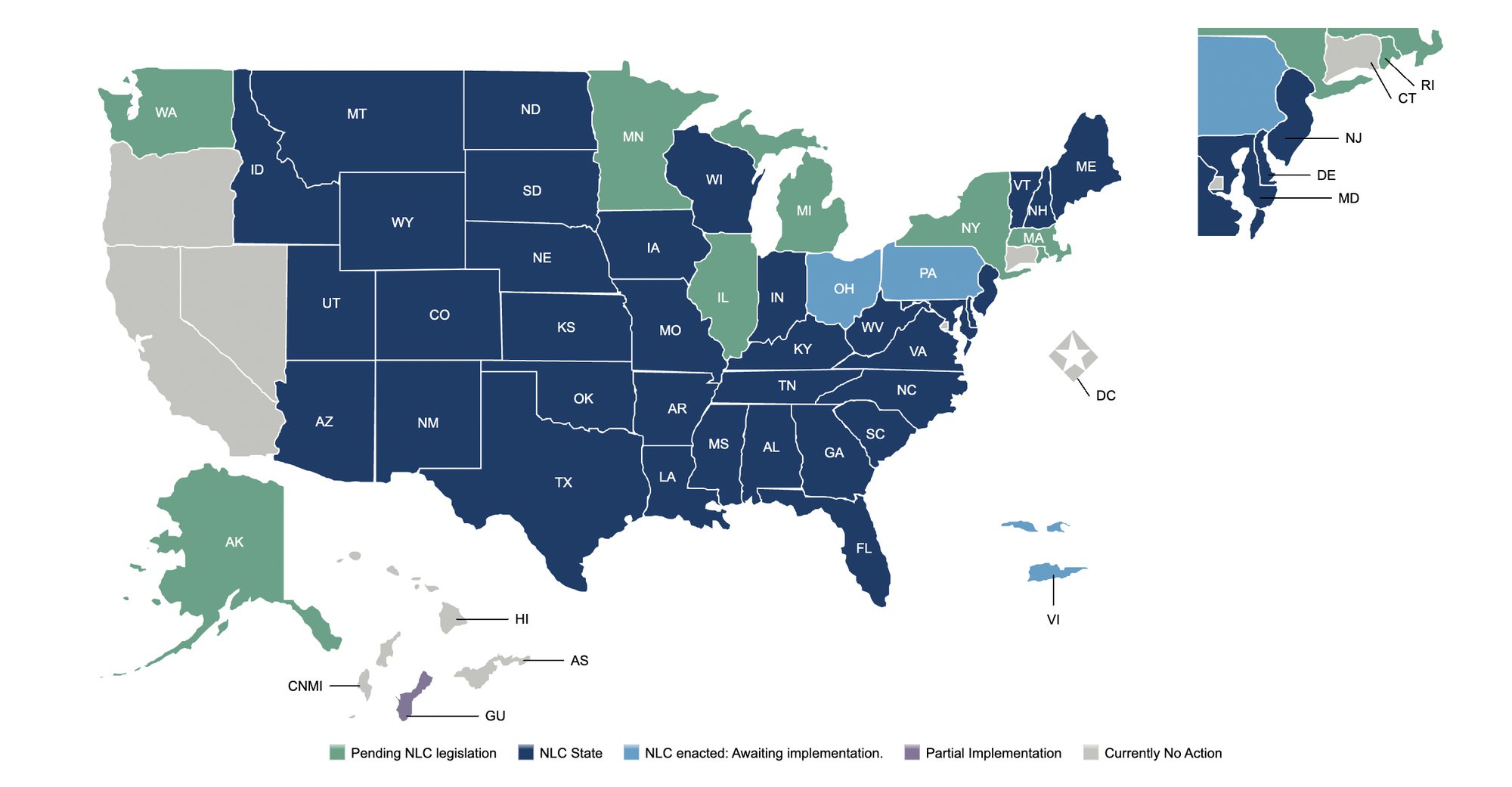
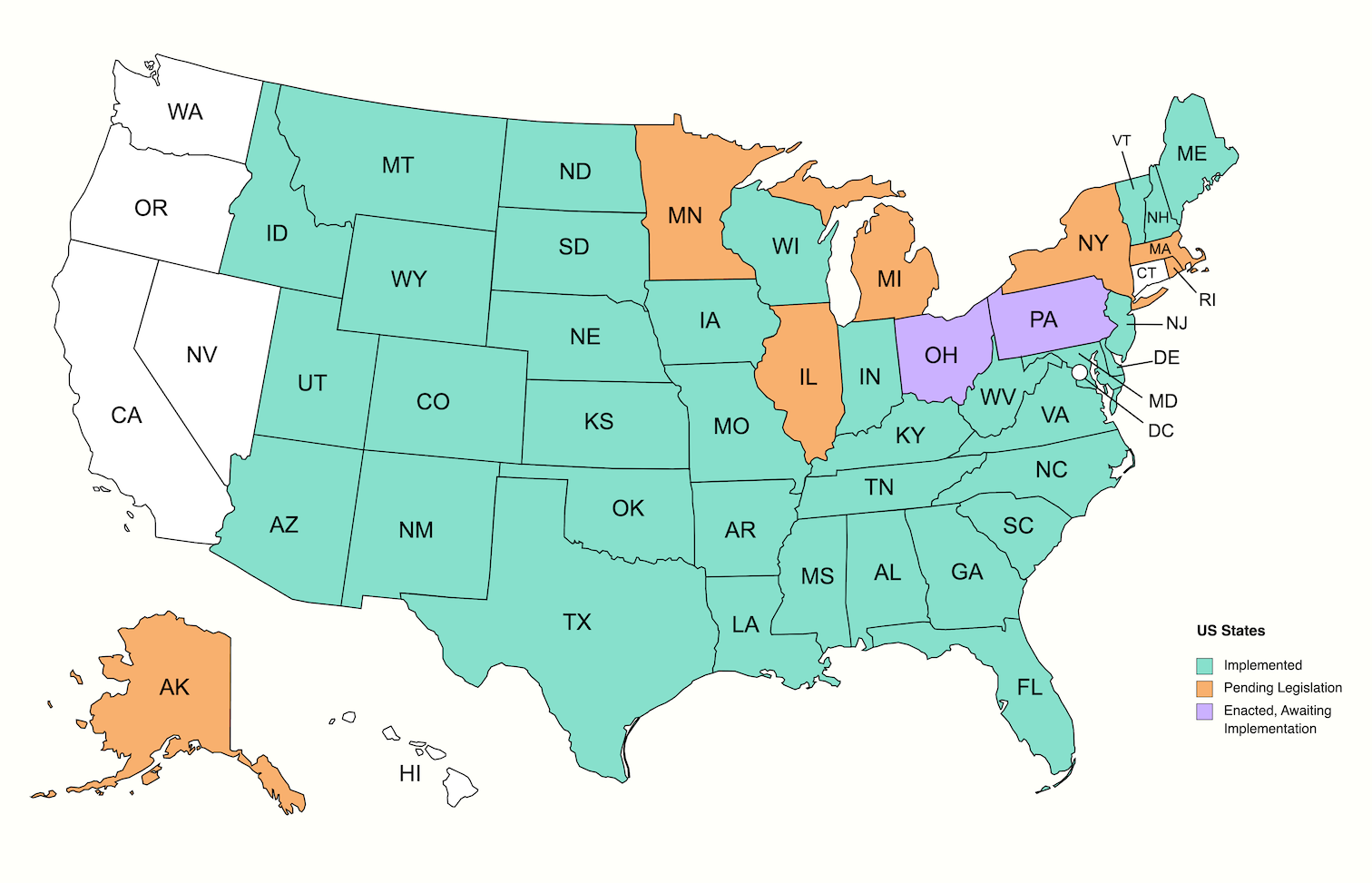
The question of whether Colorado is a “compact state” is one that often arises in discussions about land use, development, and environmental regulations within the Centennial State. While the term “compact state” doesn’t hold a formal legal definition in the context of land ownership or zoning in Colorado, it can be understood through the lens of the state’s diverse geography, its planning initiatives, and the underlying principles that guide its development patterns. This exploration delves into what a “compact state” might imply for Colorado, examining its geographical characteristics, its approach to urban growth, and the broader implications for its residents and visitors.
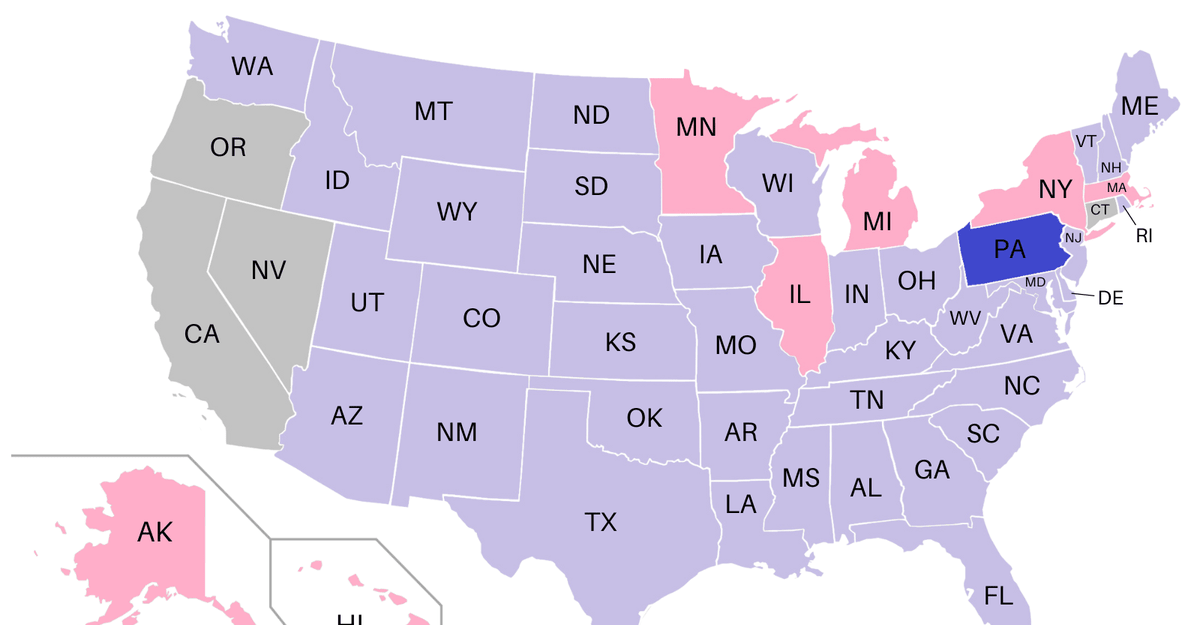
Understanding “Compact State” in a Colorado Context
In urban planning and land use discourse, a “compact state” generally refers to a region characterized by dense population centers, efficient use of land, and a focus on infill development rather than sprawling outward expansion. This model prioritizes walkability, mixed-use neighborhoods, and accessible public transportation. Applying this concept to Colorado requires acknowledging the state’s unique challenges and opportunities.
Geographical Realities and Population Distribution
Colorado’s geography is a significant factor in how development occurs. The majestic Rocky Mountains create natural barriers and dictate where human settlements can most readily take root. The majority of Colorado’s population resides along the Front Range urban corridor, a relatively narrow band of land east of the mountains stretching from Fort Collins in the north to Colorado Springs in the south, with Denver as its central hub. This concentration of people in a specific geographic area could be seen as a step towards a more compact development pattern, at least within this major corridor.
However, the state also features vast expanses of rural land, agricultural areas, and protected natural landscapes. The presence of national parks, national forests, and wilderness areas limits development and preserves significant portions of Colorado in a pristine state. This inherent geographic structure naturally encourages a degree of compactness in the areas where most people live and work, while simultaneously safeguarding large natural regions.
Urban Planning and Growth Management
Colorado’s approach to urban planning and growth management plays a crucial role in shaping its development. Many cities and counties in the state have adopted comprehensive plans that aim to guide future growth in a sustainable and efficient manner. These plans often include strategies to:
- Promote Infill Development: Encouraging development within existing urban areas to utilize existing infrastructure and reduce pressure on undeveloped land.
- Encourage Mixed-Use Development: Creating neighborhoods where residential, commercial, and recreational spaces are integrated, reducing the need for long commutes.
- Invest in Public Transportation: Expanding and improving transit systems to offer viable alternatives to private vehicle use.
- Preserve Open Space: Implementing policies to protect agricultural lands, natural habitats, and recreational areas from development.
These initiatives, often driven by concerns about sprawl, environmental protection, and the efficient provision of public services, align with the principles of a compact development model. Cities like Boulder, with its strict growth boundaries and commitment to open space, are often cited as examples of communities striving for a more compact and sustainable future. Even rapidly growing metropolitan areas like the Denver metro region are increasingly focusing on transit-oriented development and higher-density housing options within established urban cores.
The Challenge of Sprawl
Despite these planning efforts, Colorado has not been immune to the challenges of urban sprawl. As the population has grown, particularly in the Front Range corridor, development has extended outwards, leading to increased vehicle miles traveled, loss of agricultural land, and greater demands on infrastructure. The allure of larger properties and the perceived affordability of land on the urban fringe have contributed to this pattern.
The term “compact state” then, for Colorado, becomes less about a uniform density across the entire state and more about the intent and practice of managing growth within its developing areas. It signifies a recognition that unchecked outward expansion is unsustainable and that prioritizing efficient land use and concentrated development is essential for the state’s long-term well-being.
Characteristics of a Compact Colorado
If we were to envision Colorado as leaning towards a “compact state” model, certain characteristics would be more prominent. These characteristics not only influence the daily lives of residents but also shape the experience for visitors exploring the state’s diverse offerings.
Vibrant Urban Centers and Walkable Neighborhoods
In a more compact Colorado, cities and towns would feature robust, walkable downtown areas. These centers would be characterized by a mix of businesses, restaurants, cultural institutions, and residential units, fostering a lively atmosphere. Neighborhoods would be designed to encourage pedestrian activity, with sidewalks, street trees, and convenient access to local amenities.
Think of the revitalized LoDo (Lower Downtown) district in Denver, with its historic brick buildings now housing vibrant restaurants, breweries, and shops, all easily explorable on foot. Or consider the charming downtowns of smaller cities like Estes Park, which serve as gateways to natural wonders like Rocky Mountain National Park but also offer a distinct community experience with local shops and eateries. These areas exemplify the type of concentrated, human-scale development that contributes to a compact feel.
Efficient Transportation Networks
A hallmark of a compact state is an efficient and integrated transportation system. This would involve a strong emphasis on public transit, including light rail, bus systems, and commuter trains, connecting residential areas to employment centers, commercial districts, and recreational attractions. Beyond public transport, a compact model would also support cycling infrastructure, pedestrian pathways, and policies that discourage excessive reliance on single-occupancy vehicles.
The Regional Transportation District (RTD) in the Denver metropolitan area is a prime example of Colorado’s efforts to build such a network. The A-Line connecting Denver International Airport to Union Station, and the growing network of light rail lines, are crucial components in moving people efficiently within this densely populated corridor. This reduces traffic congestion and makes destinations more accessible without a car, aligning with the compact ideal.
Preservation of Open Space and Natural Resources
Crucially, a compact development approach in Colorado does not necessitate the abandonment of its natural beauty. Instead, it often goes hand-in-hand with robust efforts to preserve open space, agricultural lands, and sensitive ecosystems. By concentrating development in designated areas, more land can be set aside for conservation, recreation, and ecological preservation.
Colorado is fortunate to have a strong tradition of land conservation. Organizations like The Nature Conservancy and local land trusts work diligently to protect valuable landscapes. Furthermore, the state’s commitment to establishing and maintaining its extensive system of state parks and national parks ensures that natural wonders remain accessible for generations to come. This careful balance between development and preservation is key to maintaining the quality of life that draws people to Colorado.
Sustainable Development Practices
In a compact Colorado, sustainable development practices would be woven into the fabric of planning and construction. This would include promoting energy-efficient buildings, utilizing renewable energy sources, implementing effective waste management and recycling programs, and encouraging water conservation. These practices contribute to a lower environmental footprint for communities, making them more resilient and livable.
Many new developments in Colorado are increasingly incorporating green building standards and sustainable design principles. From the use of recycled materials to the installation of solar panels, there is a growing awareness and adoption of practices that support a more environmentally conscious approach to growth.
Implications for Tourism and Travel in Colorado
The concept of a “compact state” has significant implications for how tourism and travel unfold in Colorado. When development is managed with a focus on concentration and efficiency, it can enhance the visitor experience in several ways.
Enhanced Accessibility to Attractions
A more compact development pattern, particularly in the Front Range corridor, can lead to better accessibility for tourists. With improved public transportation networks connecting major cities and attractions, visitors might find it easier and more convenient to explore without the need for a rental car. This is particularly beneficial for those visiting popular urban destinations or traveling between them for various experiences.
For instance, a visitor arriving at Denver International Airport could seamlessly travel via the A-Line to downtown Denver, access hotels, and then use the light rail to reach venues like the Ball Arena or the Denver Art Museum. This kind of integrated travel system reduces the logistical hurdles of exploring a new place.
Preservation of Natural Beauty for Exploration
The emphasis on preserving open spaces and natural resources, which often accompanies compact development strategies, directly benefits tourism. Colorado’s world-renowned natural landscapes, from the rugged peaks of the Rocky Mountains to the unique geological formations of the Western Slope, remain accessible and pristine for outdoor enthusiasts.
Visitors seeking adventure can find abundant opportunities for hiking in Rocky Mountain National Park, skiing at resorts like Aspen Snowmass or Vail Resorts, or exploring the dramatic canyons of the Black Canyon of the Gunnison National Park. The commitment to safeguarding these areas ensures that the natural wonders that draw millions of visitors annually are protected for future enjoyment.
Unique Cultural and Culinary Experiences
Compact, mixed-use neighborhoods foster vibrant local cultures and culinary scenes. When development is concentrated, it often leads to the creation of distinct districts with unique character, housing a variety of shops, restaurants, galleries, and performance spaces. This creates rich opportunities for visitors to immerse themselves in local life.
Exploring neighborhoods like Denver’s RiNo (River North) Art District, with its vibrant street art, craft breweries, and trendy eateries, offers a concentrated dose of contemporary Colorado culture. Similarly, the historic downtowns of towns like Telluride or Durango provide charming settings for experiencing regional history, local crafts, and distinct culinary traditions.
Challenges for Rural Tourism
While a compact development model can enhance urban and corridor tourism, it’s important to acknowledge potential challenges for tourism in more remote, rural areas of Colorado. The focus on concentrated growth might inadvertently lead to less investment or attention in sparsely populated regions, which often hold their own unique attractions and appeal for a different type of traveler seeking solitude and off-the-beaten-path experiences.
Ensuring that the benefits of thoughtful development extend to all corners of the state, even those with lower population densities, is a continuous endeavor. Balancing the needs of concentrated urban areas with the preservation and promotion of rural tourism opportunities is a key aspect of a comprehensive approach to Colorado’s future.
In conclusion, while Colorado may not be a “compact state” in the strictest, legally defined sense across its entire vast landscape, the principles of compact development are increasingly informing its planning and growth strategies. The state’s geography, its commitment to urban planning, and its desire to balance growth with environmental preservation all point towards a future where efficient land use and concentrated development play a significant role, ultimately shaping a more sustainable and enjoyable experience for both residents and visitors.
LifeOutOfTheBox is a participant in the Amazon Services LLC Associates Program, an affiliate advertising program designed to provide a means for sites to earn advertising fees by advertising and linking to Amazon.com. Amazon, the Amazon logo, AmazonSupply, and the AmazonSupply logo are trademarks of Amazon.com, Inc. or its affiliates. As an Amazon Associate we earn affiliate commissions from qualifying purchases.