
For any traveler embarking on a journey within the United States, the question of acceptable identification is paramount. This becomes especially pertinent when considering domestic air travel or accessing federal facilities. The introduction of the Real ID Act has added a layer of complexity, prompting many to wonder if their state-issued driver’s license, specifically a Colorado Driver’s License, meets these new federal standards. Understanding the nuances of Real ID compliance is crucial for ensuring smooth, uninterrupted travel experiences, whether you’re exploring the majestic Rocky Mountains, visiting Denver’s vibrant neighborhoods, or connecting to destinations beyond the Centennial State. This guide delves into the specifics of Colorado’s compliance, the implications for travelers, and what you need to know to keep your adventures on track.

Understanding the Real ID Act and Its Impact on Your Journeys
The Real ID Act is a federal law passed by Congress in 2005, primarily in response to the security recommendations of the 9/11 Commission. Its core purpose is to establish minimum security standards for state-issued driver’s licenses and identification cards, making them more secure and uniform across all states. This initiative by the Department of Homeland Security (DHS) aims to improve the integrity and security of state-issued IDs, which are widely accepted for various federal purposes.
What is the Real ID Act?
At its heart, the Real ID Act mandates that federal agencies, including the Transportation Security Administration (TSA), cannot accept state-issued driver’s licenses and identification cards for certain purposes unless those documents were issued by states that meet the minimum security standards set by the Act. These standards cover aspects like proof of identity, residency, and lawful status during the application process, as well as enhanced security features on the card itself to prevent counterfeiting and fraud. The implementation of the Real ID Act has been a phased process, with various deadlines set and, at times, extended, to give states ample time to come into compliance. The final enforcement date, requiring a Real ID compliant document for domestic air travel, has been a significant milestone for travelers nationwide.
Why Real ID Matters for Domestic Air Travel
The most significant impact of the Real ID Act for the average traveler is its requirement for domestic air travel. As of a specific enforcement date (which has been extended multiple times, currently set for May 7, 2025, but always subject to change, so checking current TSA guidelines is prudent), all passengers 18 years of age and older will need a Real ID compliant driver’s license or another acceptable form of identification to fly within the United States. Without a Real ID or an alternative, travelers may be denied access to the security checkpoint and, consequently, their flight. This federal mandate is designed to enhance security measures across the nation’s transportation systems, making it a critical consideration for anyone planning to fly, whether for business or leisure.
The Status of Colorado Driver’s License Compliance
Colorado has actively worked to bring its driver’s licenses and identification cards into compliance with the federal Real ID Act. This has involved significant changes to the documentation requirements for obtaining a license and updates to the physical cards themselves. Understanding these changes is key to determining if your Colorado Driver’s License is considered a Real ID.
Colorado’s Journey to Real ID Compliance
Colorado became fully compliant with the Real ID Act in 2012, meaning the state’s licensing process and the resulting documents meet federal security standards. Since then, the Colorado Division of Motor Vehicles (DMV) has issued Real ID compliant licenses and IDs to eligible residents. It’s important to note that while Colorado offers Real ID compliant documents, it also provides standard driver’s licenses and identification cards that are not Real ID compliant. This dual system gives residents a choice, but also places the responsibility on the individual to ensure they have the correct document for their travel needs.
Identifying Your Real ID-Compliant Colorado License
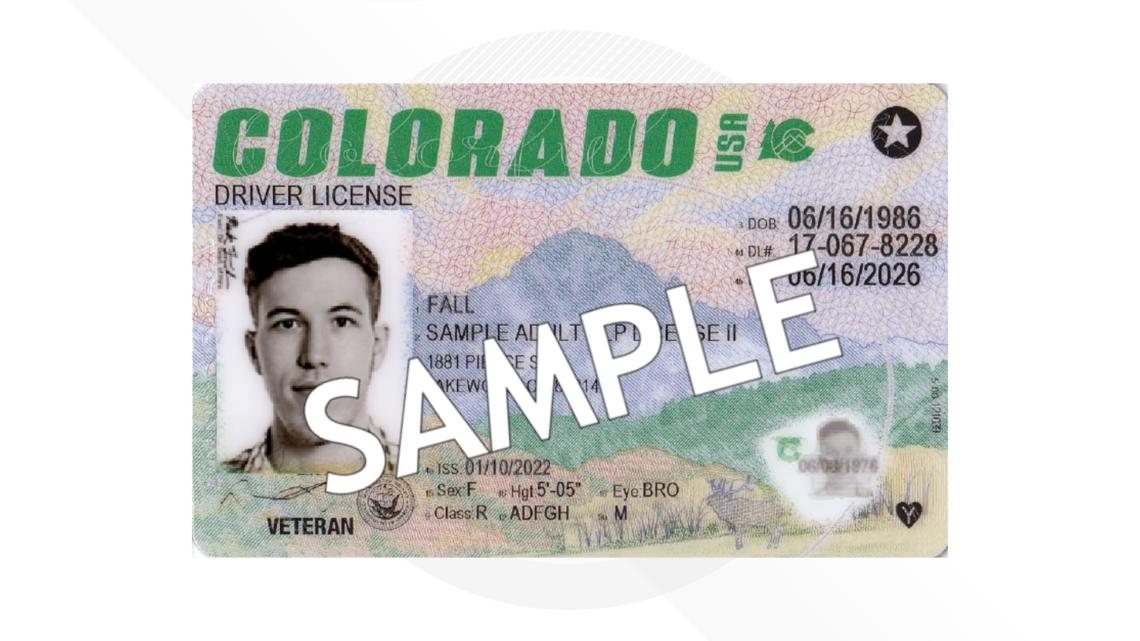
Distinguishing a Real ID compliant Colorado Driver’s License from a standard one is straightforward. A Real ID compliant card will feature a gold star in the upper right-hand corner. This star is the universal symbol indicating that the document meets federal Real ID standards. If your Colorado Driver’s License or ID card does not have this gold star, it is not Real ID compliant and will not be accepted for domestic air travel or entry into federal facilities once the enforcement date arrives, unless you present an alternative form of acceptable identification.
Essential Travel Scenarios Requiring Real ID
Understanding when and where your Real ID will be required is crucial for seamless travel planning. The Real ID Act primarily targets federal purposes, but these uses significantly impact the typical traveler.

Domestic Flights and TSA Checkpoints
As previously mentioned, the most common scenario for travelers requiring a Real ID compliant document is for domestic air travel. When you arrive at a TSA checkpoint at airports like Denver International Airport or Colorado Springs Airport, agents will verify your identity. After the enforcement date, a non-Real ID compliant Colorado Driver’s License (one without the gold star) will not be sufficient for boarding an aircraft. This is a critical point for any resident of Colorado planning to fly, even if only for a short trip across state lines. The purpose is to ensure a higher level of security and verification for all individuals entering secure areas of airports.
Accessing Federal Facilities
Beyond air travel, a Real ID compliant card is also required for entry into certain federal facilities that require identification. This can include federal courthouses, military bases, nuclear power plants, and other secure federal buildings. While most tourists might not frequently visit such locations, it’s an important consideration for anyone whose travel might involve governmental sites, perhaps for business or specific events. For example, visiting the U.S. Capitol or other federal landmarks might require a Real ID or another acceptable form of ID.
International Travel Considerations
It’s important to clarify that the Real ID is strictly for domestic purposes within the United States. A Real ID compliant driver’s license or ID card will not be accepted for international travel. For any international flights or border crossings (land or sea) outside the United States to countries like Canada or Mexico, you will still need a valid passport or another WHTI-compliant document (such as a Passport Card). While the Real ID enhances domestic security, it does not replace the need for international travel documents.
Preparing for Your Colorado Trip and Beyond: What Travelers Need to Know
Given the implications of the Real ID Act, proactive preparation is essential for any traveler. Whether you’re a Colorado resident planning a getaway or an out-of-state visitor, understanding these requirements ensures your travel plans remain uninterrupted.
What if Your License Isn’t Real ID Compliant?
If your Colorado Driver’s License lacks the gold star, don’t panic. You still have options for domestic air travel and accessing federal facilities. The most common alternative is a valid U.S. passport or a Passport Card. Other acceptable forms of identification include a federal government PIV card, a U.S. Military ID (active duty or retired), a Permanent Resident Card, or certain other federally recognized identification cards. The key is to have one of these acceptable forms of ID ready for your travels. Travelers without a Real ID or an alternative ID may be subjected to additional screening and could be denied entry to the airport security checkpoint.
The Application Process for a Real ID in Colorado
For Colorado residents wishing to obtain a Real ID compliant driver’s license or identification card, the process involves visiting a Colorado DMV office in person. You will need to provide specific documentation to prove your identity, date of birth, Social Security number, and two proofs of current physical address in Colorado. Examples of acceptable documents include a certified birth certificate, U.S. passport, Social Security card or W-2 form, and utility bills or bank statements. It is highly recommended to check the official Colorado DMV website before your visit for a comprehensive list of required documents and to make an appointment if necessary, as requirements can sometimes change. Planning ahead for this process will save time and ensure you have all the necessary paperwork.
Alternative Forms of Acceptable Identification
To reiterate, if you do not have a Real ID compliant Colorado Driver’s License, the TSA accepts several other forms of identification for domestic air travel. These include:
- U.S. passport
- U.S. Passport Card
- DHS trusted traveler cards (Global Entry, NEXUS, SENTRI, FAST)
- U.S. Military ID (active duty or retired military, and dependents)
- Permanent Resident Card
- Border Crossing Card
- Federally recognized tribal photo ID
- HSPD-12 PIV card
- Foreign government-issued passport
- Canadian provincial driver’s license or Indian and Northern Affairs Canada (INAC) card
- Transportation Worker Identification Credential (TWIC)
For any traveler, especially those venturing out from or into Colorado, staying informed about Real ID requirements is more than just good practice—it’s essential for ensuring your journey begins and ends without a hitch. By understanding if your Colorado Driver’s License is Real ID compliant and having alternative identification ready, you can focus on the spectacular destinations and enriching experiences that await you.
LifeOutOfTheBox is a participant in the Amazon Services LLC Associates Program, an affiliate advertising program designed to provide a means for sites to earn advertising fees by advertising and linking to Amazon.com. Amazon, the Amazon logo, AmazonSupply, and the AmazonSupply logo are trademarks of Amazon.com, Inc. or its affiliates. As an Amazon Associate we earn affiliate commissions from qualifying purchases.