
For travelers planning a visit to the scenic city of Colorado Springs, one of the most frequently asked questions, especially during the colder months, revolves around the weather: “Is it snowing?” The answer isn’t always straightforward, as Colorado Springs’ unique geographical position contributes to a dynamic and often unpredictable winter climate. Understanding the likelihood of snow, its typical patterns, and how it impacts travel and activities is crucial for an enjoyable and well-prepared trip to this captivating Colorado destination.
Understanding Colorado Springs’s Winter Weather
Nestled at the eastern foot of the Rocky Mountains, Colorado Springs benefits from a semi-arid climate characterized by abundant sunshine, even in winter. However, its proximity to towering peaks means that snowfall is a regular, albeit often fleeting, feature of the colder seasons.
Typical Snowfall Patterns
Winter in Colorado Springs officially spans from November through April, though early or late season dustings are not uncommon. Unlike mountain towns deeper in the Rocky Mountains that accumulate massive snowpacks, Colorado Springs typically experiences several snow events throughout the season. These can range from light flurries that melt by midday to significant snowfalls that temporarily transform the landscape into a pristine winter wonderland.
The city averages around 35-40 inches of snow annually, but this total is distributed across numerous events rather than continuous coverage. A defining characteristic of winter in Colorado Springs is the rapid melting of snow. Known for its strong “Chinook winds” – warm, dry winds descending the eastern slopes of the Rockies – the city can see several inches of snow disappear within a day or two, often revealing sunny skies and clear roads surprisingly quickly. This means that even if it is snowing during your visit, it might not be snowing for long, or the ground might not remain covered for an extended period.
The peak months for snowfall are generally February and March, often surprising visitors who might expect January to be the snowiest. These late-winter months can bring some of the heaviest accumulations, offering picturesque scenery and opportunities for winter recreation.
Microclimates and Elevation
Colorado Springs itself, due to its varied topography and proximity to Pikes Peak, exhibits microclimates that can influence localized snow accumulation. The city’s elevation ranges from approximately 6,035 feet (1,839 meters) in the eastern plains to over 7,000 feet (2,134 meters) in higher-elevation neighborhoods closer to the mountains. This difference means that while downtown Colorado Springs might receive a few inches, areas like Manitou Springs or Cheyenne Canyon, slightly higher and closer to the base of Pikes Peak, could see significantly more snow. Always consider the specific area you plan to visit, as conditions can vary within a short distance.
Navigating Winter Travel in the Pikes Peak Region
A snowy forecast doesn’t have to deter your travel plans; it simply requires thoughtful preparation. Embracing the winter conditions can lead to unique and memorable experiences.
Essential Packing for Snow
Even with rapid melt cycles, you’ll want to be prepared for cold temperatures and potential snow on the ground. Layers are paramount for adapting to Colorado’s notorious temperature swings. Pack a waterproof and windproof outer shell, insulated layers (fleece or down), thermal base layers, a warm hat, gloves or mittens, and waterproof winter boots with good traction. Sunglasses are also essential, as the sun can be intense and glare off snow can be strong. While a heavy parka might be overkill for everyday city exploring if the sun is out, it will be appreciated during actual snowfall or colder mornings.
Driving Conditions and Road Safety
If you’re driving to or around Colorado Springs during winter, it’s crucial to stay informed about road conditions. Major highways and city thoroughfares are generally well-maintained and plowed efficiently after snowstorms. However, secondary roads, particularly those leading to higher elevations or less populated areas, may take longer to clear. Icy patches can form, especially in shaded areas or overnight.
The Colorado Department of Transportation (CDOT) website is an invaluable resource for real-time road closures, chain laws (which may apply to mountain passes), and general travel alerts. Many rental car companies offer vehicles with all-wheel drive (AWD) or four-wheel drive (4WD), which can provide added peace of mind, though good tires (all-season with adequate tread or dedicated winter tires) are equally important. Always drive defensively, allow extra stopping distance, and be mindful of other drivers.

Winter Activities and Attractions in Colorado Springs
A blanket of snow transforms the already stunning landscapes of Colorado Springs into something truly magical. Far from shutting down, the city offers a range of activities that take full advantage of the seasonal beauty.
Iconic Landmarks in a Winter Wonderland
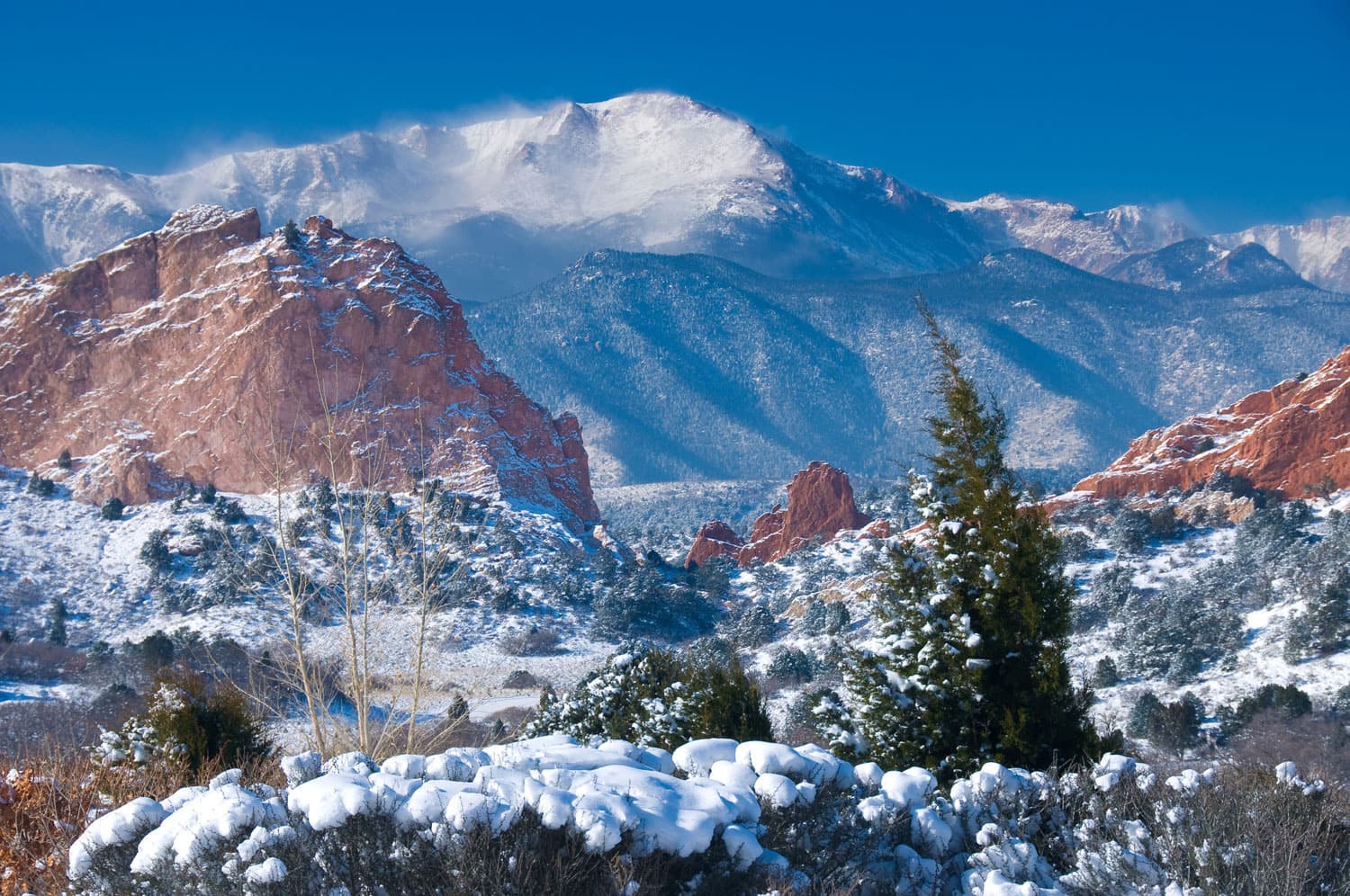
- Garden of the Gods: While beautiful year-round, the sight of fresh snow dusting the dramatic red rock formations of Garden of the Gods is breathtaking. Many trails remain accessible for hiking or walking, provided you have appropriate footwear. The contrast of white snow against the vibrant red rocks makes for incredible photography opportunities. The Visitor and Nature Center provides warm refuge and panoramic views.
- Pikes Peak: The “America’s Mountain” offers a different experience in winter. While the Summit Highway and Pikes Peak Cog Railway (after its recent renovation) may have varying accessibility depending on snow conditions, even seeing the snow-capped peak from below is majestic. Check their operating status before planning a visit to the summit.
- The Broadmoor Hotel: This historic five-star resort is resplendent in winter. Enjoying a hot beverage by a crackling fire or strolling through its snow-dusted grounds feels incredibly luxurious. The Broadmoor often hosts special holiday events or winter packages.
Outdoor Adventures
For those who embrace the chill, winter in Colorado Springs offers unique outdoor pursuits:
- Snowshoeing and Winter Hiking: Trails in national forests surrounding Colorado Springs, such as those near Mueller State Park or on the lower slopes of Pikes Peak, become ideal for snowshoeing. Even some trails in Garden of the Gods or Cheyenne Canyon are suitable for winter hiking with microspikes for added traction.
- Ice Skating: Outdoor ice rinks occasionally pop up in downtown Colorado Springs during the holiday season, offering a festive way to enjoy the crisp air.
- Wildlife Viewing: Winter often brings wildlife into more visible areas as they seek food. Keep an eye out for deer, bighorn sheep, and various bird species. The Cheyenne Mountain Zoo, while an excellent year-round attraction, offers a unique opportunity to see animals in snowy enclosures, and its elevated position provides stunning city views.
Cozy Indoor Experiences
On days when the snow is falling heavily, or you prefer to stay warm, Colorado Springs has plenty to offer indoors:
- Museums: Explore the U.S. Olympic & Paralympic Museum, the Fine Arts Center at Colorado College, or the Pioneers Museum for a dose of culture and history.
- Breweries and Distilleries: Colorado Springs boasts a vibrant craft beverage scene. Warm up with a local brew or spirit tasting at one of the many establishments.
- Dining: Indulge in the diverse culinary scene, from fine dining to casual eateries. Many restaurants offer cozy atmospheres perfect for a winter evening.
- Shopping: Downtown Colorado Springs and various shopping centers provide opportunities for retail therapy, browsing local boutiques for unique souvenirs, or escaping the cold.
Planning Your Snowy Colorado Springs Getaway
A trip to Colorado Springs during winter is an adventure filled with stunning scenery and unique activities. Strategic planning ensures a smooth and memorable experience.
Best Time to Visit for Snow
If your primary goal is to experience snow in Colorado Springs, target a visit between late January and early April. This window offers the highest probability of seeing significant snowfall and experiencing a winter landscape, particularly in February and March. However, remember the rapid melt factor; continuous snow cover on the ground is less common than in higher mountain towns.
For those who prefer to avoid snow but still want to visit in the “off-season,” early November or late April might offer milder conditions with less chance of heavy snow, while still enjoying fewer crowds than the summer months.

Staying Informed with Weather Updates
The best way to know if it’s snowing in Colorado Springs (or if it’s expected to) is to check reliable local weather forecasts close to your travel date. Websites like the National Weather Service (NWS) specific to Colorado Springs or local news channels offer the most accurate and up-to-date information. Be prepared for forecasts to change rapidly; a sunny day can quickly turn into a snowstorm, and vice-versa, especially when mountain weather influences the Front Range.
Ultimately, a winter trip to Colorado Springs, whether snowy or sunny, promises spectacular views and a wealth of experiences. With proper planning and a flexible attitude, you can fully embrace the beauty of this USA destination, no matter what the weather brings.
LifeOutOfTheBox is a participant in the Amazon Services LLC Associates Program, an affiliate advertising program designed to provide a means for sites to earn advertising fees by advertising and linking to Amazon.com. Amazon, the Amazon logo, AmazonSupply, and the AmazonSupply logo are trademarks of Amazon.com, Inc. or its affiliates. As an Amazon Associate we earn affiliate commissions from qualifying purchases.