
Navigating Colorado’s Continental Divide: The Eisenhower-Johnson Memorial Tunnel
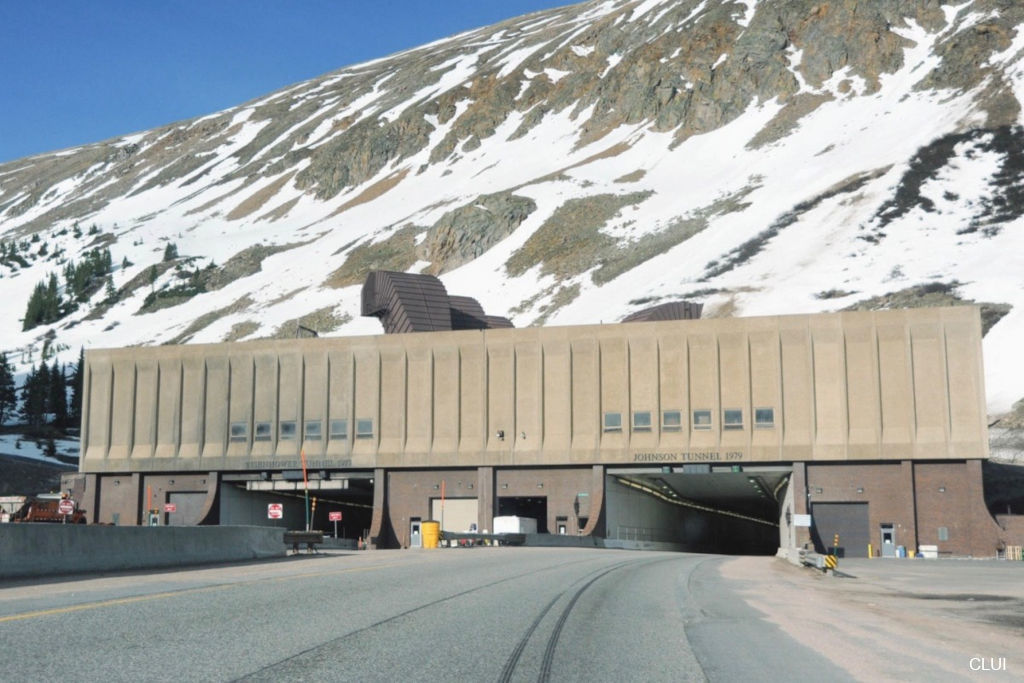
The Eisenhower Tunnel, officially known as the Eisenhower-Johnson Memorial Tunnel, stands as a monumental achievement in engineering and a critical artery for travel across the majestic Rocky Mountains in Colorado. Serving as the highest vehicular tunnel in the United States, this dual-bore tunnel carries Interstate 70 (I-70) beneath the Continental Divide at an elevation of over 11,000 feet. Its strategic location makes it indispensable for anyone traveling between Denver and the state’s renowned ski resorts like Breckenridge, Keystone, and Vail, as well as other western Colorado destinations such as Glenwood Springs and Grand Junction. For countless travelers, the question of whether the Eisenhower Tunnel is open isn’t just a matter of curiosity; it’s a vital piece of information that dictates trip planning, safety, and overall travel experience.

Completed in phases with the Eisenhower Bore opening in 1973 and the Johnson Bore in 1979, the tunnel drastically reduced travel times and made the often-treacherous journey over Loveland Pass (US-6) less of a necessity for many. Before its construction, drivers faced a steep, winding, and frequently snow-packed route that could add significant time and risk to mountain crossings. Today, the Eisenhower Tunnel has become synonymous with seamless mountain travel, enabling millions of vehicles each year to traverse the formidable Continental Divide with relative ease. However, its high-altitude environment and the challenging weather conditions characteristic of the Colorado Rocky Mountains mean that its operational status can occasionally be impacted, making real-time checks an essential part of any travel itinerary. Understanding the factors that influence its opening and closing, along with how to access up-to-date information, is paramount for a smooth and safe journey through this iconic engineering marvel.
Current Operational Status and Real-Time Information for Travelers
For the vast majority of the time, the Eisenhower Tunnel operates continuously, 24 hours a day, 7 days a week, 365 days a year. It is designed to be a reliable conduit for traffic across the Continental Divide. However, due to its location high in the Rocky Mountains, several factors can necessitate temporary closures, delays, or restrictions. These events, while typically short-lived, can significantly impact travel plans and lead to substantial congestion on I-70.
The primary reasons for temporary tunnel closures or major delays include:
- Severe Weather Conditions: Colorado winters can bring intense snowstorms, whiteout conditions, high winds, and ice. While the tunnel itself is protected, the approaches to it, particularly I-70 on either side, can become impassable or extremely hazardous. This can lead to safety closures or metering of traffic.
- Accidents and Incidents: Vehicle collisions, breakdowns, or other incidents inside or near the tunnel require immediate response from emergency services and may necessitate full or partial closures for safety and cleanup operations.
- Maintenance: Both routine and emergency maintenance are crucial for the tunnel’s safe and efficient operation. This can range from cleaning and lighting inspections to structural repairs, often scheduled during off-peak hours but occasionally required during peak times if an urgent issue arises.
- Safety Checks and Drills: Periodically, the Colorado Department of Transportation (CDOT) conducts safety inspections and emergency drills, which may involve temporary closures or traffic stops.
Given these potential interruptions, travelers must check the tunnel’s real-time status before heading into the mountains. The most reliable source for this information is the Colorado Department of Transportation (CDOT). They provide up-to-the-minute updates through several channels:
- COtrip Website and Mobile App: The official CDOT travel information portal, COtrip, is the gold standard. It features a live map with traffic cameras, incident reports, road closures, and estimated travel times for I-70 and other major routes. The COtrip mobile app offers similar functionality on the go.
- Highway Message Boards: Dynamic message signs are strategically placed on I-70 leading up to the tunnel, providing real-time alerts about conditions, closures, and alternative routes.
- Local Radio and News Outlets: Many local Colorado radio stations provide frequent traffic updates, especially during peak travel seasons or adverse weather.
- Third-Party Navigation Apps: Google Maps, Waze, and other popular navigation apps often integrate CDOT data and can provide real-time routing adjustments based on tunnel conditions.
It cannot be stressed enough: always check conditions before departing, particularly during winter months or on weekends and holidays when traffic volumes are highest. A quick check can save hours of frustration and ensure a safer journey.
Planning Your Trip Through the Eisenhower Tunnel
Successfully navigating the Eisenhower Tunnel and the surrounding I-70 corridor requires thoughtful planning, especially for those unfamiliar with mountain driving or Colorado’s variable weather. The tunnel itself is a short, efficient crossing, but the approaches to it can be challenging.
Best Times to Travel and Avoiding Congestion
The I-70 mountain corridor is notorious for traffic congestion, especially on weekends and holidays. Westbound traffic from Denver tends to be heaviest on Friday afternoons and Saturday mornings, as skiers and outdoor enthusiasts head to Summit County resorts and beyond. Eastbound traffic, returning to Denver, often clogs up on Sunday afternoons and evenings. To minimize delays, consider:
- Mid-week Travel: If your schedule allows, traveling Monday through Thursday will significantly reduce traffic, particularly outside of peak tourist seasons.
- Early Morning or Late Evening: On weekends, departing before 7:00 AM or after 6:00 PM can help you bypass the worst of the congestion. This also applies to return journeys.
- Off-Season Travel: While Colorado is beautiful year-round, spring and fall generally see fewer travelers, making for a more relaxed drive.

Weather Preparedness and Driving Tips
Colorado’s mountain weather can change dramatically and quickly. What begins as a sunny day in Denver can turn into a blizzard near the tunnel.
- Vehicle Preparedness:
- Tires: Ensure your vehicle has adequate tires for winter conditions. All-wheel drive (AWD) or four-wheel drive (4WD) is highly recommended. CDOT often enacts passenger vehicle traction laws or chain laws on I-70 during snow events, requiring specific tires (mud/snow designation, winter tires) or chains. Commercial vehicles have even stricter requirements.
- Emergency Kit: Always carry an emergency kit including blankets, extra layers, water, snacks, a flashlight, a phone charger, and a first-aid kit.
- Fuel: Keep your fuel tank at least half full.
- Driving Practices:
- Maintain Distance: Allow ample following distance, especially on icy or wet roads.
- Reduce Speed: Adhere to posted speed limits, which are often reduced in mountain sections and around the tunnel.
- Be Aware of Altitude: The high altitude can affect both vehicle performance and driver alertness. Keep an eye on your vehicle’s engine temperature, and stay hydrated yourself.
- Inside the Tunnel: Maintain a steady speed, avoid stopping, and be aware of proper ventilation protocols. Pay attention to signage and emergency exits.
By planning ahead and being prepared for various conditions, your journey through the Eisenhower Tunnel can be a smooth and enjoyable part of your Colorado adventure.
Beyond the Tunnel: Nearby Destinations and Alternatives
The Eisenhower Tunnel is more than just a passage; it’s a gateway to some of Colorado’s most beloved destinations and a crucial point in the state’s transportation network. Understanding the area surrounding the tunnel enhances the travel experience and helps in navigating potential detours.
Popular Destinations Accessible via the Eisenhower Tunnel
Once travelers emerge from the western portal of the Eisenhower Tunnel, a wealth of outdoor recreation and vibrant mountain towns awaits:
- Summit County: Immediately accessible are towns like Frisco, Dillon, and Silverthorne, which serve as bases for exploring nearby ski resorts such as Breckenridge, Keystone, and Copper Mountain. In summer, Summit County offers hiking, biking, boating on Lake Dillon, and various festivals.
- Vail and Beaver Creek: Further west along I-70 are these world-renowned luxury ski resorts, offering unparalleled winter sports and upscale dining and shopping.
- Glenwood Springs: Known for its hot springs and outdoor adventures like rafting in Glenwood Canyon, Glenwood Springs provides a relaxing stop or destination.
- Grand Junction: The largest city on Colorado’s Western Slope, offering access to the Colorado National Monument and a growing wine country.
Scenic Alternatives and Detours
While the Eisenhower Tunnel is the most efficient route, there are times when an alternative might be necessary or desired for its scenic value.
- Loveland Pass (US-6): This historic mountain pass directly above the tunnel offers breathtaking views of the Continental Divide and the tunnel’s portals. It’s a challenging, winding road with steep grades and hairpin turns, often closed to commercial vehicles and sometimes to all traffic during severe winter weather. For smaller, experienced vehicles, it can be a stunning alternative when conditions are clear, providing a unique perspective of the high Rockies. It’s important to note that Loveland Pass is NOT a reliable detour for I-70 in bad weather as it often closes before or at the same time as the tunnel’s approaches.
- Highway 285 to Highway 9: For travelers heading to Breckenridge or Fairplay and willing to take a longer, less direct route, US-285 South from Denver can offer an alternative, connecting with Highway 9 towards Summit County. This route bypasses the Eisenhower Tunnel but involves different mountain passes and often adds significant travel time.
- Trail Ridge Road (US-34): Within Rocky Mountain National Park, this is North America’s highest continuous paved road. While incredibly scenic, it is typically open only from late May to mid-October and is not a practical alternative for through-traffic on I-70.
Choosing an alternative route should always be done with careful consideration of current road conditions, your vehicle’s capabilities, and the amount of extra time you’re willing to commit. For most travelers, the Eisenhower Tunnel remains the most efficient and straightforward path across the Continental Divide.
The Eisenhower Tunnel in the Broader Colorado Travel Experience
The Eisenhower Tunnel is more than just a segment of I-70; it’s an integral part of the Colorado travel experience, embodying both human ingenuity and the challenges of mountain navigation. As a marvel of engineering, its construction pushed the boundaries of what was thought possible, facilitating economic growth and tourism across the state. Today, it stands as a testament to Colorado’s commitment to connecting its diverse regions and making its stunning natural beauty accessible to millions.
For travelers, the tunnel serves as a symbolic passage from the eastern plains and foothills into the rugged, majestic high Rockies and the recreational opportunities they offer. Whether you’re heading to the slopes of Vail or the hiking trails of Grand Junction, a trip through the Eisenhower Tunnel is often the first significant marker of your mountain adventure. Its operational status directly impacts the flow of this experience, turning an anticipated journey into either a seamless drive or a test of patience.
Staying informed about its condition is not just about avoiding delays; it’s about respecting the power of the natural environment and ensuring your safety and the safety of your fellow travelers. The reliability of the Eisenhower Tunnel is a cornerstone of modern Colorado travel, but being prepared for its occasional closures or slowdowns is a characteristic of an experienced and responsible traveler. By leveraging real-time information and planning for contingencies, you can ensure that your passage through this iconic landmark is as smooth and enjoyable as the destinations that lie beyond. The question “Is the Eisenhower Tunnel in Colorado open?” is a simple one, but its answer holds the key to unlocking a world of adventure in the heart of the Rocky Mountains.
LifeOutOfTheBox is a participant in the Amazon Services LLC Associates Program, an affiliate advertising program designed to provide a means for sites to earn advertising fees by advertising and linking to Amazon.com. Amazon, the Amazon logo, AmazonSupply, and the AmazonSupply logo are trademarks of Amazon.com, Inc. or its affiliates. As an Amazon Associate we earn affiliate commissions from qualifying purchases.