
Colorado, renowned for its breathtaking Rocky Mountain vistas, vibrant outdoor recreation, and bustling urban centers like Denver and Boulder, remains a top-tier destination for travelers worldwide. However, like many Western U.S. states, it is susceptible to wildfires, particularly during certain times of the year. The question “Is there any fires in Colorado?” is a critical inquiry for prospective visitors, reflecting a legitimate concern about safety, air quality, and the overall travel experience. Understanding the nuances of Colorado’s wildfire landscape is essential for planning a responsible and enjoyable trip. While wildfires are a natural part of the ecosystem, their increasing frequency and intensity, often exacerbated by climate change, necessitate informed preparation from travelers. This article delves into the seasonal patterns of wildfires, their potential impact on travel, and practical advice for navigating the state safely and consciously.

Understanding Wildfire Season in Colorado
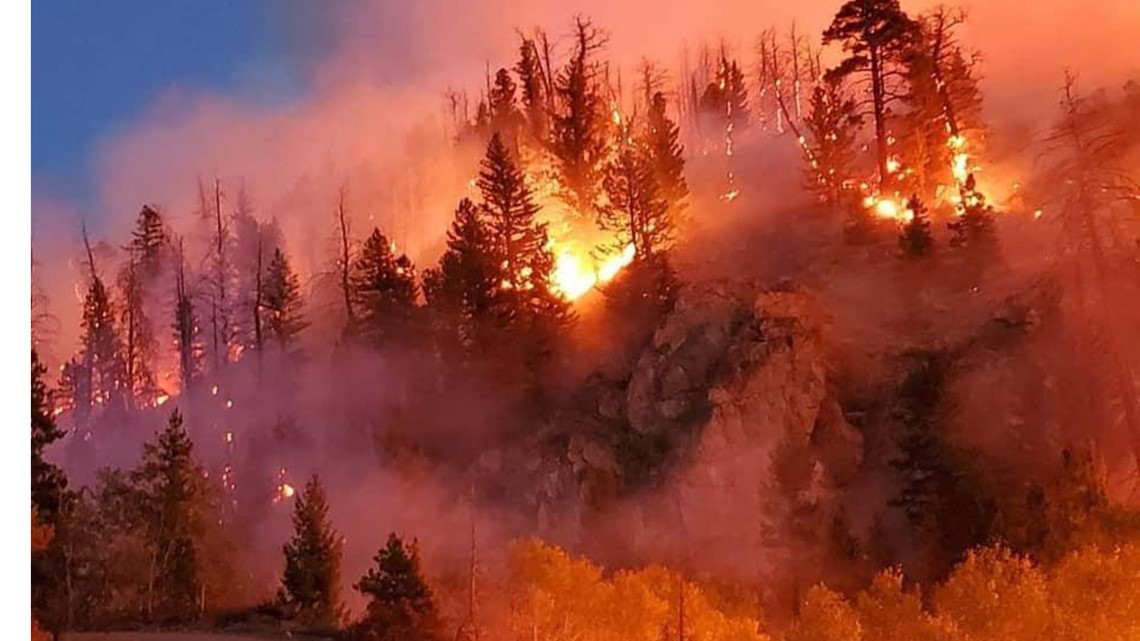
Wildfires are not a constant threat but rather a cyclical phenomenon in Colorado, influenced by weather patterns, drought conditions, and forest health. The state’s dry climate, abundant forests, and occasional high winds create an environment ripe for ignition, whether from lightning strikes or human activity.
Historical Context and Seasonal Patterns
Historically, Colorado has experienced periods of intense wildfire activity, particularly in the late spring, summer, and early fall. The peak wildfire season typically runs from June through September, though fires can occur outside this window depending on drought severity, snowpack levels from the preceding winter, and unseasonably warm, dry, or windy conditions. A low snowpack can lead to drier fuels earlier in the year, extending the potential fire season. Conversely, a robust monsoon season in late summer can help mitigate the risk. Significant events like the Hayman Fire in 2002 and the Cameron Peak Fire in 2020 have underscored the state’s vulnerability, leaving lasting impacts on forest ecosystems and local communities. Travelers should recognize that while fires are part of the natural cycle, their scale and intensity have grown, making awareness crucial.
Key Regions Prone to Wildfires
While no region in Colorado is entirely immune, some areas are more susceptible to wildfires due to their topography, vegetation, and population density. The foothills of the Front Range, encompassing communities near Boulder, Colorado Springs, and Fort Collins, are often high-risk zones due to their interface with wildland urban areas. Dense coniferous forests in the high country, including popular destinations within the White River National Forest and the San Juan National Forest, are also vulnerable, especially during prolonged drought. Areas near popular ski resorts like Vail and Aspen can also face threats. Understanding the specific geographic risks can help travelers make more informed decisions about their itinerary, potentially opting for less fire-prone areas or having contingency plans.
Impact on Colorado Travel and Tourism
When wildfires occur, their effects ripple across various aspects of travel, extending beyond the immediate fire perimeter. Travelers need to consider potential disruptions to their plans and prioritize their health and safety.
Air Quality and Health Considerations
One of the most widespread impacts of wildfires is the degradation of air quality. Smoke plumes, carried by prevailing winds, can travel hundreds of miles from the active fire, affecting major metropolitan areas like Denver and even states beyond Colorado. Smoke contains fine particulate matter that can irritate the eyes and respiratory system, posing significant health risks, especially for individuals with asthma, heart disease, or other respiratory conditions. The Colorado Department of Public Health and Environment issues air quality advisories that travelers should monitor closely. During periods of poor air quality, outdoor activities may be curtailed, and visitors might need to spend more time indoors or consider adjusting their travel dates to ensure a healthier experience. For those sensitive to smoke, researching historical air quality patterns for their intended travel month might be beneficial.
Road Closures and Evacuation Routes
Active wildfires often lead to road closures, particularly in national forests, state parks, and near affected communities. These closures are implemented to protect public safety, facilitate emergency response, and prevent traffic from impeding firefighting efforts. Travelers relying on scenic drives or planning multi-destination road trips through Colorado’s mountainous regions could face significant detours or complete route blockages. It is crucial to check road conditions through resources like Colorado Department of Transportation (CDOT) and InciWeb before and during travel. Furthermore, being aware of potential evacuation routes for any area you plan to visit is a vital safety precaution, especially if staying in a remote cabin or campground. Understanding that plans may need to be flexible and adaptable is key when traveling during wildfire season.
Effects on Outdoor Activities and National Parks

Colorado’s allure largely stems from its unparalleled opportunities for outdoor recreation, including hiking, camping, mountain biking, and fishing. Wildfires can severely impact these activities. Areas actively burning or recently burned may be closed to the public for safety reasons, habitat restoration, or to prevent reignition. Iconic destinations such as Rocky Mountain National Park or portions of the Pike National Forest might have specific trails, campgrounds, or entire sections closed. Even without direct fire impact, heavy smoke can obscure views and make strenuous outdoor activity unsafe or unpleasant. Travelers should always check the status of national parks, national forests, and state parks directly before venturing out, as closures can be sudden and extensive.
Planning Your Trip to Colorado During Fire Season
While wildfires are a reality, they shouldn’t necessarily deter a trip to Colorado. With careful planning and vigilance, travelers can still enjoy the state’s wonders.
Staying Informed: Reliable Information Sources
The cornerstone of safe travel during wildfire season is access to accurate, up-to-date information. Travelers should regularly consult official sources:
- InciWeb: An interagency all-risk incident information management system that provides detailed information on active wildfires, including maps, closures, and status updates.
- National Interagency Fire Center (NIFC): Offers a national overview of fire conditions and outlooks.
- Colorado Division of Homeland Security and Emergency Management: Provides state-specific emergency alerts and resources.
- Local County Sheriff’s Offices and Emergency Management Agencies: For the most granular information on specific areas.
- Colorado Department of Transportation (CDOT): For road closures and conditions.
- National Weather Service: For daily forecasts, red flag warnings (indicating critical fire weather conditions), and air quality alerts.
By monitoring these channels diligently, travelers can make real-time decisions about their itineraries.
Essential Safety Measures for Travelers
Beyond staying informed, proactive safety measures are paramount.
- Fire Restrictions: Always adhere to local fire restrictions, which can range from stage 1 (restricting campfires to designated areas) to stage 3 (full fire bans). These are crucial for preventing human-caused ignitions.
- Campfire Safety: If allowed, ensure campfires are completely out before leaving. Drown them with water, stir the ashes, and check for any remaining heat.
- Vehicle Safety: Avoid parking vehicles over dry grass, as hot catalytic converters can ignite fuels. Ensure trailers have proper safety chains that don’t drag.
- “Leave No Trace” Principles: Practice responsible outdoor ethics, including proper disposal of cigarettes and avoiding activities that could spark a fire, such as operating ATVs or power tools in dry areas.
- Emergency Kit: Carry an emergency kit in your vehicle, including water, first-aid supplies, a map, and a full tank of gas.
Taking these precautions significantly reduces the risk of inadvertently starting a fire and ensures readiness in an emergency.
Alternative Destinations and Activities
Should wildfires impact your initial plans, Colorado offers a wealth of alternative experiences. If mountainous areas are affected, consider exploring the eastern plains for historical sites, birdwatching, or state parks like Jackson Lake State Park. Urban centers like Denver, Colorado Springs, and Grand Junction boast museums, art galleries, breweries, and culinary scenes that provide excellent indoor alternatives. Many high-altitude areas, particularly those with less dense forest cover or located away from active fires, may remain unaffected. Flexibility in your itinerary, perhaps with a “Plan B” that includes city exploration or less fire-prone regions, will ensure your trip remains enjoyable regardless of circumstances.
Colorado’s Resilience and Recovery Efforts
Despite the challenges posed by wildfires, Colorado is a resilient state, and its communities and ecosystems are continuously engaged in prevention and recovery.
Community-Led Conservation and Prevention
Local communities, land management agencies, and non-profits in Colorado are at the forefront of wildfire prevention and mitigation efforts. This includes proactive forest management, such as thinning dense stands and creating defensible spaces around homes, as well as public education campaigns on fire safety. Many communities participate in “Firewise USA” programs, empowering residents to reduce wildfire risks. Travelers can contribute by adhering to all fire restrictions and educating themselves on responsible outdoor practices, thereby becoming partners in safeguarding Colorado’s natural beauty.
Supporting Local Businesses Post-Fire
When an area experiences a wildfire, its tourism-dependent economy often suffers, even after the flames are extinguished. Roads may reopen, and air quality may improve, but businesses can struggle with reduced visitor numbers. Travelers who return to these areas once they are safe and open play a crucial role in the recovery process. By patronizing local restaurants, shops, and accommodation providers, visitors help inject much-needed revenue back into affected communities, supporting their long-term resilience. Post-fire landscapes, while initially stark, also offer unique opportunities for reflection on nature’s power of regeneration and the importance of conservation.
In conclusion, while the question “Is there any fires in Colorado?” is a valid one, it should not deter potential visitors. Instead, it should encourage informed and responsible travel planning. By understanding wildfire patterns, staying updated through official channels, implementing safety measures, and being flexible with itineraries, travelers can still experience the grandeur of Colorado while contributing to its ongoing efforts to manage and recover from wildfires.
LifeOutOfTheBox is a participant in the Amazon Services LLC Associates Program, an affiliate advertising program designed to provide a means for sites to earn advertising fees by advertising and linking to Amazon.com. Amazon, the Amazon logo, AmazonSupply, and the AmazonSupply logo are trademarks of Amazon.com, Inc. or its affiliates. As an Amazon Associate we earn affiliate commissions from qualifying purchases.