
Understanding Colorado’s sales tax framework is an indispensable tip for any traveler planning to explore the Centennial State. Far from being a mere footnote in a travel guide, sales tax is an integral part of the financial landscape tourists encounter, influencing everything from the cost of a souvenir to a day pass at a ski resort. Navigating this system effectively allows visitors to budget accurately, avoid surprises, and fully enjoy their Colorado experience without unforeseen expenses. The state’s approach to sales tax, characterized by a baseline state rate combined with a mosaic of local additions, demands a thoughtful understanding from those venturing into its vibrant cities, majestic mountains, and charming towns.

Understanding Colorado’s Sales Tax Landscape for Tourists
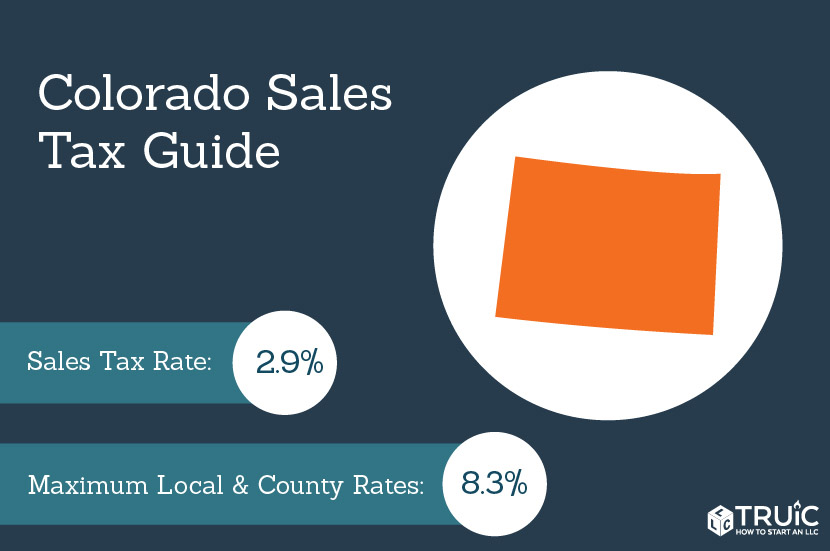
Colorado employs a sales tax system that can initially appear straightforward but quickly reveals layers of complexity due to the autonomy of its local jurisdictions. At its foundation, the state imposes a statewide sales tax rate, which currently stands at a relatively low 2.9%. This rate applies uniformly across all taxable transactions throughout the state. However, this figure represents only a portion of the total sales tax visitors will pay. The true complexity arises from the ability of counties, cities, and various special districts (such as cultural, transportation, or metropolitan districts) to levy their own additional sales taxes. This creates a highly localized taxation environment where the final sales tax rate can vary significantly from one street to another, or from one municipality to the next.
For tourists, this means that the price tag on an item might not reflect the final cost until the sales tax is applied at the point of sale, and that tax rate could be different depending on where they are making the purchase. For example, buying a cup of coffee in downtown Denver will likely incur a different total sales tax percentage than buying the same coffee in a mountain town like Aspen or a university city such as Boulder. These local taxes are crucial for funding community services, infrastructure projects, and attractions that enhance the visitor experience, such as parks, cultural institutions, and public transportation. Understanding this dual-layered system—state plus local—is the first step in effective travel budgeting and planning in Colorado. It underscores the importance of not just knowing the state rate but also being aware of the specific rates applicable in the destinations one plans to visit or where significant purchases will be made.
Where Tourists Encounter Sales Tax in Colorado
Tourists in Colorado will find sales tax woven into the fabric of nearly every transaction involving tangible goods and many services. From the moment they arrive until their departure, understanding where and how this tax applies can prevent budgeting missteps and provide a clearer picture of their total expenditures.
Retail Purchases and Souvenirs
One of the most common encounters with sales tax for tourists is through retail purchases. Whether browsing for unique handcrafted items in a gallery, picking up outdoor gear for a hiking adventure, or buying quintessential Colorado souvenirs like locally made crafts or apparel, sales tax will be added to the price. This applies to clothing, electronics, books, sporting goods, and even many non-prepared food items purchased from grocery stores, unless specifically exempt. For travelers who plan to indulge in souvenir shopping or require specific equipment for their Colorado excursions, factoring in the sales tax on these items is essential. A seemingly minor percentage can add up significantly, especially when purchasing multiple items or high-value goods like ski equipment or artisan jewelry.
Dining and Entertainment
Dining out is a highlight for many visitors, offering a taste of Colorado’s diverse culinary scene, from farm-to-table restaurants in Denver to quaint cafes in mountain villages. Sales tax applies to all prepared food and beverages purchased at restaurants, cafes, bars, and food trucks. This includes everything from a quick breakfast pastry to a gourmet dinner and alcoholic beverages. Similarly, entertainment experiences are subject to sales tax. This includes admission tickets to museums, art galleries, concerts, theaters, and sporting events. For adventure seekers, sales tax will also be levied on ski lift tickets, scenic train rides, whitewater rafting excursions, and other guided outdoor activities. These expenses often form a significant portion of a tourist’s budget, making the inclusion of sales tax a critical consideration.
Rental Services
Beyond direct purchases, tourists often utilize various rental services during their Colorado trips, all of which are subject to sales tax. This includes car rentals, a popular choice for exploring the state’s vast landscapes and national parks, and equipment rentals such as skis, snowboards, bicycles, and camping gear. The sales tax on these services can add a notable percentage to the rental fee, impacting the overall cost of transportation and recreational activities. It is important to note that while lodging itself is typically subject to a separate “lodging tax” or “occupancy tax” (which varies greatly by locality and is distinct from general sales tax), any retail purchases or services within a hotel (e.g., gift shop items, room service meals) would generally be subject to the standard sales tax rates.
Navigating Local Sales Tax Variations: Key Tourist Hubs
The patchwork nature of Colorado’s sales tax means that a tourist’s effective rate will fluctuate significantly depending on their chosen destination. Each city and county adds its own layer of taxation, transforming the statewide 2.9% into a much higher figure. Understanding these variations in popular tourist hubs is crucial for precise budgeting.
In Denver, the state capital and a major entry point for many visitors, the combined sales tax rate is notably higher than the state minimum. This rate includes city, county, and various special district taxes, contributing to funding for projects like the Denver Art Museum or the Denver Zoo. A tourist purchasing souvenirs or dining in Denver should expect to pay a sales tax closer to 8.81% (as of recent data), though this can vary slightly within certain districts. This cumulative rate covers a broad range of goods and services, from craft beers in RiNo Art District to clothing in the Cherry Creek Shopping Center.
Moving north to Boulder, known for its outdoor lifestyle and vibrant downtown, visitors will encounter a different combined sales tax rate. Boulder’s rate is typically around 8.845%, reflecting additional city taxes that support its open space programs and municipal services. This means that a bike rental to explore the Flatirons or a meal on Pearl Street Mall will carry this specific tax burden.
Mountain resort towns present yet another set of rates. Aspen, a renowned luxury destination, often has a higher combined sales tax rate, sometimes exceeding 10% when considering city, county, and specific resort taxes. This higher rate contributes to the maintenance of Aspen’s high-quality infrastructure, ski slopes, and cultural amenities. Similarly, in Vail and Breckenridge, popular for skiing and snowboarding, the sales tax rates will reflect the cost of maintaining world-class recreational facilities and services, often in the 8-10% range. These rates directly impact the cost of ski passes, rental equipment, and fine dining experiences characteristic of these destinations.
Even the more family-friendly city of Colorado Springs, home to Pikes Peak and the Garden of the Gods, has its own distinct sales tax rate, usually around 8.25%, incorporating city and county taxes. This applies to souvenirs from the U.S. Air Force Academy or tickets to attractions like the Cheyenne Mountain Zoo.
The key takeaway for tourists is that reliance solely on the state’s 2.9% rate will lead to significant underbudgeting. Before making substantial purchases or dining plans, particularly in a new location, a quick online search for the specific city’s combined sales tax rate is a prudent step. Many municipal websites provide this information readily, allowing travelers to accurately gauge the full cost of their Colorado adventures.
Exemptions and Special Considerations for Visitors
While sales tax is pervasive across many tourist-related transactions in Colorado, there are specific categories of goods and services that are either exempt or treated differently, which can be useful for visitors to understand. Knowing these nuances can help travelers optimize their spending.
Generally, most services are exempt from sales tax in Colorado, unless they are explicitly enumerated as taxable by statute or are provided in conjunction with the sale of tangible personal property. For example, a haircut, a massage, or a guided tour itself might not be subject to sales tax, but if the tour includes a tangible item like a souvenir map or a food sample, that item might be taxed. This is a subtle but important distinction. Labor charges for repairs or installations are also typically exempt, though the parts used in those services would be taxable.
Another significant exemption often pertains to certain food items. While prepared food consumed on-site at restaurants and cafes is subject to sales tax, many basic groceries purchased for home consumption are exempt from the state sales tax. This means if a tourist buys fresh produce, meats, dairy, or packaged goods from a grocery store to prepare meals at their rental accommodation, they might avoid the state sales tax on these items. However, some local jurisdictions may impose sales tax on groceries, so this exemption isn’t universal across all cities and counties. Visitors staying in accommodations with kitchen facilities could potentially save on food costs by preparing some of their own meals.
It’s also crucial for tourists to distinguish between general sales tax and other specific taxes they might encounter. For instance, as briefly mentioned, lodging or occupancy taxes are charged on hotel rooms, vacation rentals, and other overnight stays. These are separate taxes, distinct from sales tax, and are typically imposed at higher rates, varying dramatically by city and county. Similarly, rental cars might be subject to additional fees or surcharges on top of the standard sales tax, such as a state-imposed road safety fee or local airport concession fees. While these are not sales taxes, they contribute to the overall cost of a tourist’s trip and should be considered in budgeting.
Understanding these exemptions and distinctions can empower visitors to make informed purchasing decisions, especially for longer stays or for those on a tighter budget. It allows for a more strategic approach to spending, ensuring that a greater portion of one’s travel funds goes towards experiences rather than unexpected taxes.

Tips for Tourists: Budgeting and Understanding Your Receipts
Effective budgeting is paramount for a seamless and enjoyable trip to Colorado, and sales tax plays a significant role in this. For tourists, simply looking at advertised prices without factoring in the additional tax can lead to unexpected overspending. Always assume that the final price will be higher than the displayed price for most goods and services. A useful rule of thumb is to add a percentage buffer to your estimated costs for shopping, dining, and activities – often 8-10% is a safe general estimate for most urban and popular tourist areas, though this can be higher or lower depending on the specific location.
When making purchases, especially larger ones, take a moment to review your receipt. Colorado retailers are typically required to itemize the sales tax charged, often listing it as a separate line item. This allows you to see the exact percentage applied to your purchase and understand the local rate for that specific transaction. If you’re unsure about the sales tax rate in a particular area before making a purchase, a quick search on the city or county’s official website (e.g., “Denver sales tax rate”) can provide current and accurate information. Many local governments provide easy-to-find tax rate tables for their jurisdictions.
Another helpful tip is to consider the cumulative effect of sales tax. While a few cents on a single item might seem negligible, these small amounts quickly add up over the course of a multi-day trip involving numerous meals, souvenirs, and activities. Being mindful of this throughout your journey will help you stay within your budget. For example, if you frequently purchase snacks, drinks, or small mementos, the accumulated sales tax can become substantial by the end of your vacation.
Finally, while Colorado does not have a sales tax refund program for tourists on purchased goods (common in some other countries), strategic planning can still lead to savings. If you are buying groceries for consumption at a rental, focus on non-prepared foods to potentially avoid sales tax. If renting a car, understand the total cost including all taxes and fees upfront. By being proactive and informed about Colorado’s sales tax system, tourists can ensure their financial planning is as robust as their itinerary, allowing for a stress-free and memorable exploration of everything the state has to offer.
LifeOutOfTheBox is a participant in the Amazon Services LLC Associates Program, an affiliate advertising program designed to provide a means for sites to earn advertising fees by advertising and linking to Amazon.com. Amazon, the Amazon logo, AmazonSupply, and the AmazonSupply logo are trademarks of Amazon.com, Inc. or its affiliates. As an Amazon Associate we earn affiliate commissions from qualifying purchases.