
The Mile-High City: An Introduction to Denver’s Elevation
Denver, Colorado, is perhaps best known by its enduring moniker, the “Mile-High City.” This affectionate nickname is not merely a marketing slogan but a precise geographical fact that profoundly shapes the city’s character, climate, and the experience of its visitors. Situated at the eastern edge of the majestic Rocky Mountains, Denver stands proudly at an official elevation of exactly 5,280 feet (1,609 meters) above sea level, making it one of the highest major cities in the United States. This distinct elevation is even marked by a specific step on the Colorado State Capitol Building, signifying the precise mile-high point.
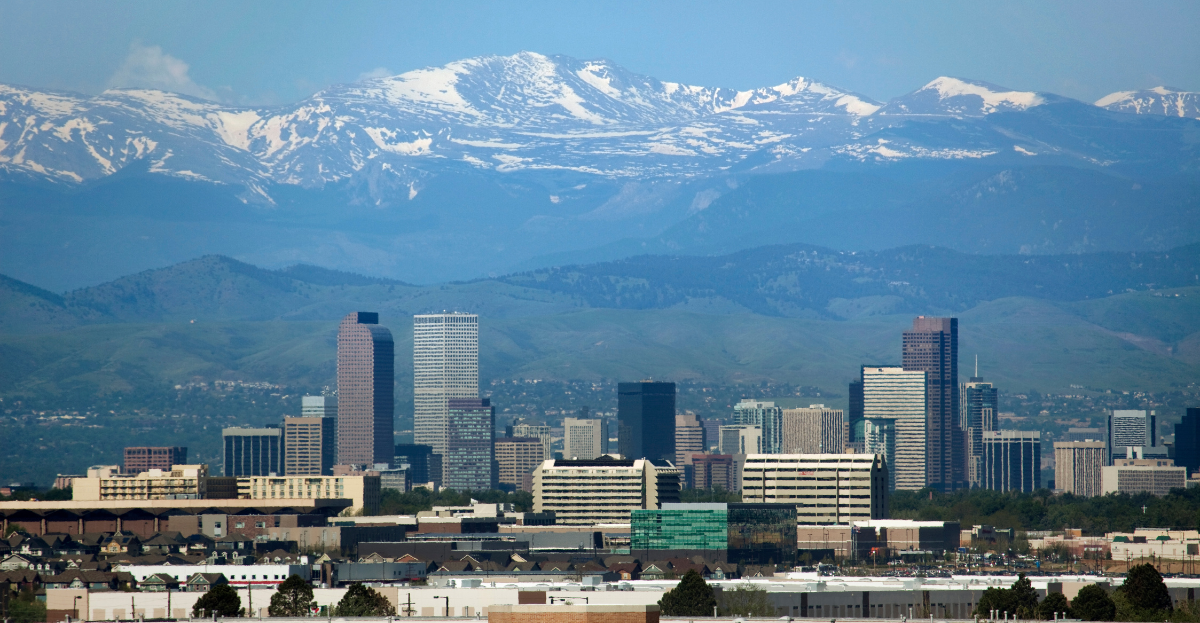
The elevation of Denver is not just a number; it is a fundamental aspect that dictates everything from the local weather patterns to the type of outdoor activities available, and even how a simple recipe might turn out. For travelers, understanding this altitude is paramount to ensuring a comfortable and enjoyable visit. The air pressure at 5,280 feet is significantly lower than at sea level, meaning there is less oxygen available with each breath. While this is a minor adjustment for most healthy individuals, it’s a crucial consideration for anyone planning a trip, especially those coming from lower elevations. The city’s location provides breathtaking views of the Front Range of the Rocky Mountains, serving as a constant reminder of its unique topographical setting. From many vantage points within the city, iconic peaks like Pikes Peak and Mount Evans are visible, beckoning adventurers further into the high country. This unique geographical positioning not only contributes to the city’s allure but also influences its vibrant outdoor culture and robust tourism industry.
Understanding Altitude Sickness: A Traveler’s Guide
For many visitors, the primary concern when traveling to a destination like Denver is the potential onset of altitude sickness, medically known as Acute Mountain Sickness (AMS). While Denver’s mile-high elevation is moderate compared to higher mountain towns, it is still enough to affect some individuals, particularly those unaccustomed to such heights. Understanding the symptoms, prevention, and treatment of AMS is essential for a smooth travel experience.
Common Symptoms to Watch For
Altitude sickness typically manifests within 6 to 24 hours of arriving at elevation. Symptoms can range from mild to severe, and it’s important for travelers to recognize them early. Common mild symptoms include:
- Headache: Often the first and most common symptom, ranging from dull to throbbing.
- Nausea or Loss of Appetite: Feeling queasy or a general disinterest in food.
- Fatigue or Weakness: Unexplained tiredness even after minimal exertion.
- Dizziness or Lightheadedness: A sensation of being off-balance.
- Shortness of Breath: Feeling winded even during light activity.
- Difficulty Sleeping: Insomnia or restless sleep.
These symptoms are usually temporary and improve within a day or two as the body acclimates. However, if symptoms worsen or become severe (e.g., severe headache unrelieved by pain medication, persistent vomiting, increasing weakness, confusion, or difficulty walking), it could indicate a more serious form of altitude sickness, requiring immediate medical attention.
Prevention Strategies for Visitors
The best approach to altitude sickness is prevention. By taking a few simple precautions, most travelers can minimize their risk and enjoy their visit to the fullest.
Hydration and Gradual Acclimatization
One of the most crucial pieces of advice for visitors to Denver is to hydrate, hydrate, hydrate. The dry air at higher altitudes can lead to increased fluid loss through respiration. Drink plenty of water before and during your trip, aiming for significantly more than you would at sea level. Avoid sugary drinks and excessive caffeine.
Additionally, if possible, allow for gradual acclimatization. For those planning to venture higher into the mountains (e.g., to ski resorts like Breckenridge, Vail, or Aspen, which are often above 8,000 feet), spending a day or two in Denver first can help your body adjust to the initial elevation change before ascending further.
Avoiding Alcohol and Strenuous Activity
Upon arrival, it’s wise to limit or avoid alcohol for the first 24-48 hours. Alcohol can dehydrate the body and exacerbate altitude sickness symptoms. Similarly, plan to take it easy on your first day. Avoid strenuous physical activities like intense hiking or long runs immediately after arrival. Give your body time to adjust to the lower oxygen levels before pushing yourself physically. If flying into Denver International Airport, which itself is around 5,431 feet (1,655 meters), understand that your body starts adjusting from the moment you land.
When to Seek Medical Attention
While most cases of mild AMS resolve with rest and hydration, it’s vital to know when to seek professional medical help. If symptoms do not improve after a day or two, or if they worsen significantly, becoming severe, it’s time to consult a doctor. Severe symptoms could include:
- Intense headaches unresponsive to medication.
- Significant dizziness or loss of coordination (ataxia).
- Persistent vomiting.
- Increasing shortness of breath at rest.
- Confusion or altered mental status.
These could be signs of more serious, albeit rare, conditions like High Altitude Cerebral Edema (HACE) or High Altitude Pulmonary Edema (HAPE), which are medical emergencies. Always err on the side of caution when dealing with altitude-related health concerns.
Exploring Denver at Elevation: Activities and Experiences
Denver’s elevation doesn’t just present a challenge; it opens up a world of unique outdoor and urban experiences, offering unparalleled access to the natural beauty of Colorado and a vibrant city life tailored to its setting.
Outdoor Adventures and Their Considerations
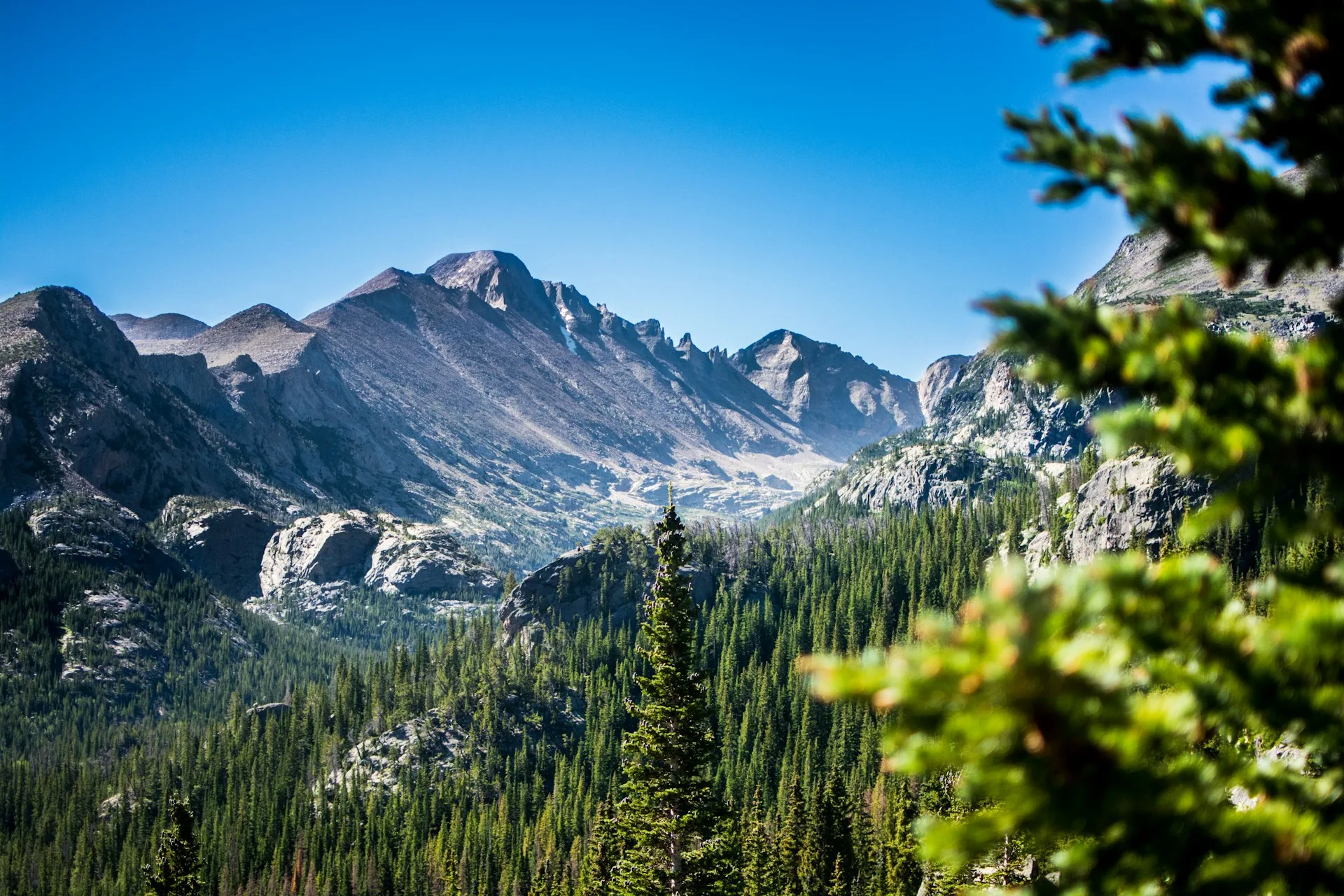
The proximity to the Rocky Mountains makes Denver a gateway to countless outdoor adventures. However, travelers should always be mindful of the altitude when planning these activities.
Hiking and Biking in the Foothills
Within a short drive from downtown Denver, the foothills offer an extensive network of trails for hiking and mountain biking. Popular spots like Golden’s North Table Mountain Park or Deer Creek Canyon Park provide stunning views and varying levels of difficulty. When embarking on these trails, remember to:
- Start with easier, shorter trails to gauge your body’s response.
- Carry more water than you think you’ll need.
- Wear layers, as mountain weather can change rapidly.
- Apply high-SPF sunscreen, as the sun’s intensity increases at higher altitudes.
Even a casual stroll through Denver’s beautiful city parks, such as City Park or Washington Park, can be a delightful way to enjoy the fresh air and sunshine without overexertion.
Skiing and Snowboarding in Nearby Resorts
For winter sports enthusiasts, Denver is the ideal base for accessing world-class ski resorts. Destinations like Keystone, Loveland Ski Area, and Winter Park are all within a couple of hours’ drive. Keep in mind that these resorts are at significantly higher elevations, often exceeding 9,000-10,000 feet. It is especially crucial to hydrate and take frequent breaks when skiing or snowboarding at these altitudes. Pay attention to how your body feels, as fatigue can set in more quickly. Consider spending an extra night in Denver to help acclimate before heading up to the higher peaks.
Urban Exploration: Denver’s Cultural Landscape
Beyond its outdoor allure, Denver’s vibrant urban core offers a wealth of cultural and recreational activities that can be enjoyed at any altitude.
Red Rocks Amphitheatre and Other Attractions
The iconic Red Rocks Amphitheatre, carved into massive red sandstone rock formations, offers not only world-class concerts but also a unique hiking experience during the day. While enjoying a show or exploring the trails, remember to stay hydrated and take it slow, especially when climbing the amphitheater’s steep steps. Other attractions like the Denver Art Museum, the Denver Botanic Gardens, and the historic Larimer Square are all at relatively consistent elevations within the city, making them excellent choices for a leisurely exploration.
Dining and Nightlife at Altitude
Denver’s culinary scene is thriving, with an array of restaurants, breweries, and distilleries. While enjoying the local flavors, remember that alcohol may have a more pronounced effect at altitude. Start with smaller portions and monitor your consumption. Many establishments offer excellent non-alcoholic options, from craft sodas to sophisticated mocktails, perfect for staying hydrated while socializing. The city’s breweries are renowned, but pace yourself to avoid dehydration and exaggerated effects of alcohol.
Tips for Enjoying the High-Altitude Climate
- Sun Protection: The sun’s UV rays are stronger at high altitudes due to thinner atmosphere. Wear sunglasses, a wide-brimmed hat, and apply sunscreen religiously, even on cloudy days.
- Layered Clothing: Denver’s weather can be unpredictable, with significant temperature swings between day and night, and even within a single day. Dressing in layers allows you to adjust comfortably.
- Listen to Your Body: This is perhaps the most important tip. If you feel unwell, rest. If symptoms persist or worsen, do not hesitate to seek medical advice. Pushing yourself too hard can quickly turn an enjoyable trip into a challenging one.
Preparing for Your Denver Trip: Essential Packing and Planning
A successful trip to the Mile-High City involves a bit of thoughtful preparation, largely centered around adapting to its unique altitude and climate. By planning ahead, travelers can mitigate potential challenges and fully immerse themselves in all that Denver has to offer.
Clothing and Sun Protection
Packing smart is key for Denver’s variable weather and intense sun. Even if your itinerary focuses on urban attractions, you’ll still be exposed to the elements.
- Layers are Paramount: Pack versatile clothing that can be layered. Think t-shirts, long-sleeved shirts, a fleece or sweater, and a waterproof or wind-resistant jacket. This allows you to adapt to temperature fluctuations, which can range widely even within a single day.
- Comfortable Footwear: Whether you plan to hike mountain trails or simply explore Denver’s walkable neighborhoods, comfortable walking shoes are essential.
- Sun-Protective Gear: A wide-brimmed hat, sunglasses with UV protection, and a high-SPF sunscreen (SPF 30 or higher) are non-negotiables. The sun at altitude is powerful, and sunburn can happen quickly.
- Lip Balm: The dry air can also chap your lips, so a moisturizing lip balm with SPF is a good addition.
Health and Safety Precautions
Beyond general travel safety, specific health precautions are advisable for Denver’s altitude.
- Medication: If you take any prescription medications, ensure you have an adequate supply. Consult your doctor if you have pre-existing conditions (especially respiratory or heart-related) about traveling to altitude. Some doctors may prescribe medication like acetazolamide (Diamox) for altitude sickness prevention, particularly if you have a history of AMS or plan to ascend quickly to very high elevations.
- First-Aid Kit: A basic kit with pain relievers (for headaches), adhesive bandages, and any personal medications is always a good idea.
- Insurance: Travel insurance that covers medical emergencies and evacuation can provide peace of mind, especially if you plan adventurous outdoor activities.
- Stay Informed: Check local weather forecasts before heading out, especially if venturing into the mountains. Conditions can change rapidly, and being prepared for rain, snow, or sudden drops in temperature is crucial.
Maximizing Your Enjoyment of the Mile-High City
To truly savor your Denver experience, integrate these altitude-aware practices into your travel rhythm:
- Pace Yourself: Don’t try to do too much on your first day. Plan a relaxed itinerary, allowing your body time to adjust. A leisurely stroll through a museum or enjoying a meal at a local restaurant are great initial activities.
- Prioritize Hydration: Carry a reusable water bottle and refill it frequently. Many public spaces and hotels offer water stations.
- Listen to Local Advice: Engage with locals. Coloradans are well-versed in high-altitude living and can offer practical tips and recommendations.
- Embrace the Views: Take advantage of Denver’s incredible backdrop. Whether it’s a sunset over the Rockies from a rooftop bar or a drive into the foothills, the scenery is a core part of the Denver experience.
By understanding that Denver is genuinely the “Mile-High City” and taking appropriate measures, travelers can ensure their visit is not only comfortable but also an unforgettable adventure into the heart of Colorado’s unique landscape and culture.
LifeOutOfTheBox is a participant in the Amazon Services LLC Associates Program, an affiliate advertising program designed to provide a means for sites to earn advertising fees by advertising and linking to Amazon.com. Amazon, the Amazon logo, AmazonSupply, and the AmazonSupply logo are trademarks of Amazon.com, Inc. or its affiliates. As an Amazon Associate we earn affiliate commissions from qualifying purchases.